
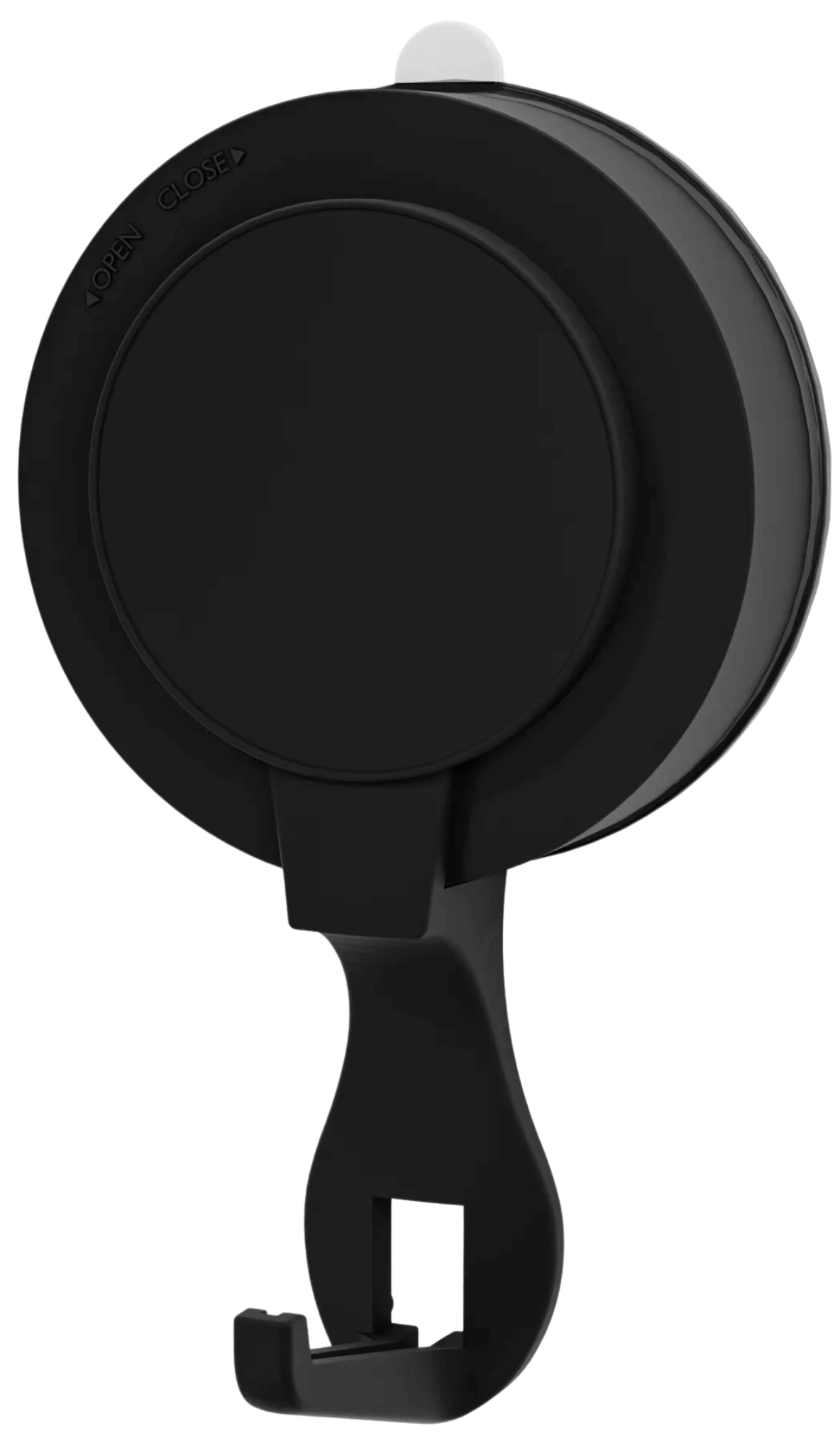
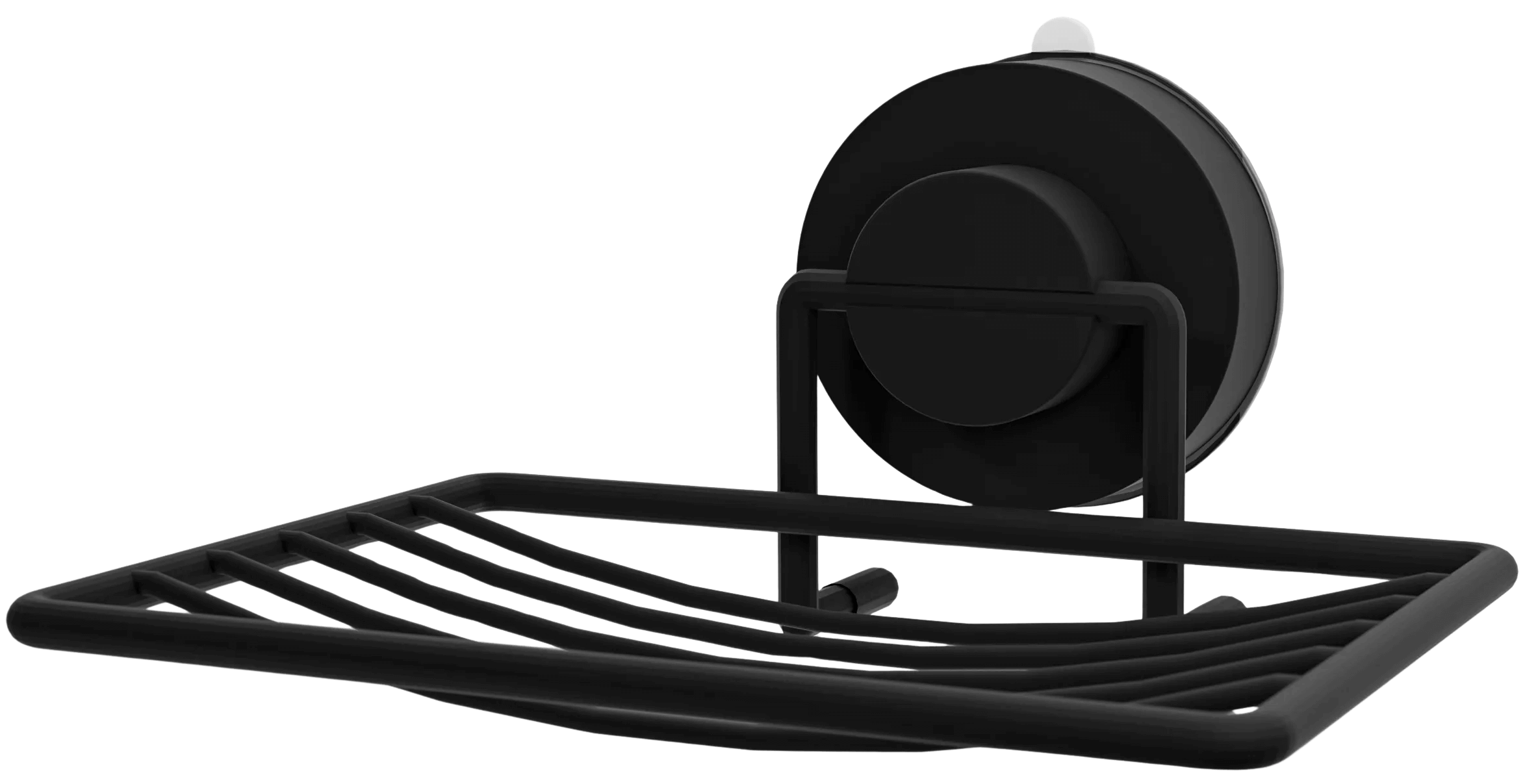
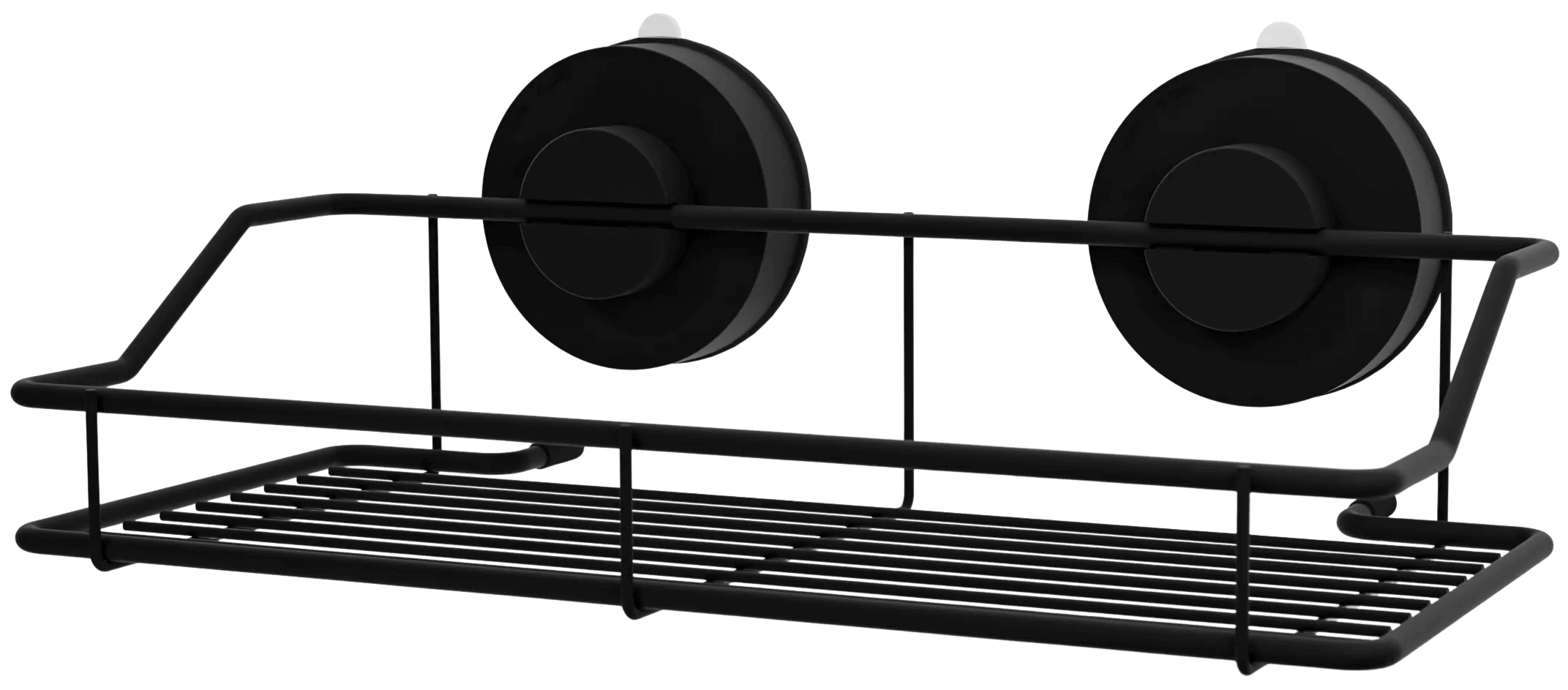
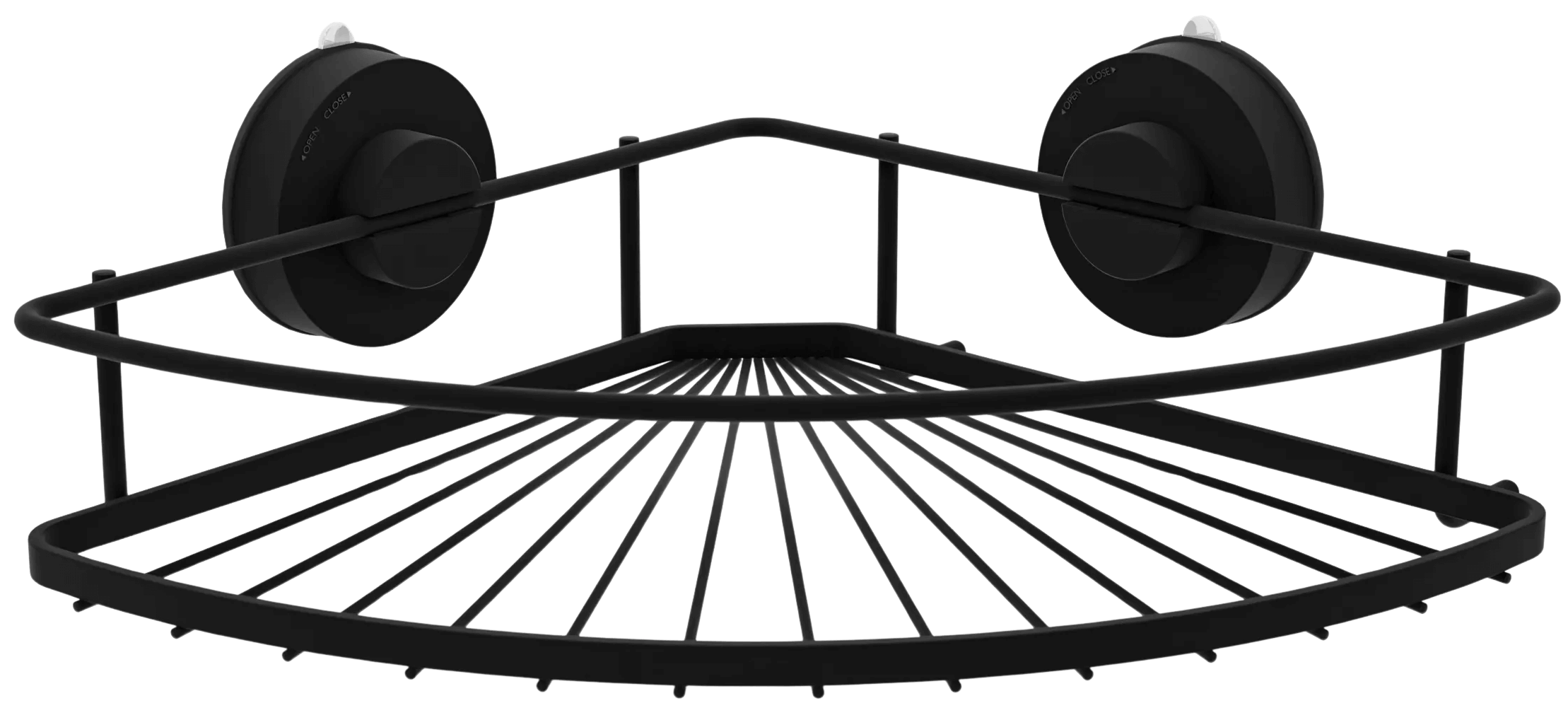
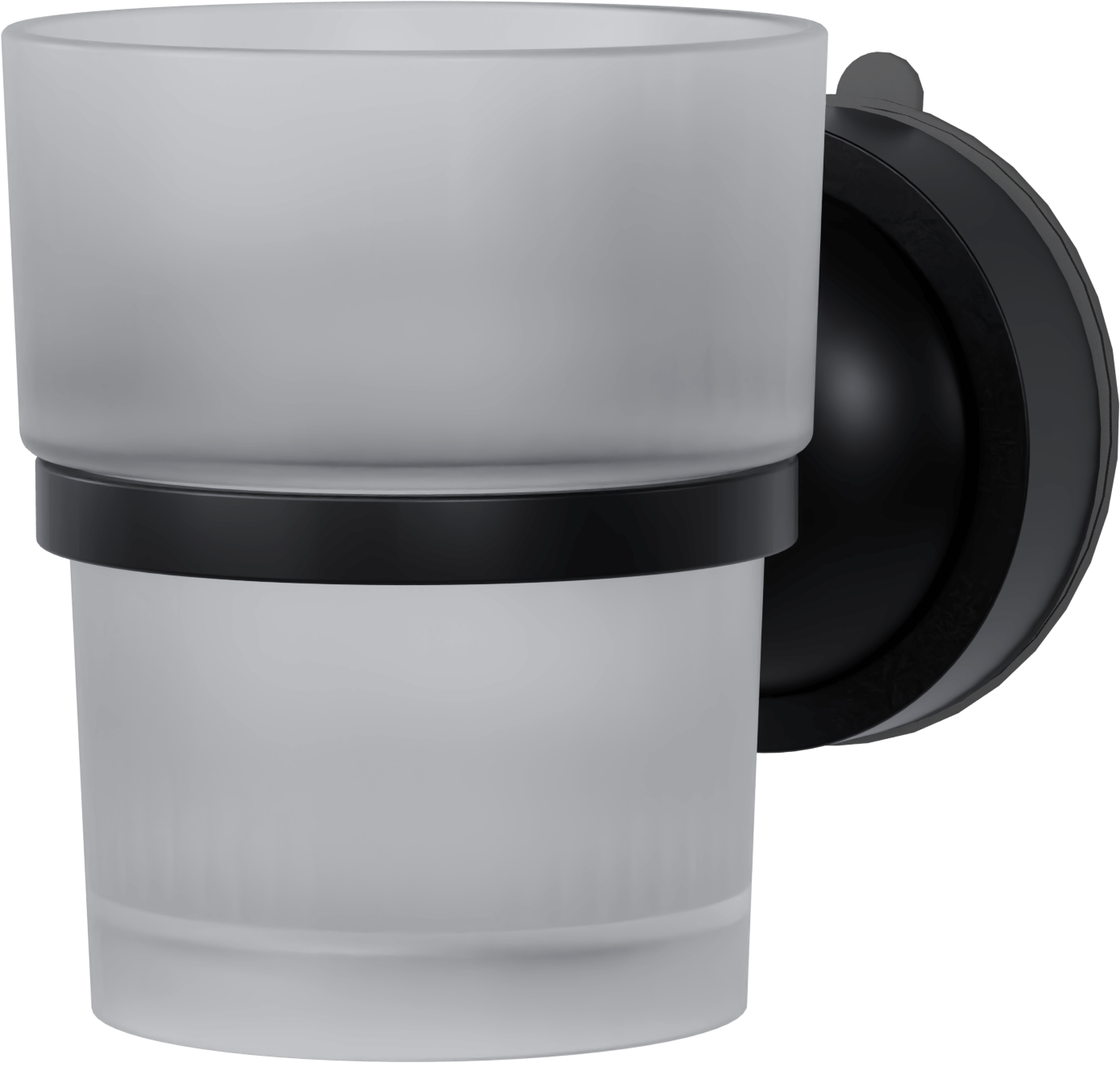
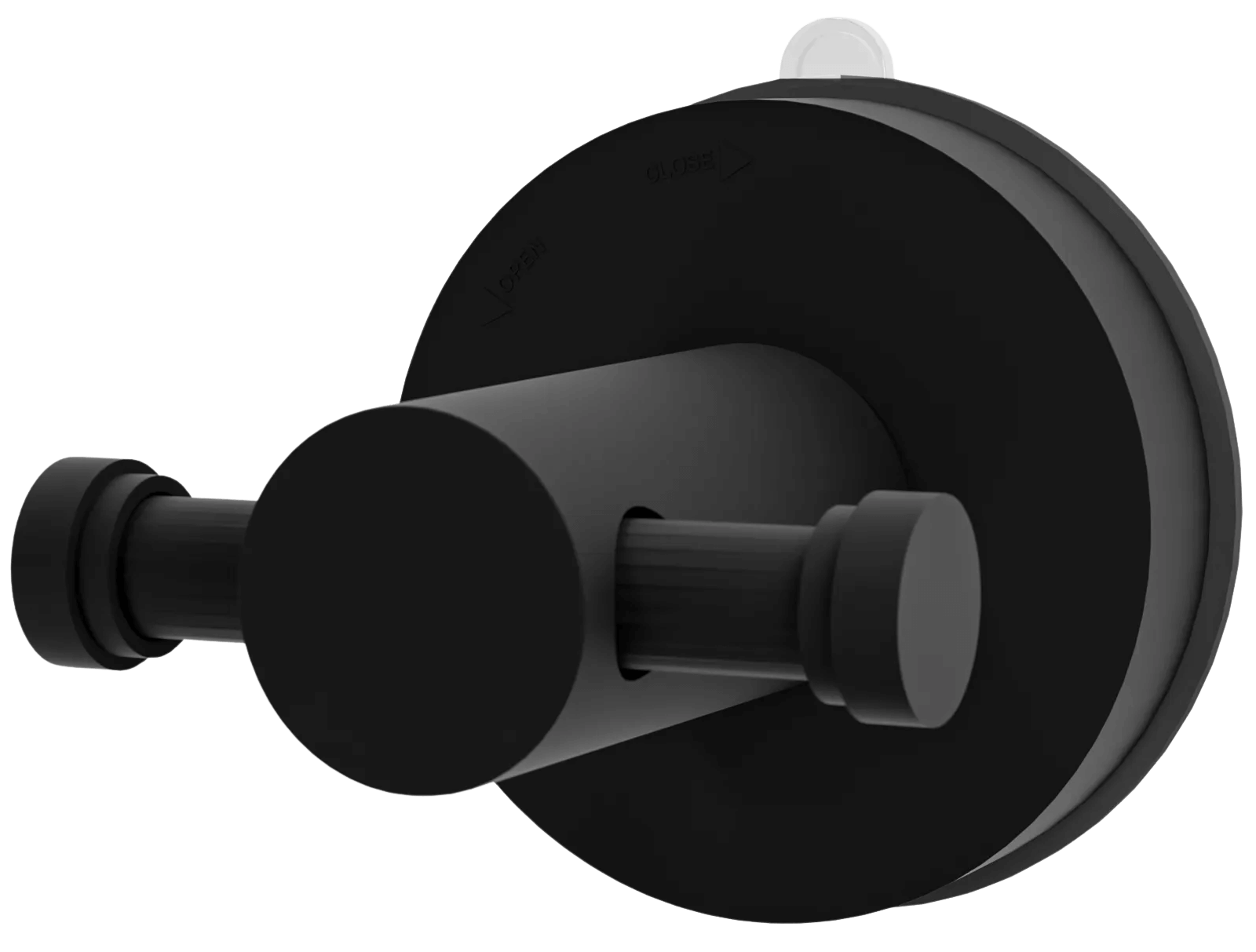

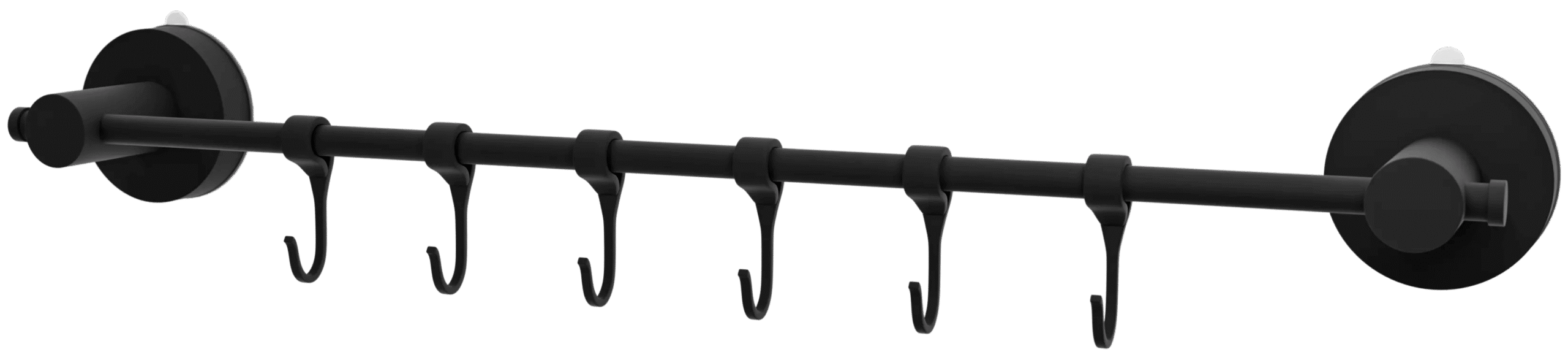
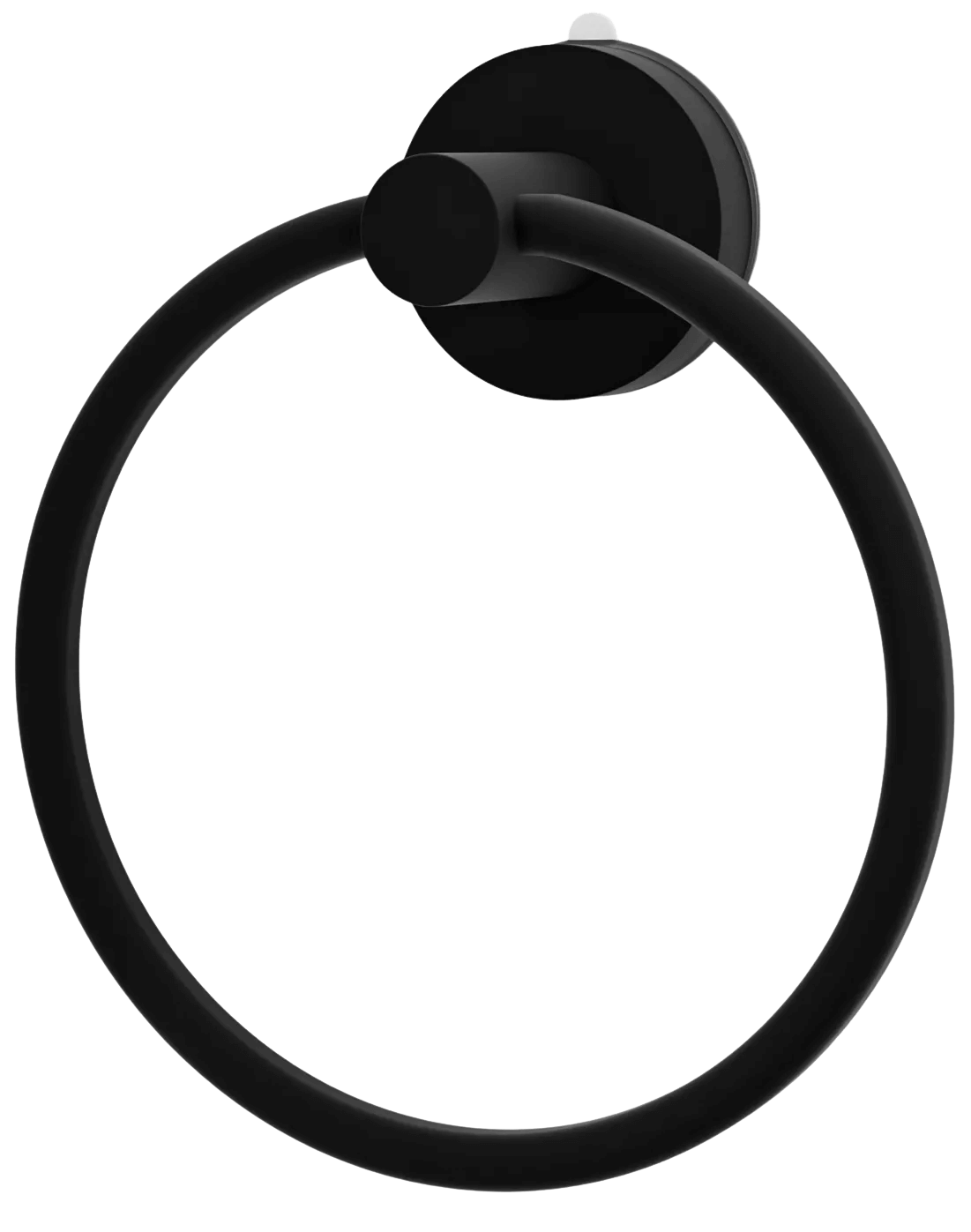
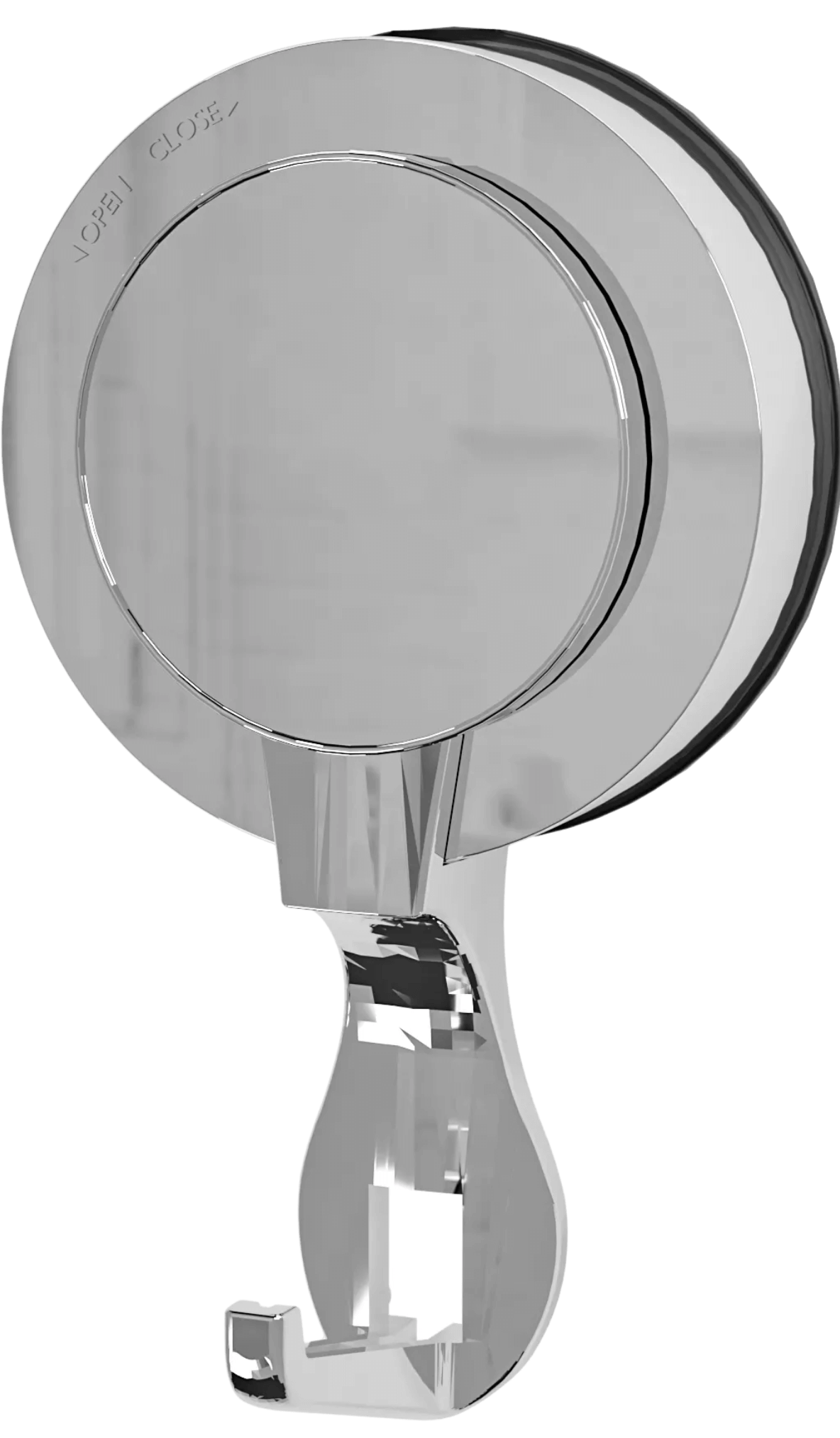
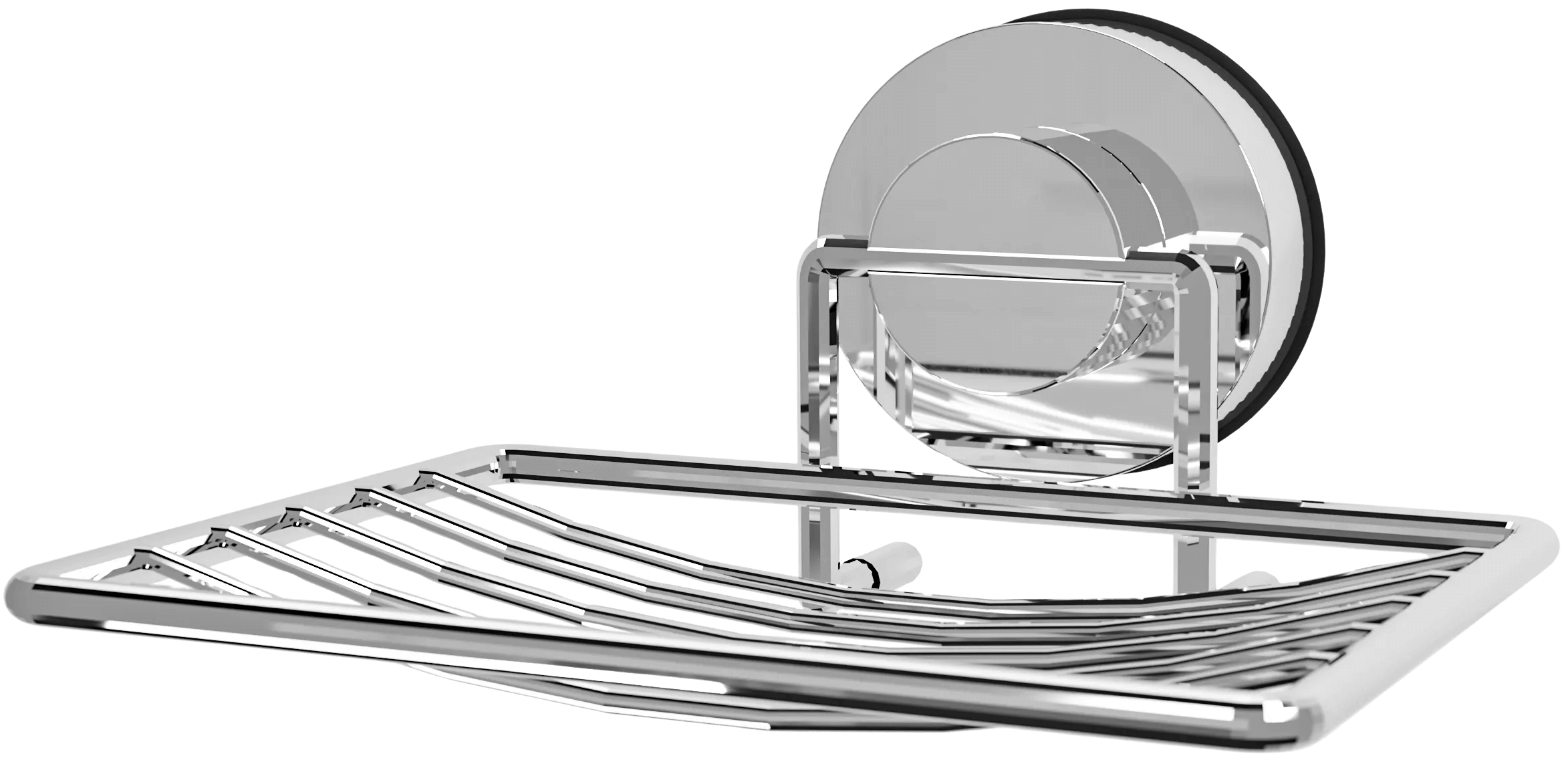
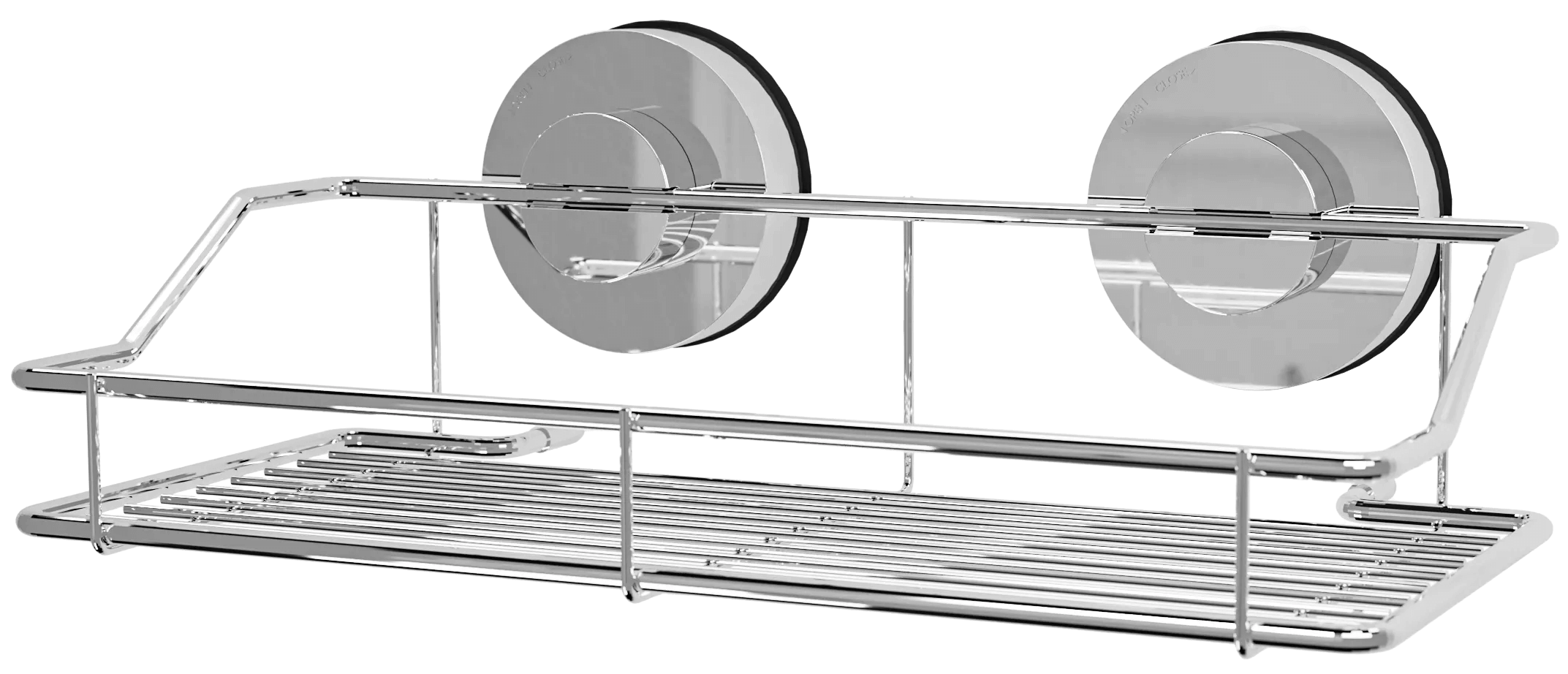
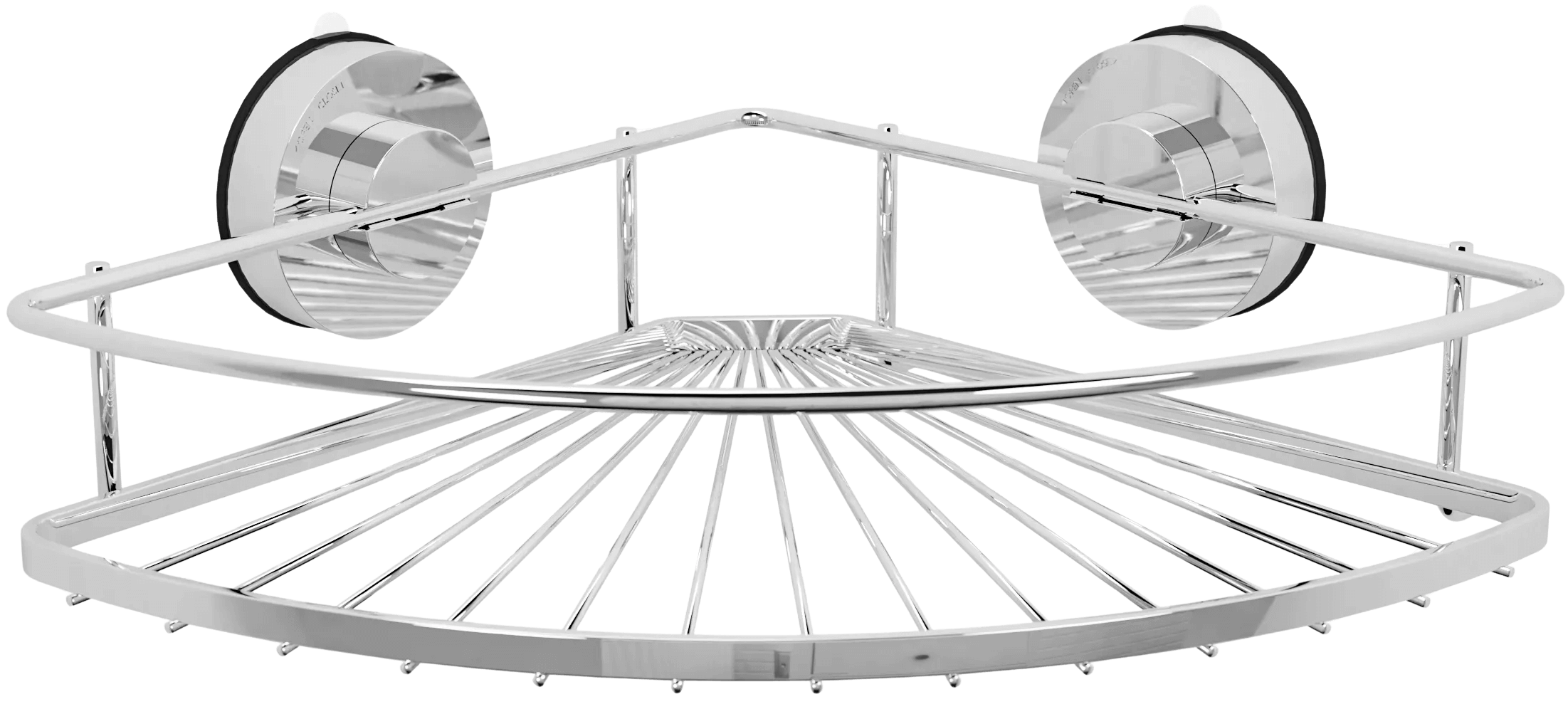
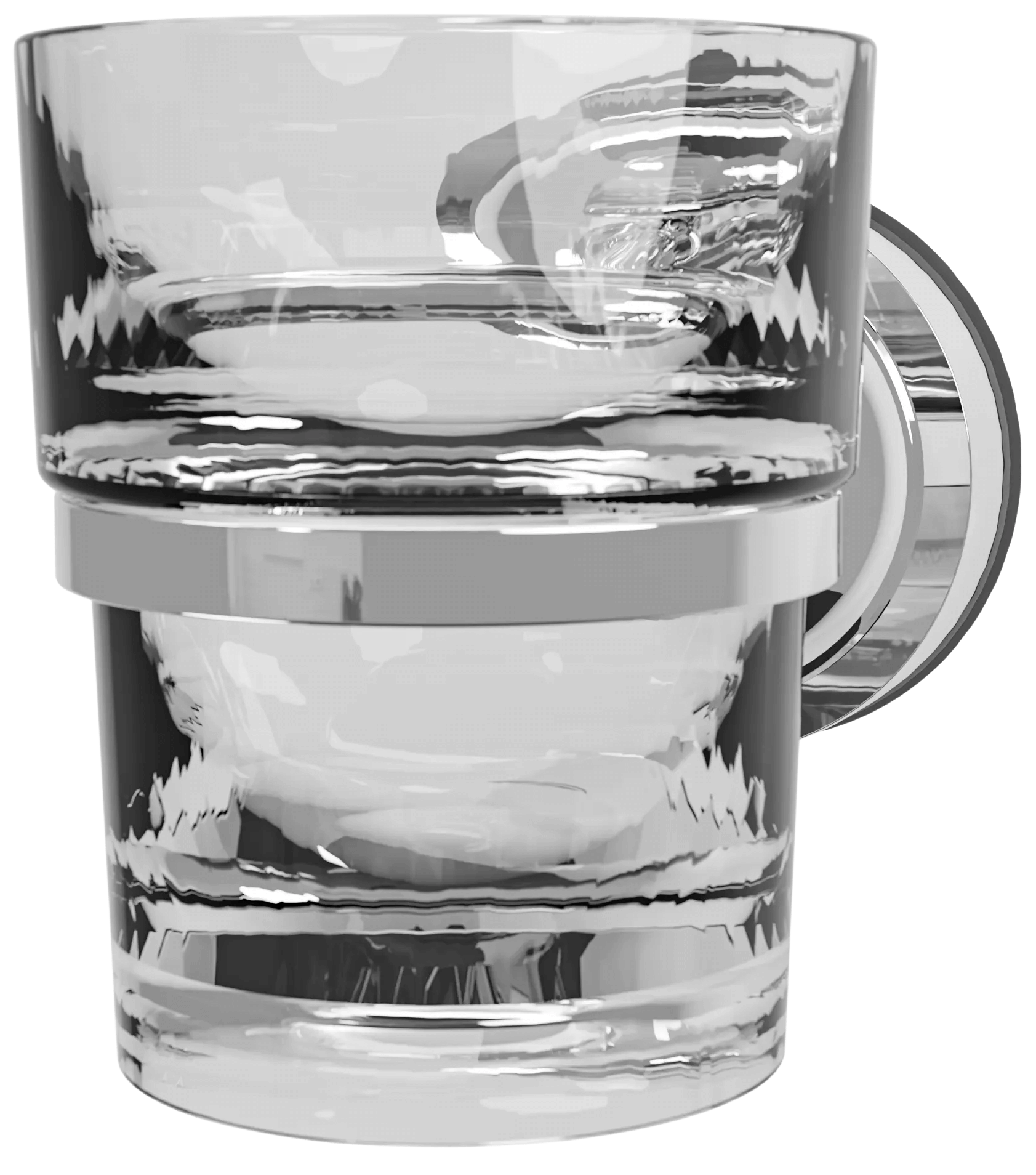
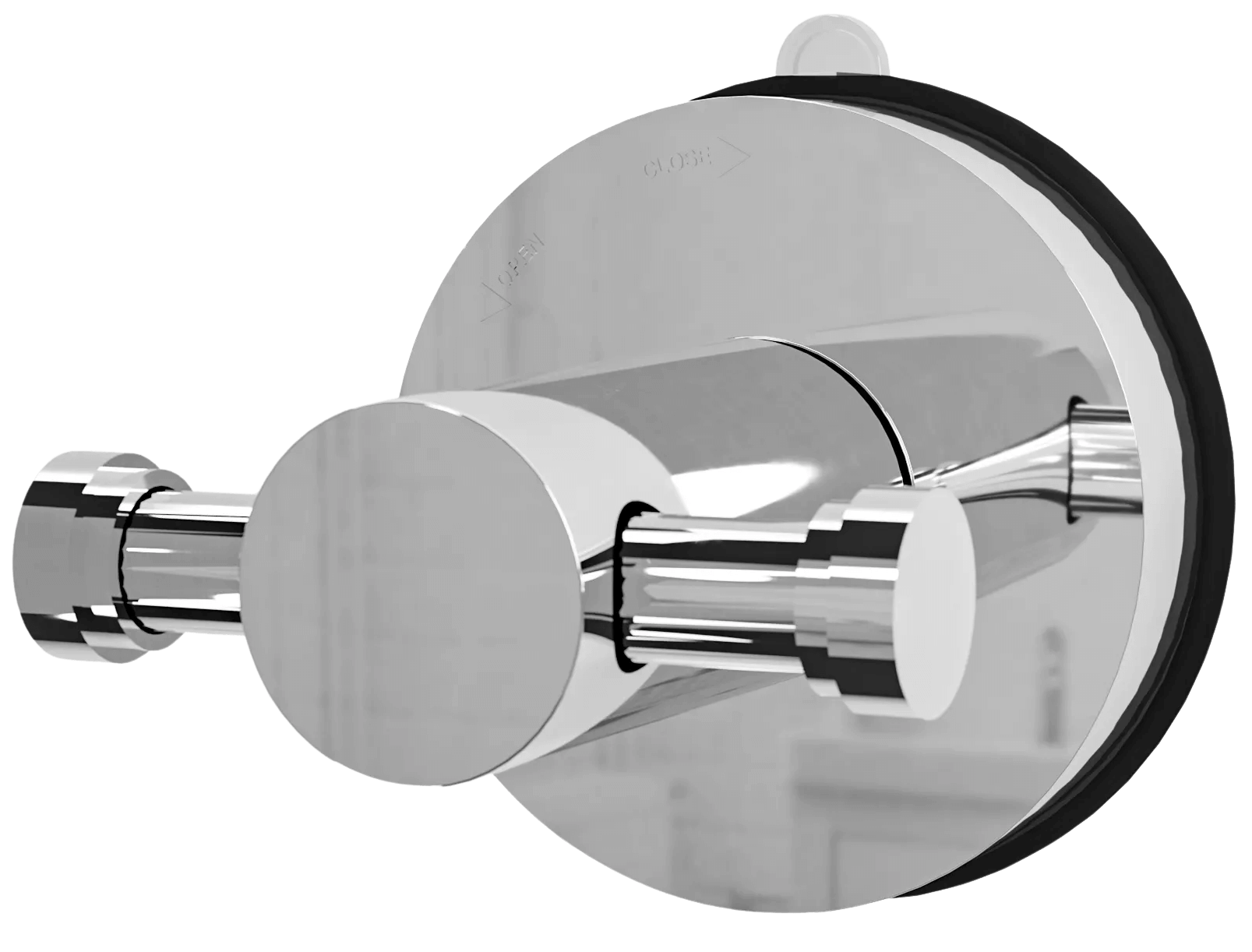

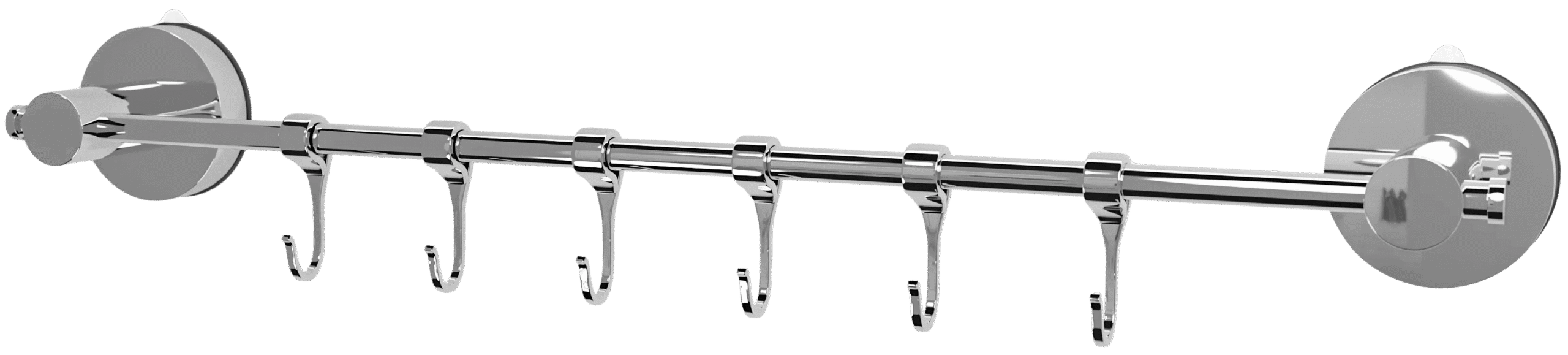
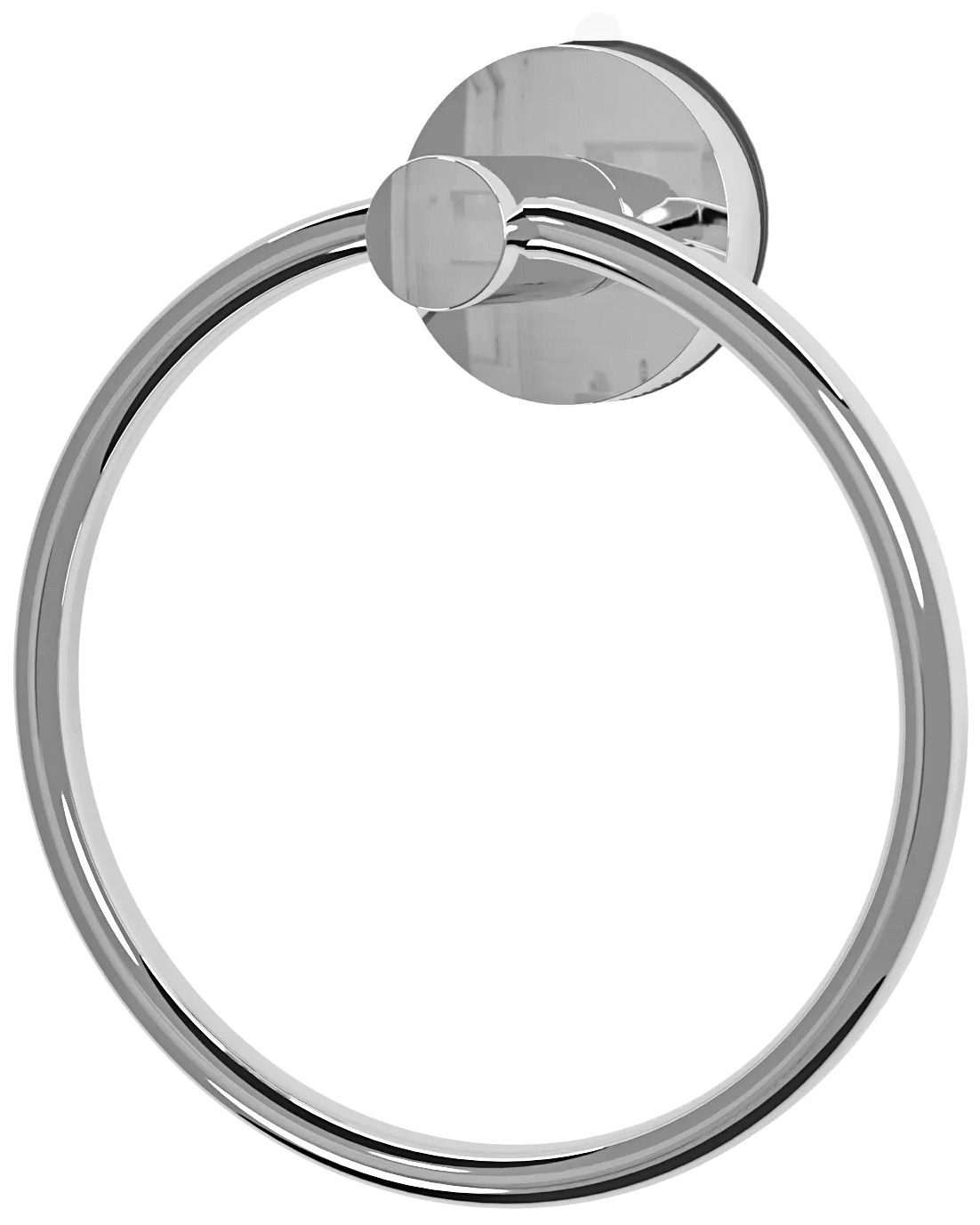
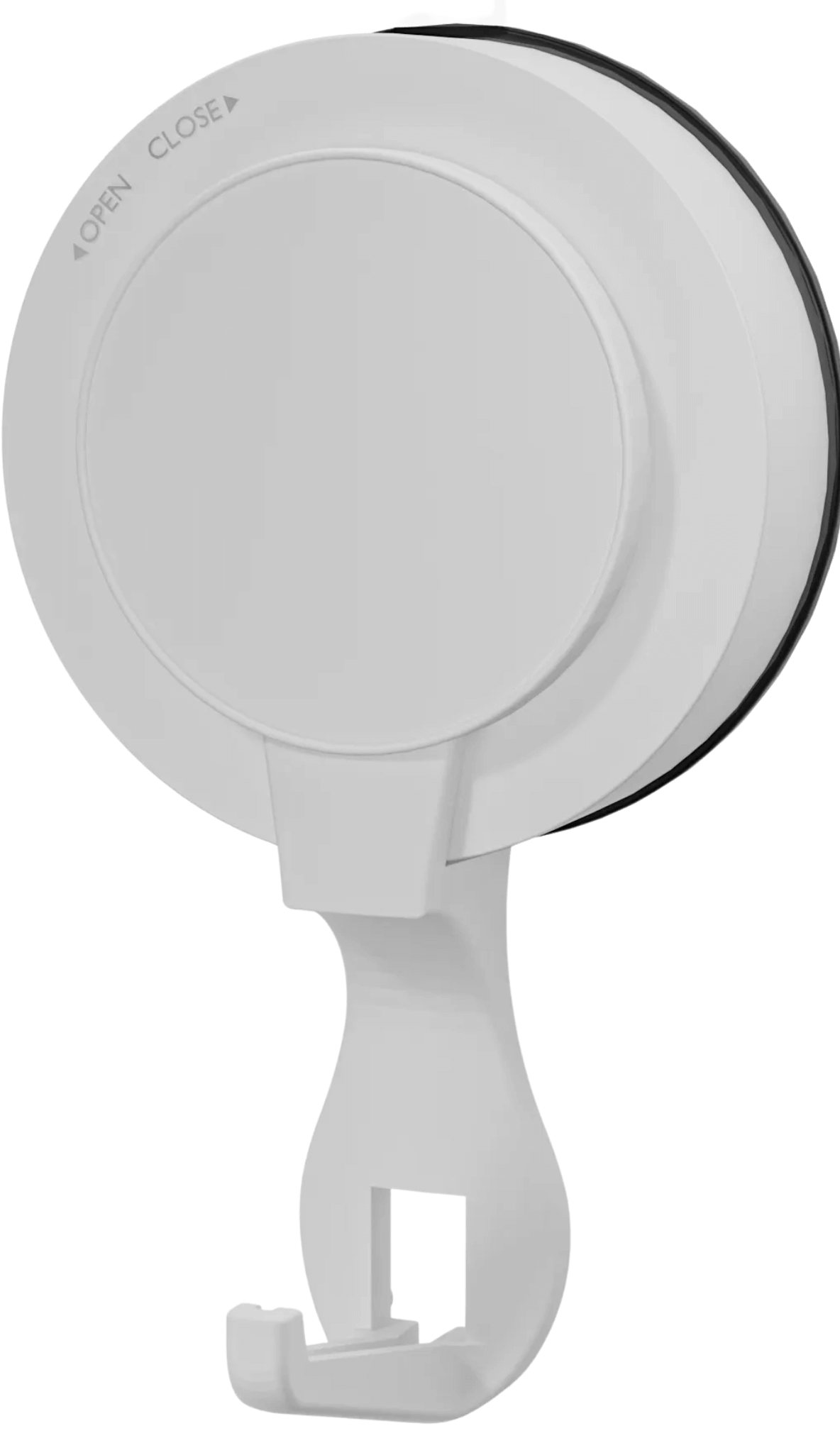
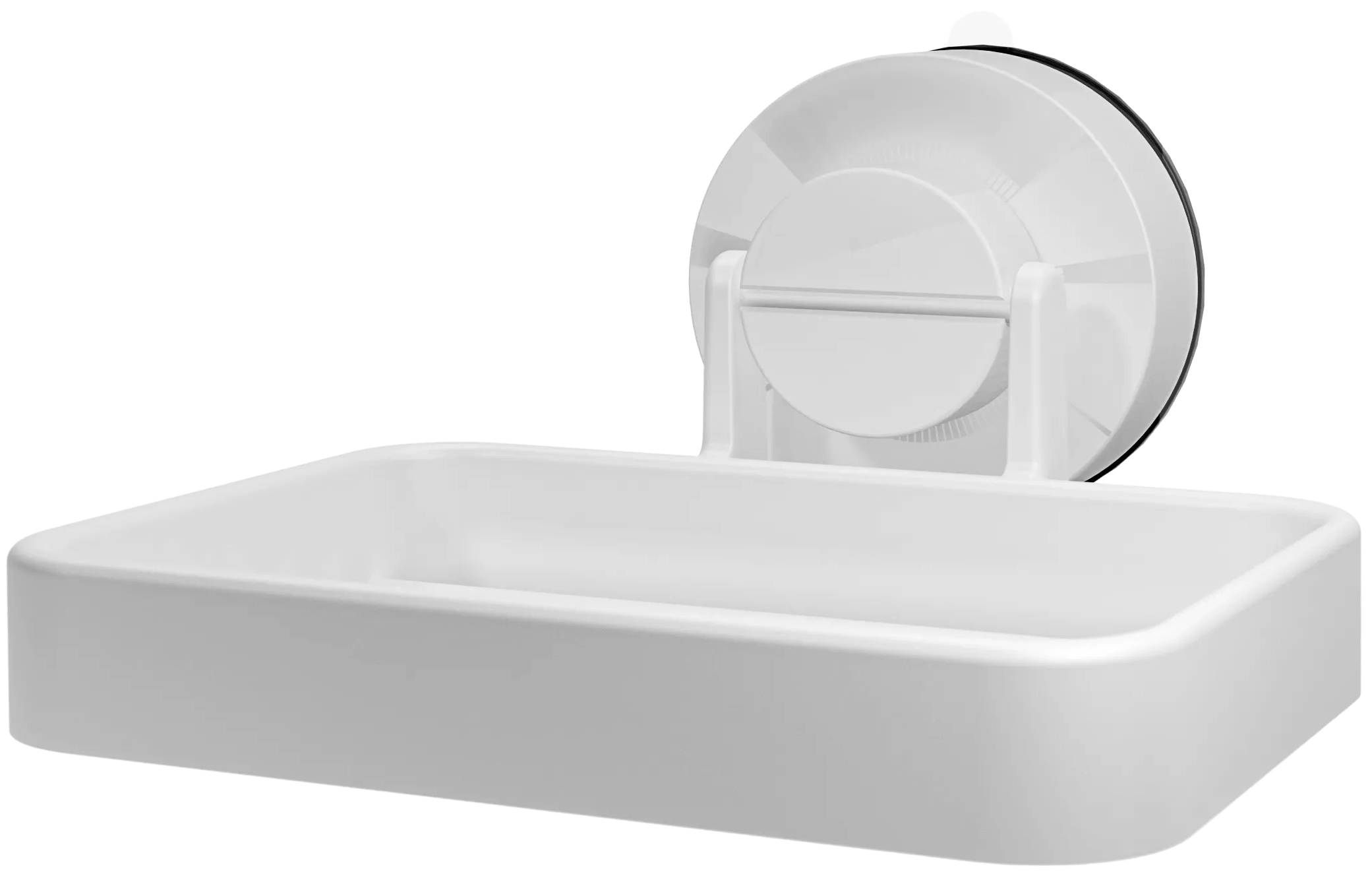
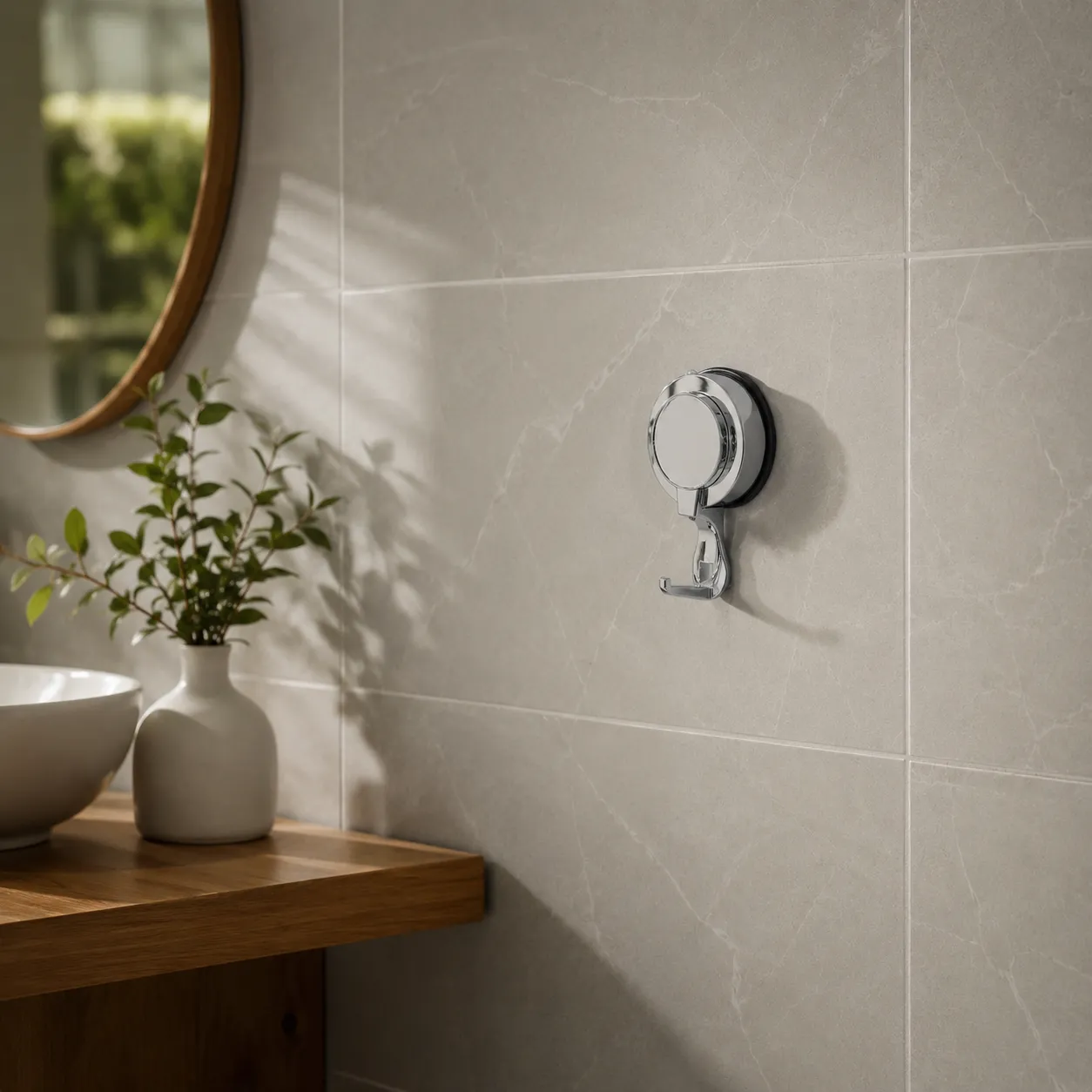
Installing wall hooks may seem simple, but even small errors can reduce their holding strength. If you’re using AirGrip no drill wall hooks, avoiding common Wall Hook Installation Mistakes will help you achieve a secure, long-lasting hold without damaging your walls. Unlike traditional hooks that require drilling, AirGrip hooks rely on proper surface preparation and correct installation techniques. By following a few simple steps, you can maximize their performance and keep your home neat and organized.
Why Proper Installation Matters
AirGrip no drill wall hooks are designed for convenience and damage-free installation. However, their adhesive technology performs best when installed correctly. Skipping essential steps can reduce grip strength and shorten the hook’s lifespan.
Clean the Surface Before Installation
Dust, grease, or moisture can prevent the adhesive from bonding properly.
Always:
- Wipe the surface with a clean cloth.
- Remove oil and dirt.
- Allow the wall to dry completely before applying the hook.
Choose the Right Surface
AirGrip hooks work best on smooth, non-porous surfaces such as:
- Tiles
- Glass
- Marble
- Metal
- Laminates
- Smooth painted walls (where recommended)
Avoid installing them on:
- Rough concrete
- Brick walls
- Textured paint
- Wallpaper
- Uneven surfaces
Common Wall Hook Installation Mistakes
Many users unknowingly make installation mistakes that affect performance.
Applying the Hook on a Dirty Surface
A dirty surface weakens the adhesive bond almost immediately. This is one of the biggest Wall Hook Installation Mistakes people make.
Hanging Items Immediately
Give the adhesive enough time to bond.
Best practice:
- Install the hook.
- Press firmly for 30–60 seconds.
- follow the product instructions
Ignoring Weight Capacity
Every hook has a maximum load limit.
| Mistake | Result | Better Practice |
| Hanging overweight items | Hook may detach | Follow recommended weight limit |
| Uneven weight distribution | Reduced grip | Hang items centrally |
| Multiple heavy items | Excess stress | Use additional hooks |
Best Practices for AirGrip No Drill Hooks
AirGrip hooks are built for easy installation, but following these tips ensures maximum durability.
Press Firmly During Installation
Apply even pressure across the adhesive base.
This helps:
- Remove trapped air.
- Improve surface contact.
- Increase adhesive strength.
Install on Flat Surfaces Only
Smooth walls provide the strongest adhesion.
Ideal locations include:
- Bathroom tiles
- Kitchen backsplashes
- Wardrobe panels
- Glass partitions
- Office cabinets
Proper installation reduces future Wall Hook Installation Mistakes and extends product life.
Top Mistakes to Avoid
Use this quick checklist before installing your AirGrip hook.
Installation Checklist
Clean the wall thoroughly.
Dry the surface completely.
Install on a smooth surface.
Press firmly for 30–60 seconds.
Allow bonding time before use.
Stay within the recommended weight limit.
Avoid repositioning after installation.
Following this checklist helps prevent common Wall Hook Installation Mistakes while improving long-term performance.
Frequently Asked Questions
Can AirGrip hooks be removed without damaging the wall?
Yes. When removed according to the instructions, AirGrip no drill hooks are designed to leave minimal or no wall damage on suitable surfaces.
Where should I avoid installing AirGrip hooks?
Avoid rough walls, brick surfaces, textured paint, wallpaper, and dusty areas, as these reduce adhesive performance.
How much weight can AirGrip wall hooks hold?
The weight capacity depends on the specific AirGrip model. Always follow the product’s recommended load limit for the best results.
Can I reuse an AirGrip hook after removing it?
Most adhesive hooks are intended for one-time installation. Reusing them may reduce adhesive strength unless the product specifically supports reuse.
Are AirGrip hooks suitable for bathrooms?
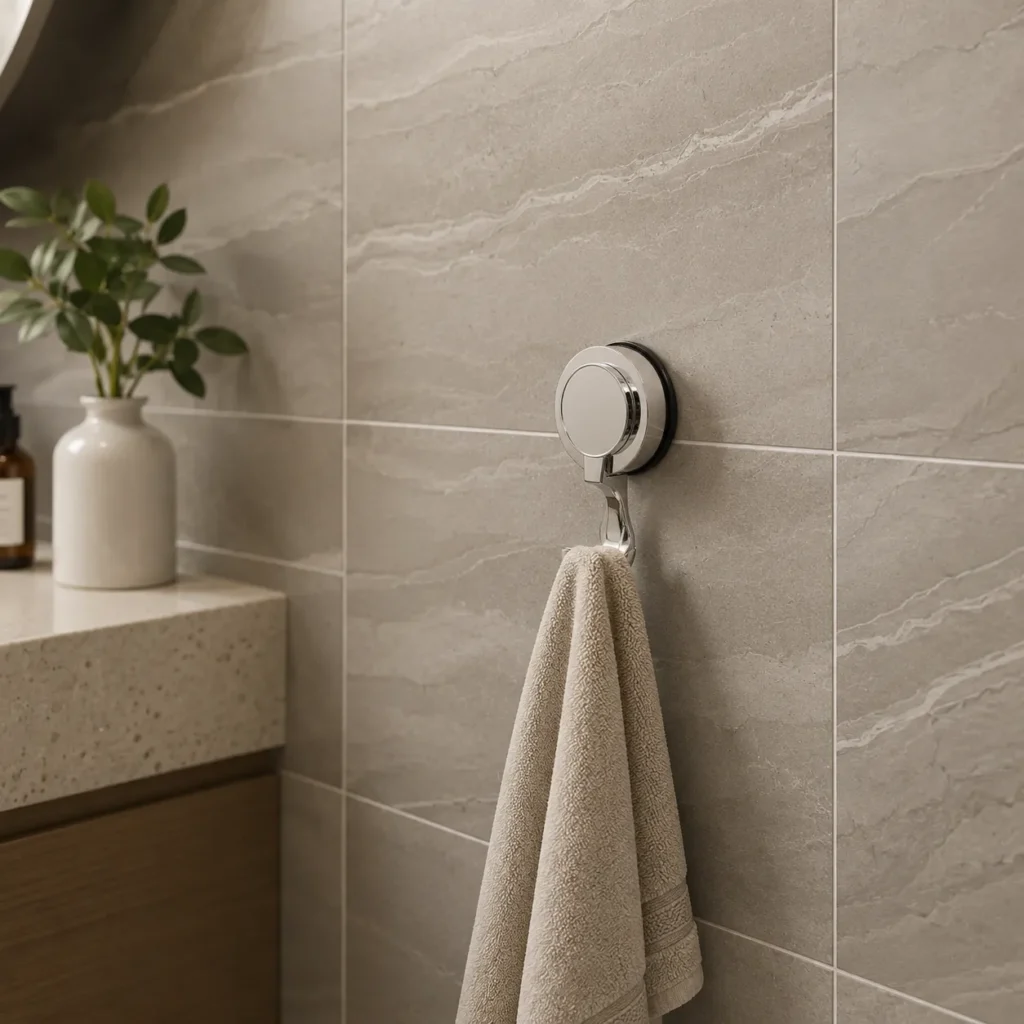
Yes. They work well on smooth bathroom tiles and glass, making them ideal for towels, loofahs, and other lightweight accessories.
Conclusion
Installing a wall hook correctly is just as important as choosing the right product. By avoiding these common Wall Hook Installation Mistakes, you can enjoy a stronger hold, longer-lasting performance, and damage-free organization. AirGrip no drill wall hooks offer a quick and reliable solution for homes, kitchens, bathrooms, and offices—without the hassle of drilling. Follow the recommended installation steps and enjoy secure, clutter-free spaces with confidence.