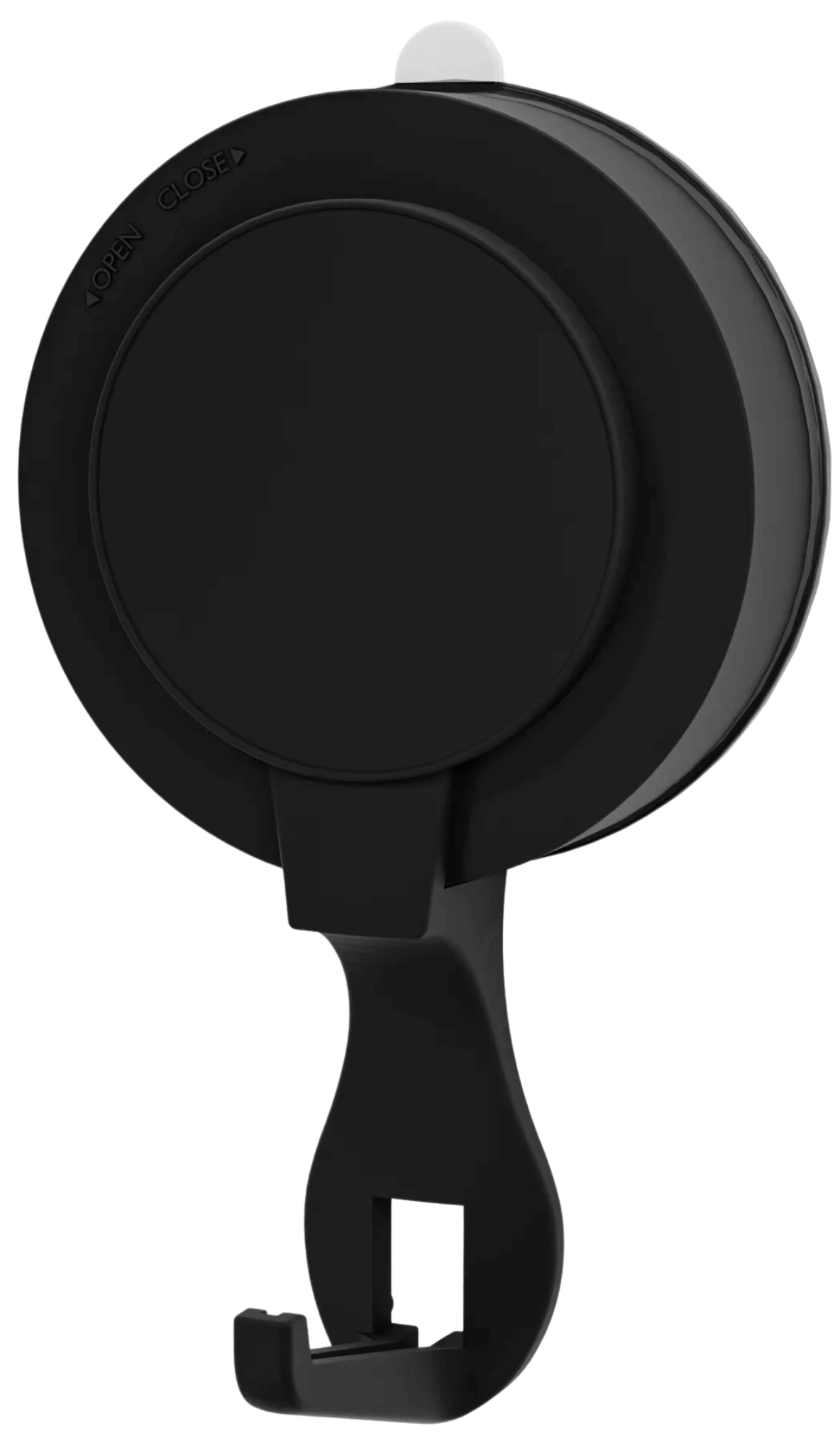
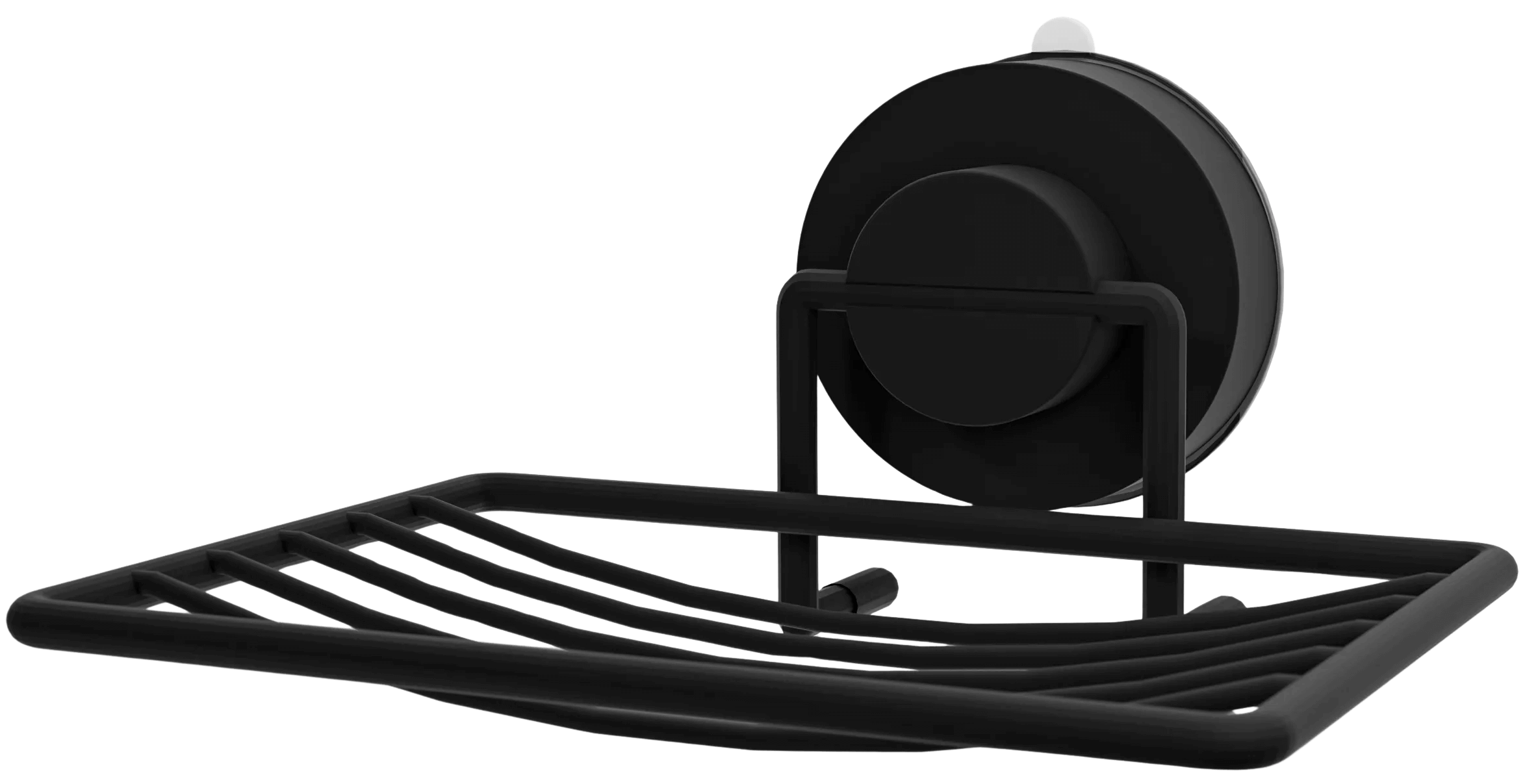
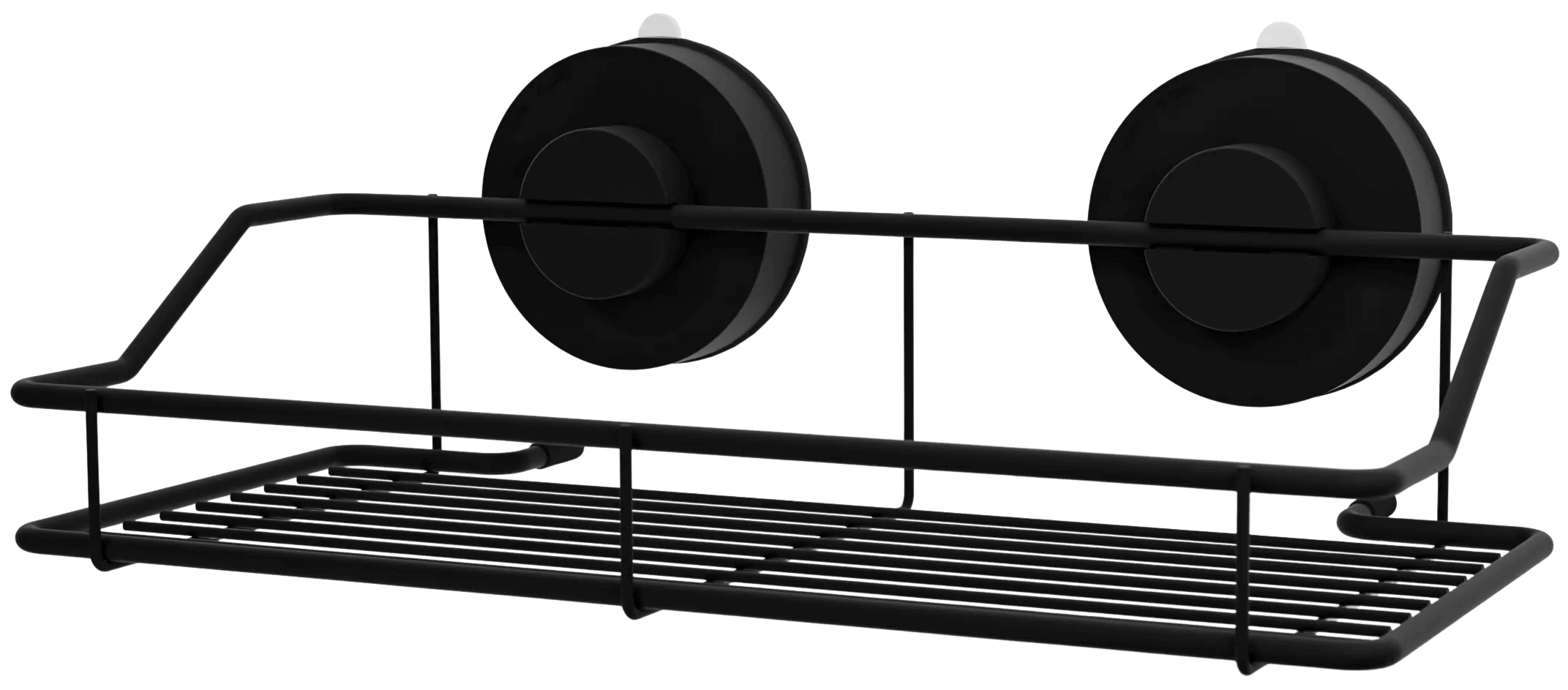
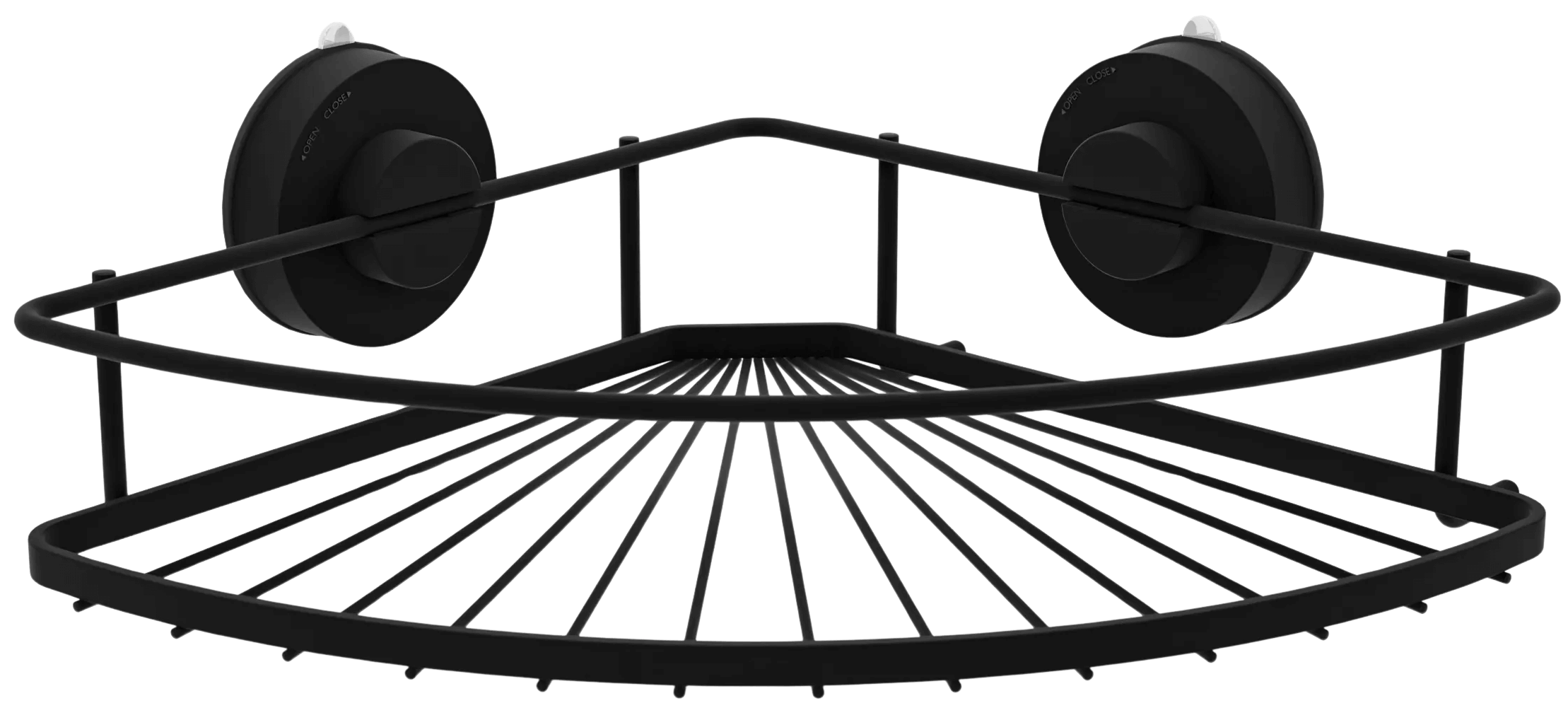

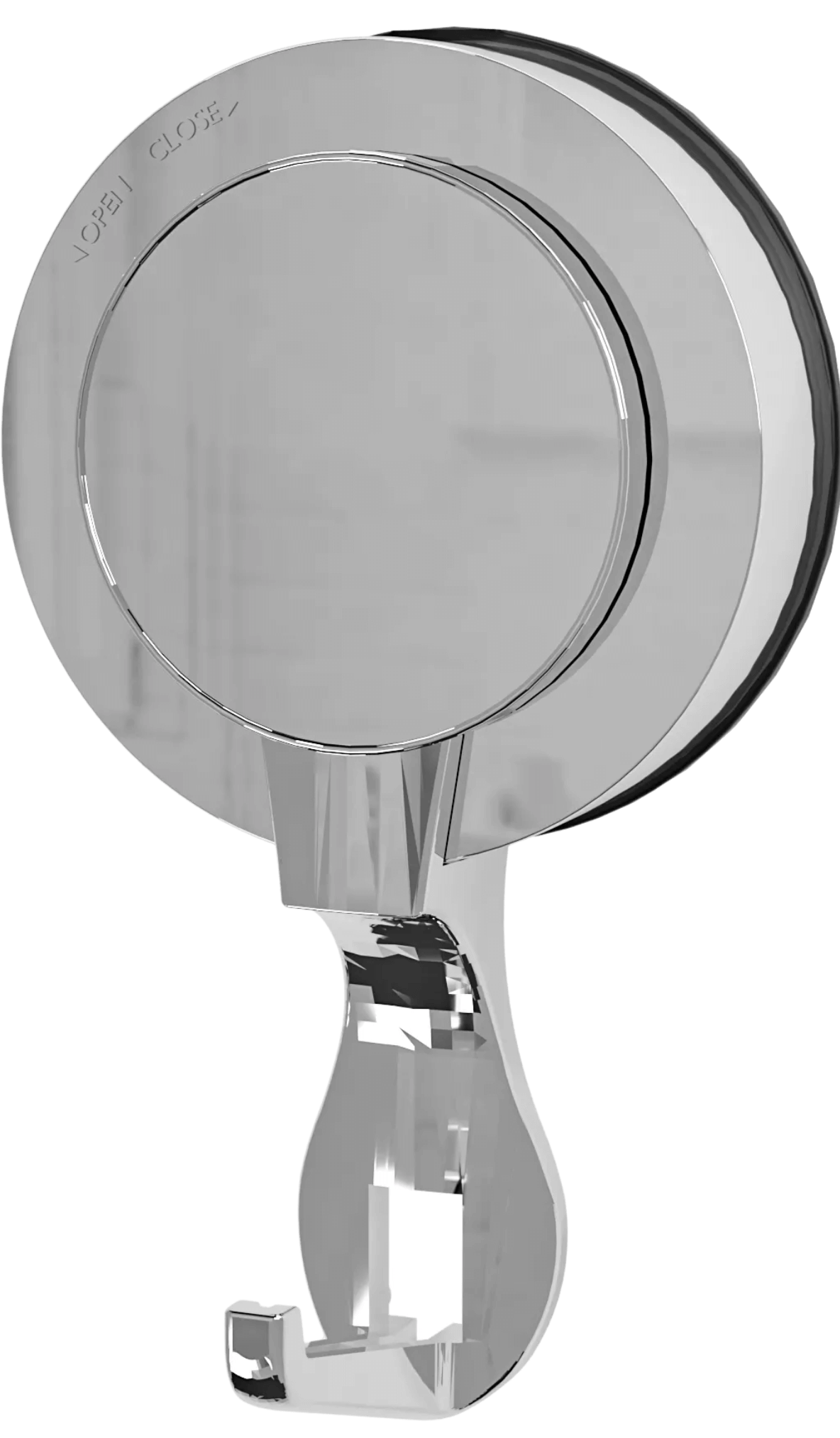
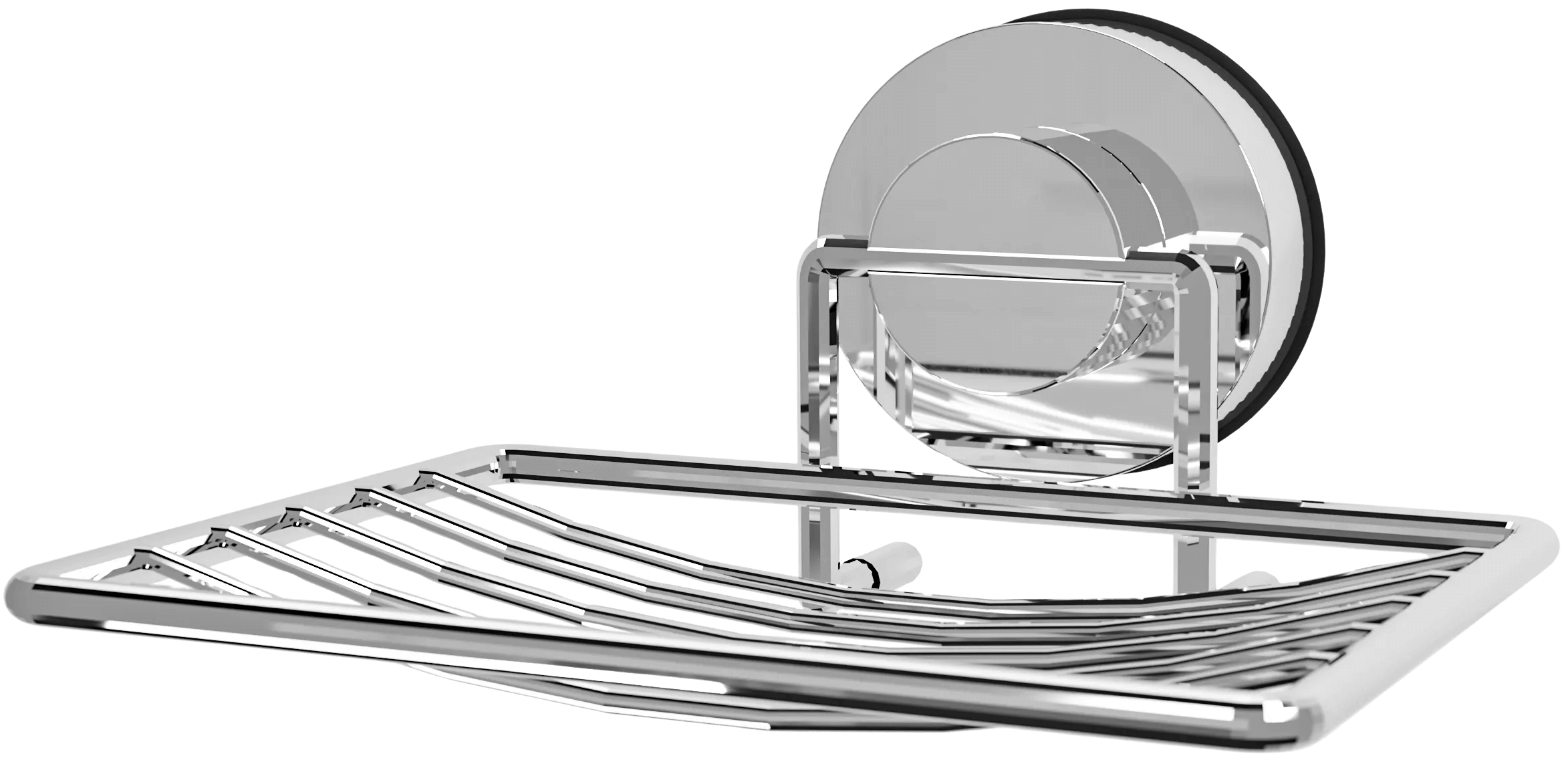
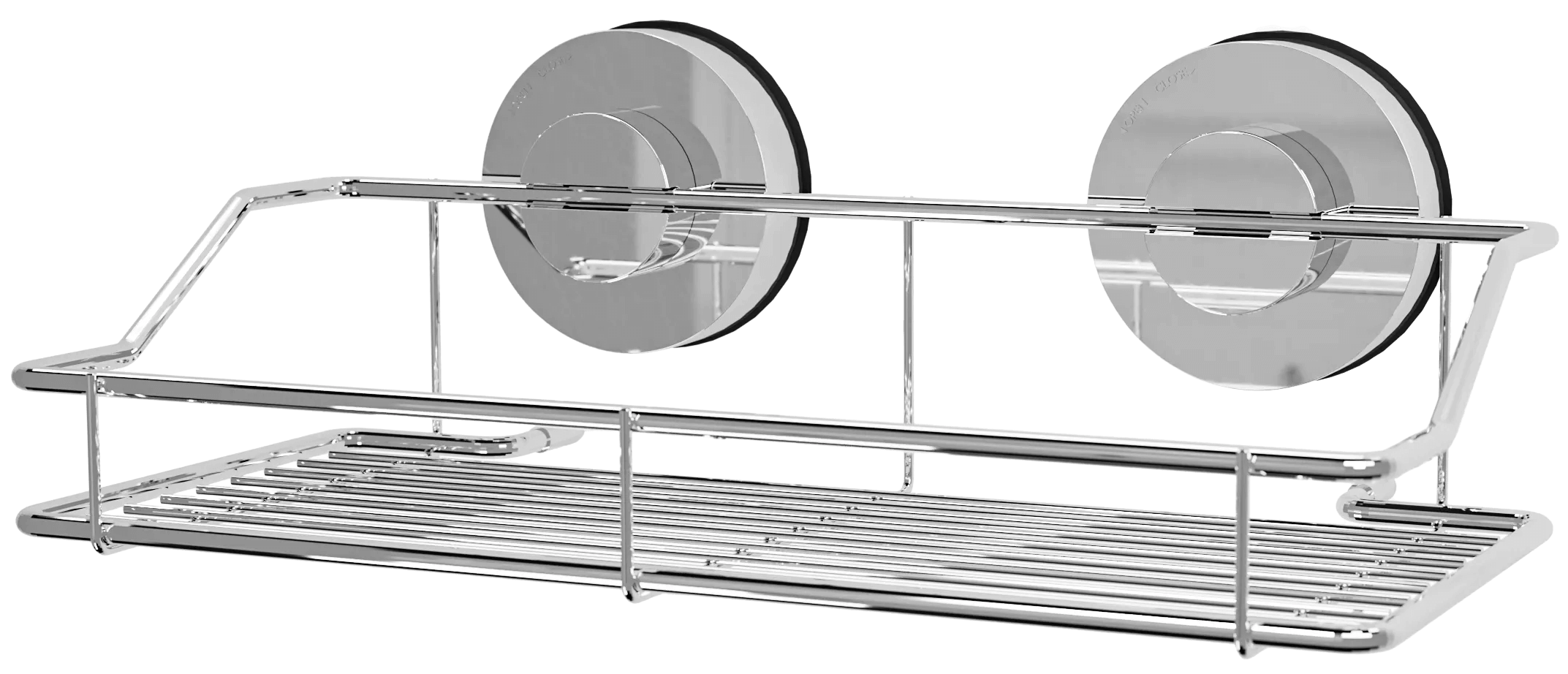
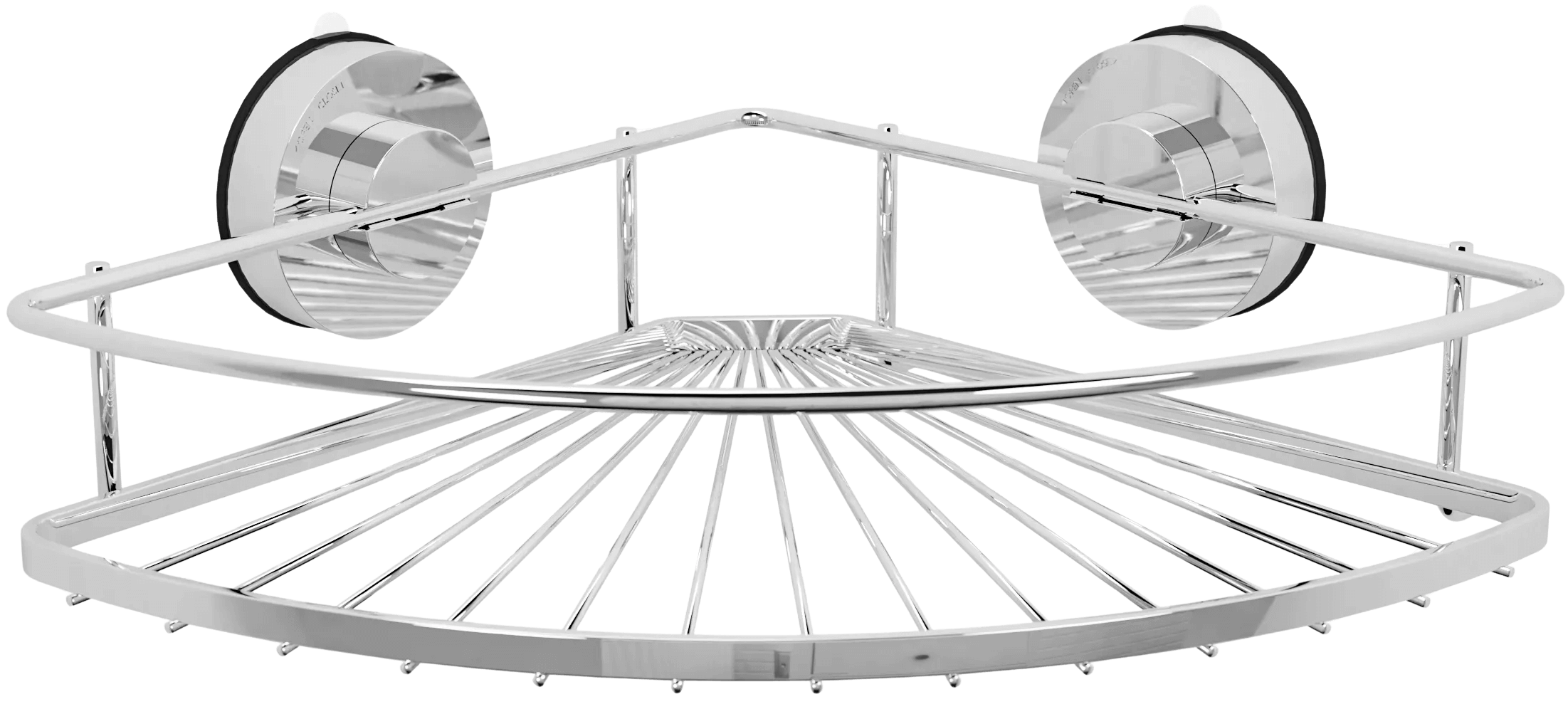
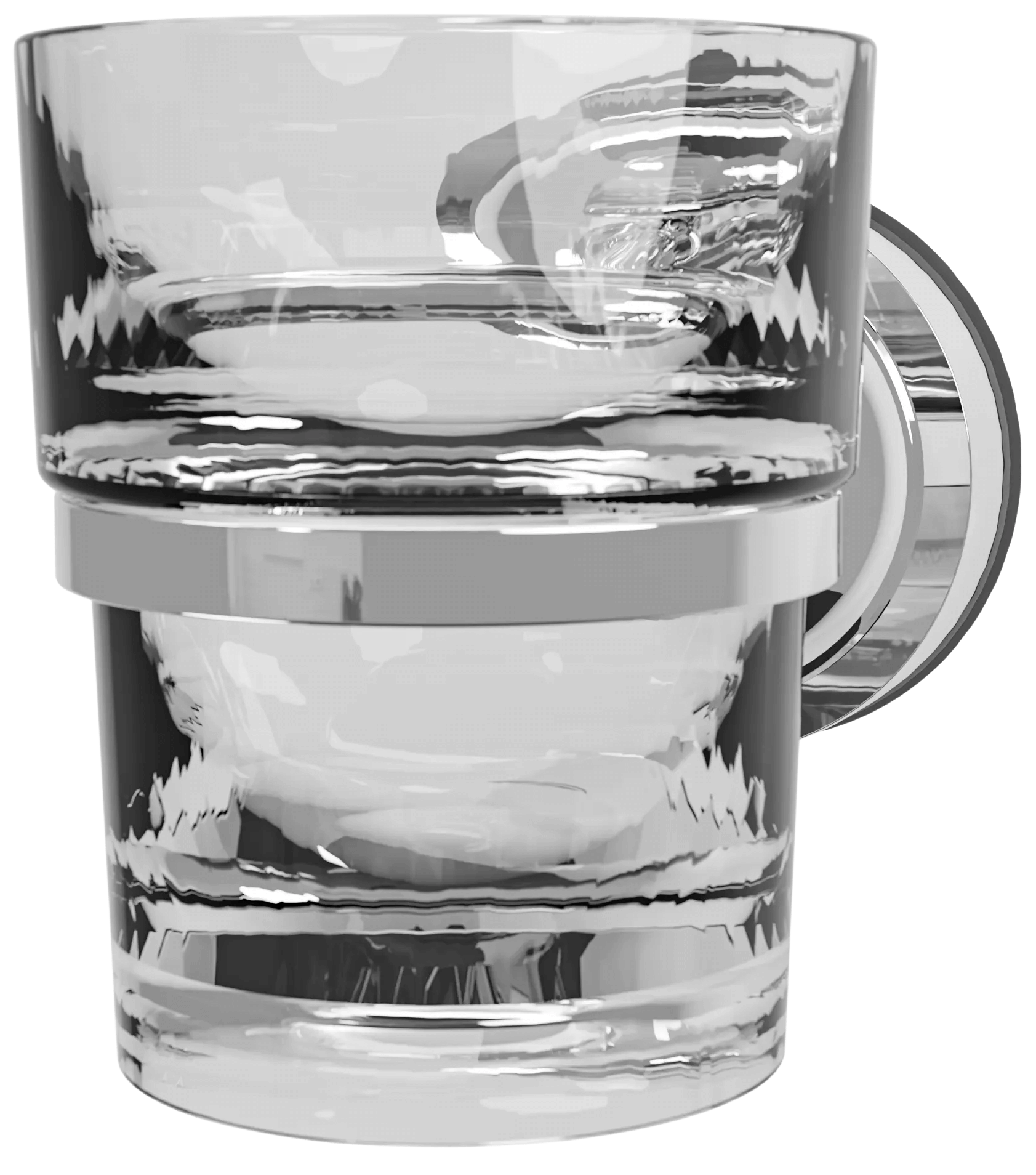
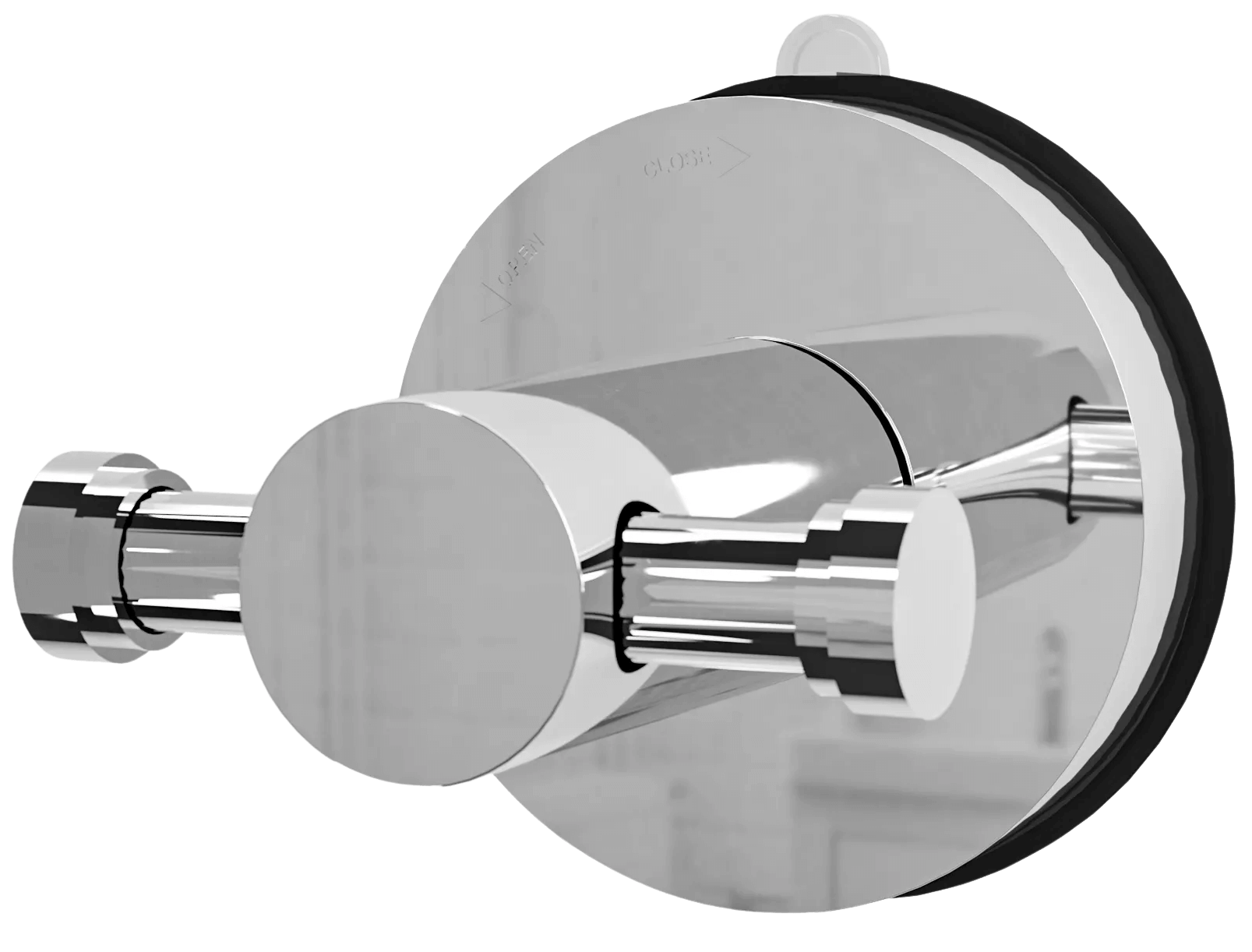

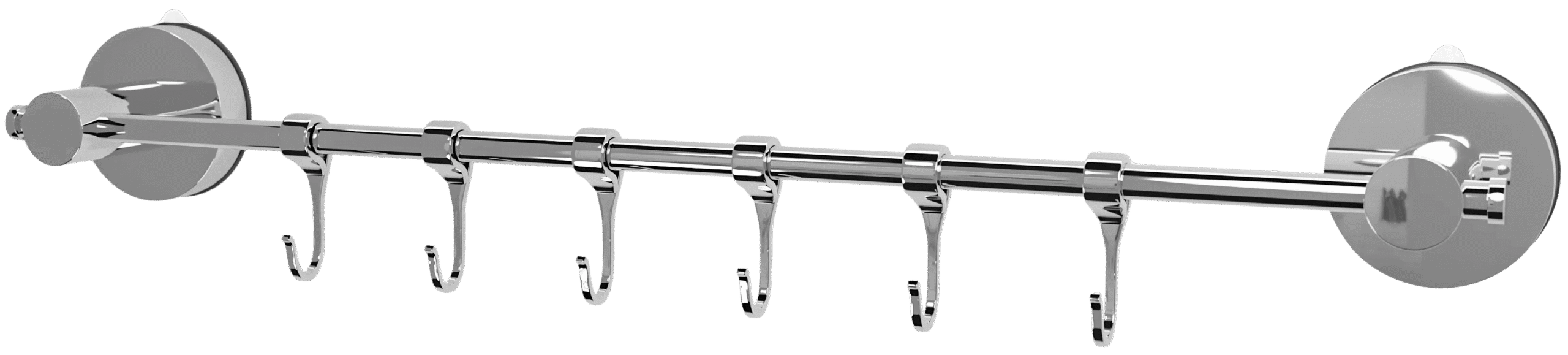
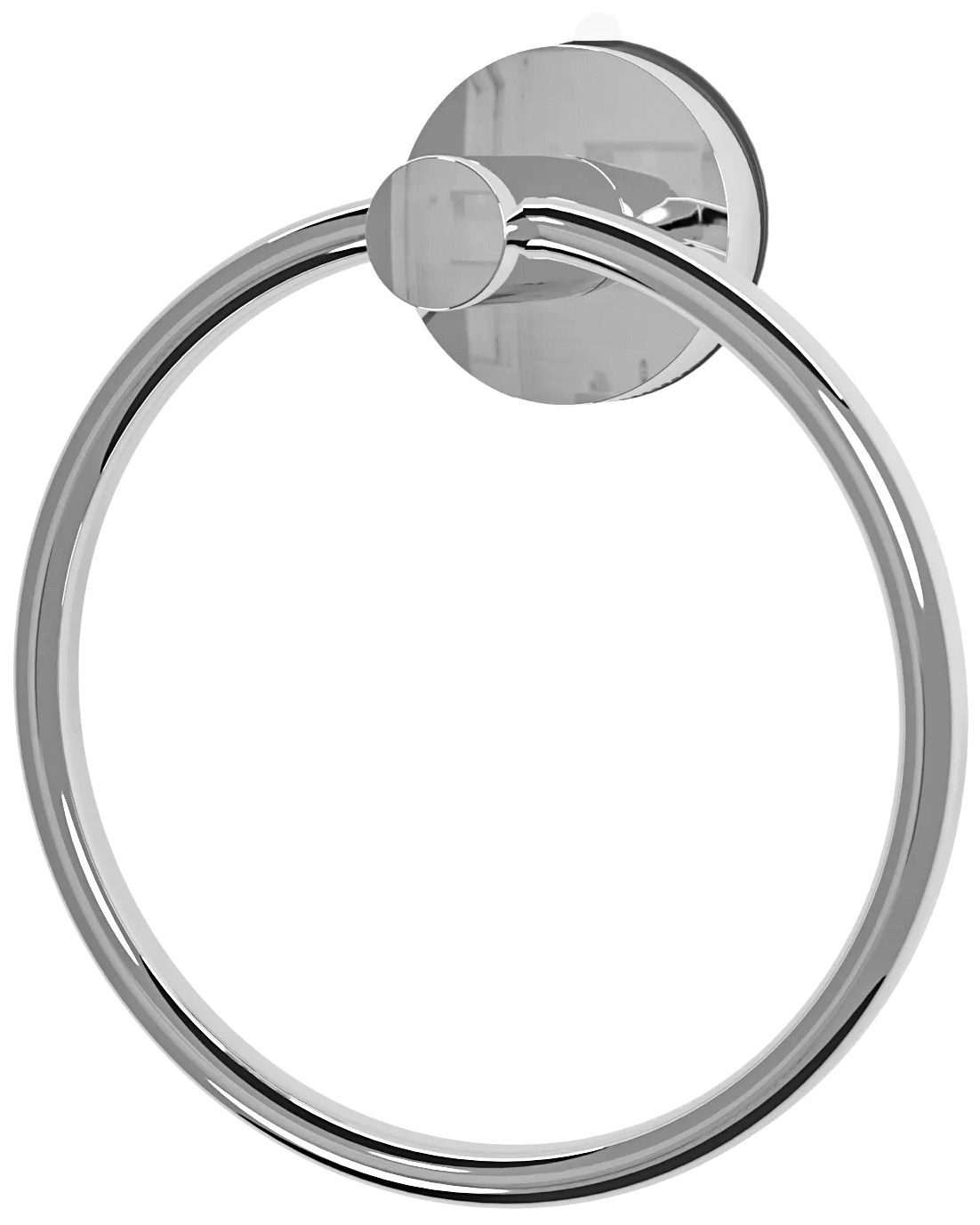
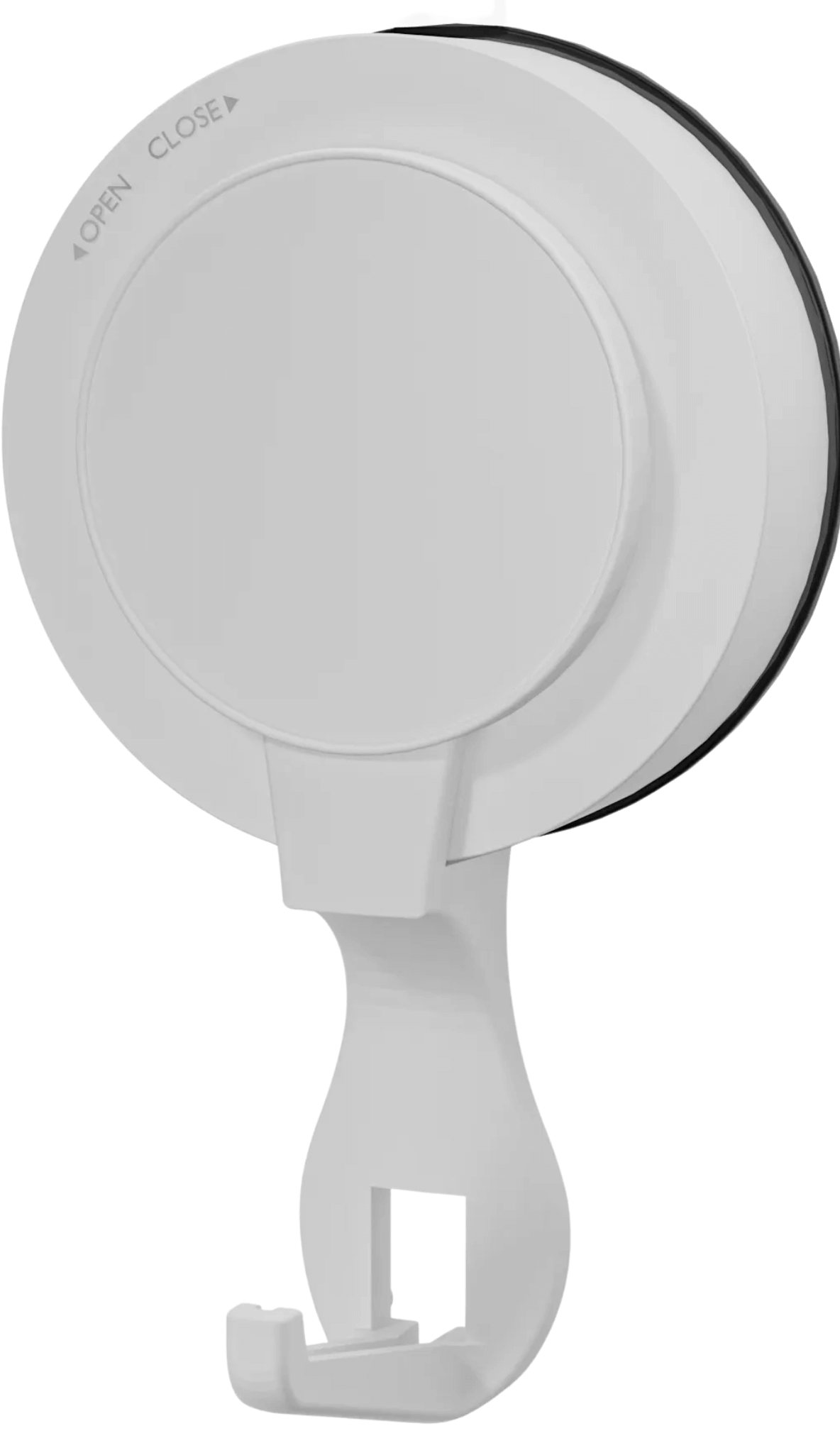
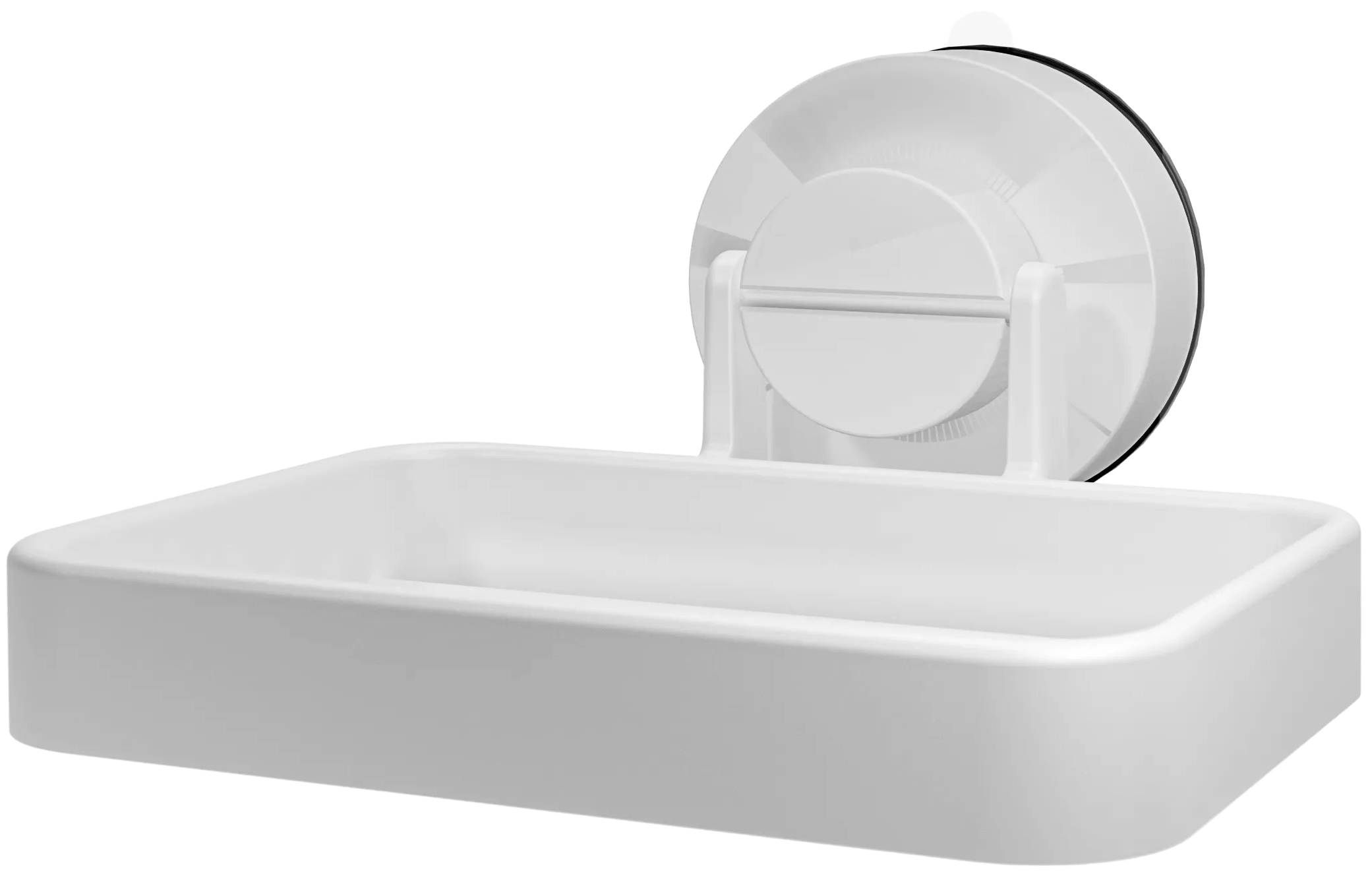
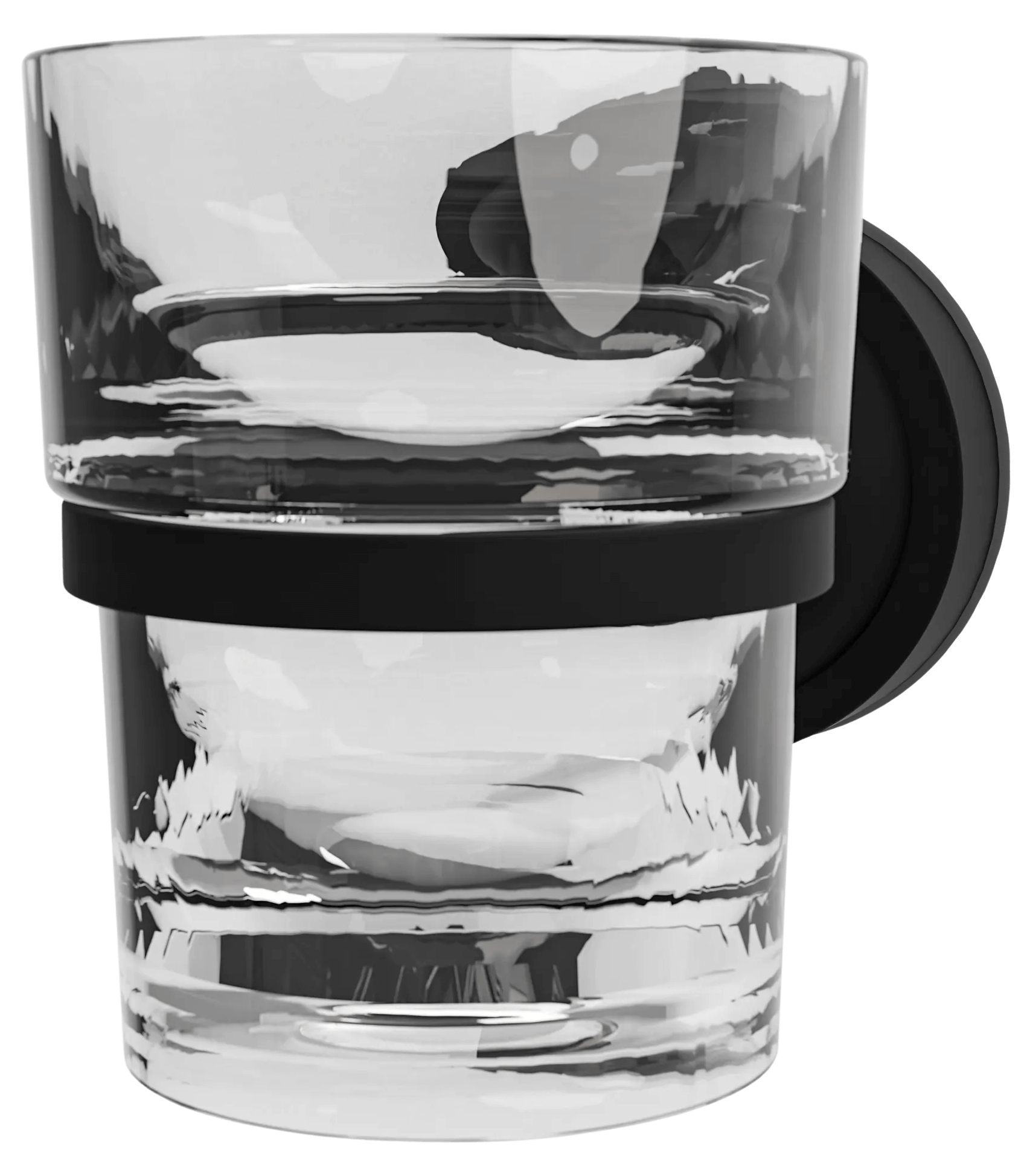
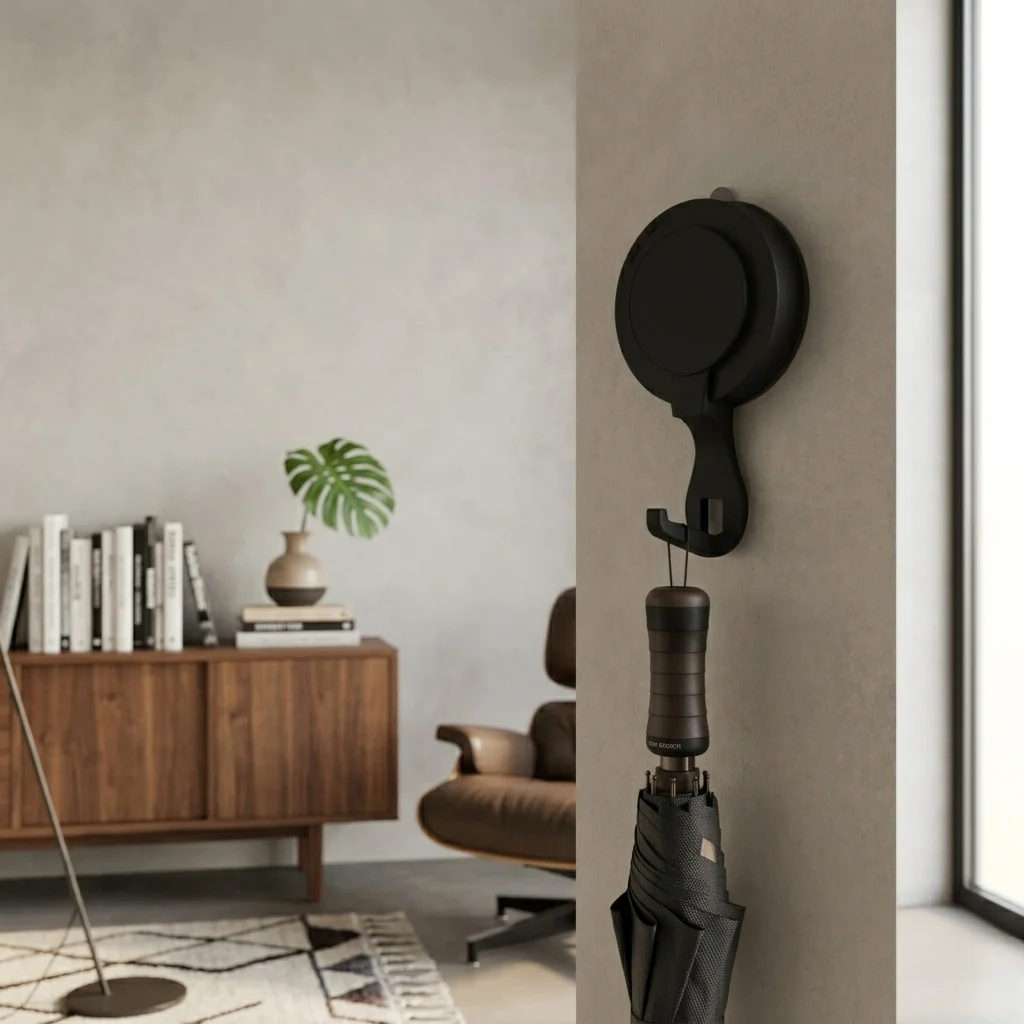
Discover 5 smart no drilling wall hooks that save your walls, work in rentals, and help you organize without damage. Learn what to buy, where to use them, and how to install them the right way.
If you want to hang things without drilling holes, you’re in the right place. This guide from breaks down five smart no-drilling wall hooks that save your walls, explains how to choose the right one, and shows you how to avoid the common mistakes that make adhesive hooks fail.
Why no-drill hooks matter
Drilling is not always the answer. In rented homes, painted walls, tiles, glass, and cabinets, a bad hole can cost more than the hook itself, while damage-free adhesive products are designed to hold strongly and remove cleanly.
That is why no drilling wall hooks are popular with renters, dorm residents, and anyone who wants a cleaner, faster setup. Think of them like the “peel-and-stick” version of home organization: simple, neat, and much less risky than bringing out a drill.
The hidden wall problem
Most people do not realize the real cost of a “quick” drilled hook. You may need filler, paint, sanding, and time, and the wall still may not look perfect afterward. For small jobs like hanging towels, keys, loofahs, cables, or lightweight décor, drilling is often overkill.
Adhesive hooks solve that problem by giving you tool-free mounting and clean removal on suitable surfaces such as painted walls, tiles, glass, and wood. The key is choosing the right hook for the right weight and surface.
What makes a hook smart
A smart no drilling wall hook is not just sticky. It should combine strong hold, easy installation, clean removal, and surface versatility. The best options also make it easier to organize daily-use items in the bathroom, kitchen, bedroom, or entryway.
In simple terms, the smartest hook is the one that disappears into your routine. You stick it once, hang what you need, and forget about it until you want to move it.
5 smart hooks
1. Command Clear Small Wire Hooks
These are a strong choice when you want a hook that blends into the wall. Command says its hooks and strips hold strongly, remove cleanly, and work on smooth surfaces like painted walls, tiles, glass, and wood.
Use them for keys, lightweight accessories, small hand towels, measuring spoons, or decorative items. They are ideal when the goal is a clean look rather than a visible utility hook.
2. Command Medium Utility Hooks
If you need a more practical all-rounder, utility hooks are a smart pick. Command’s medium utility hooks are designed for everyday household use, and the brand highlights their strong hold and damage-free removal.
These are especially useful in kitchens, bathrooms, laundry corners, and closets. Think towels, robes, utensils, bags, and organizers that need more support than a tiny hook can offer.
3. Picture Hanging Strips
For frames and light wall décor, hanging strips are often better than a traditional hook. Command notes that its picture hanging strips are made for décor and can handle slim frames while still removing cleanly later.
This matters because many people use the wrong product for artwork. A picture hanging strip is like a seatbelt for frames: it gives secure support while keeping the wall intact.
4. Heavy-duty adhesive wall hooks
For slightly heavier household items, heavy-duty adhesive hooks from India-based marketplaces are common and often sold as waterproof, reusable, or non-marking options. Many of these are marketed for bathrooms and kitchens, which tells you where they are most often used.
Use caution here: product claims vary widely, so always check the stated load capacity and surface type. A hook that says “heavy duty” is not automatically better unless the adhesive quality and wall compatibility are solid.
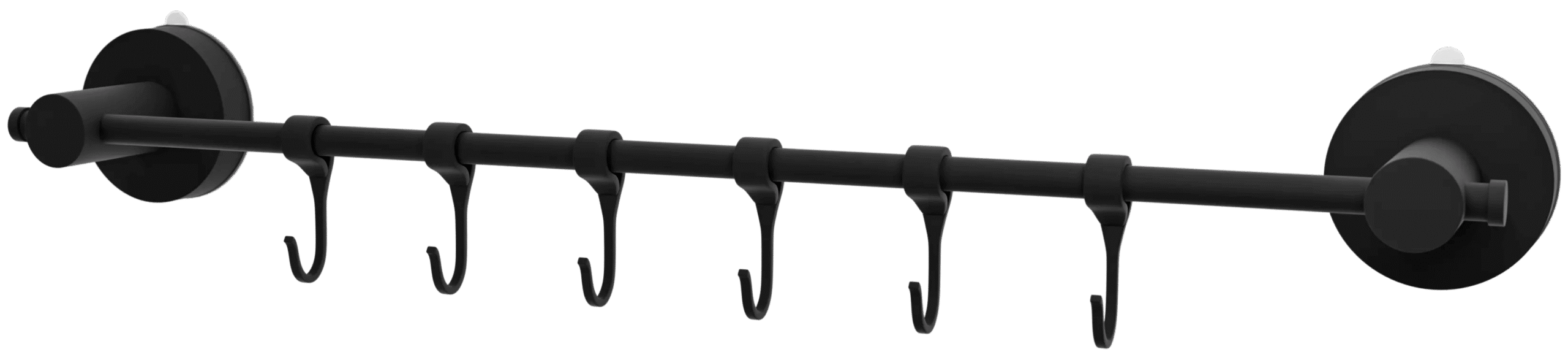
5. Multi-hook adhesive strips
When you want to organize multiple small items in one spot, a multi-hook strip can be better than several single hooks. Marketplace listings show packs of 5 or more hooks designed for no-drill hanging and space-saving storage.
These work well in compact spaces like entryways, bathroom walls, utility corners, and pantry zones. If you are trying to maximize every inch of wall space, a multi-hook setup usually gives the best value.
Best room by room
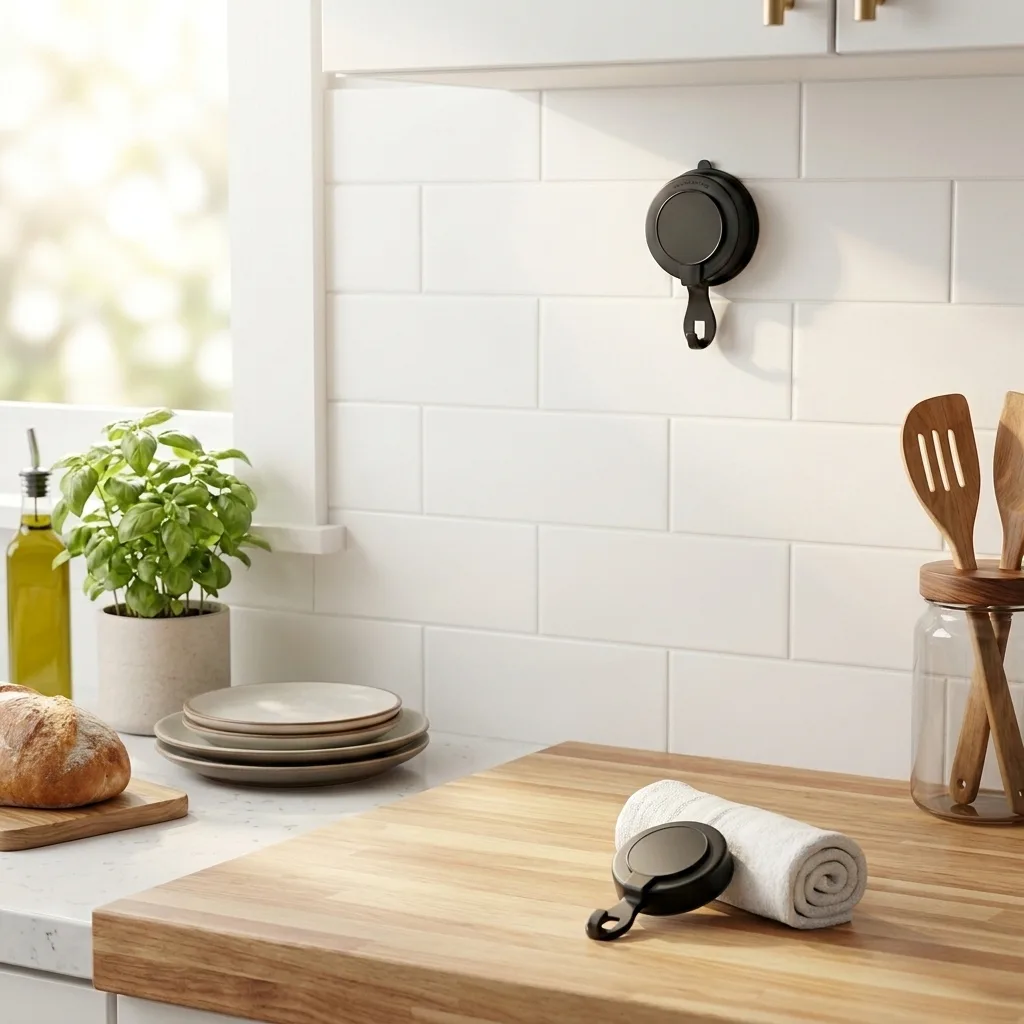
In bathrooms, choose hooks that are moisture-friendly and designed for smooth surfaces, because humidity can stress weak adhesive. In kitchens, utility hooks work well for utensils, towels, and small tools. In bedrooms and entryways, clear hooks or decorative hooks are better when appearance matters as much as function.
For glass, tile, and polished surfaces, adhesive hooks tend to perform better than on rough or dusty walls. That is why surface prep matters almost as much as the hook itself.
How to install right
Here is the simple installation checklist that prevents most failures:
- Clean the wall with a dry or lightly damp cloth.
- Let the surface fully dry.
- Check the weight limit on the package.
- Press the hook firmly for the recommended time.
- Wait before loading it, because Command says to allow bonding time before use.
A good rule is this: adhesive hooks are like good coffee filters—they work best when you do the prep properly. If the wall is dusty, greasy, or uneven, the bond weakens fast.
Common mistakes
The biggest mistake is using a hook above its weight rating. The second is putting it on textured, dirty, or damp surfaces. The third is removing it the wrong way, which can cause wall damage even with damage-free products.
Another mistake is expecting one hook type to do every job. A tiny clear hook and a heavy-duty utility hook are not interchangeable, just like a teaspoon and a ladle are not the same tool.
Practical examples
A renter can use clear hooks near the door for keys and masks without leaving holes. A family can place utility hooks in the bathroom for towels and robes. A home office can use adhesive hooks to manage cables, chargers, or light bags without drilling into a finished wall.
This is where no-drill hooks shine: they reduce friction. You solve a small problem in minutes instead of turning it into a mini renovation project.
Advanced tips
If you want better performance, match the hook to the surface first and the item second. Smooth tile and glass usually give better results than dusty paint or rough plaster. For bathrooms, choose waterproof or moisture-resistant models when available.
Also, spread weight across multiple hooks when possible. Two well-placed hooks can often do a safer job than one overloaded hook.
Buyer checklist
Before buying, ask yourself these questions:
- Is the surface smooth enough for adhesive?
- What is the real weight of the item?
- Do I need a clear, decorative, or utility look?
- Will humidity or heat affect the location?
- Do I need one hook or a multi-pack?
If you can answer those five questions, your odds of success go up sharply. That is the difference between a smart purchase and a frustrating return.
EEAT signals
This article is based on product guidance from Command/3M India and product listings that show how these hooks are positioned for damage-free hanging, tool-free installation, and use on smooth surfaces. It also reflects common consumer-use cases such as bathrooms, kitchens, bedrooms, and renter-friendly wall organization.
A useful SEO note: your content performs better when it answers what people actually want, not just when it repeats a keyword. That is why this article focuses on practical use, mistakes, and selection advice rather than only listing products.
FAQ
1. Do no-drilling wall hooks really damage walls?
Good-quality adhesive hooks are designed to remove cleanly with minimal damage when used correctly, but poor removal or misuse can still damage paint or plaster.
2. Can I use them on bathroom tiles?
Yes, smooth tile is one of the better surfaces for adhesive hooks, especially when the area is clean and dry before installation.
3. How much weight can they hold?
It depends on the exact product. Always follow the package rating because “heavy duty” is not a fixed standard across brands.
4. Are they good for renters?
Yes, renters often prefer them because they help avoid holes, patching, and repainting.
5. What is the best use for them?
The best uses are keys, towels, robes, accessories, light décor, utensils, and other everyday items that do not justify drilling.
Conclusion
If you want a fast, clean, renter-friendly way to organize your space, no drilling wall hooks are an easy win. The smartest choice is the one that fits your wall, your weight needs, and your room use case, and that is exactly what this guide is built to help you do.