





The living room is usually the first space you truly “feel” in a new home it’s where you drop on the sofa after a long moving day, welcome guests, or binge your favorite series. Getting the furniture and accessories right from the beginning can make the whole house feel warm, functional, and like it belongs to you.
Instead of buying everything at once and regretting it later, this guide walks you through what you really need, what’s nice to have, and how to choose pieces that suit your lifestyle, budget, and space.
Start With a Plan, Not a Purchase
Understand Your Space and Lifestyle
Before opening any shopping app, spend time in the empty room if you can.
- Measure the room (length, width, and ceiling height) and note window and door positions.
- Visualize how you’ll use the room: mostly TV time, entertaining guests, kids’ play, or work-from-home.
- Identify the focal point: TV wall, balcony view, large window, or statement wall.
Your living room furniture will feel right only if it supports your everyday routines, not just a Pinterest image.
Prioritize by Phases
You don’t need everything in week one. Many designers suggest furnishing in phases:
- Phase 1: Essentials – seating, basic lighting, and somewhere to put things down.
- Phase 2: Storage – TV unit, shelves, cabinets.
- Phase 3: Accessories – rugs, cushions, art, decor.
This approach protects your budget and gives you time to understand what the room actually needs.
Absolute Must-Haves – Core Living Room Furniture
Sofa or Primary Seating
The sofa is usually the hero of the living room.
Consider:
- Size: Leave comfortable walking space around it (ideally 60–90 cm pathways).
- Style: Sectional for families, 3‑seater + chairs for flexible layouts, loveseat for small rooms.
- Fabric: Easy‑clean materials if you have kids, pets, or plan to eat on the sofa.
If budget is tight, start with one good quality sofa rather than multiple cheap pieces.
Coffee Table or Center Table
A coffee table is more than just a place for tea cups it anchors the seating area.
- Rectangular or oval suits longer rooms, round suits compact or square spaces.
- Look for storage options (shelves or drawers) if you’re short on space.
- Make sure there’s enough clearance to move around comfortably.
If your room is really small, two nesting tables or an ottoman with a tray can double as a coffee table.
TV Unit or Media Console
If you plan to have a TV, a media unit keeps things tidy.
- Choose a unit that’s slightly wider than your TV for balance.
- Look for closed storage for wires, remotes, gaming consoles, and Wi‑Fi equipment.
- Wall‑mounted units or floating consoles free up floor space in smaller rooms.
Even if you don’t watch much TV, a console can hold decor, books, or a music system.
Helpful Seating Add-Ons
Accent Chairs
Accent chairs add extra seating and personality.
- Place one or two near the sofa to create a conversation zone.
- Choose a style that complements, not copies, the sofa—similar tones, different shape or texture.
- Lightweight chairs are easier to move when hosting guests.
These are great if you entertain often or want a cosy reading spot by a window.
Ottomans, Poufs, and Benches
Smaller seating pieces can quietly solve several problems at once.
- Ottomans: extra seating, footrest, or makeshift coffee table with a tray.
- Poufs: flexible seats for kids or casual get‑togethers.
- Benches: great behind a sofa, under a window, or near the entrance as a shoe‑on spot.
Storage ottomans are especially handy in apartments for hiding blankets, toys, or cushions.
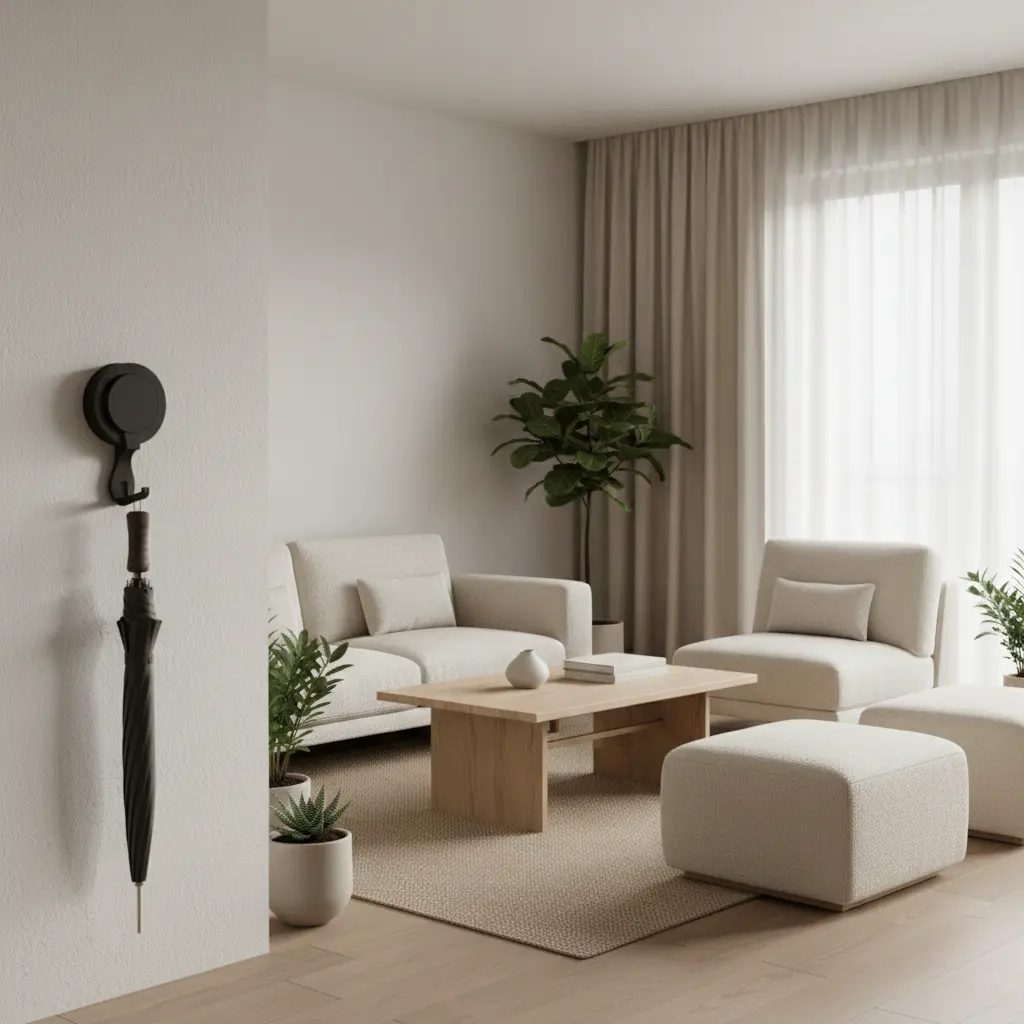
Essential Surfaces – Side Tables and Consoles
Side Tables and End Tables
Side tables make the room more usable and comfortable.
- Place them at arm height so you can easily reach a cup, phone, or book.
- One on either side of the sofa, or between chairs, is usually enough.
- Choose sturdy bases so they don’t wobble when bumped.
A small room might only need one good side table paired with a coffee table.
Console Table or Entry Table
If your living room connects to the main entrance, a console can act as a gentle “welcome zone”.
- Use it for keys, mail, a lamp, and a small tray for everyday items.
- Add a mirror above it to bounce light and make the room feel larger.
This small piece can help the whole home feel more organized from day one.
Storage Pieces You’ll Be Grateful For
Bookshelves and Display Units
Storage doesn’t have to be boring; it can be beautiful as well.
- Open shelves: good for books, photos, plants, and curated decor.
- Closed cabinets: better for board games, chargers, paperwork, or anything visually messy.
- Ladder shelves: compact and stylish for smaller living rooms.
Try to keep some breathing space on shelves instead of filling every inch.
Sideboard, Cabinet, or Crockery Unit
If your dining area is connected to the living room, a sideboard or cabinet is extremely useful.
- Store dinnerware, table linen, extra glasses, and serving bowls.
- The top can double as a decor surface or even a buffet during parties.
This piece quietly supports both living and dining functions in open‑plan homes.
Lighting Checklist – Layers, Not Just One Tube Light
Overhead Lighting
Most homes come with a basic ceiling light, but it often feels harsh.
- Consider a statement pendant or a simple ceiling fixture that matches your style.
- If you live in a rental, you can still upgrade bulbs to warmer tones.
Overhead lighting should brighten the room but not be your only source.
Floor Lamps and Table Lamps
Soft, layered lighting is what makes a living room feel cozy at night.
- Floor lamps: great for corners, behind the sofa, or next to a reading chair.
- Table lamps: perfect on side tables, consoles, or shelves for a warm glow.
Plan for at least two additional light sources apart from the main ceiling light.
Textiles That Make It Feel Like Home
Area Rug
A rug can instantly pull the room together and make it feel finished.
- Size: ideally big enough so front legs of the sofa and chairs sit on it.
- Texture: choose something comfortable underfoot but easy to maintain.
- Colour/pattern: hide stains in busy family rooms or choose calm neutrals for a serene vibe.
Even in rentals with plain floors, a rug can change everything.
Curtains, Cushions, and Throws
Soft furnishings are where you add warmth and personality.
- Curtains: help control light, heat, and privacy; go floor‑length to make ceilings feel higher.
- Cushions: mix sizes, textures, and a few colours that link back to your rug or artwork.
- Throws: add one or two for snuggling on the sofa and for layering visual texture.
You can update the look of the room later just by changing these, without buying big furniture again.
Accessories That Finish the Room
Wall Art, Photos, and Mirrors
Bare walls can make a new home feel temporary; the right pieces make it feel lived‑in and loved.
- Art: choose pieces that make you feel something calm, inspired, nostalgic.
- Photos: frame memories from travels, family, or meaningful moments.
- Mirrors: reflect light, make the room feel larger, and highlight a nice view or corner.
Create one main focal wall instead of hanging something on every wall.
Plants, Candles, and Small Decor
These are the details that make guests say “It feels so cozy here.”
- Plants: real or good‑quality faux greens add life and colour.
- Candles: for evening atmosphere and subtle fragrance.
- Trays, bowls, and books: group small objects so they feel intentional, not cluttered.
Add slowly—too many accessories at once can make even a large room feel crowded.
Sample Checklist – Essentials vs Nice-to-Haves
Must-Have Furniture for Most New Living Rooms
- Sofa or main seating.
- Coffee table or center table.
- TV unit or media console (if you have a TV).
- At least one lamp (floor or table).
- Basic curtains or blinds for privacy.
Nice-to-Have Additions Over Time
- Accent chairs or extra seating.
- Side tables or nesting tables.
- Rugs, cushions, and throws.
- Bookshelves or cabinets.
- Artwork, mirrors, plants, and decor objects.
Use this as a living document—tick off items as you buy, and add personal must‑haves like a bar cart, prayer corner, or reading nook.
Layout and Flow – Making Furniture Work Together
Arrange Around a Focal Point
Most successful living room layouts start by deciding what you want to face: TV, fireplace, window, or main wall.
- Place the sofa facing or flanking that focal point.
- Add chairs to create a U or L‑shape conversation area around a coffee table.
Leave enough space to move around without squeezing between furniture.
Keep Pathways Clear
Think about how you walk through the room from the entrance to other areas.
- Avoid blocking natural paths with bulky furniture.
- Float furniture slightly away from the wall in larger rooms to create a more inviting seating zone.
- Use smaller or modular pieces in compact living rooms to avoid feeling cramped.
A room that’s easy to move through will always feel more comfortable than one packed with furniture.
Budgeting Smartly for Your Living Room
Where to Spend More
Some pieces are worth a little investment because you use them almost every day.
- Sofa: comfort and durability matter a lot.
- Rug: size and quality can change the whole look of the room.
- Lighting: one or two good lights can make budget furniture look premium.
Think cost‑per‑use instead of just the price tag.
Where You Can Save
You can comfortably save on items that are easy to upgrade later.
- Cushions, throws, and smaller decor.
- Side tables, especially simple designs.
- Baskets, trays, and some shelves.
Mixing high and low keeps the room stylish without breaking the bank.
Personalizing the Space
Reflect Your Story, Not Just Trends
A new home is a fresh start, but it should still feel like you.
- Include at least a few items that have a story: heirlooms, travel souvenirs, gifted pieces.
- Combine new furniture with one or two older, meaningful items.
- Choose colours and textures that make you feel calm, energized, or cozy—whatever you need most.
Trends change, but your everyday comfort is what matters.
Create Zones Within the Living Room
If you have space, define small zones:
- TV/entertainment area.
- Reading corner with a chair and lamp.
- Work or study spot with a small desk or console.
Each zone doesn’t need much furniture, just a few clear, thoughtful pieces.
(FAQs) – Living Room Furniture & Accessories
1. What should I buy first for my living room in a new home?
Start with the basics: a comfortable sofa, a coffee or center table, essential lighting, and something for the windows. Once those are in place, you can slowly add storage, extra seating, and decor as you understand how you use the room.
2. How do I choose the right sofa size for my space?
Measure the room and plan for walking space around the sofa, usually at least 60–90 cm paths. In small rooms, consider a compact 2–3 seater or an L‑shaped sectional against a wall to maximise seating without overcrowding.
3. Do I really need a rug in the living room?
You don’t have to, but a rug helps define the seating area, adds comfort, and makes the room look more finished. It also absorbs sound and can cover floors you don’t love in rentals.
4. How many cushions and accessories are too many?
Enough to feel cozy, not enough to make sitting or cleaning difficult. For a standard sofa, 4–6 cushions is usually plenty. Choose a few larger decor pieces over many tiny items to avoid a cluttered look.
5. How can I make my living room look stylish on a budget?
Focus on simple, functional furniture and upgrade the “finishing touches”: cushions, throws, rugs, lamps, and wall art. Keeping a cohesive colour palette and mixing textures can make even budget items look intentional and stylish.
Conclusion – Turning an Empty Room into Your Everyday Haven
An empty living room can feel overwhelming at first, but it’s also a beautiful blank canvas. When you break the process into clear steps plan the layout, invest in key furniture, layer in storage, then add accessories and personal touches the space slowly becomes a reflection of how you live and who you are.
You don’t have to get everything perfect in one weekend. Start with the pieces that support your daily comfort, like a good sofa, table, and basic lighting, and then build from there at your own pace. As you add rugs, cushions, art, and small details that carry your stories, your new house will stop feeling like “a place you moved into” and start feeling like home.