
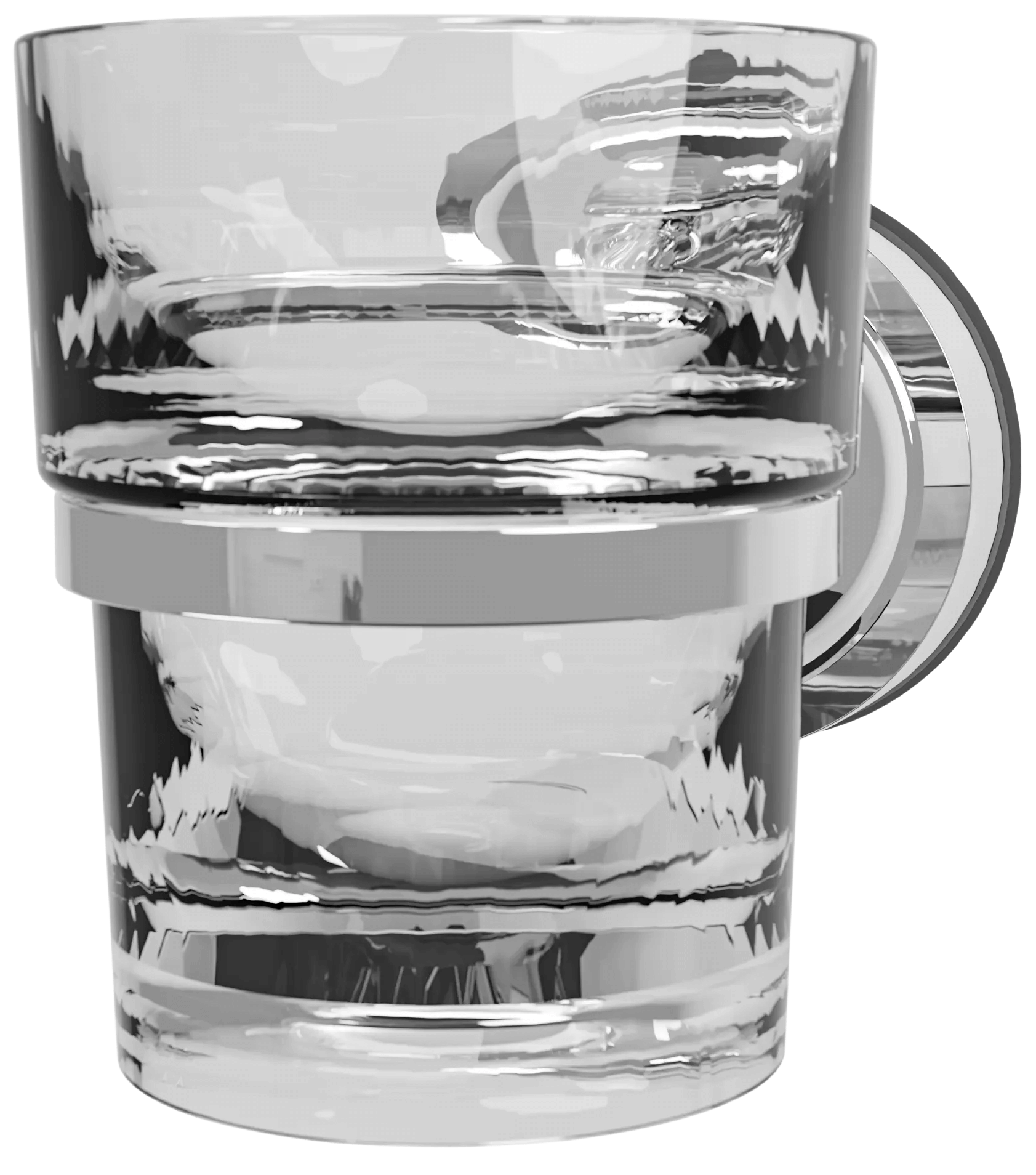

A kitchen sponge holder is one of the most underrated yet essential accessories for any modern kitchen. It keeps your sponge dry, clean, and within easy reach, all while maintaining a neat and organized sink space.
Why You Need a Kitchen Sponge Holder
A sponge holder prevents messy countertops and soggy sponges. When a sponge stays wet, it becomes a breeding ground for bacteria. A well-designed holder allows proper drainage and airflow, keeping your sponge dry and hygienic. It also helps declutter your sink, giving your kitchen a clean, minimalist look.
Different Types of Kitchen Sponge Holders
1. Sink Caddy with Drainage
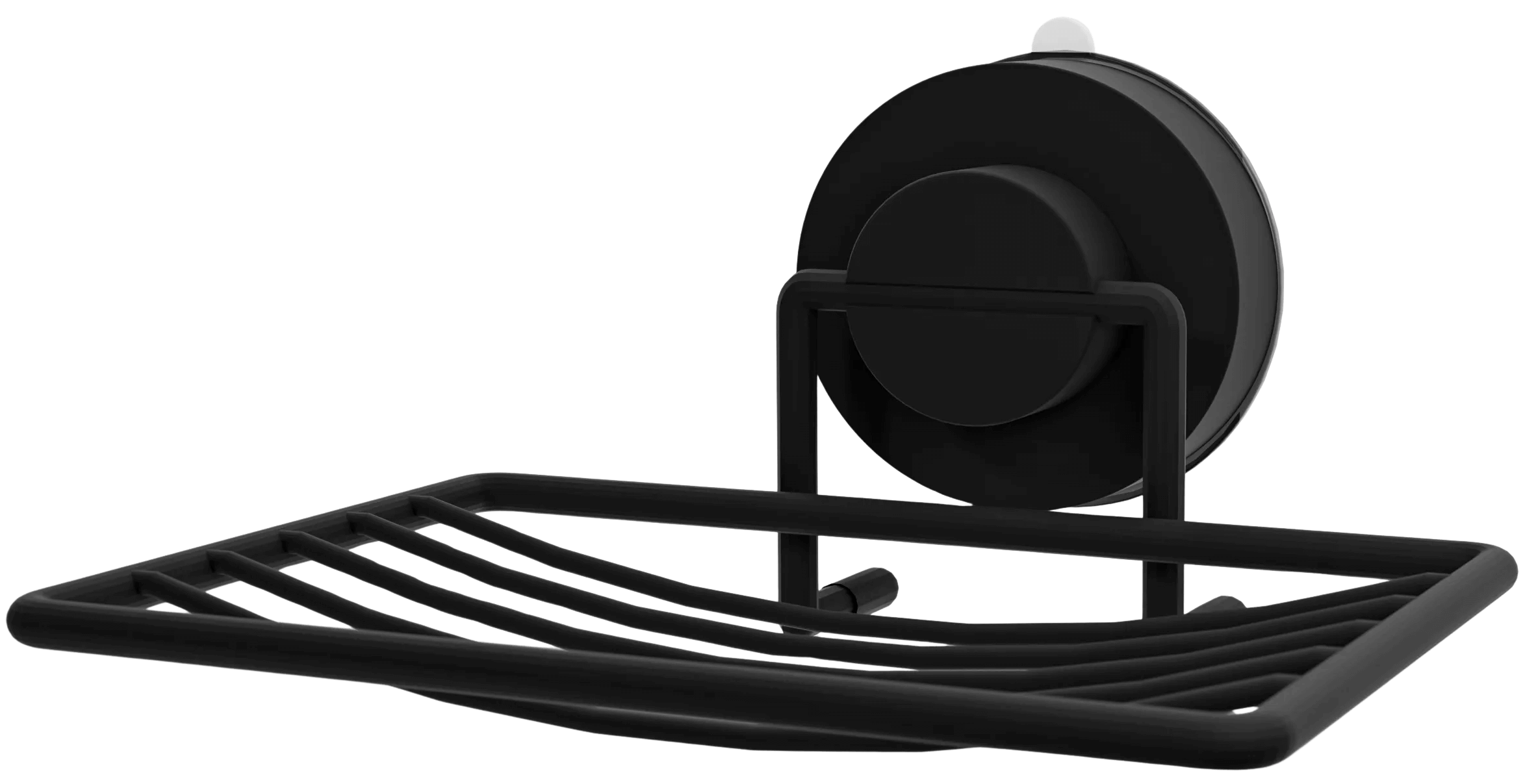
These holders come with built-in holes or trays for easy water drainage. They keep your sponge dry and ready for the next use. Perfect for people who love a clean and odor-free kitchen.
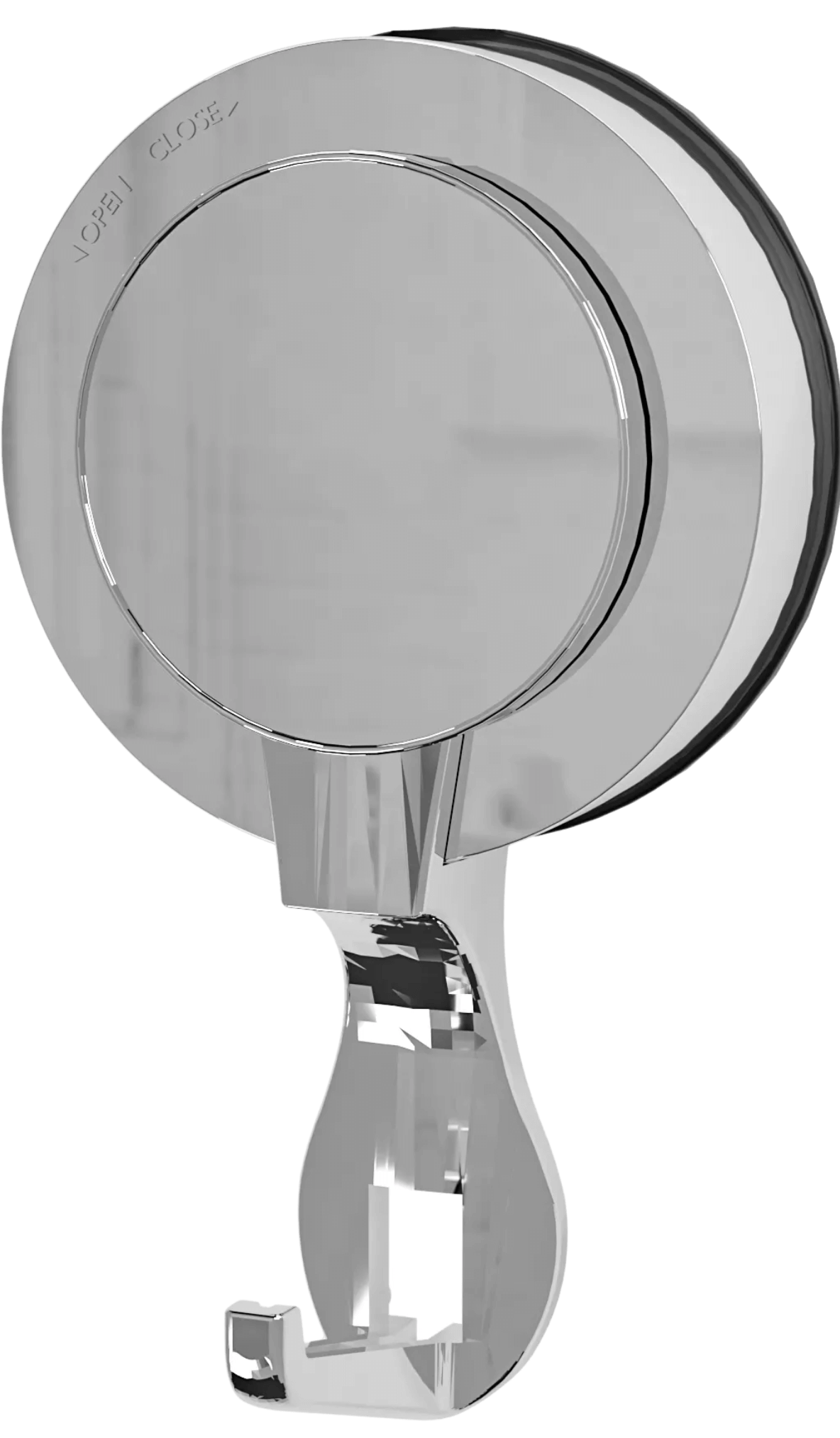
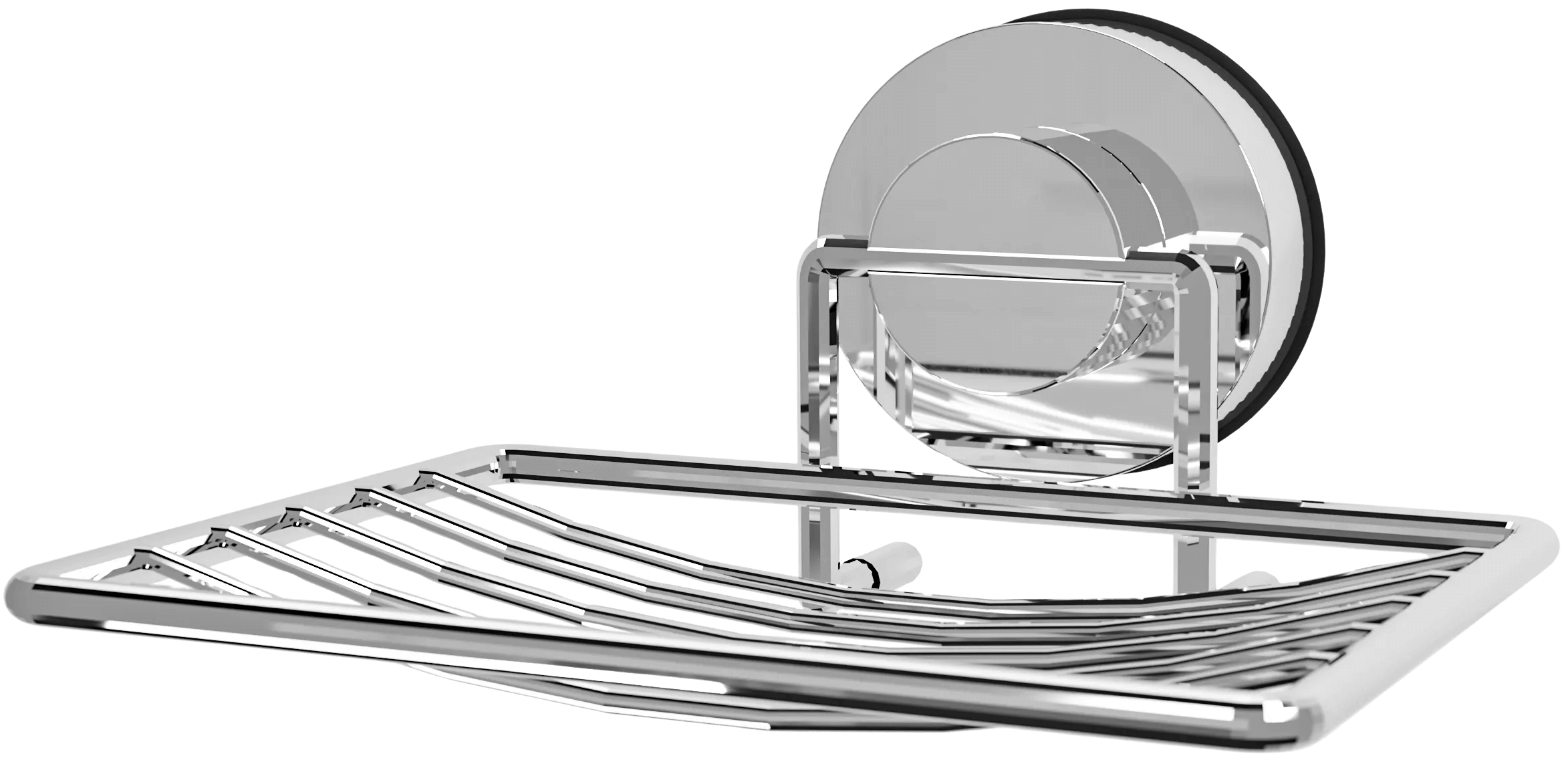
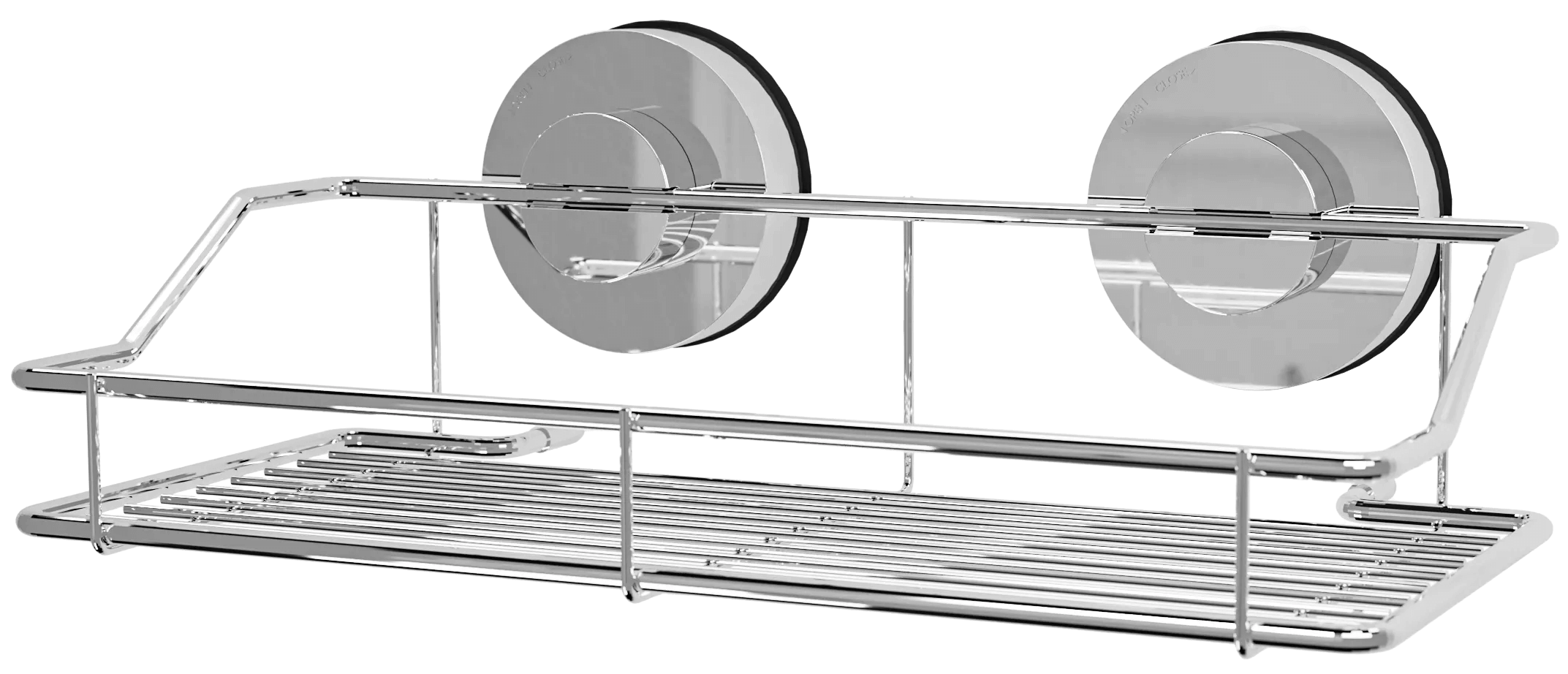
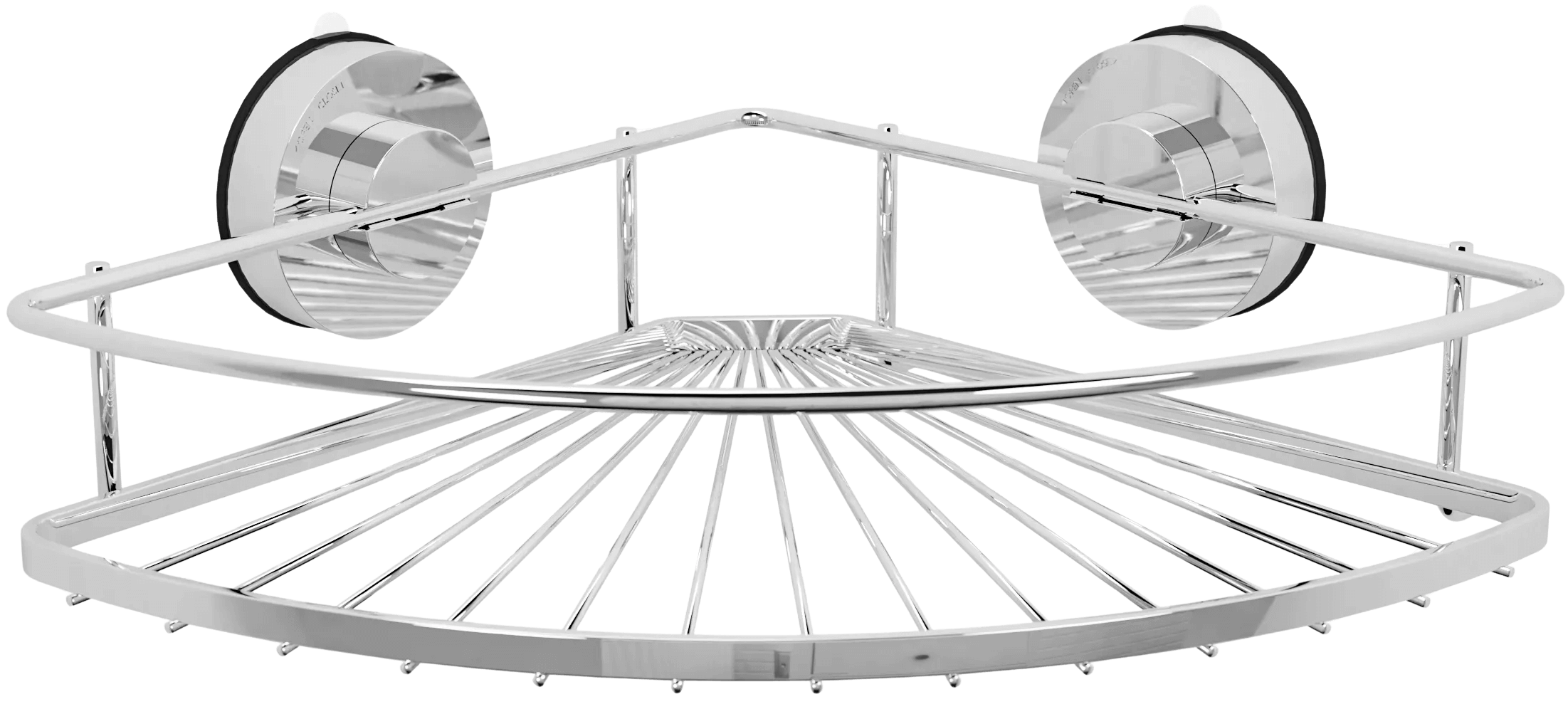
2. Adhesive or Suction Sponge Holder
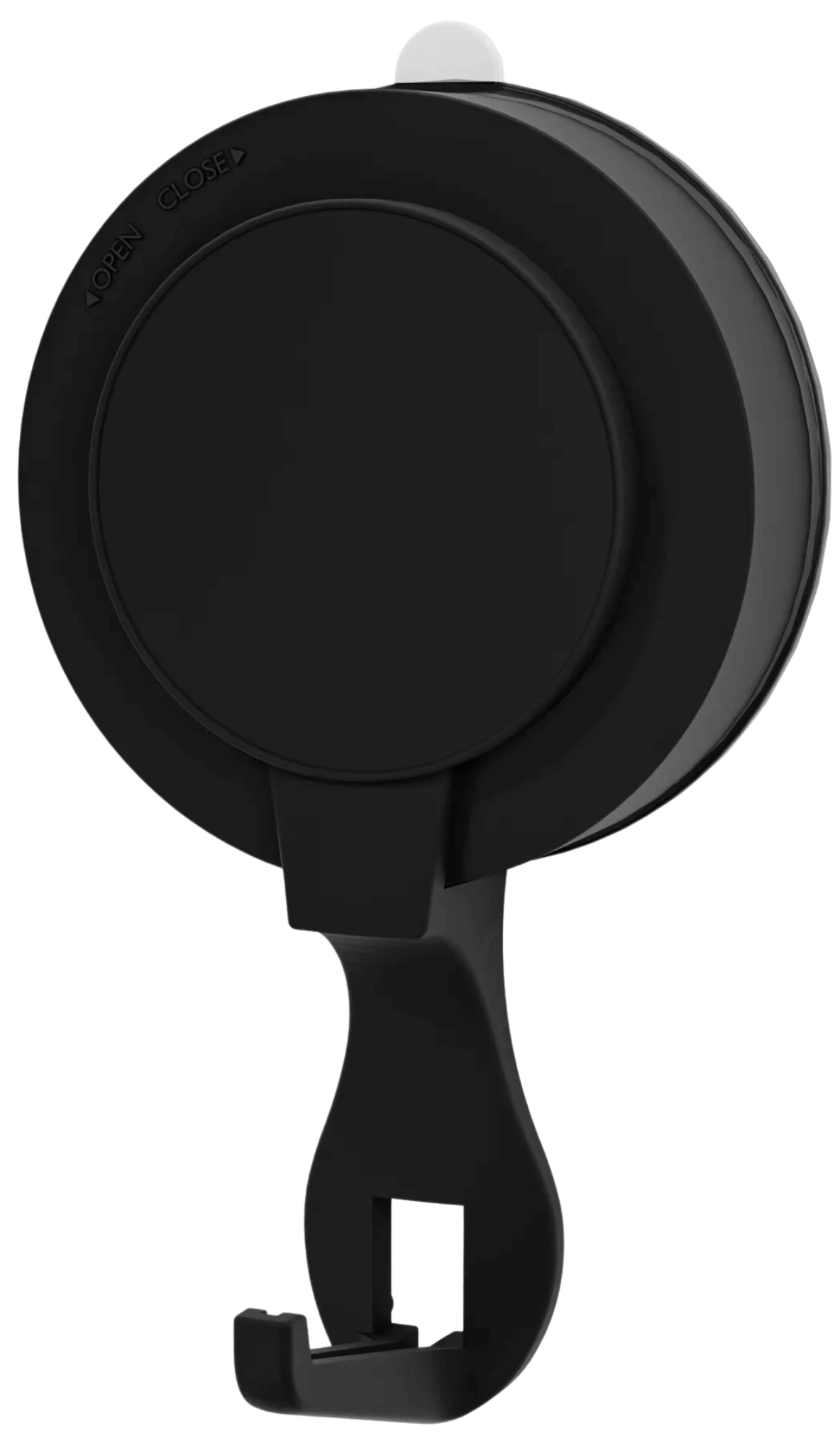
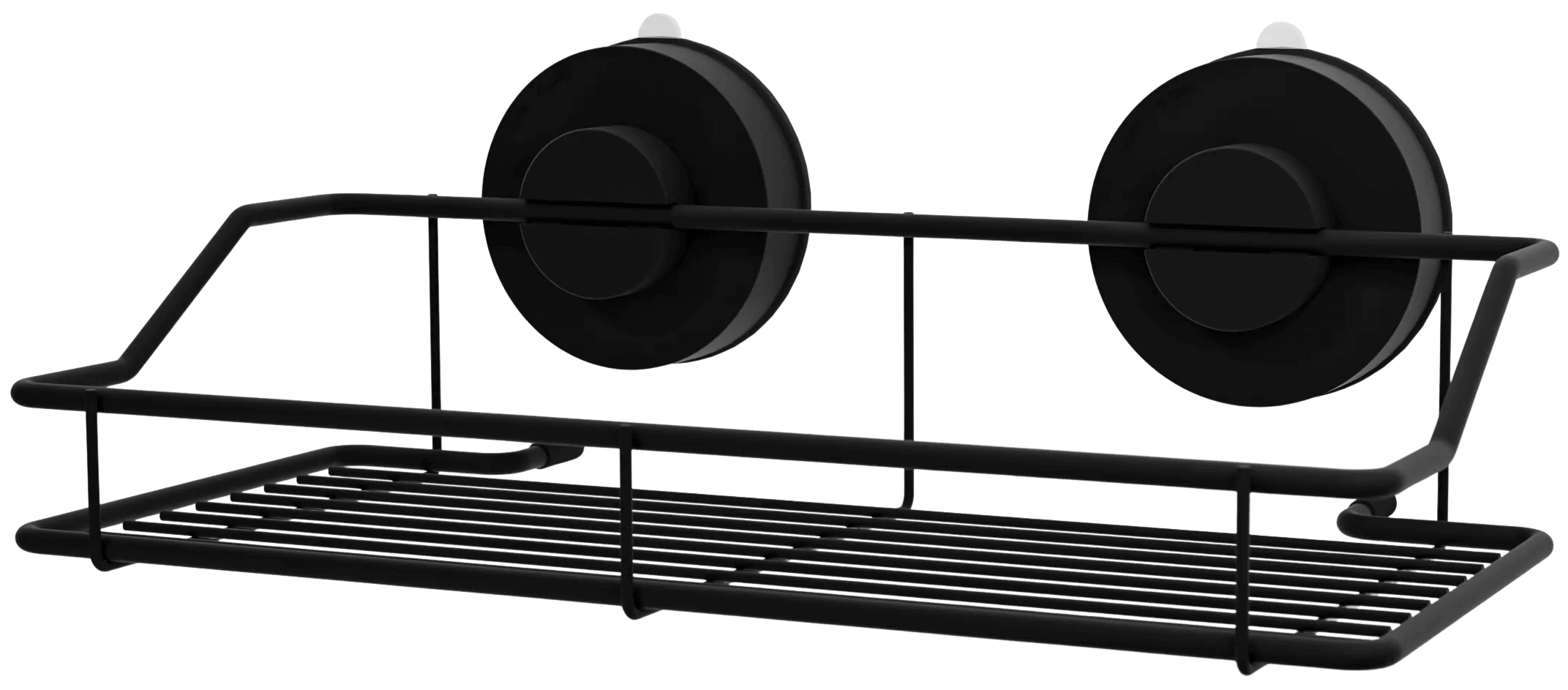
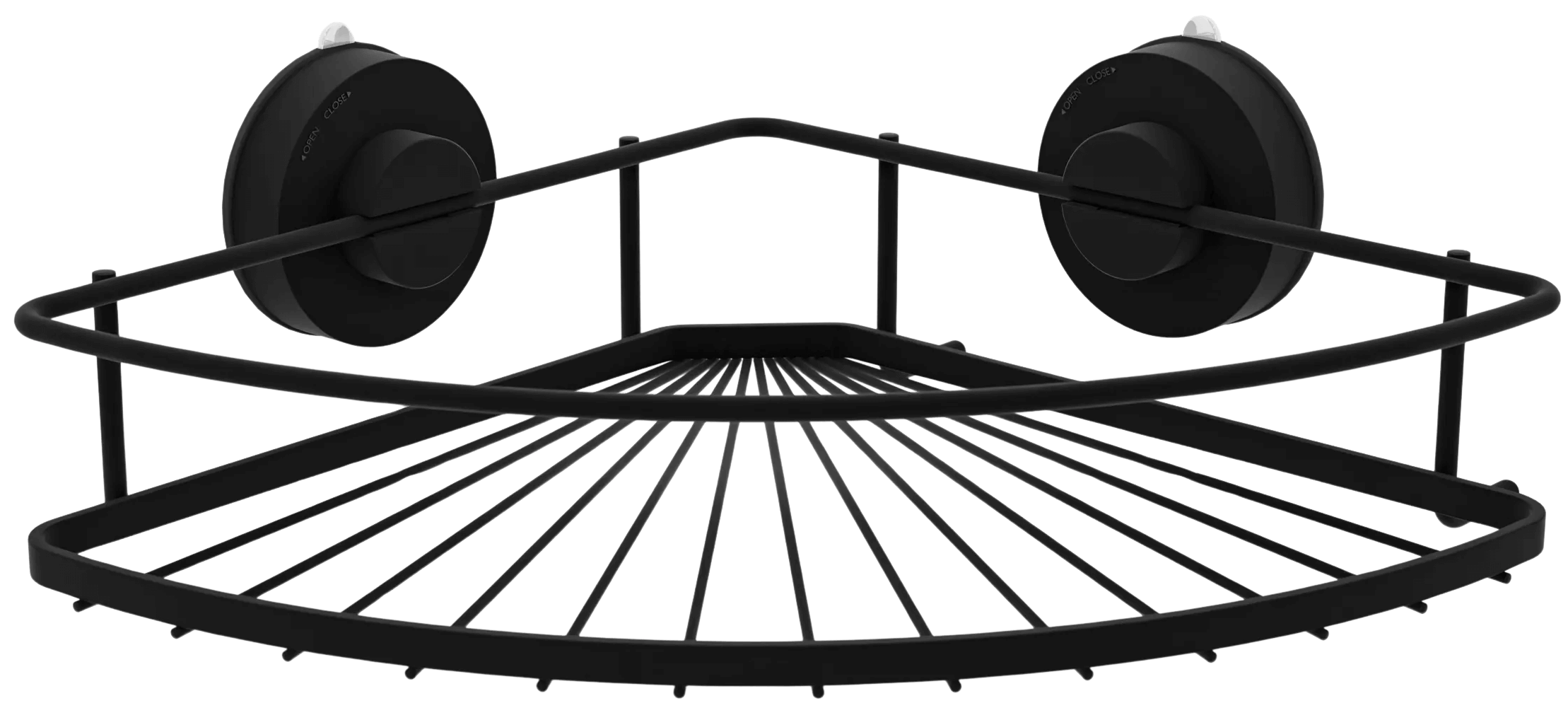
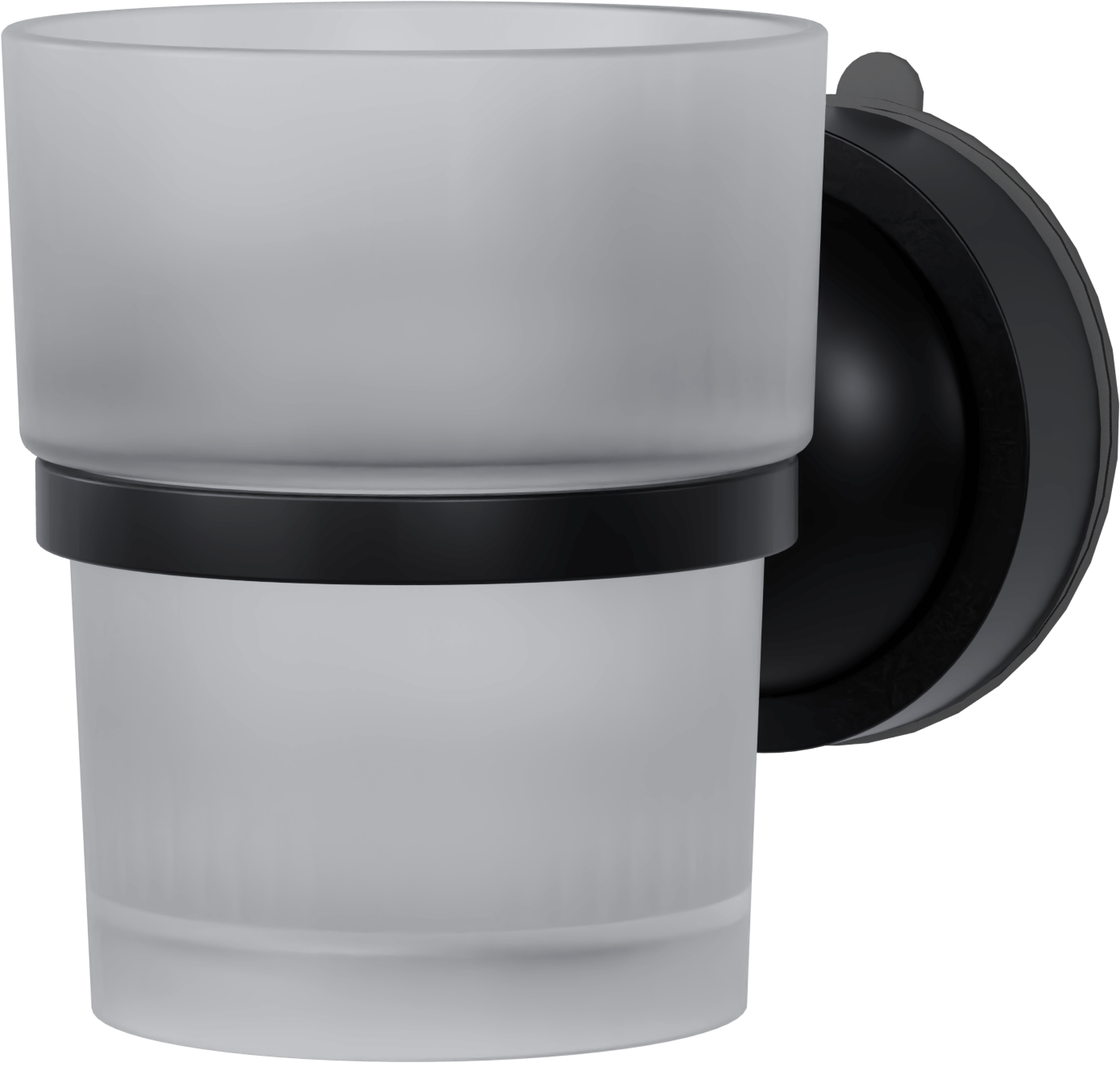
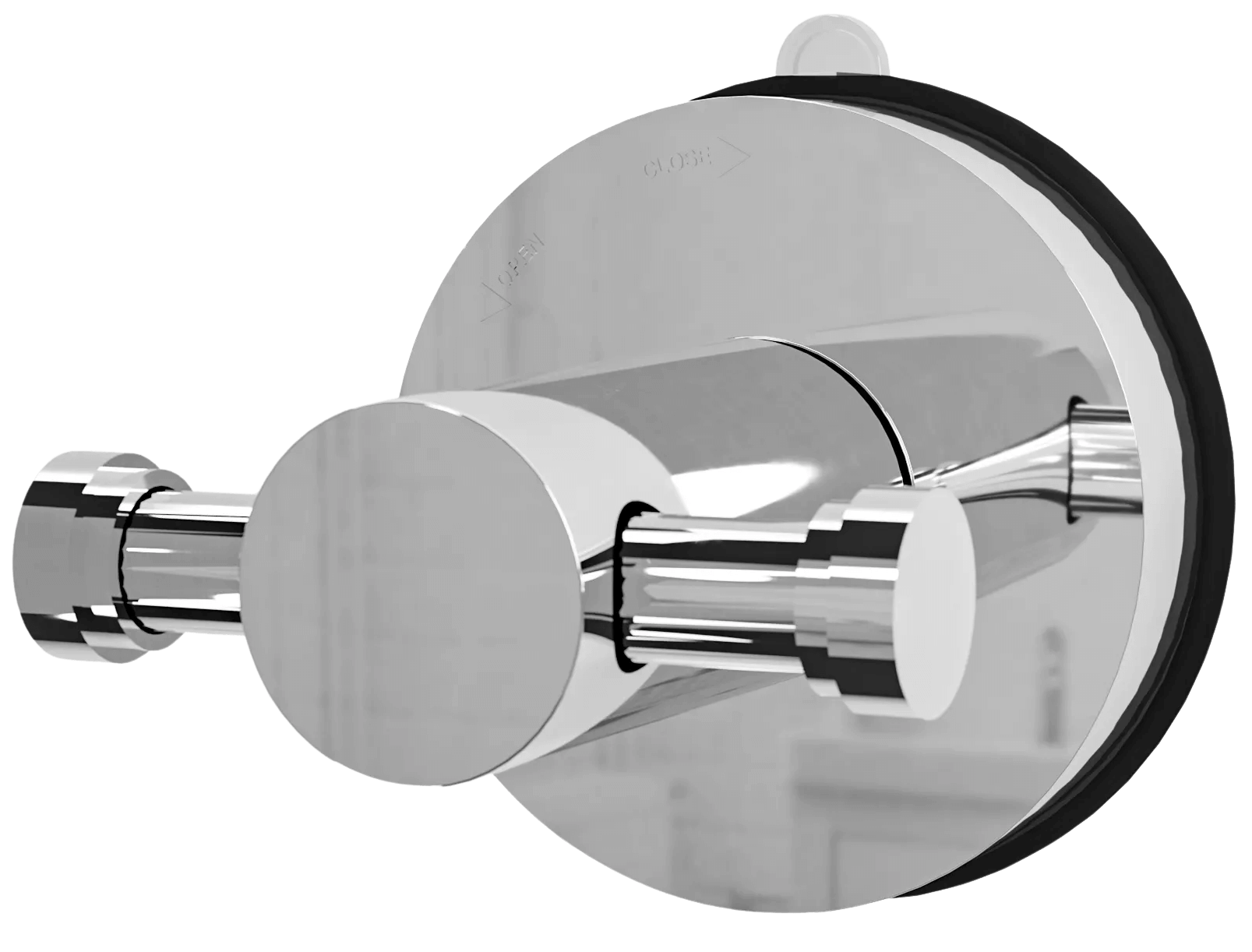
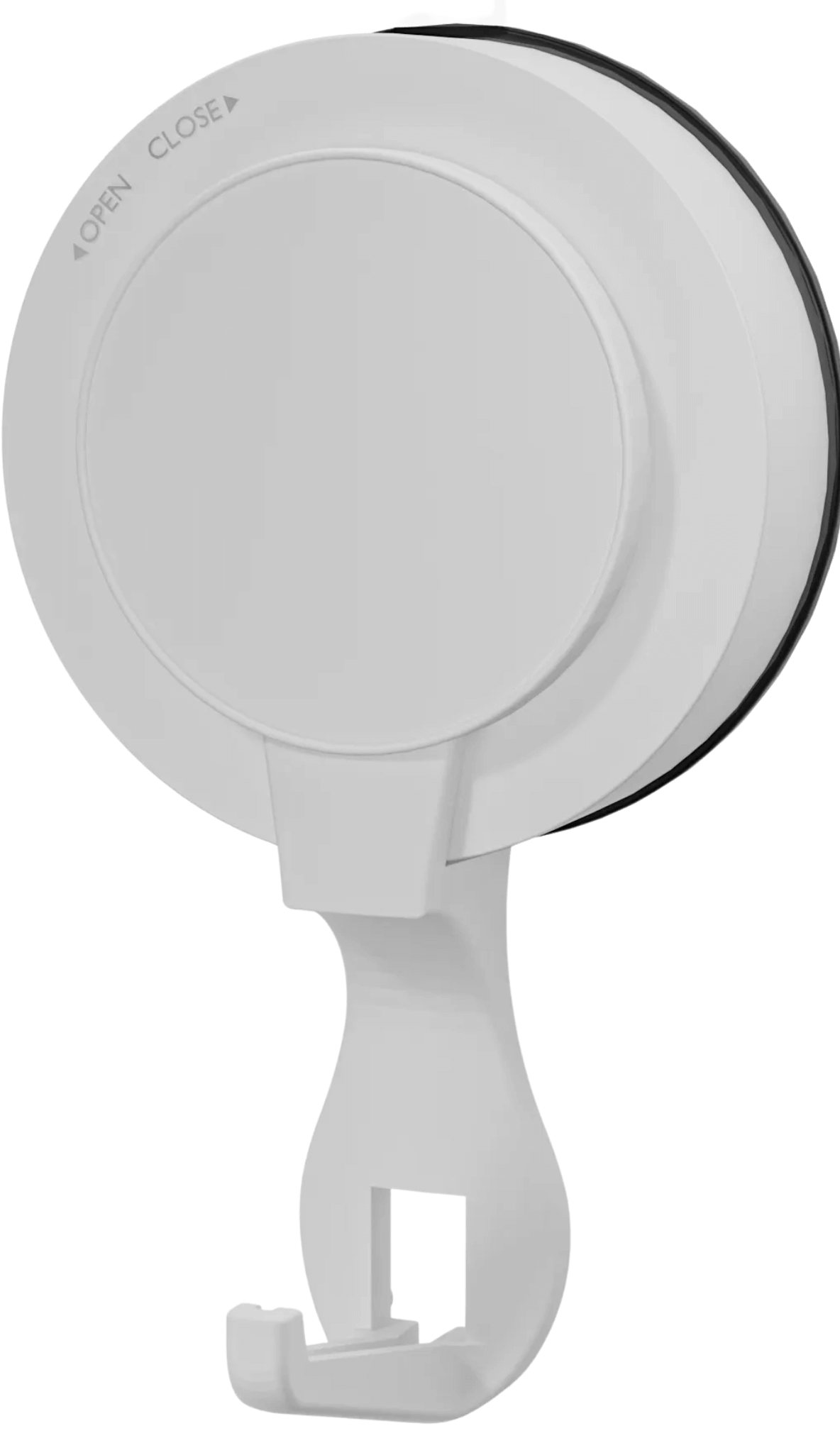
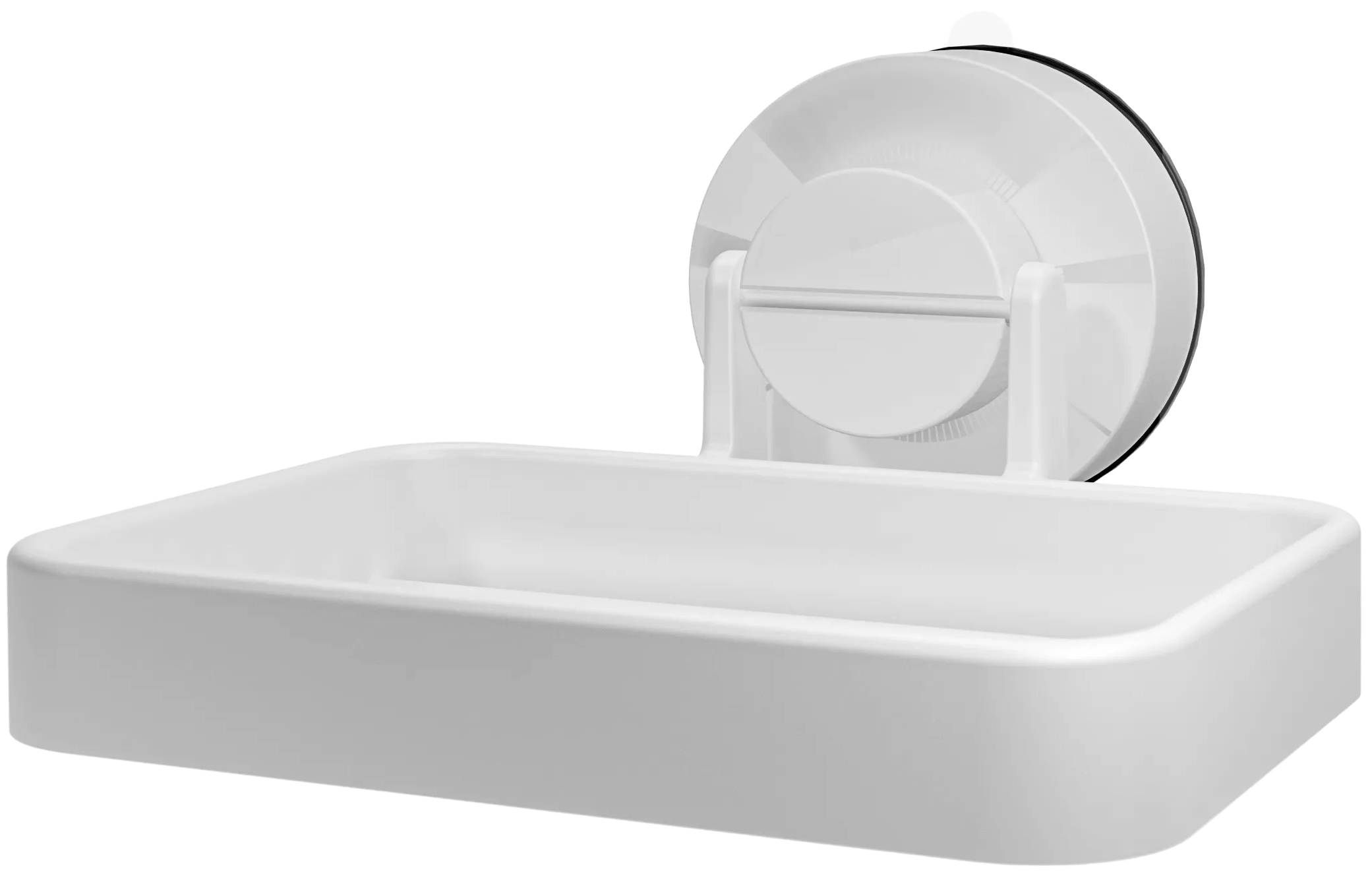
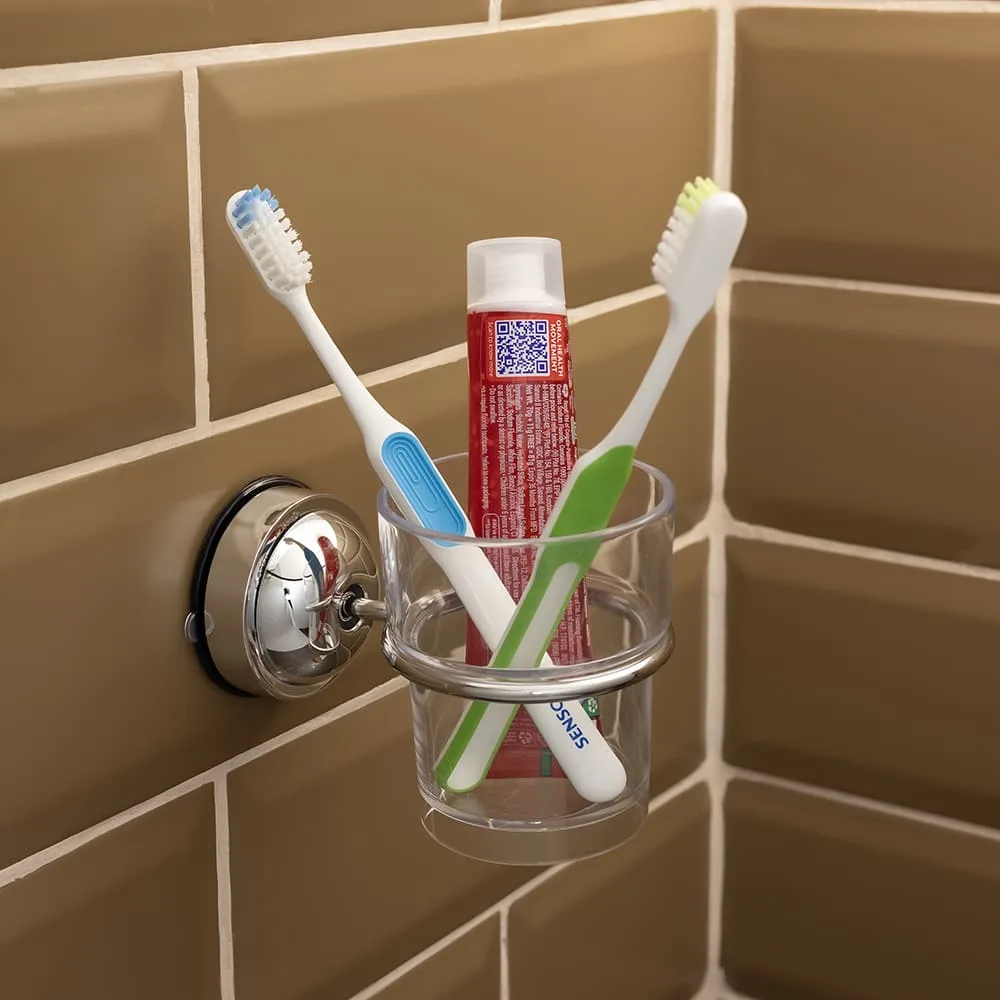
These types attach directly to your sink or wall without drilling. They’re ideal for renters and small kitchens. The suction system ensures strong grip and easy repositioning whenever needed.
3. Countertop Sponge Organizer
If you prefer a freestanding design, go for a countertop sponge holder. It offers more space for storing dish brushes, soaps, and other cleaning tools in one place.
Benefits of Using a Kitchen Sponge Holder
A kitchen sponge holder offers both functionality and style. Here are the main benefits:
- Keeps sponges clean and dry.
- Reduces bacteria buildup.
- Organizes your sink area efficiently.
- Saves space in small kitchens.
- Enhances your kitchen’s modern aesthetic.
By investing in a high-quality holder, you add convenience and hygiene to your daily cleaning routine.
How to Choose the Best Sponge Holder
When selecting a kitchen sponge holder, consider these key factors:
- Material: Stainless steel and plastic are durable and rust-resistant.
- Installation Type: Choose between suction, adhesive, or countertop based on your preference.
- Drainage Design: Ensure it allows water to drain quickly.
- Size: Pick one that fits your sink layout without taking too much space.
A sleek stainless steel sponge holder adds elegance, while a plastic one offers affordability and color variety.

Maintenance Tips for Longer Life
To keep your kitchen sponge holder in top shape, clean it weekly. Remove any soap residue and rinse it thoroughly. For suction holders, check the vacuum seal regularly to maintain a strong grip. This simple care extends its life and prevents mold buildup.
Eco-Friendly and Stylish Options
Many brands now offer eco-friendly sponge holders made from bamboo or recycled materials. They combine sustainability with functionality. If you prefer a modern vibe, matte black or chrome designs perfectly complement contemporary kitchens.
Conclusion
A kitchen sponge holder is more than just an accessory—it’s a necessity for every organized kitchen. It keeps your sink area clean, your sponges hygienic, and your kitchen looking elegant. Choose one that matches your style and enjoy a more functional and beautiful cooking space.
FAQ
1. Why should I use a kitchen sponge holder?
A kitchen sponge holder helps keep your sponge dry, clean, and bacteria-free. It prevents water buildup, reduces mess around the sink, and maintains an organized and hygienic kitchen space.
2. Which type of sponge holder is best for small kitchens?
For compact kitchens, adhesive or suction-based sponge holders are the best options. They save counter space, require no drilling, and can easily be repositioned whenever needed.
3. How do I install a suction or adhesive sponge holder?
Simply clean and dry the surface, press the suction cup or adhesive pad firmly onto the sink wall, and hold for a few seconds. Make sure the surface is smooth and non-porous (like stainless steel or tiles) for the best grip.
4. Are stainless steel sponge holders better than plastic ones?
Yes, stainless steel holders are more durable, rust-resistant, and give a sleek, modern look. However, plastic holders are affordable, lightweight, and available in various colors — ideal if you want a pop of style on a budget.
5. How do I keep my sponge holder clean and mold-free?
Clean it weekly using mild dish soap and water. Remove soap scum and rinse thoroughly. For suction models, check and reapply the suction seal occasionally to maintain a strong hold.
6. Can a kitchen sponge holder hold other items too?
Definitely! Many multi-purpose sink caddies can store not just sponges but also dish brushes, scrubbers, soap dispensers, and small cleaning tools — keeping everything within easy reach.
7. Do sponge holders help reduce bacteria growth?
Yes. A good sponge holder allows proper air circulation and drainage, which keeps sponges dry and prevents bacterial buildup caused by moisture.
8. What materials are best for a long-lasting sponge holder?
Stainless steel, ABS plastic, and bamboo are top choices. Stainless steel offers durability and elegance, ABS is lightweight and rustproof, while bamboo provides an eco-friendly, natural look.
9. Can I move my suction sponge holder after installing it?
Yes, that’s one of the main benefits! Suction sponge holders can be easily repositioned or removed without leaving marks or damaging the sink surface — ideal for renters.
10. What are the latest trends in kitchen sponge holder designs?
Modern sponge holders come in matte black, chrome, or eco-friendly bamboo finishes. These designs combine functionality with style, complementing minimalist and contemporary kitchen décor perfectly.
11. How often should I replace my kitchen sponge holder?
With regular cleaning, a high-quality sponge holder can last for years. Replace it only if it shows signs of rust, weakened suction, or physical damage.
12. Where can I find a stylish, no-drill sponge holder?
You can explore premium Airgrip sponge holders that feature vacuum suction technology, allowing strong grip without drilling. They’re reusable, rustproof, and ideal for maintaining a sleek, modern kitchen setup.