



How to Organize Small Kitchen in Indian Apartment: Complete Storage & Space Solutions
Are you tired of struggling to find your favorite spatula in cluttered kitchen cabinets? Or does your small kitchen feel chaotic every time you cook a simple meal? You’re not alone – 81% of homeowners admit they can’t relax when their kitchen is disorganized, and in India, where urban apartments average just 700-80 square feet of kitchen space, the struggle is real.
The truth is, organizing a small kitchen in an Indian apartment isn’t just about aesthetics – it’s about transforming your cooking experience from stressful to streamlined. Indian kitchens have unique needs: we cook with heavy vessels, store bulk groceries, and need quick access to dozens of spices. Standard storage solutions designed for Western kitchens simply don’t cut it.
This comprehensive guide walks you through proven, actionable strategies to maximize every inch of your small kitchen space. Whether you’re working with a galley kitchen, an L-shaped setup, or a cramped single-wall layout, you’ll discover practical solutions that honor Indian cooking traditions while embracing modern organization principles.
Understanding Your Kitchen Pain Points (The Problem)
Why Small Indian Kitchens Fail to Function
Before diving into solutions, let’s acknowledge why small kitchens become organizational disasters. Your kitchen isn’t just a cooking space – it’s a storage hub for pressure cookers, idli makers, large tawas, jars of ghee, and 50+ spice varieties. That’s fundamentally different from a Western kitchen designed for two people cooking occasionally.
Real challenges you face:
- Limited counter space: Studies show that 60% of homeowners experience anxiety from countertop clutter, with appliances being the #1 offender. Imagine chopping vegetables when you can’t fit the cutting board, vegetable bowl, and chopped vegetables simultaneously.
- Insufficient vertical space utilization: Most apartment kitchens are designed vertically, yet homeowners don’t leverage walls effectively, leaving valuable storage potential untapped.
- Moisture and humidity issues: Indian kitchens generate steam from boiling large quantities of water for dal, rice, and vegetables. Without proper organization and ventilation, moisture damages cabinets, causes rust, and invites termites.youtube
- Bulk buying culture: Unlike Western households that shop twice weekly, Indian families buy monthly groceries in bulk. Where do you store 10kg rice, 5kg flour, and 50 types of spices in a 60-square-foot kitchen?
- Appliance clutter: Mixers, grinders, pressure cookers, and OTGs demand dedicated space. Research shows that 52% of storage problems stem from large appliances on countertops.
The Foundation: Assess, Declutter & Plan
Step 1 – Audit Your Current Kitchen
Before buying organizers, take 30 minutes to assess what you actually have. Open every cabinet, drawer, and corner and ask:
- What utensils do I use daily vs. monthly?
- How many tawas, pressure cookers, and vessels actually fit in my kitchen?
- What expired spices or duplicate items can I discard?
- Are my appliances earning their counter space?
Studies show one-third of homeowners struggle to maintain an organized home, partly because they don’t conduct an honest inventory. You can’t organize what you don’t know you have.
Step 2 – Embrace the Indian Kitchen Reality
The India modular kitchen market, valued at USD 2.53 billion in 2024, is growing at 15.8% CAGR, with L-shaped kitchens holding 60% market share. Why? Because Indian designers finally understand that Indian-style kitchens (77% market preference) need:
- Space for heavy vessels (cookers, large kadais, tawas)
- Accessible spice storage
- Separate wet and dry zones
- Bulk ingredient storage capacity
- Heat and moisture resistance
Your small kitchen isn’t a limitation – it’s an opportunity to design for efficiency.
Step 3 – Choose the Right Layout for Your Space
Not sure if your kitchen is galley, L-shaped, or parallel? Here’s what works in Indian apartments:
| Layout Type | Best For | Key Advantage | Storage Strategy |
| L-Shaped | Most common in Mumbai, Delhi, Bangalore | Utilizes corner space; allows efficient work triangle | Maximize corner cabinets; add vertical shelves on longer wall |
| Parallel/Galley | Narrow apartments | Separates dry prep and wet cooking zones | Use both walls; implement tall cabinets |
| Single Wall | Studio apartments, rental homes | Minimal floor footprint | Maximize vertical space; use ceiling-height cabinets |
| U-Shaped | Spacious kitchens, large families | Maximum storage and counter space | Multi-zone organization possible |
For Rajkot, Gujarat apartments (where most are 600-900 sq ft), parallel or L-shaped layouts dominate. Work with your existing layout rather than fighting it.
Essential Storage Solutions (The Answers)
Wall Storage: Your Vertical Gold Mine
Here’s a fact that surprises most people: walls are free real estate. Indian kitchens waste more wall space than any other room in the home.
Wall-mounted solutions for Indian kitchens:
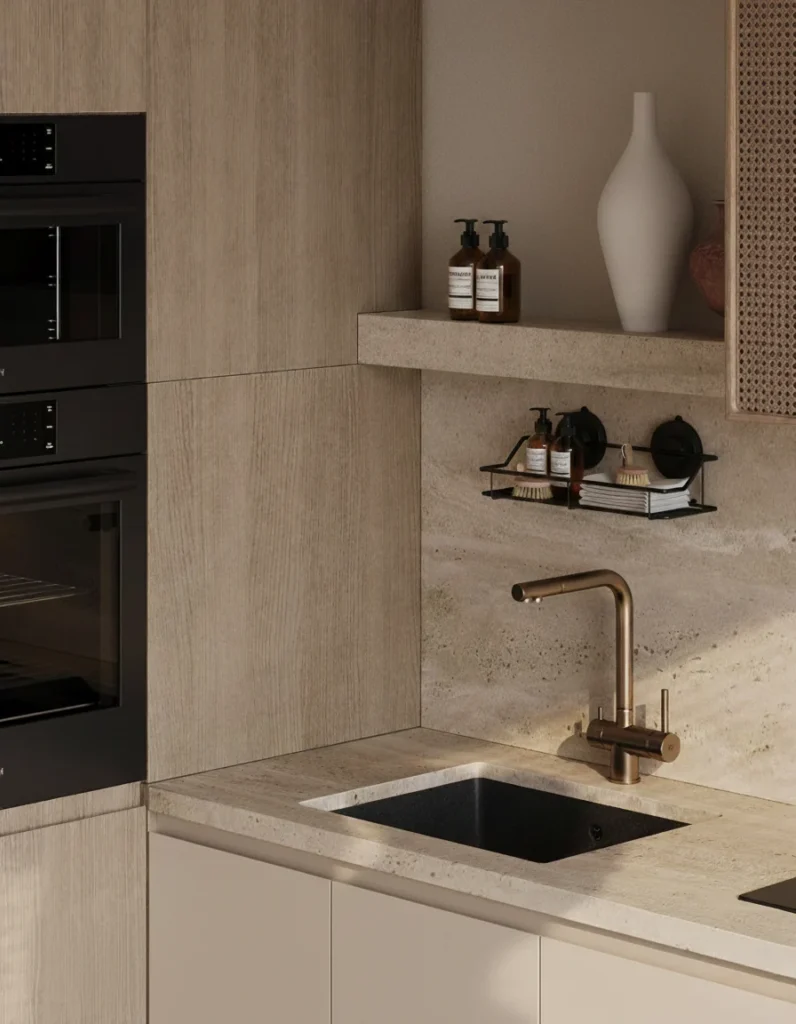
- Floating shelves: Install 2-3 shelves above counters at 16-18 inches apart. Use them for daily-use items: spice jars, cooking oils, sugar, tea containers. These don’t require cabinets and cost 40% less than built-in storage.
- Magnetic knife strips: Instead of keeping knives in drawers (which rust easily in humid Indian kitchens), mount magnetic strips on walls. This frees drawer space and improves kitchen safety.
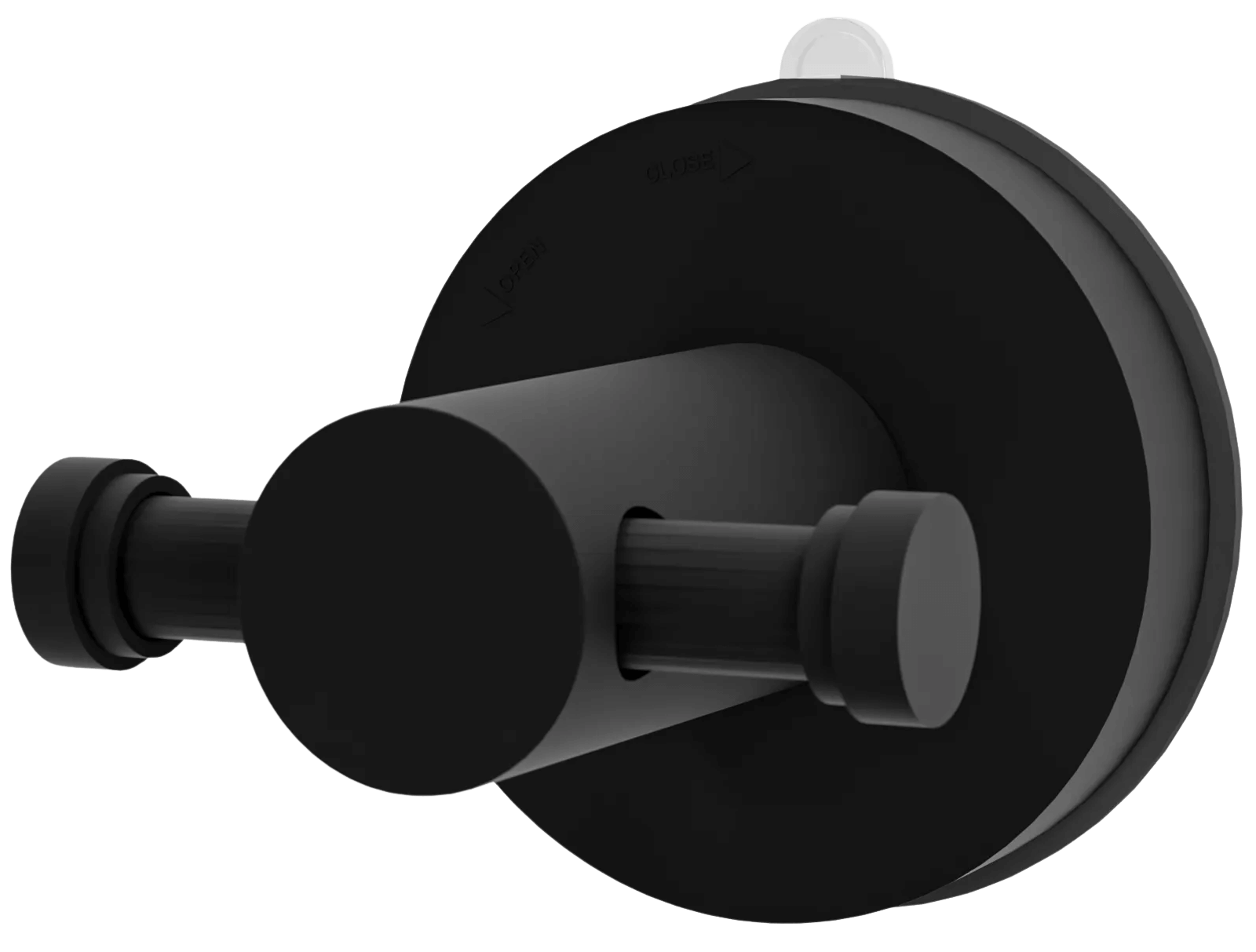
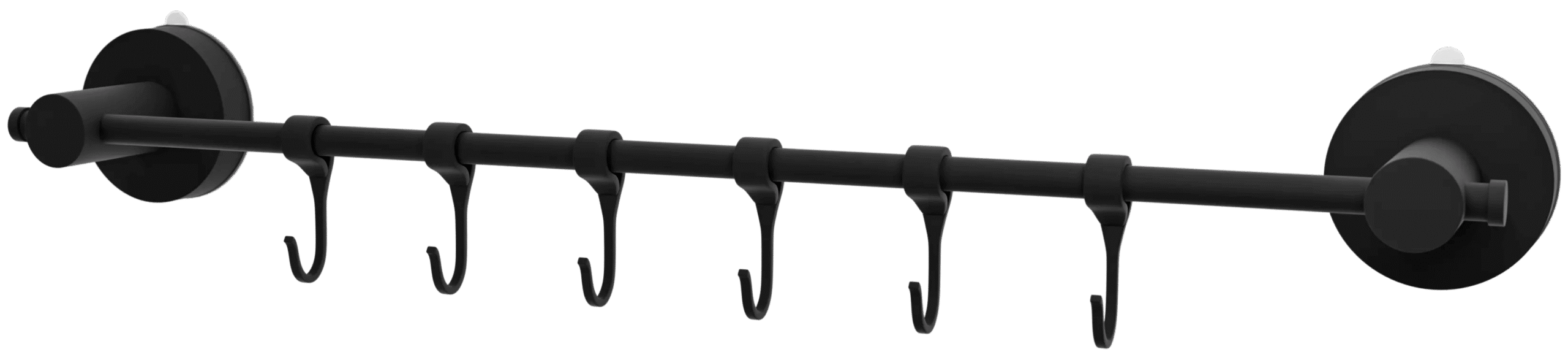
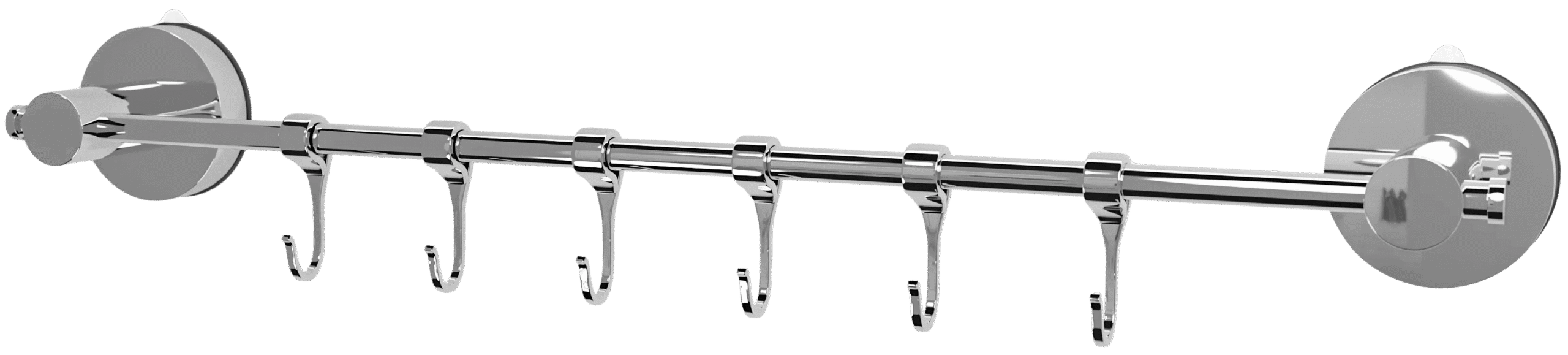
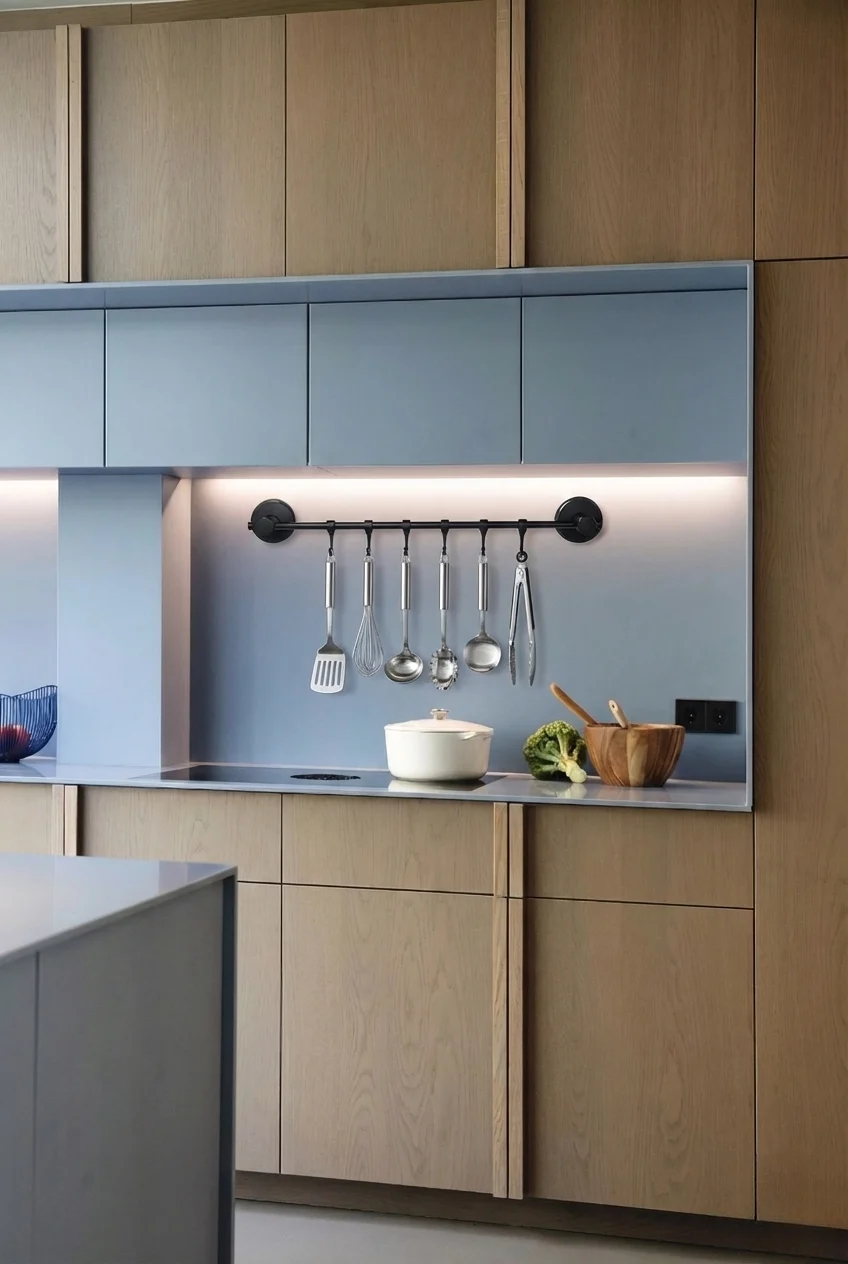
- Hooks and hanging rods: Install S-hooks to hang spatulas, tongs, and ladles. Use wall-mounted tension rods to hold cutting boards, serving trays, or chaklas. One customer in Mumbai reports reclaiming 3 cubic feet of space just by hanging utensils.
- Spice racks: Dedicate 1-2 square feet of wall space to a spice rack or shelving. Indian kitchens need quick access to masalas, and wall-mounted solutions beat cabinet storage every time.
- Pegboards for small items: A 2×3 foot pegboard with hooks and baskets can store your entire collection of small utensils, scissors, graters, and peelers.youtube
Pro tip: Paint walls in light colors to make small kitchens feel larger. Avoid dark cabinets that absorb kitchen moisture and heat.youtube
Cabinet Organization: Make Existing Space Work Harder
You can’t add square footage, but you can double or triple storage capacity within existing cabinets. This is where Indian kitchens excel – traditional designs already anticipate our needs.
Drawer Organization Systems
Over 66% of homeowners prioritize drawer organization, and for good reason. Drawers are the most accessible storage, yet they’re often chaos zones.
- Expandable drawer dividers: These adjustable partitions work brilliantly for Indian kitchens. Allocate sections for: spoons/ladles (1 section), knives (1 section), peelers/graters (1 section), wooden spoons (1 section). This takes 10 minutes but saves hours searching for items.
- Layered drawer trays: Use rectangular, stackable containers within drawers. Keep spice sachets, dried herbs, and condiment packets in one section; keep cutlery in another.
- Under-sink organization: The space below your sink is prime real estate. Install:
- Pull-out baskets for cleaning supplies
- Adjustable shelving to separate cooking oils from dishwashing liquids
- Moisture-absorbing packets to combat dampness (crucial in Indian kitchens)
Cabinet Shelving Optimization
Your existing cabinets might have fixed shelves with wasted vertical space. Here’s how to fix it:
- Install pull-out shelves: These gliding mechanisms let you access items at the back of deep cabinets without struggling. One homeowner reported recovering 4 square feet of usable space. Cost: ₹2,000-5,000 per shelf.
- Add shelf risers: These simple plastic or wooden risers create a second tier within one cabinet shelf. Store tawas below; store lids above. Instantly double your capacity.
- Use shelf dividers: Vertical dividers prevent tall items from toppling and create distinct zones. Perfect for separating cooking vessels from serving plates.
- Lazy Susan drawers: These rotating shelves work brilliantly in Indian kitchens. Place them in deep corner cabinets for spices, condiments, or cooking essentials. You simply rotate instead of reaching.
Container Strategy: The Secret Weapon
The India food storage container market is booming at 7.53% CAGR because containers are transformative. But you need the right ones.
Glass vs. Plastic: Making the Right Choice
| Container Type | Best For | Lifespan | Indian Kitchen Benefit |
| Glass (airtight) | Spices, dry goods | 5+ years | Won’t absorb odors; easy to see contents; matches Indian aesthetic |
| Plastic (BPA-free) | Wet ingredients, oils | 2-3 years | Lightweight; won’t break; affordable for bulk storage |
| Steel tiffin boxes | Cooked food | 10+ years | Durable; traditional; excellent for storing prepared dishes |
| Stackable containers | Flour, rice, pulses | 3-5 years | Save 40% cabinet space through vertical stacking |
Pro tip for small kitchens: Choose square or rectangular containers, not round ones. They pack 15% more efficiently, leaving no wasted space in cabinets.
The Labeling System
Don’t underestimate labels. Research shows that labeled containers reduce search time by 70% and prevent you from buying duplicate items.
- Use waterproof labels (essential in humid Indian kitchens)
- Include item name + date stored
- Use color-coding: red for spices, blue for grains, green for dry snacks
- Invest in a simple label maker (₹500-1,500)
The Indian Pantry System
This is where most Western organization guides fail. Indian families buy in bulk – 10kg rice, 5kg flour, multiple oil varieties, 50+ spice types. Your pantry (or designated storage area) needs thoughtful segmentation.
Grain & Dry Goods Zone
Dedicate one cabinet (or shelf) to rice, wheat, flour, semolina, and lentils.
- Use airtight containers to prevent insects and moisture
- Stack containers vertically using risers
- Keep frequently-used items at eye level
- Store heavier items (rice) at the bottom
- Label containers with purchase dates and expiration
Spice Organization: The Heart of Indian Cooking
Indian cooking demands instant access to dozens of spices. Poor spice organization wastes time and money.
The three-tier spice system:
- Daily spices: Turmeric, chili powder, cumin, coriander (kept in small jars on a dedicated shelf or in a drawer divider, within arm’s reach of the stove)
- Occasional spices: Fenugreek, asafoetida, nigella seeds (stored in a secondary cabinet, organized alphabetically)
- Seasonal spices: Garam masala compounds, specialty blends (stored in upper cabinets, away from heat)
Research from professional kitchen organizers shows this three-tier system reduces cooking preparation time by 15 minutes daily.
Oils, Condiments & Wet Goods
These items are trickier – they can stain and spoil if not stored properly.
- Store cooking oils in a dedicated cabinet door (using caddy organizers that hold 4-6 bottles)
- Keep condiments in a pull-out basket under the sink (with moisture-absorbing packets)
- Use turntables/Lazy Susans for sauces, pickles, and chutneys
- Store heavier bottles at eye level to prevent spills
Indian Kitchen-Specific Organization Hacks
Organizing Heavy Vessels & Tawas
One of the biggest space-wasters in Indian kitchens is tawa and vessel storage. These items are large, awkwardly shaped, and essential.
- Pan organizers: Use expandable rack organizers to hang tawas, dosas, and frying pans vertically. Costs ₹500-1,200, saves 0.5 cubic meters of space.
- Vertical lid storage: Lids consume space equal to the pots themselves. Install a vertical divider system (like a file rack) to store lids standing up, like folders in a filing cabinet.
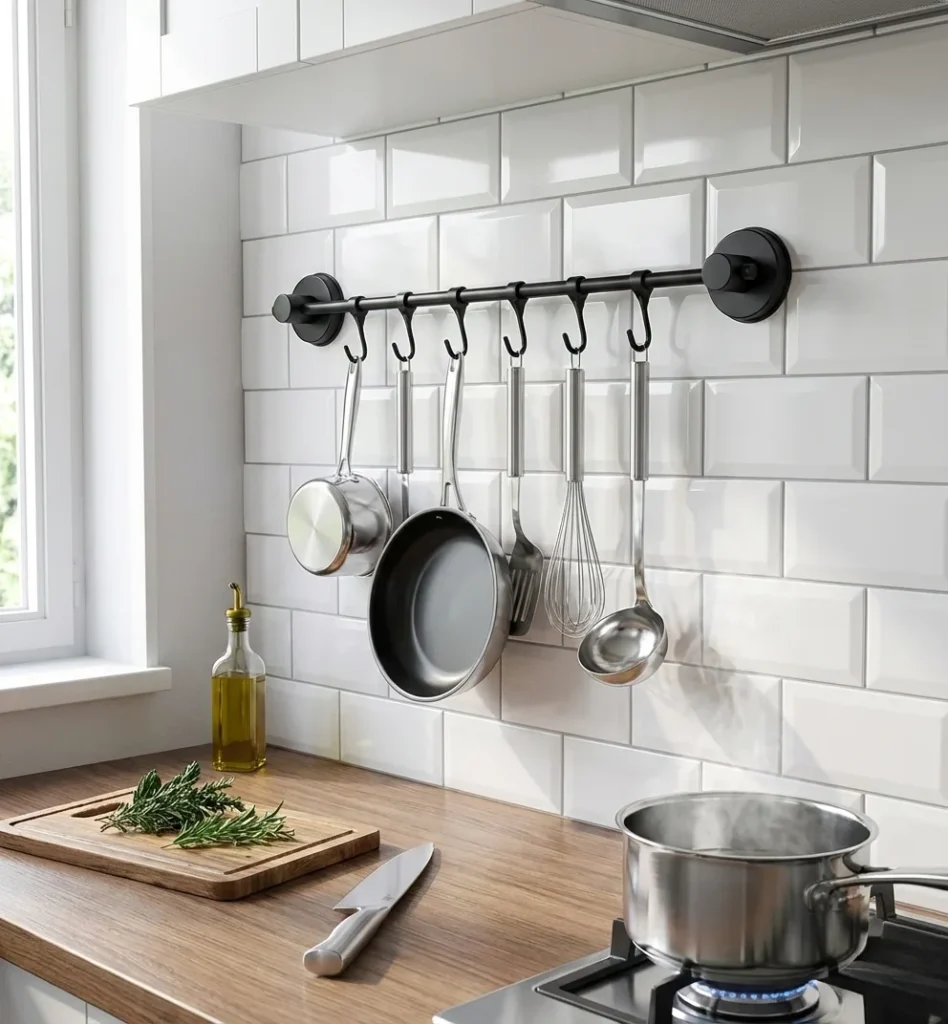
- Wall-mounted pot racks: If you have wall space above the stove, a hanging pot rack is a game-changer. Keeps items accessible and off the floor.
- Cabinet corner maximization: Use sliding corner trays or rotating carousels to access deep corner spaces where vessels usually get lost.
Appliance Strategy: To Display or Hide?
Here’s the dilemma: your mixer, grinder, pressure cooker, and OTG need homes. Countertop clutter causes 60% of kitchen stress, but these appliances are too heavy to constantly move.
The solution: appliance garaging
- Install a cabinet with a sliding shutter door that hides appliances when not in use
- Designate one corner/section of your kitchen as “appliance hub” with a power strip
- Store lids, grinding stones, and pressure cooker attachments in labeled baskets above the appliances
- Keep your two most-used appliances accessible; store seasonal ones (dough maker, momos maker) in overhead cabinets
Space-Saving Hacks for Tiny Kitchens
Multifunctional Furniture
Your kitchen in a 600-sq-foot apartment can’t afford single-purpose items.
- Foldable dining table: Attaches to the kitchen wall, folds down when needed. Saves floor space while adding functionality.
- Pull-out counters: Some cabinets have removable cutting board surfaces that extend counter space when you need it.
- Mobile storage carts: A 2-tier rolling cart (₹1,500-3,000) holds bulk items, oils, and condiments. Slide it into unused corners; pull it out when needed.youtube
- Island with storage: If space allows (minimum 4×4 feet), a small island offers storage below, counter space on top, and seating on one side.
The Vertical Stacking Strategy
Every vertical inch matters. Master these stacking techniques:
- Pots and pans: Stack nesting cookware to save 50% space compared to hanging
- Plates and bowls: Use dividers to stack vertically, preventing toppling
- Cans and bottles: Use tiered shelf risers to create a mini-pyramid, visible at a glance
- Containers: Stack food storage containers inside each other when empty
Professional organizers report this technique alone recovers 1-2 cubic feet in average Indian kitchen cabinets.
Under-Cabinet & Behind-Door Storage
These overlooked spaces can hold 10-15% more items.
- Undershelf baskets: Hang organizers under existing shelves to create a second storage layer
- Cabinet door racks: Mount shallow organizers inside cabinet doors for oils, spice packets, and sauces
- Paper towel holders: Mount paper towel racks inside cabinet doors to save shelf space
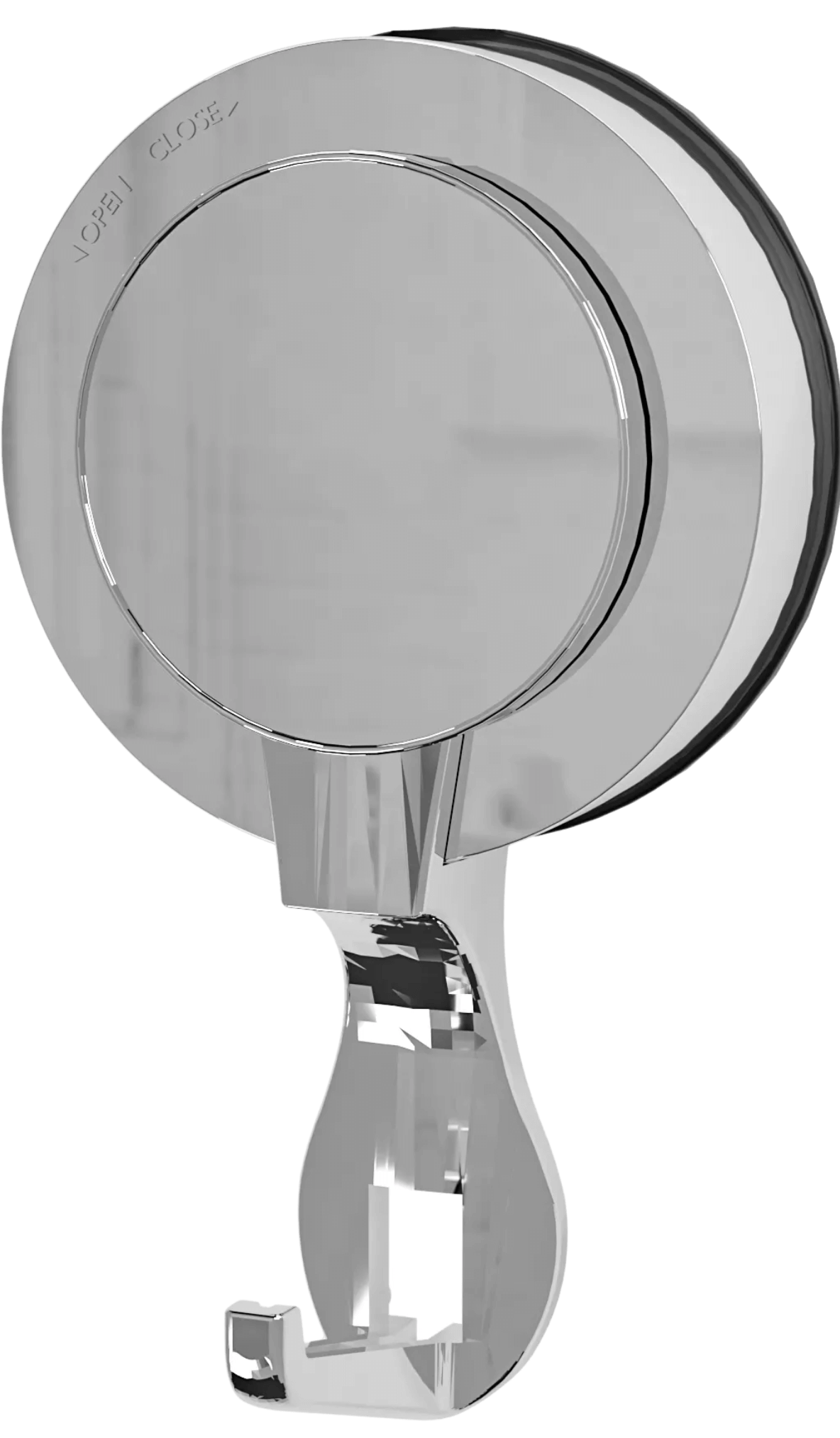
- Adhesive hooks: Place small hooks inside cabinet doors to hang measuring cups, funnels, and scoops
Cleaning & Maintenance: Keeping Organization Alive
The Weekly 15-Minute Reset
Organization isn’t a one-time project – it requires maintenance. Adopt this simple habit:
Every Sunday (or your busiest cooking day), spend 15 minutes:
- Relocate items to their homes (2 minutes)
- Wipe shelves and containers (5 minutes)
- Check expiration dates (3 minutes)
- Reorganize containers if needed (5 minutes)
Research shows that people who maintain this routine keep kitchens organized for 6+ months without major reorganization.
Fighting Moisture in Indian Kitchens
Moisture is your enemy. It causes rust, mold, and odors. Here’s your defense:
- Install exhaust fans: Use a chimney or exhaust fan during and 10 minutes after cooking
- Moisture absorbers: Place activated charcoal or silica packets in spice cabinets and under-sink areas
- Proper ventilation: Open windows 15-20 minutes daily to reduce humidity
- Wipe cabinets weekly: Use microfiber cloths to wipe interior surfaces, especially near the stove
Budget-Friendly Alternatives
Not everyone can afford custom modular kitchens (which cost ₹1,50,000-5,00,000+). Here are affordable alternatives:
| Organization Need | Budget Option | Cost | Premium Option | Cost |
| Shelf risers | Cardboard or wooden blocks | ₹100-300 | Metal risers with locks | ₹500-1,000 |
| Drawer dividers | Cardboard organizers + dividers | ₹200-500 | Expandable bamboo dividers | ₹1,000-2,000 |
| Wall shelves | Wooden boards + wall brackets | ₹1,500-3,000 | Floating shelves | ₹3,000-6,000 |
| Containers | Plastic, reused glass jars | ₹500-1,500 | Branded airtight containers | ₹3,000-8,000 |
| Labels | Printed stickers + tape | ₹100-200 | Label maker machine | ₹800-1,500 |
| Pan organizers | DIY magazine holder hack | ₹50-100 | Expandable pan rack | ₹600-1,200 |
Pro tip: Check out kleverhomes for budget-friendly home organization products specifically designed for Indian homes. They offer affordable storage solutions without compromising quality.
Common Mistakes People Make (And How to Avoid Them)
Mistake #1 – Buying Organizers Before Decluttering
What happens: You buy 10 beautiful containers, only to realize they don’t fit your cabinets or your items.
The fix: Declutter first. Only buy organizers after you know exactly what you need to store and where.
Mistake #2 – Ignoring Indian Cooking Realities
What happens: You follow Pinterest boards showing minimalist, near-empty kitchens. Then you cook dal for a family of four and suddenly need 15 items you don’t have space for.
The fix: Acknowledge that Indian cooking is ingredient-heavy and vessel-heavy. Design for your actual cooking patterns, not an idealized version.
Mistake #3 – Not Accounting for Humidity
What happens: You organize beautifully, but rust and moisture ruin containers within months. Wooden shelves warp. Metal hardware corrodes.
The fix: Choose rust-resistant materials, use moisture absorbers, and maintain proper ventilation consistently.
Mistake #4 – Placing Frequently-Used Items in Hard-to-Reach Spots
What happens: Your daily spices are in a high cabinet. You find yourself using shelf-stable shortcuts instead of proper cooking.
The fix: Place items based on frequency, not aesthetics. Daily items at eye level (30-60 inches), occasional items above or below, rarely-used items in hard-to-reach spaces.
Mistake #5 – Overstuffing Cabinets
What happens: Everything fits, but nothing is visible or accessible. You waste time searching, and items topple out.
The fix: Follow the 80% rule – fill cabinets only 80% to the brim. This saves time, reduces damage, and makes items visible at a glance.
Smart Technology for Kitchen Organization
Digital Inventory Systems
Modern smart home technology can revolutionize kitchen organization:
- Smart fridge cameras: Some refrigerators have built-in cameras that let you see contents while grocery shopping
- Inventory apps: Apps like Pantry Check let you log items and get alerts before expiration
- QR code labels: Create labels with QR codes that link to recipes using stored items
Case Study: Real-Life Kitchen Transformations
Ravi’s 600-Sq-Ft Apartment Kitchen (Mumbai)
Before: Ravi’s galley kitchen had countertops completely covered with appliances, spices scattered across three cabinets, and tawas stacked haphazardly in a corner.
Changes made:
- Installed wall-mounted magnetic knife strip
- Bought 3 shelf risers for cabinets
- Added expandable drawer dividers
- Created a spice caddy using a carousel
- Mounted an undershelf basket for oils
Results: Cleared 60% of counter space, cut meal prep time by 12 minutes daily, eliminated duplicate spices.
Priya’s Joint Family Kitchen (Delhi)
Before: With 8 family members using one 700-sq-ft kitchen, organization seemed impossible.
Changes made:
- Installed floating shelves above the stove (spice zone)
- Created a labeled container system for each family member’s dietary preferences
- Added a mobile cart for seasonal items
- Instituted a weekly 15-minute reset ritual
Results: Reduced cooking time by 18 minutes daily, eliminated food waste from forgotten items, and improved family coordination.
Expert Tips from Professional Organizers
According to professional kitchen organizers in India:
- The 1-in-1-out rule: For every new item you buy, remove an old one. Prevents accumulation over time.
- Zone your kitchen: Create distinct zones – spice zone, cooking zone, cleaning zone, appliance zone. Each zone has dedicated storage.
- Vertical planning: Use vertical space 3x more than horizontal space in small kitchens.
- Accessibility hierarchy: Keep frequently-used items at eye level, seasonal items above head, rarely-used items below knees.
- Container uniformity: Using similar-sized containers makes cabinets look organized and stack efficiently.
Advanced Organization Solutions
Custom Modular Kitchens (When Budget Allows)
If you’re planning a renovation, modular kitchens offer features that can’t be replicated with DIY organization:
- Tall storage cabinets: Extend from countertop to ceiling, tripling available space
- Corner carousel systems: Rotatable shelves in corner cabinets make every inch accessible
- Integrated appliances: Built-in ovens, dishwashers, and cooktops eliminate countertop clutter
- Soft-close drawers: Prevent slamming and improve organization lifespan
- Inbuilt spice racks: Designed specifically for Indian cooking needs
The India modular kitchen market is growing at 24.36% CAGR, reaching USD 5.67 billion in 2025, precisely because these solutions work.
Retrofitting Existing Kitchens
Can’t afford a full modular kitchen? These retrofits offer 70% of the benefits:
- Install pull-out shelves in existing cabinets (₹4,000-8,000 per shelf)
- Add floating shelves above existing counters (₹3,000-6,000 per shelf)
- Upgrade hinges to soft-close mechanisms (₹300-600 per hinge)
- Install better lighting inside cabinets (₹1,500-3,000)
Troubleshooting: Solutions for Specific Challenges
Problem: Corner Cabinet Wastage
Solution: Install a carousel/Lazy Susan system that rotates, making every inch accessible.
Problem: Deep Shelves Where Items Get Lost
Solution: Install pull-out baskets or sliding shelf trays that extend the shelf outward.
Problem: Too Many Lids, Not Enough Space
Solution: Install a vertical divider system (using a filing magazine holder) to store lids standing upright.
Problem: Small Drawers Don’t Fit Larger Utensils
Solution: Use tension rods or hanging systems to store items vertically in cabinets instead of drawers.
Problem: Spice Jars Keep Falling Over
Solution: Use magnetic strips on cabinet interiors, or install rails that hold bottles upright.
Creating a Maintenance Calendar
Organization isn’t one-time. Here’s a calendar to keep systems alive:
| Frequency | Task | Time |
| Daily | Put items back in designated spots | 2 minutes |
| Weekly | Reset cabinets, check expiration dates | 15 minutes |
| Monthly | Deep clean shelves, reorganize as needed | 45 minutes |
| Quarterly | Reassess organization system, adjust as needed | 1 hour |
| Annually | Major declutter and reorganization | 2-3 hours |
The Psychology of Kitchen Organization
Here’s something research proves: organized kitchens reduce stress and actually improve family meals. Studies show that 95% of homeowners feel their life is organized when their home is organized.
When your kitchen is organized:
- You cook 23% more often from scratch (vs. ordering takeout)
- You waste 35% less food
- You experience 40% less daily stress
- Your family spends more time together during meals
Bottom line: Organizing your small kitchen isn’t about perfection – it’s about creating a functional, stress-free space where you want to cook.
The Ultimate Small Kitchen Organization Checklist
Use this checklist to track your progress:
Phase 1: Preparation (Weekend 1)
- Audit kitchen: list all items
- Declutter: discard expired/duplicate items
- Measure existing cabinets, shelves, and spaces
- Create a layout plan (even on paper)
Phase 2: Storage Solutions (Weekend 2-3)
- Buy containers, dividers, and organizers
- Install wall-mounted solutions (shelves, hooks, magnetic strips)
- Install drawer dividers and under-shelf organizers
- Assign zones (spice, cooking, cleaning, appliance)
Phase 3: Organization (Weekend 4)
- Place items in designated zones
- Label everything with contents + dates
- Arrange items by frequency of use
- Photograph organized cabinets (for reference)
Phase 4: Maintenance (Ongoing)
- Weekly 15-minute reset
- Monthly deep clean
- Quarterly reassessment
- Adjust system as needed
Conclusion: Your Small Kitchen Can Work for You
A small kitchen in an Indian apartment isn’t a limitation – it’s an opportunity to design for your actual needs. By understanding the unique challenges of Indian cooking (bulk purchasing, multiple vessels, numerous spices), acknowledging the realities of apartment living (humidity, limited space), and implementing targeted storage solutions, you can transform even a 60-square-foot galley kitchen into a functional, stress-free cooking space.
Remember Ravi and Priya? They didn’t move to bigger apartments. They organized what they had. They installed wall shelves, bought labeled containers, and implemented a weekly maintenance routine. Now they cook faster, waste less food, and actually enjoy their kitchens.
Here’s your action plan for the next 48 hours:
- Today: Audit your kitchen (30 minutes). List everything, identify clutter.
- Tonight: Watch one organizational video specific to galley or L-shaped kitchens (your layout type).
- Tomorrow: Buy one key organizer (drawer dividers, wall shelf, or containers) and implement it.
- This weekend: Invest 2-3 hours in Phase 1 and begin Phase 2.
The India modular kitchen market is growing at 24% annually because people like you are ready for change. You don’t need a ₹5 lakh kitchen renovation. You need a plan, the right tools, and commitment to maintenance.
Start today. Your future self – the one who cooks effortlessly without searching for spices – will thank you.
(FAQs)
1: How much space do I actually need for a small kitchen to function well?
Indian kitchen design experts recommend minimum 700 square feet for a functional small kitchen with appliances. However, organization can make a 400-600 sq-ft kitchen work if you’re strategic about storage and appliance choices. The key is vertical utilization – use walls, not just floor space.
2: Should I invest in a modular kitchen or just organize what I have?
It depends on your budget and timeline. If you’re renting or have limited budget (₹20,000-50,000), optimize with containers, drawer dividers, and wall solutions. If you’re buying and can spend ₹1,50,000+, a modular kitchen offers long-term value through custom storage and durability. Most people benefit from starting with DIY organization, then upgrading to modular if needed.
3: How do I prevent rust and moisture damage in my organized kitchen?
Use these three tactics: (1) Install and use exhaust fans during cooking, (2) Place moisture-absorbing packets (activated charcoal or silica gel) in cabinets monthly, (3) Wipe interior shelves weekly with microfiber cloths. In high-humidity areas, avoid wooden cabinets; choose steel or moisture-resistant materials.
4: What’s the best container type for storing Indian spices and dry goods?
Glass airtight containers are ideal for spices – they prevent moisture absorption, don’t retain odors, and let you see contents. For bulk items like rice and flour, use square plastic containers (they pack more efficiently). Always label with purchase dates. The India food storage container market prefers transparent containers (57% of consumers) because visibility is crucial.
5: How long will an organized kitchen stay organized without constant maintenance?
With weekly 15-minute resets, most organized kitchens stay functional for 6-12 months before needing reassessment. Without maintenance, organization typically degrades within 8 weeks. The key is creating habits, not just systems. Set a phone reminder for your weekly reset – it’s the difference between long-term success and quick relapse.