





Introduction: Why Small Kitchen Organization Matters More Than You Think
Is your small kitchen feeling like a cramped culinary chaos zone? You’re not alone. In India, where apartments are compact yet our cooking traditions are elaborate, the average kitchen space ranges from just 50 to 70 square feet. That’s roughly the size of a large bedroom – and yet, we’re expected to store extensive cookware, numerous spices, bulk groceries, and multiple vessels while preparing complex multi-course meals simultaneously.
The challenge isn’t just about fitting things; it’s about creating a functional, stress-free cooking space that actually makes your daily cooking experience enjoyable. Here’s the thing: a well-organized small kitchen can actually feel more spacious than a poorly organized large one. Studies show that an efficiently organized kitchen can boost productivity by up to 30%, reduce meal preparation time significantly, and even help you make healthier eating choices.
Think of your kitchen like a puzzle. Every piece has its place, and when everything fits perfectly, suddenly you’re cooking faster, feeling less stressed, and actually enjoying the process. That’s what this guide is all about – transforming your small apartment kitchen from a source of frustration into a functional, organized space that works for you and your family.
Section 1: Understanding Your Kitchen’s Unique Constraints
The Reality of Indian Apartments: Space vs. Needs
Indian apartments present a unique kitchen organization challenge. Unlike kitchens in Western homes, where storage might be abundant, Indian apartment kitchens are deliberately compact due to real estate costs and space constraints. Yet our cooking style demands so much more.
Consider this: An Indian cook needs storage for at least 15-20 different spices regularly used in daily cooking. Add to this the requirement for multiple sizes of pressure cookers, tawas (flat griddles), dosas, frying pans, and kadhais (deep pans). Then comes the monthly grocery shopping – rice, dals, pulses, flours – all requiring dedicated storage containers.
The average small apartment kitchen measures approximately 6 feet × 8 feet to 8 feet × 10 feet, with counter depths typically around 24 inches and limited wall space. Most apartment kitchens have only 36 inches of minimum walkway space, making movement and access even more critical.
Common Pain Points in Small Indian Kitchens
Reaching High Shelves: About 90% of Indian homemakers report needing to lift their heels to access top shelves, indicating poor ergonomic planning.
Corner Inaccessibility: The blind corners of cabinets become wasteful dead zones where items disappear and get forgotten.
Bulk Shopping Blues: Many Indian families prefer buying monthly groceries in bulk, but without proper containers and organization, everything becomes chaotic.
Heavy Cookware Chaos: Multiple large pressure cookers, kadhais, and other heavy vessels have nowhere logical to live, ending up stacked precariously or scattered across different shelves.
Spice Organization Nightmare: Without a dedicated spice management system, finding that one essential spice becomes a five-minute treasure hunt.
Section 2: The Foundation – Kitchen Work Triangle and Layout Understanding
What is the Kitchen Work Triangle?
Before you buy a single organizer, understand your kitchen’s layout. The kitchen work triangle is the imaginary line connecting three essential zones: your sink, stove, and refrigerator. The most efficient cooking happens when these three points form a triangle with each side measuring between 4-9 feet.
In a small apartment kitchen, this triangle is compressed, but its principles remain crucial. When you respect this layout:
- You reduce unnecessary movement
- You create logical workflow patterns
- You automatically know where to place storage for frequently used items
- Your daily cooking becomes smoother and faster
Identifying Your Kitchen Layout Type
L-Shaped Kitchens: The most popular layout in Indian apartments (62.50% of Indian homes), this configuration uses two adjoining walls and is highly adaptable to small spaces.
Parallel Kitchens: Two parallel counters facing each other, ideal when the kitchen is a separate room. Less common in apartments but highly efficient.
U-Shaped Kitchens: Only 32.50% of Indian homes have this layout due to space requirements, but it offers maximum storage potential.
Galley Kitchens: Two parallel counters with a narrow walkway between them – common in very small apartments, requiring strategic organization to prevent congestion.
Understanding your layout helps you place frequently used items closer to your cooking zone and less-used items in harder-to-reach areas.
Section 3: Vertical Storage – Your Secret Weapon for Small Spaces
Why Vertical is the Answer to Small Kitchen Prayers
Here’s a powerful principle: in a small kitchen, you don’t organize horizontally – you organize vertically. Instead of spreading things out on shelves, you build upward.
Vertical storage solutions work because they:
- Multiply your usable storage space by 2-3 times without taking additional floor space
- Keep frequently used items at eye level and arm’s reach
- Create visual order that makes the space feel larger
- Maximize every inch of wall space
Wall-Mounted Shelves and Racks
Install floating shelves or open racks on every available wall space. These aren’t just for decoration; they’re functional storage. The key is smart placement:
- Eye-level shelves (around 48-60 inches from floor): Reserve for daily-use items like cooking oils, frequently used spices, and everyday dishes
- Lower shelves (24-36 inches): Perfect for heavier items, mixing bowls, and utensils you use regularly
- Upper shelves (above 60 inches): Store items used occasionally – serving dishes, special occasion items, or less-frequently used appliances
When installing shelves, consider load capacity carefully. A single floating shelf made of quality material can typically hold 15-25 kg, but verify specifications for your specific shelves.
Overhead Ceiling-Mounted Racks
Don’t ignore your ceiling! This is premium real estate in a small kitchen. Ceiling-mounted pot racks are increasingly popular in Indian kitchens because they solve a major problem: where to store all those large pressure cookers and kadhais.
A sturdy overhead rack can hold your largest cookware, keeping them accessible but out of the way. This single addition can free up 3-4 entire cabinet shelves, dramatically improving your kitchen’s functionality.
Pro tip: Position ceiling racks directly above your stove zone so steam and heat help keep them dry. Just ensure your ceiling can handle the weight and install with proper hardware.
Door-Space Utilization
Here’s a space you’re probably wasting: the inside of cabinet and closet doors. Install narrow pull-out racks, magnetic strips, or slim organizers on the inside of cabinet doors for:
- Spice jars
- Oils and vinegars
- Frequently used utensils
- Foil and plastic wrap dispensers
- Kitchen cleaning supplies
This single hack can add the equivalent of one entire shelf’s worth of accessible storage without taking any floor or wall space.
Section 4: Smart Container Systems and Dry Goods Organization
The Glass Container Revolution
Replace mismatched containers, original packaging, and random boxes with uniform, transparent glass containers. This isn’t just about aesthetics – it’s about functionality.
Transparent containers offer:
- Instant visibility: Know exactly what you have and when you’re running low
- Space efficiency: Stack easily and use vertical space effectively
- Easy identification: See your rice, dal, flour, sugar, and spices at a glance
- Longevity: Glass doesn’t leach chemicals and lasts years
- Professional appearance: Makes your kitchen actually look organized
When selecting containers, choose uniform sizes that stack efficiently. A typical set includes:
- Four 1-liter jars for daily-use items
- Six 2-liter jars for grains and flours
- Eight smaller jars (500ml) for spices and condiments
Budget-friendly options start at ₹50-75 per jar from local retailers, making a complete system an affordable investment.
The Masala Box System: Traditional Meets Efficient
For daily spices, the traditional Indian masala box (spice container) remains unbeatable. A quality masala box with 6-12 labeled compartments keeps your most-used spices organized and accessible right where you need them – near your cooking station.
Organizing your masala box effectively:
- Keep turmeric, cumin, coriander, and chili powder in the largest compartments (you use these constantly)
- Arrange by frequency of use, not alphabetically
- Label each compartment clearly with waterproof labels
- Keep this box within arm’s reach of your stove
- Refill containers from your larger glass storage jars monthly
Creating a Bulk Storage Zone
Designate one specific area (a dedicated cabinet, tall pantry unit, or corner shelf) as your “bulk storage zone” for:
- Monthly grocery purchases
- Bulk rice, wheat flour, and dal stocks
- Canned goods and packaged items
- Baking supplies
Organize this zone by category:
- Top shelves: Lightweight items like cereal boxes and snacks
- Middle shelves: Medium-weight items like canned goods, jars of sauce
- Bottom shelves: Heavy items like flour and sugar bags (don’t lift heavy items overhead)
Use stackable transparent containers consistently to maximize vertical space within the zone.
Section 5: Heavy Cookware Solutions – Pots, Pans, and Pressure Cookers
The Pan Organizer Hack
This is non-negotiable in an Indian kitchen. We use multiple pans daily – dosa tawas, chapati tawas, frying pans, saucepans, kadhais, and pressure cookers. A dedicated pan organizer (also called a pan rack) keeps them safe, accessible, and organized.
Pan organizer options:
- Vertical divider racks: Holds pans upright like files, making each one instantly visible and accessible
- Stackable pan stands: Allows vertical stacking with separators to prevent scratches
- Under-cabinet sliding racks: Utilizes the often-empty space under overhead cabinets
- Pull-out drawers: Especially useful if you have deep cabinets, allowing you to pull everything forward
Most quality pan organizers cost ₹2,000-5,000 and instantly organize what would otherwise require 2-3 cabinet shelves.
Pegboard Solution for Heavy Cookware
A pegboard mounted on your kitchen wall near the stove is a game-changer for Indian kitchens. Mount sturdy hooks on the pegboard and hang your frequently-used kadhais, frying pans, and ladles directly.
This approach offers:
- Immediate visual access to all tools
- No cabinet space consumed
- Easy access during cooking
- Professional, organized appearance
- Protects non-stick surfaces from stacking scratches
Paint your pegboard to match your kitchen décor, and suddenly you’ve created functional storage that also looks intentional and stylish.
Pressure Cooker and Idli Stand Storage
Pressure cookers are essential in Indian kitchens, but they’re bulky and difficult to stack. A creative solution: use a large pressure cooker as storage for idli stands. Remove the whistle and gasket, stack your idli stands inside, and store this “storage pressure cooker” in a less-accessible location.
For regular pressure cookers you use daily, a pull-out shelf or rolling cart in your base cabinet keeps them:
- Easily accessible for daily use
- Protected from damage
- Organized and visible
Section 6: The Spice Organization System That Actually Works
Why Standard Spice Racks Fail
Those pretty spice racks with small bottles? They don’t work for Indian cooking. You need volume. You go through spices regularly, and quantities vary dramatically.
The Tiered Spice System
Instead of a single solution, use a tiered approach:
Tier 1 – Daily Masala Box: Your 6-12 compartment box with turmeric, cumin, coriander, chili powder, and garam masala sits right at your stove, always within arm’s reach.
Tier 2 – Drawer Organizer: A spice drawer underneath your cooking counter holds other regularly used spices in uniform jars, organized in a tiered spice rack that lets you see all jars at once.
Tier 3 – Cabinet Backup: Your larger glass containers with bulk spices live in a dedicated cabinet, organized by type:
- Indian spices (cardamom, cloves, cinnamon)
- Dried herbs and powders
- Seeds and specialty items
Spice Organization Best Practices
- Measure your storage area: Before buying containers, measure your drawer or shelf dimensions
- Use uniform containers: Consistency makes the biggest visual and functional difference
- Label everything: Use waterproof labels with spice names written clearly
- Arrange by use frequency: Most-used spices in most accessible locations
- Keep moisture out: Store spices in airtight containers in a cool, dry location away from direct heat and sunlight
- Refresh regularly: Don’t let spices sit for years; they lose potency and sometimes spoil
The cost for a complete spice organization system ranges from ₹1,500-3,500, a worthwhile investment in daily cooking efficiency.
Section 7: Under-Counter and Base Cabinet Organization
Pull-Out Shelves: The Game-Changing Investment
If there’s one investment that transforms a small kitchen, it’s installing pull-out shelves in your base cabinets. These sliding drawers let you access items at the back of deep cabinets without:
- Crouching down and reaching blindly
- Moving everything in front to grab something behind
- Losing track of what’s stored where
Pull-out shelves work beautifully for:
- Pots, pans, and cookware
- Large mixing bowls and utensils
- Packaged goods and bulk containers
- Cleaning supplies (store these separately from food)
Quality pull-out shelf kits cost ₹1,200-3,000 per cabinet and are straightforward to install.
Lazy Susan Turntables for Corner Cabinets
Corner cabinets are notorious wasted space. A rotating turntable (Lazy Susan) changes this completely. Suddenly, items in the back corner become accessible with a simple rotation.
Use corner turntables for:
- Spice jars
- Sauces and condiments
- Cooking oils and vinegars
- Baking supplies
Drawer Organization Dividers
Your drawers are probably where chaos lives. Combat this with:
- Wooden or bamboo dividers: Create compartments for different utensil types
- Cutlery trays: Separate knives, spoons, spatulas, and ladles
- Small boxes and containers: Perfect for small items like rubber bands, foil, and twist ties
Organized drawers make a shocking difference in daily cooking efficiency. You’re not rummaging for a ladle; you’re just grabbing it.
Section 8: Counter Space Management and Appliance Garages
The Counter-Clearing Principle
A cluttered counter makes a small kitchen feel even smaller. Yet you need certain appliances accessible: a mixer-grinder, pressure cooker, sometimes a microwave or oven.
Solution? Appliance garages and dedicated zones.
An appliance garage is essentially a shelving unit with a retractable door. You keep your frequently-used small appliances inside on the counter, but they’re hidden from view when not in use. This provides:
- Visual uncluttering
- Easy daily access
- Protection from dust and kitchen splatters
Alternatively, use a vertical shelving unit (sometimes called a baker’s rack or kitchen cart with multiple tiers):
- Top tier: Active appliances like mixer-grinder or toaster
- Middle tier: Daily-use items like cooking oil, spice container, and utensil holder
- Bottom tier: Heavier items or backup supplies
The Coffee-Coffee-Sugar Zone
Establish a “beverage station” – one dedicated zone with tea, coffee, sugar, and glasses. This single zone prevents items from scattering across multiple cabinets and counters. When everyone knows where these items live, your kitchen instantly feels more organized.
Section 9: Practical Organization Systems for Maximum Efficiency
The Zone-Based Approach
Organize your kitchen based on how you actually cook, not random shelf placement:
Prep Zone: Near your sink and main counter
- Cutting boards
- Knives and peelers
- Vegetable storage
Cooking Zone: Near your stove
- Cooking oils
- Frequently used spices
- Cooking utensils
- Ladles and spatulas
Storage Zone: Dedicated area for bulk items
- Glass containers with grains, flours, pulses
- Canned goods
- Packaged items
Serving Zone: Near dining area
- Serving dishes
- Glasses and cups
- Napkins and serving utensils
This logical organization means fewer steps during cooking and less time searching for items.
The “Everything in Its Place” Principle
This isn’t just organization philosophy – it’s a practical system. When everything has a designated home:
- You spend less time searching
- Items never get lost
- Restocking is efficient
- Family members can find items without asking
- Cleaning becomes easier
As you organize, ask for each item: “Where will I use this, and how often?” Place it accordingly.
Section 10: Budget-Friendly Organization Solutions Under ₹5,000
The No-Cost and Low-Cost Options
You don’t need to spend a fortune to organize effectively:
Glass Jars: Your saved jam jars, sauce bottles, and pickle jars become storage containers. Cost: Free. Bonus: Use of beautiful glass adds visual appeal.
Wooden Crates: Repurpose wooden crates from fruit sellers or online shopping as drawer organizers. Cost: ₹200-500 per crate.
Tension Rods: Install these under shelves to create sections for storing upright items like baking sheets and cookbooks. Cost: ₹100-300 per rod.
Egg Cartons and Cardboard Boxes: Perfect for organizing small items like spice jars in drawers. Cost: Free.
Newspaper and Magazines: Use as shelf liners to prevent items from sliding and protect shelves from stains. Cost: Free.
Budget-Friendly Products Worth Buying
Wire Baskets: ₹500-1,000 each. These stackable baskets work in cabinets or on open shelves.
Plastic Storage Cabinets: High-quality plastic cabinets from brands like Italica cost around ₹2,699 and offer compact, durable storage.
Expandable Shelves: These instant extra shelf layers cost ₹300-800 and multiply storage in tall cabinets.
Spice Jars with Labels: A set of 12-15 uniform jars costs ₹800-1,500.
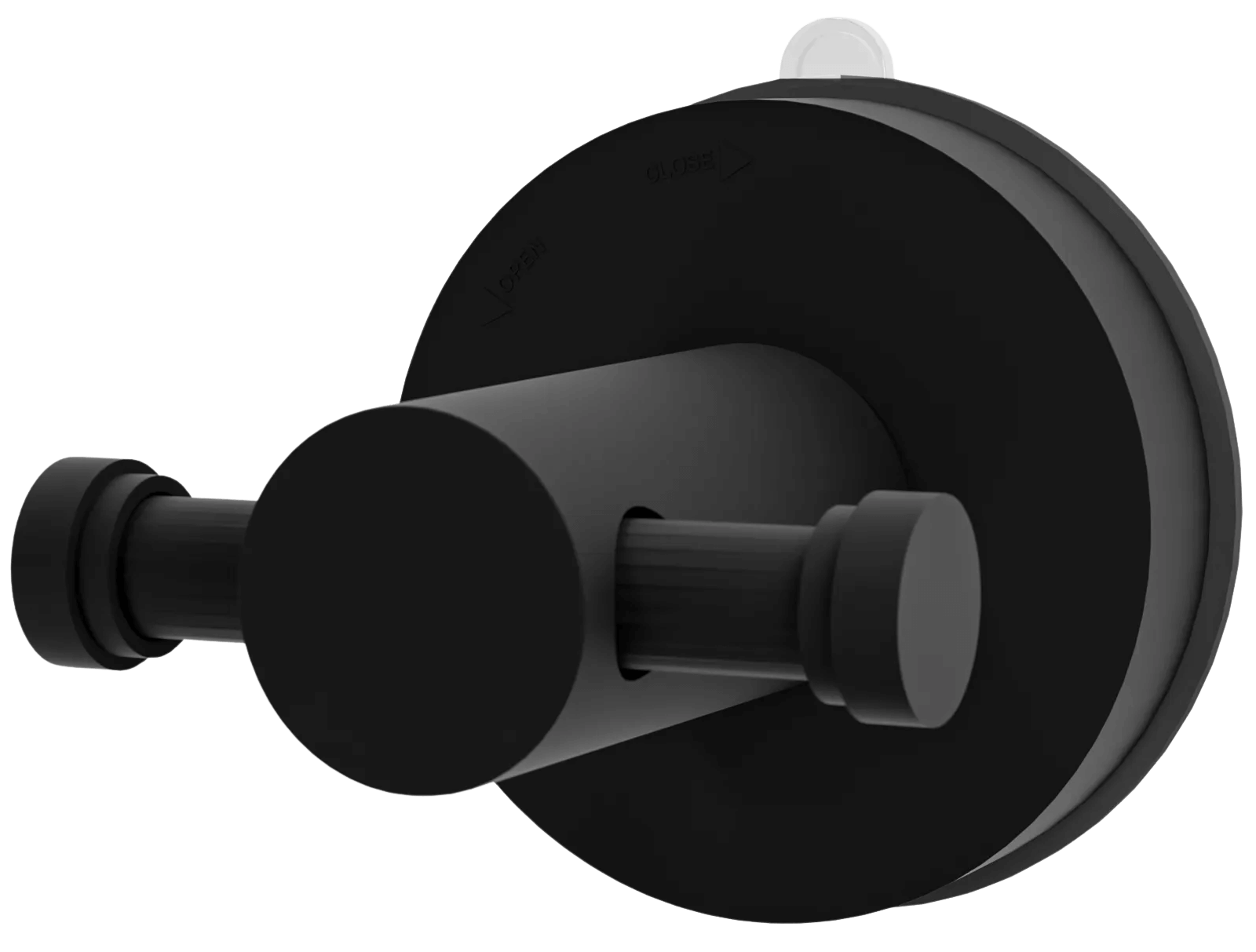
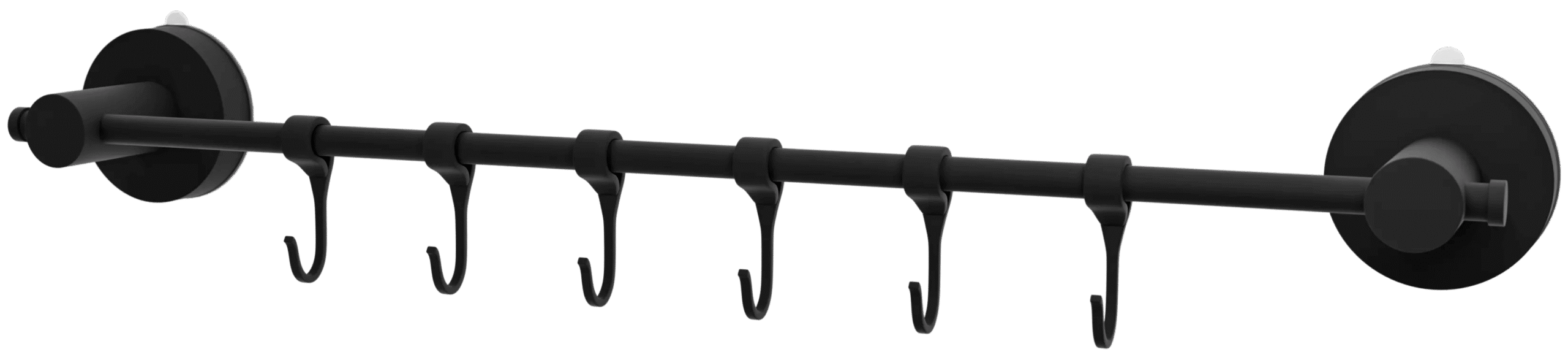
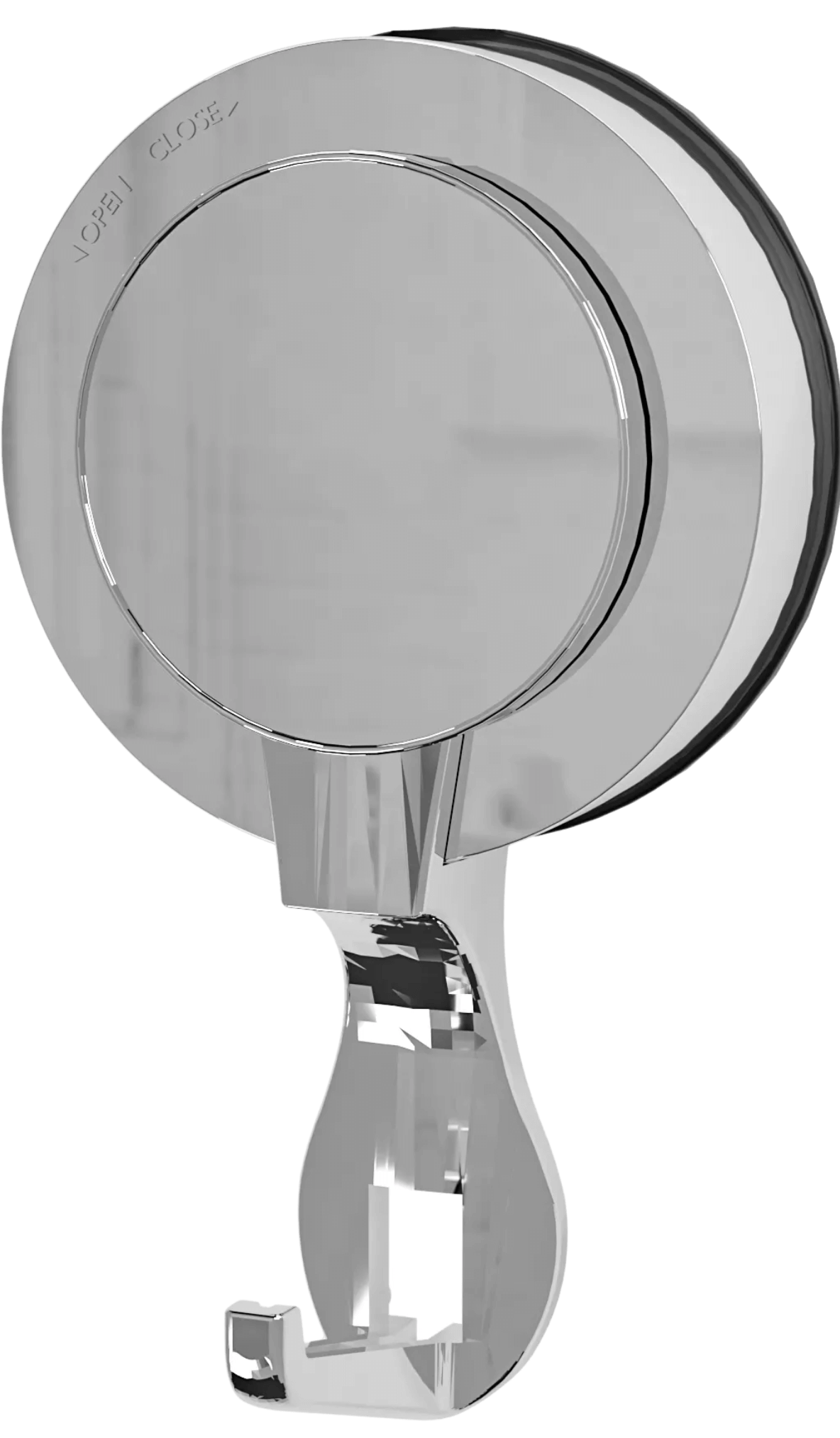
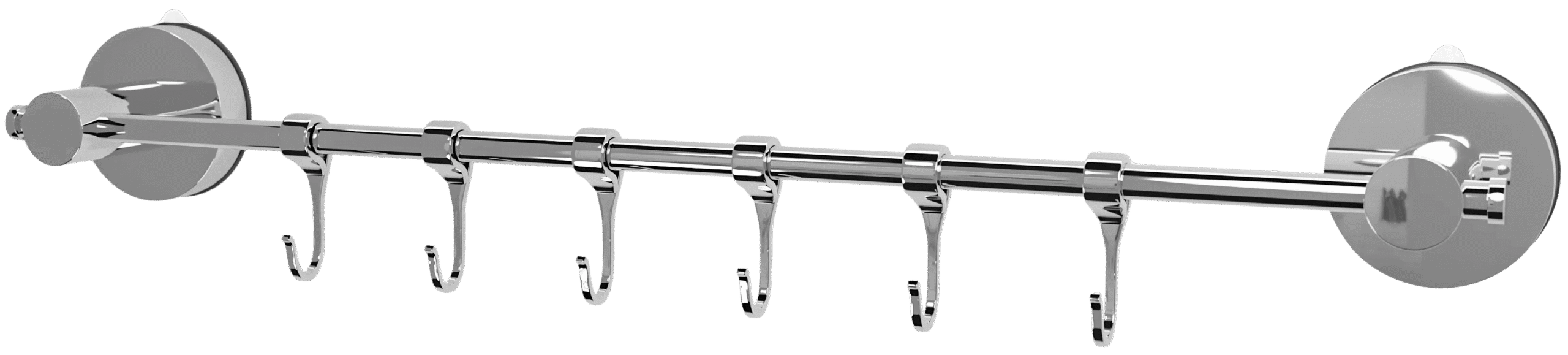
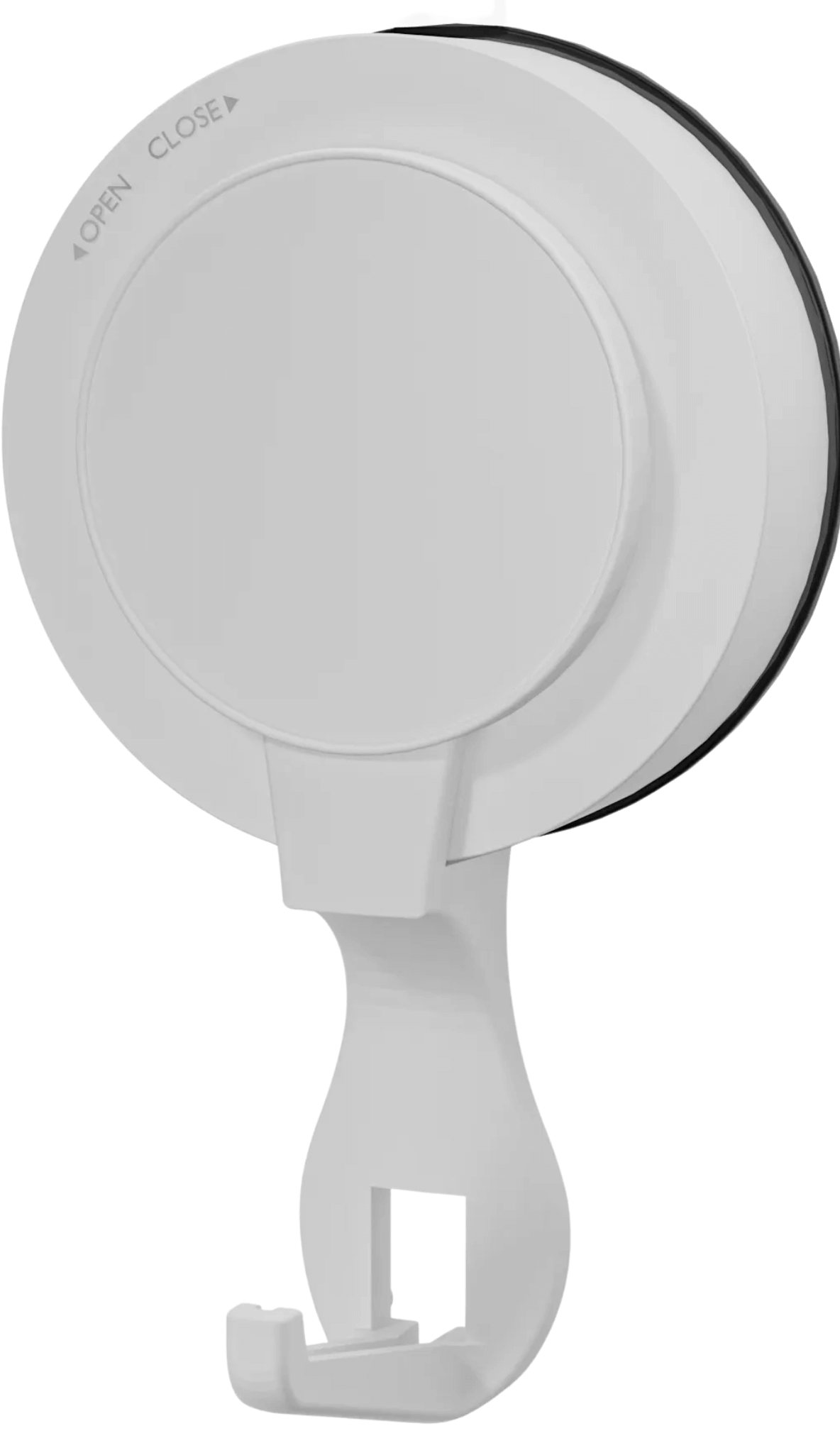
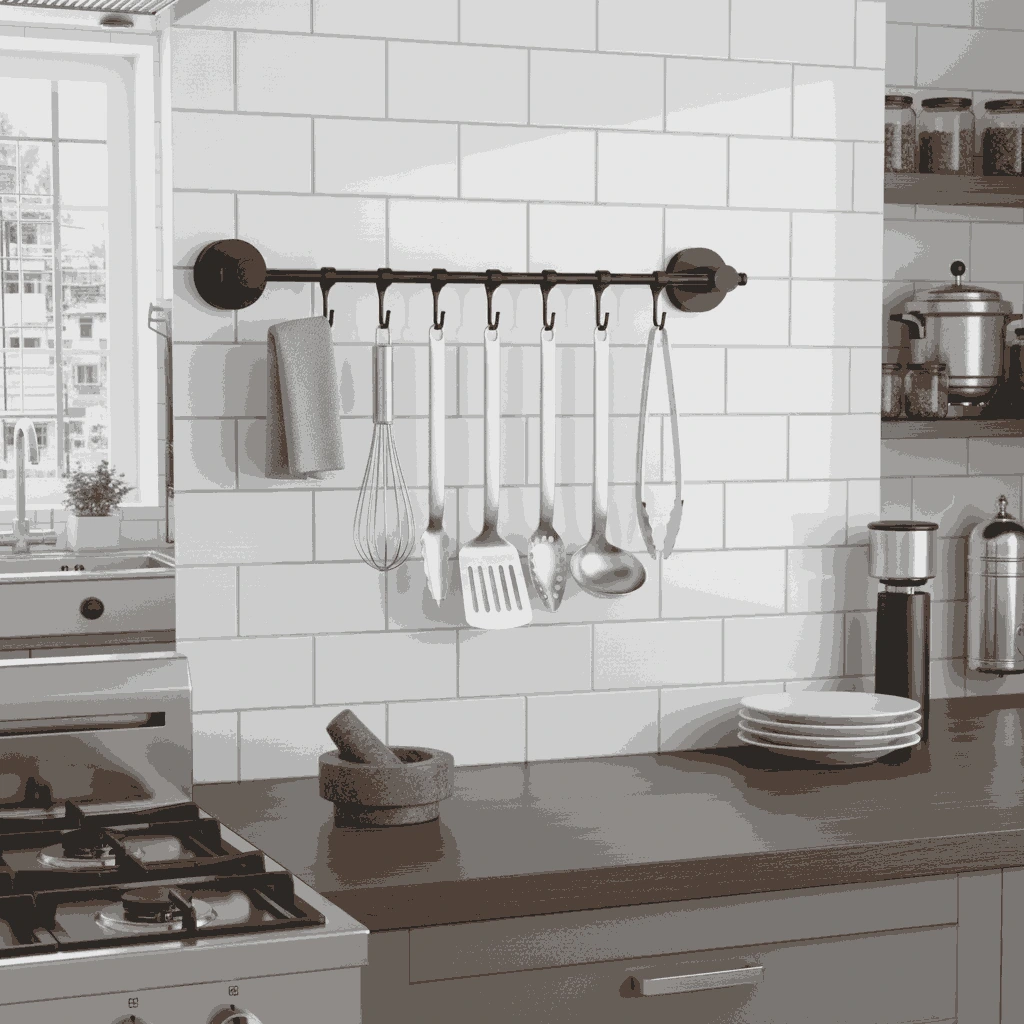
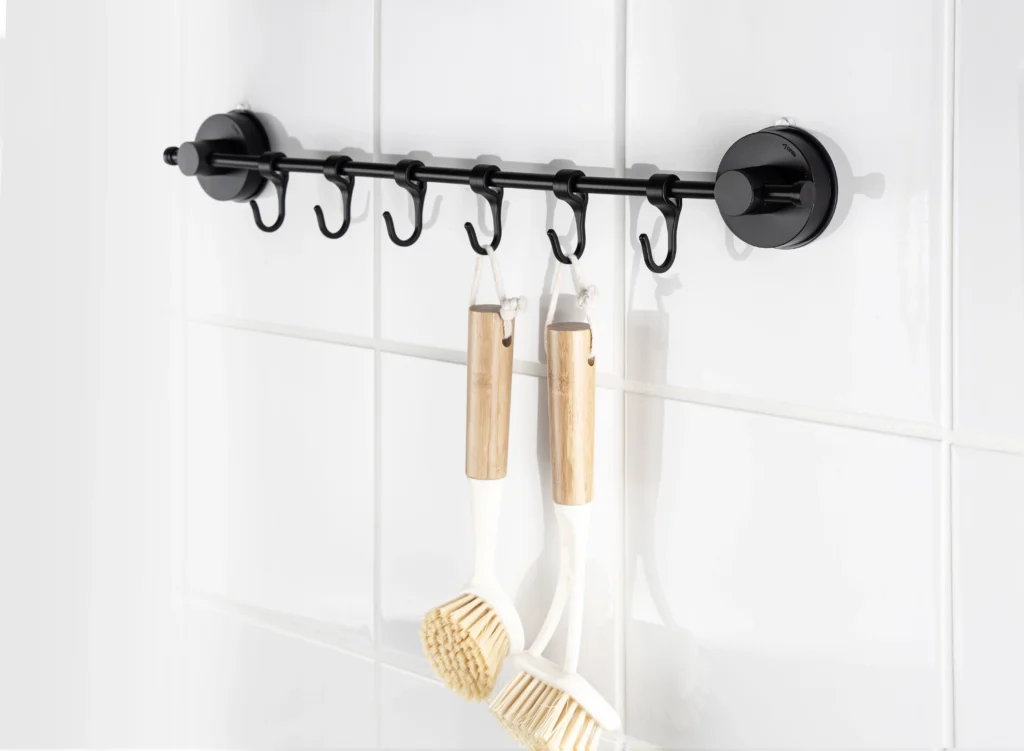
Wall Hooks and Magnetic Strips: ₹50-200 each, these are the cheapest way to add storage and get items off counters.
The beauty of this approach? You can organize a small kitchen effectively with a ₹2,000-3,000 budget, then expand as needs and budget allow.
Section 11: Advanced Organization Tips for Maximum Space
The Vertical Stacking Method
Learn to stack strategically:
- Plates: Stack plates with dividers to prevent wobbling and allow easy access to individual plates
- Bowls: Nest bowls inside each other, but use separators (paper plates or small towels) to prevent scratching
- Containers: Stack plastic containers with lids on top, nested inside each other to maximize space
- Baking sheets: Stand upright in a vertical file organizer rather than flat stacking
Vertical stacking can reduce the footprint of items by 40-50% compared to flat stacking.
The “Dead Space” Utilization
Small kitchens have surprisingly many dead zones:
Under the Sink: Install a pull-out organizer for cleaning supplies. Use the area efficiently, but keep it separate from food storage.
Top of Refrigerator: Ideal for rarely-used items like large serving platters or seasonal decorations.
Above Doors: Narrow wall space above kitchen or bathroom doors is perfect for slim floating shelves.
Inside Cabinet Doors: As mentioned earlier, maximize this vertical real estate with slim organizers.
Between Appliances: The gap between your refrigerator and wall or cabinet? Install a narrow rolling cart to store cooking oils, spices, or frequently used items.
The “Frequency-Based” Placement System
Organize by how often you use items:
- Daily items: Eye-level, arm’s reach
- Weekly items: Slightly lower or higher, but still accessible
- Monthly items: Upper shelves, deeper cabinets
- Seasonal items: Hidden away in least-accessible spots
This system dramatically improves cooking efficiency because you’re not constantly hunting for frequently used items.
Section 12: Real-World Case Study – Small Kitchen Transformations
Before and After Insights
Real kitchens in Mumbai apartments have been transformed from chaotic to efficient. One transformation involved:
Before: A 60 square-foot kitchen with cluttered counters, overflowing cabinets, and nowhere to work comfortably.
After: The same kitchen, reorganized with:
- Pull-out shelves for base cabinets
- Ceiling-mounted pot rack for pressure cookers
- Wall-mounted shelves above counter
- Glass container system for dry goods
- Masala box station near stove
- Under-cabinet spice racks
- Drawer dividers for utensils
Result: Cooking time reduced by 20%, family reported less stress, and the kitchen actually felt spacious.
Another kitchen transformation on a ₹4,000 budget used:
- Glass jars from online shopping recycled as storage containers
- Wooden wall shelves installed DIY style
- Wire baskets for under-counter storage
- Magnetic knife strip
- Wallpaper to cover imperfections
- Strategic lighting to enhance perception of space
The transformation proved that you don’t need to spend a fortune; you need smart planning.
Section 13: Technology and Modern Conveniences
Appliances That Maximize Small Kitchens
Choosing the right appliances matters enormously:
- Induction cooktops: Take less space than gas, heat food faster, easier to clean
- Compact microwave-convection ovens: Replace separate appliances
- Vertical storage refrigerators: Modern slim-profile fridges fit better into corner spaces
- Compact dishwashers: Space-saving models for apartments
These modern appliances provide full functionality while consuming minimal space – a crucial consideration in small kitchens.
Smart Storage Innovations
Consider modern storage solutions:
- Motorized pull-out shelves: Hands-free access to deep cabinet items (premium option)
- Smart labels: QR code labels that track inventory using your phone
- LED lighting inside cabinets: See exactly what you have without rummaging
While these represent premium investments, they make daily life significantly easier.
Section 14: Special Consideration – Kleverhomes Solutions for Small Kitchen Spaces
If you’re planning a more comprehensive kitchen reorganization or considering modular kitchen upgrades for your apartment,
offers specialized solutions for small apartment kitchens. They provide:
- Custom space-saving layouts optimized for apartments
- Modular designs that allow you to add storage incrementally
- Expert consultation for maximizing existing kitchen space
- Quality cabinetry and organization systems
For comprehensive kitchen design and implementation services, consulting professionals like Kleverhomes can help you create a customized solution that perfectly matches your space, cooking style, and budget.
Section 15: Maintenance – Keeping Your Organized Kitchen Organized
Weekly Organization Maintenance
Spend 15 minutes weekly on organization maintenance:
- Wipe down container labels and refresh any faded ones
- Reorganize drawers if items have migrated
- Discard expired items from spice collection
- Ensure items are returned to designated zones
Monthly Deep Organization
Once monthly:
- Deep clean shelves and reorganize
- Check pantry items for expiration dates
- Refresh your masala box if spices are running low
- Rearrange zones based on seasonal cooking needs (more khichdi ingredients in winter, more salad containers in summer)
Seasonal Kitchen Reset
Every quarter:
- Review what’s working and what isn’t in your organization system
- Adjust placements based on changing needs
- Donate duplicate items or tools you never use
- Refresh paint, liners, or aging organization materials
Section 16: Common Mistakes to Avoid
Mistake #1: Over-Buying Storage Solutions Without a Plan
Don’t go to a shop and buy random organizers. This leads to:
- Mismatched sizes that don’t fit together
- Unused storage items taking up space
- Wasted money on solutions you don’t need
Instead: Measure first, plan second, buy third.
Mistake #2: Storing Items Based on Aesthetics Instead of Function
Your beautiful container system looks great but doesn’t match how you actually cook? It won’t work long-term. Organization must match your actual cooking patterns and frequency of use.
Mistake #3: Placing Heavy Items Overhead
This is both unsafe and impractical. Reaching for a heavy pressure cooker above your head is dangerous. Place heavy items in base cabinets and on lower shelves.
Mistake #4: Ignoring Your Kitchen Work Triangle
Just jamming things into any available space? You’ll end up with an inefficient kitchen regardless of organization. Respect your layout and place items accordingly.
Mistake #5: Not Labeling Containers
Without labels, your beautiful glass container system becomes a guessing game. Label everything clearly, even if items look obviously different.
Mistake #6: Creating Systems That Family Members Don’t Understand
If your family doesn’t know where items live, your organization fails. Involve family members in the organization process and clearly communicate where things go.
Section 17: The Organization Checklist – Your Step-by-Step Action Plan
Follow this checklist to transform your kitchen:
Week 1: Audit and Planning
- ☐ Measure your kitchen dimensions and identify all storage areas
- ☐ List all items currently in your kitchen
- ☐ Identify your kitchen work triangle (sink-stove-fridge)
- ☐ Take “before” photos for motivation
- ☐ Research storage solutions within your budget
Week 2: Declutter and Clean
- ☐ Remove everything from cabinets and drawers
- ☐ Discard expired items, duplicates, and unused tools
- ☐ Clean all cabinets, shelves, and surfaces thoroughly
- ☐ Decide which items to keep, donate, or sell
Week 3: Purchase and Install
- ☐ Buy planned storage solutions (shelves, containers, organizers)
- ☐ Install any new shelving or hardware
- ☐ Assemble storage units
- ☐ Lay shelf liners
Week 4: Organize and Label
- ☐ Organize items into categories
- ☐ Place items in designated zones (prep, cooking, storage, serving)
- ☐ Place frequently used items at eye level and arm’s reach
- ☐ Label all containers clearly
- ☐ Take “after” photos to celebrate your success!
FAQs: About Small Kitchen Organization
Q1: What’s the best container material for dry goods in Indian kitchens?
A: Glass containers are ideal because they’re durable, transparent (so you can see contents), airtight-capable, and don’t leach chemicals. They cost ₹50-75 per jar. Plastic containers are budget-friendly (₹20-40 per container) but have shorter lifespans. For most Indian kitchens, a mix of glass for daily items and plastic for bulk storage works well.
Q2: How can I organize my kitchen without spending money on new storage solutions?
A: Use what you have: repurpose jars, use wooden boxes from deliveries as drawer organizers, install tension rods to create sections, use newspaper as shelf liners, hang items on hooks for vertical storage, and maximize dead spaces. You’d be surprised how much organization you can achieve for free or under ₹1,000.
Q3: My pressure cookers and heavy pans have no home – where should they go?
A: Heavy items belong in base cabinets, never overhead. Install a pan organizer or pull-out shelf in your base cabinet for daily-use pans. For rarely-used pressure cookers, store vertically in a deep cabinet. For frequently-used pressure cookers, a dedicated shelf or pull-out drawer keeps them accessible while protecting them from damage.
Q4: Should my spice storage be open or closed?
A: For daily masala boxes, open/accessible storage near your stove is essential for functionality. For backup spices and bulk storage, closed cabinets protect them from light and air, maintaining freshness longer. The ideal system uses both: accessible daily spices and closed backup storage.
Q5: How do I prevent my organized kitchen from getting messy again?
A: Create systems that match your actual lifestyle, involve family members in the organization (so they understand where items live), spend 15 minutes weekly on maintenance, and don’t over-organize in ways that feel tedious. The key is sustainability – your organization system should be easy to maintain, or it won’t last.
Conclusion: From Cramped to Capable – Your Action Steps
Your small apartment kitchen doesn’t have to be a source of daily frustration. With strategic planning, smart vertical storage, container systems, and zone-based organization, you can transform even the tiniest kitchen into a highly functional space where cooking is actually enjoyable.
The beauty of kitchen organization is that it’s not a one-time project – it’s a journey. Start with one area (perhaps your spice collection or under-sink storage), experience the positive impact, and gradually expand to other zones. Your confidence and momentum will grow with each success.
Your next step? This week, pick one problem area – whether it’s overflowing cabinets, chaotic drawers, or that corner that’s impossible to access. Spend two hours organizing just that one area. Experience how much better it feels to have a functional, organized space. Then, next week, tackle another area.
Within a month, your entire kitchen will feel transformed. Within three months, you’ll have created a system that becomes second nature. And years from now, you’ll wonder how you ever lived with your kitchen the other way.
Remember: an organized small kitchen beats a disorganized large kitchen every single time. You’ve got this.