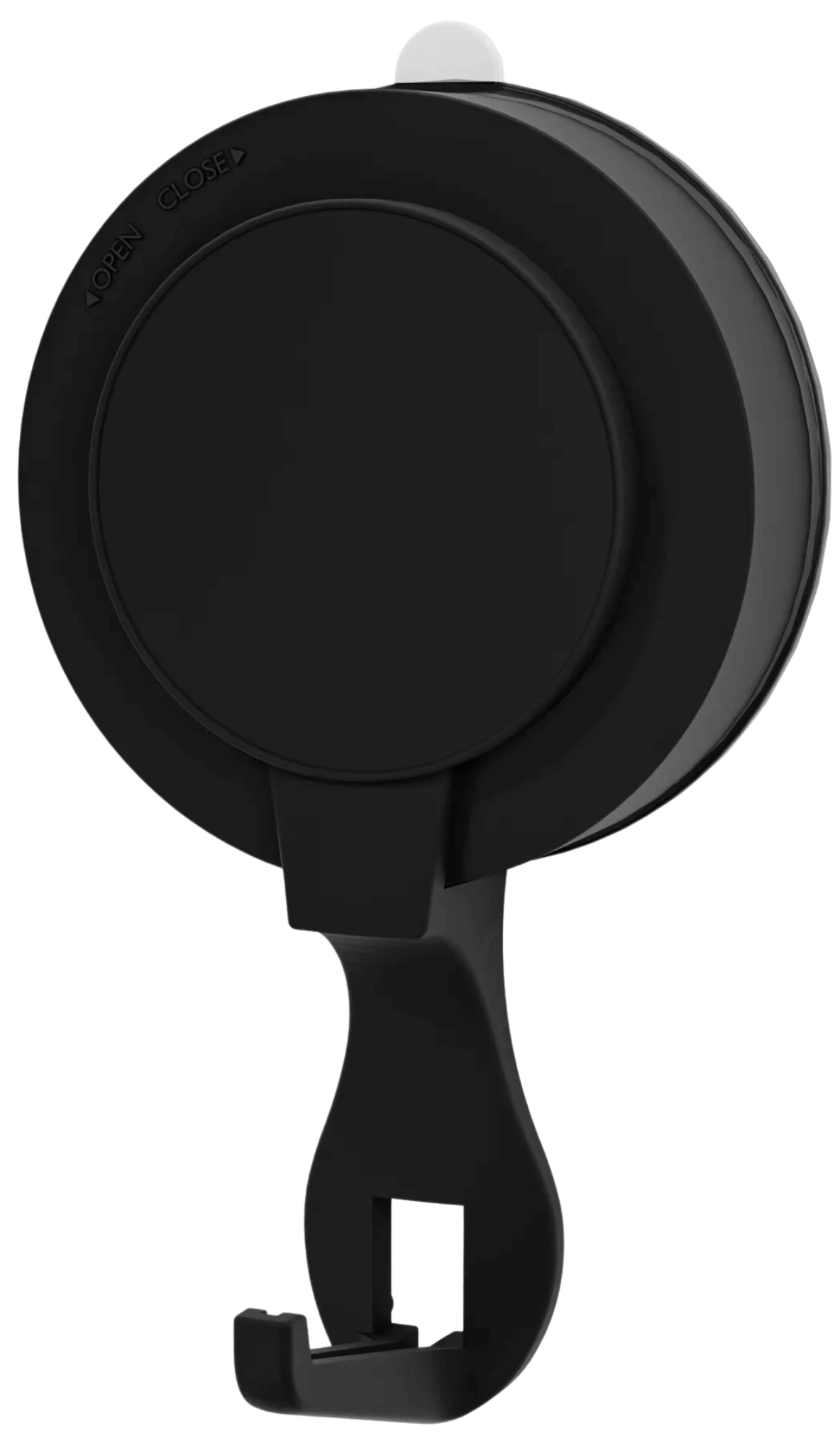
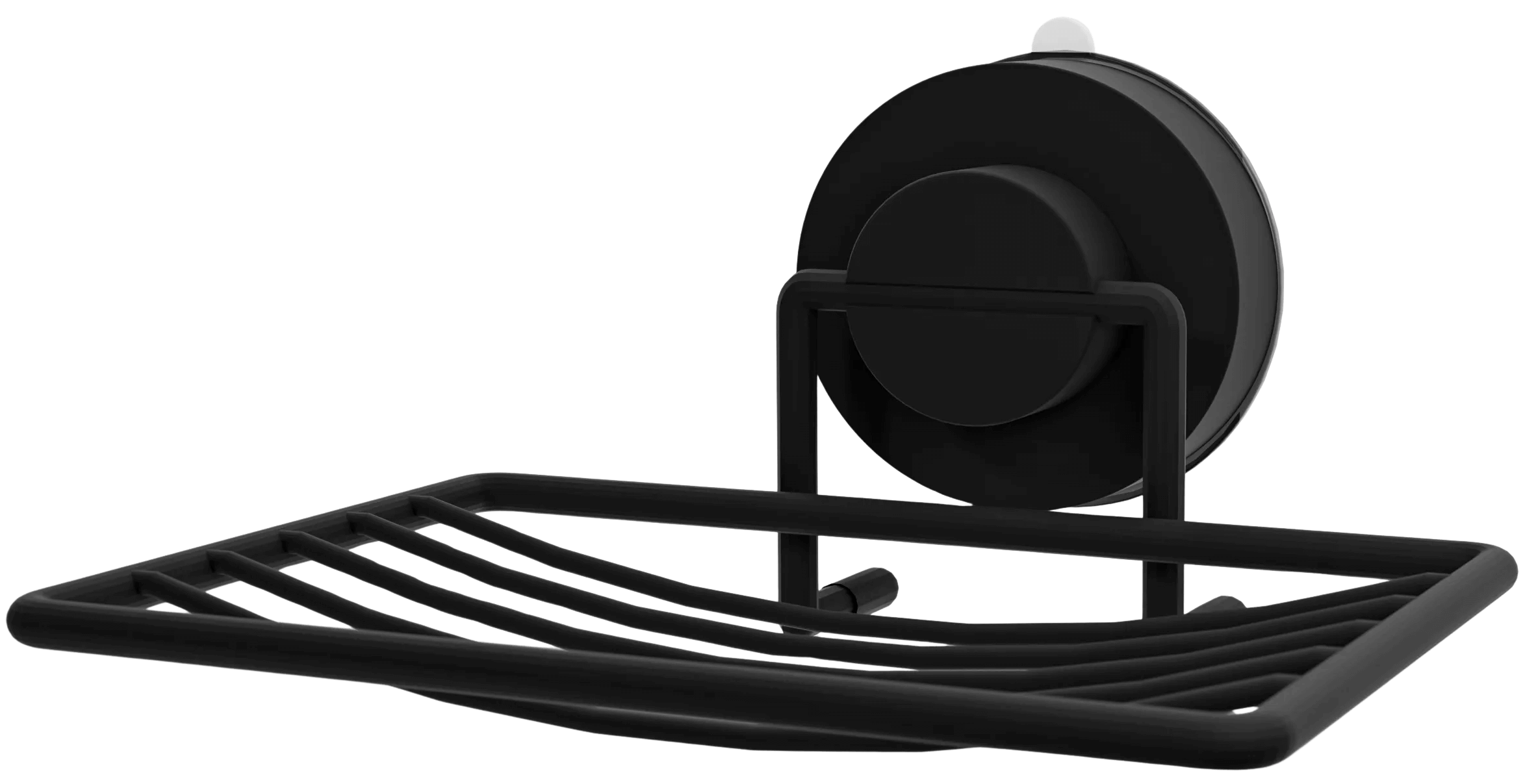
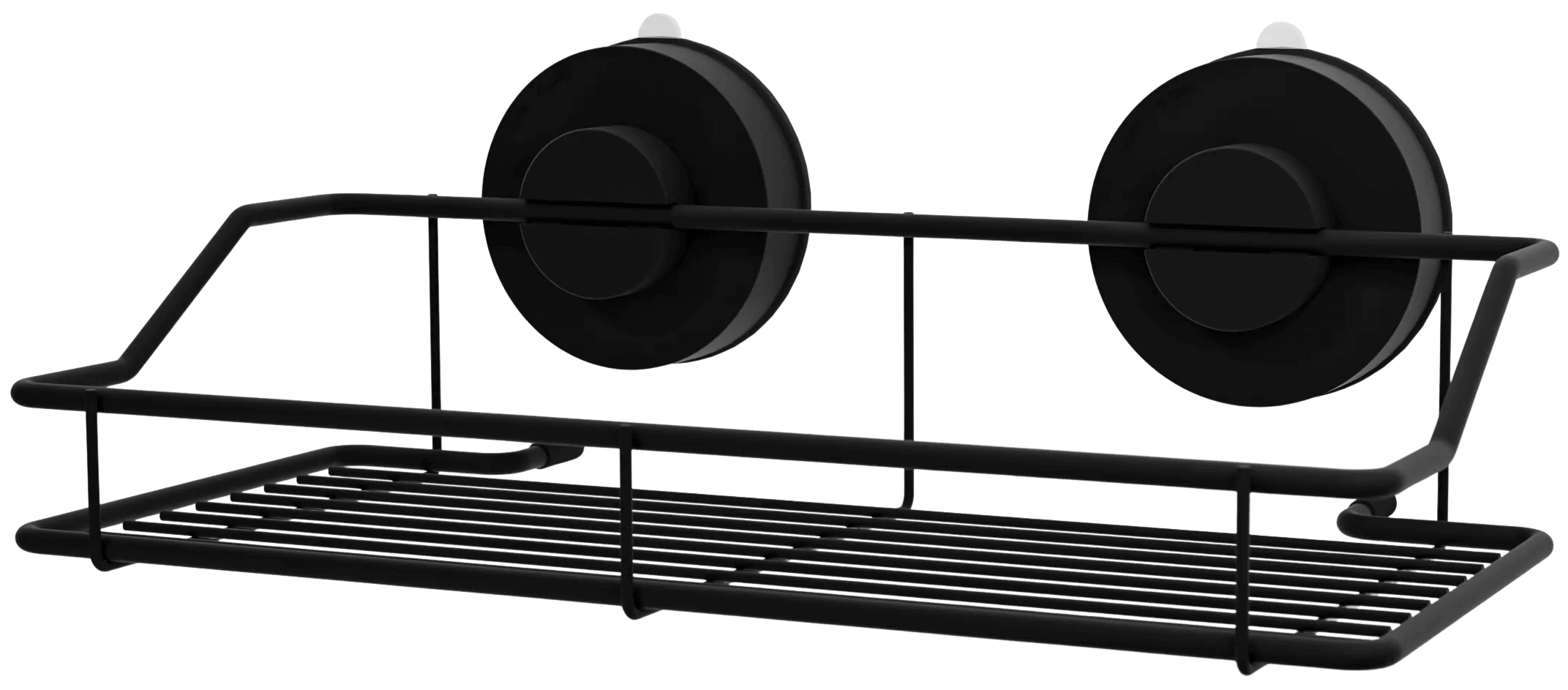
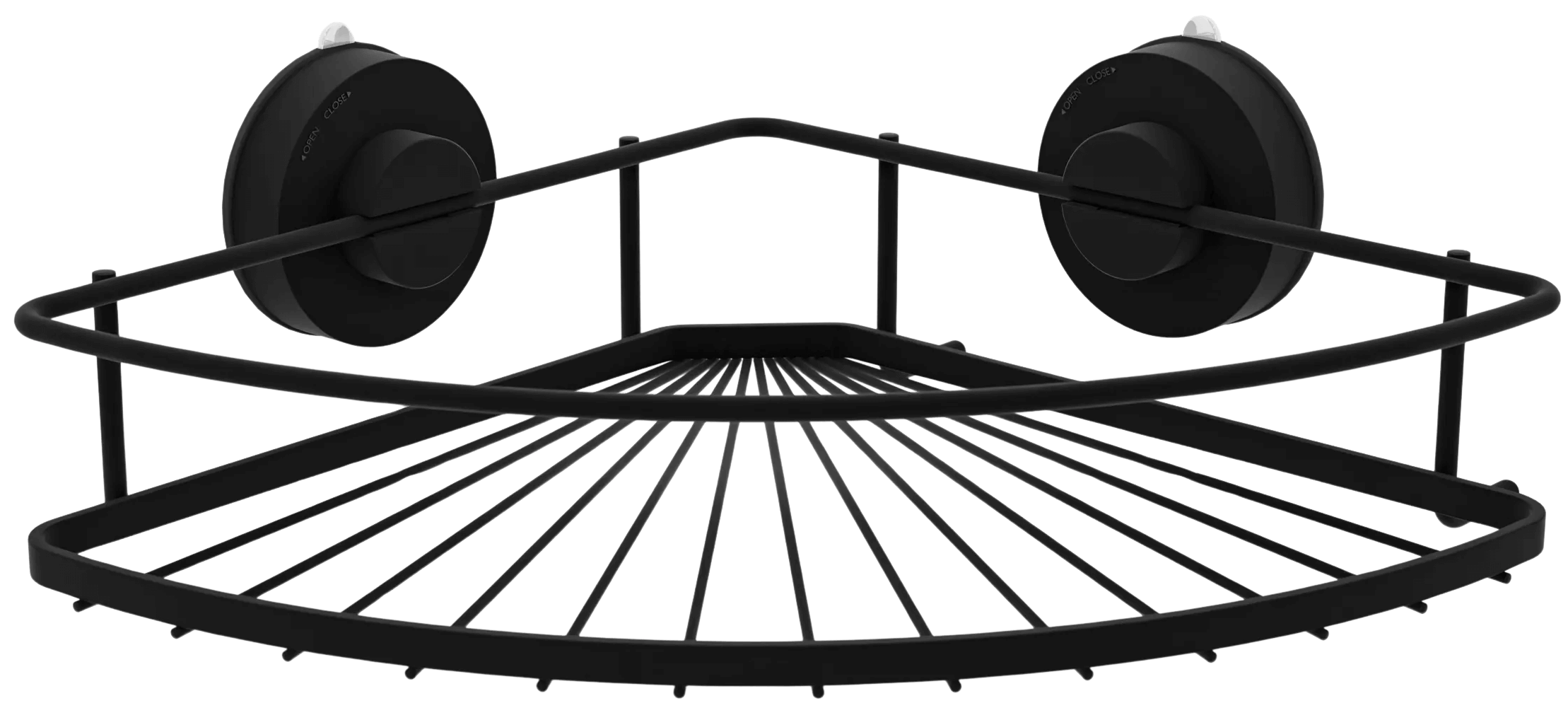

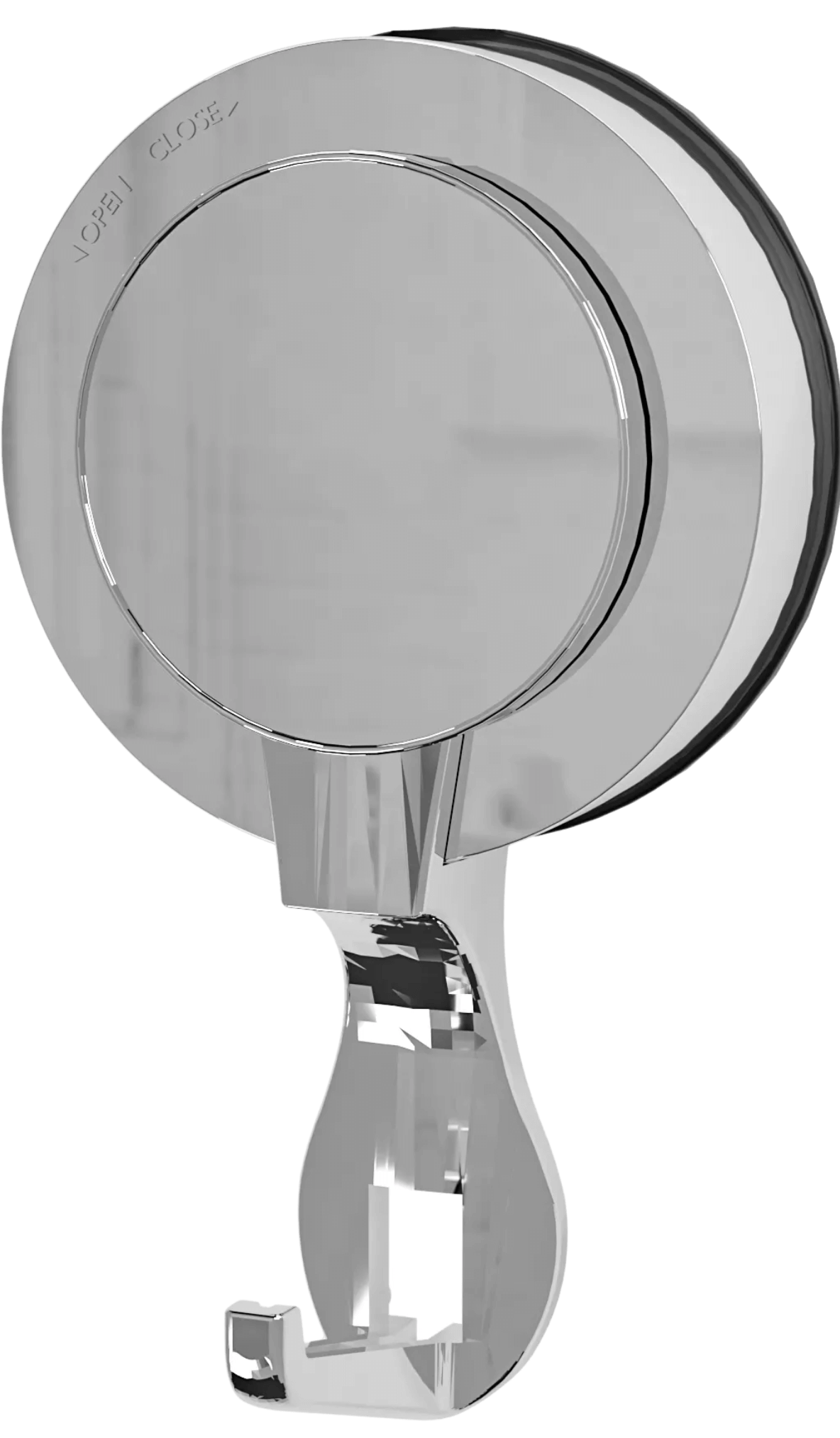
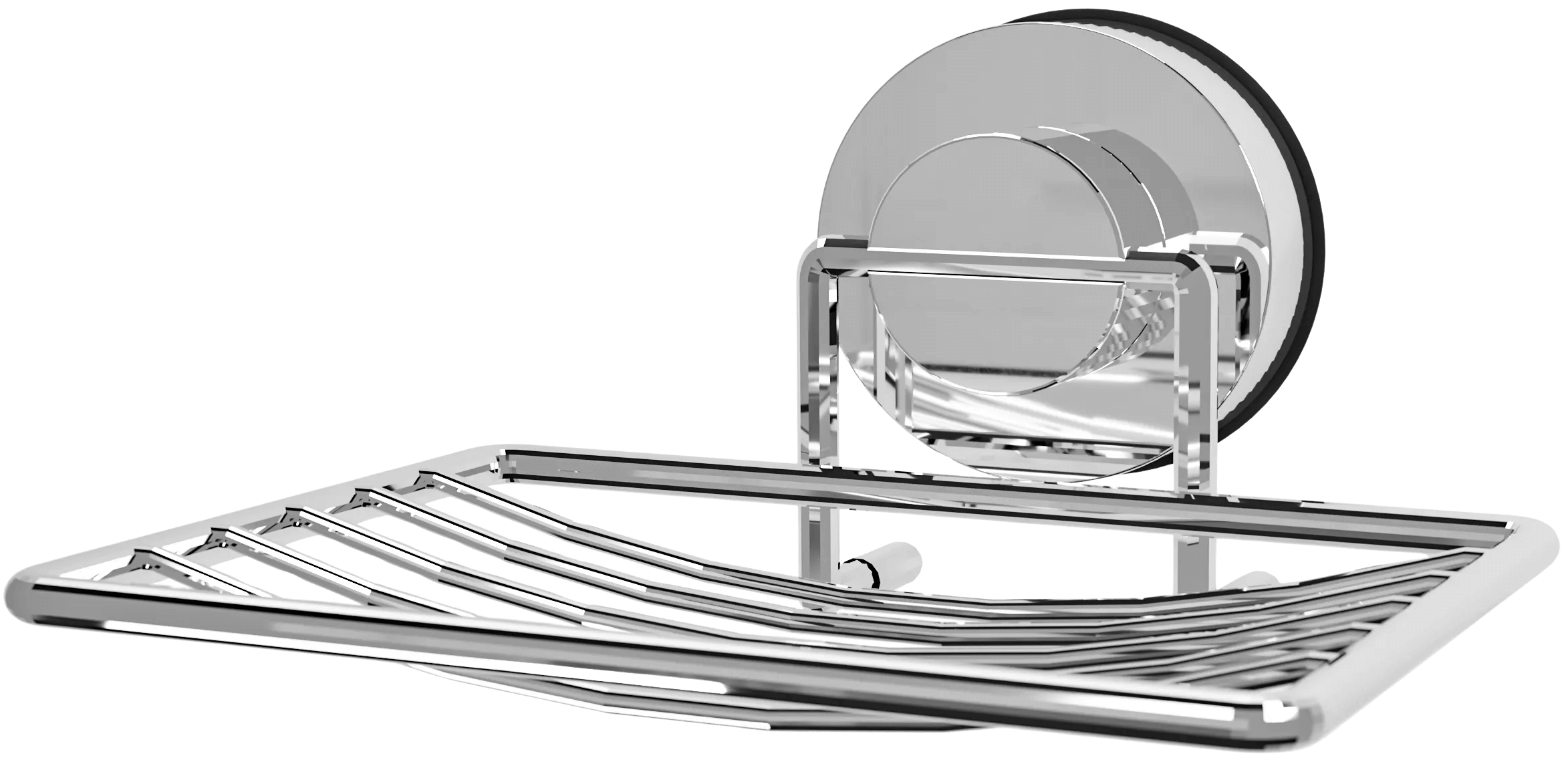
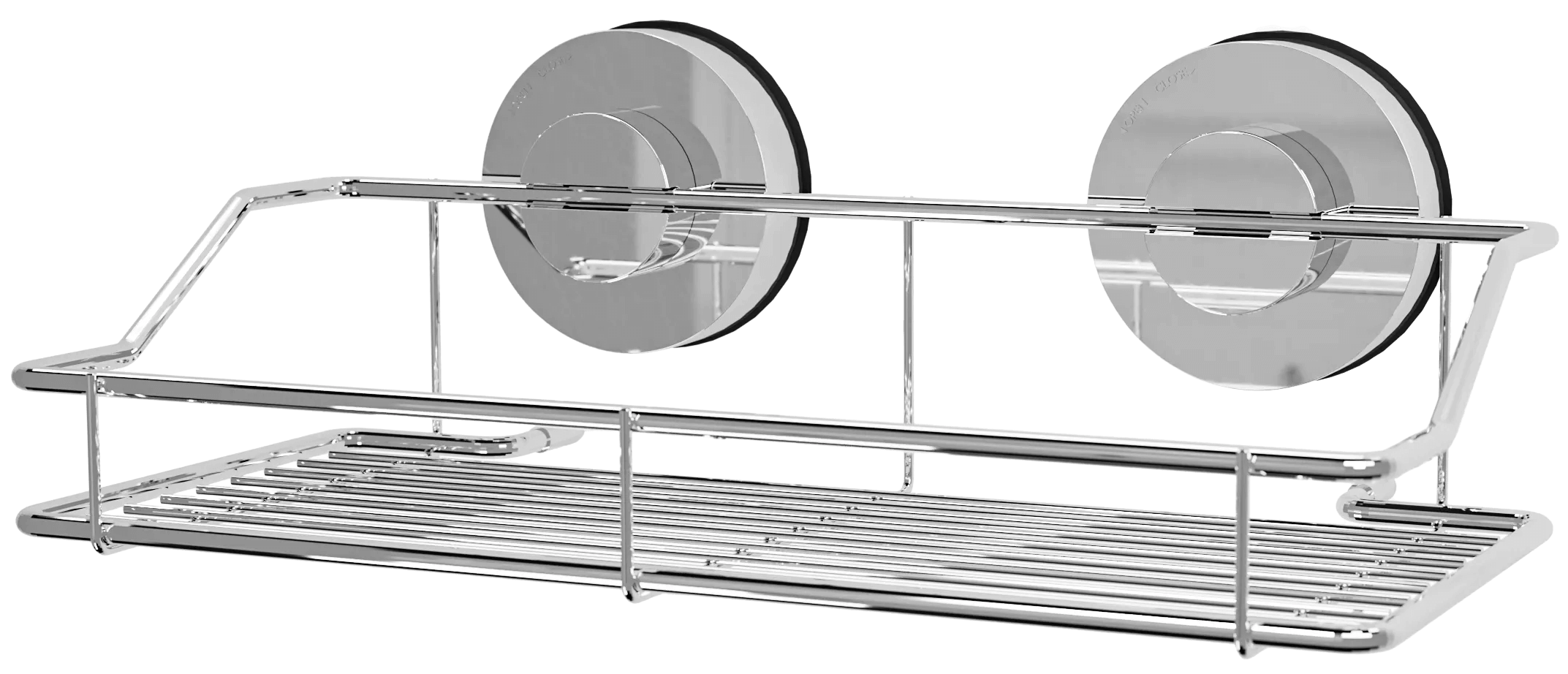
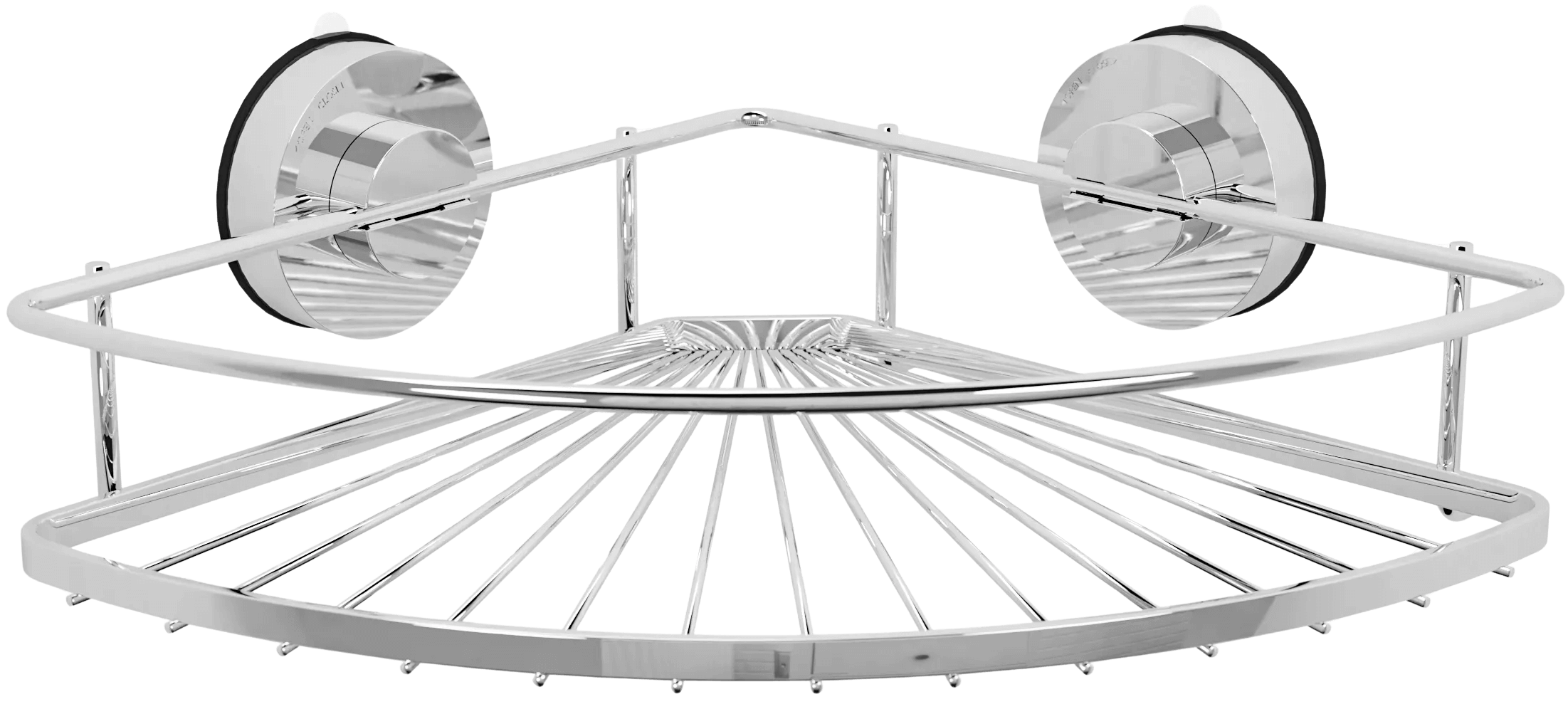

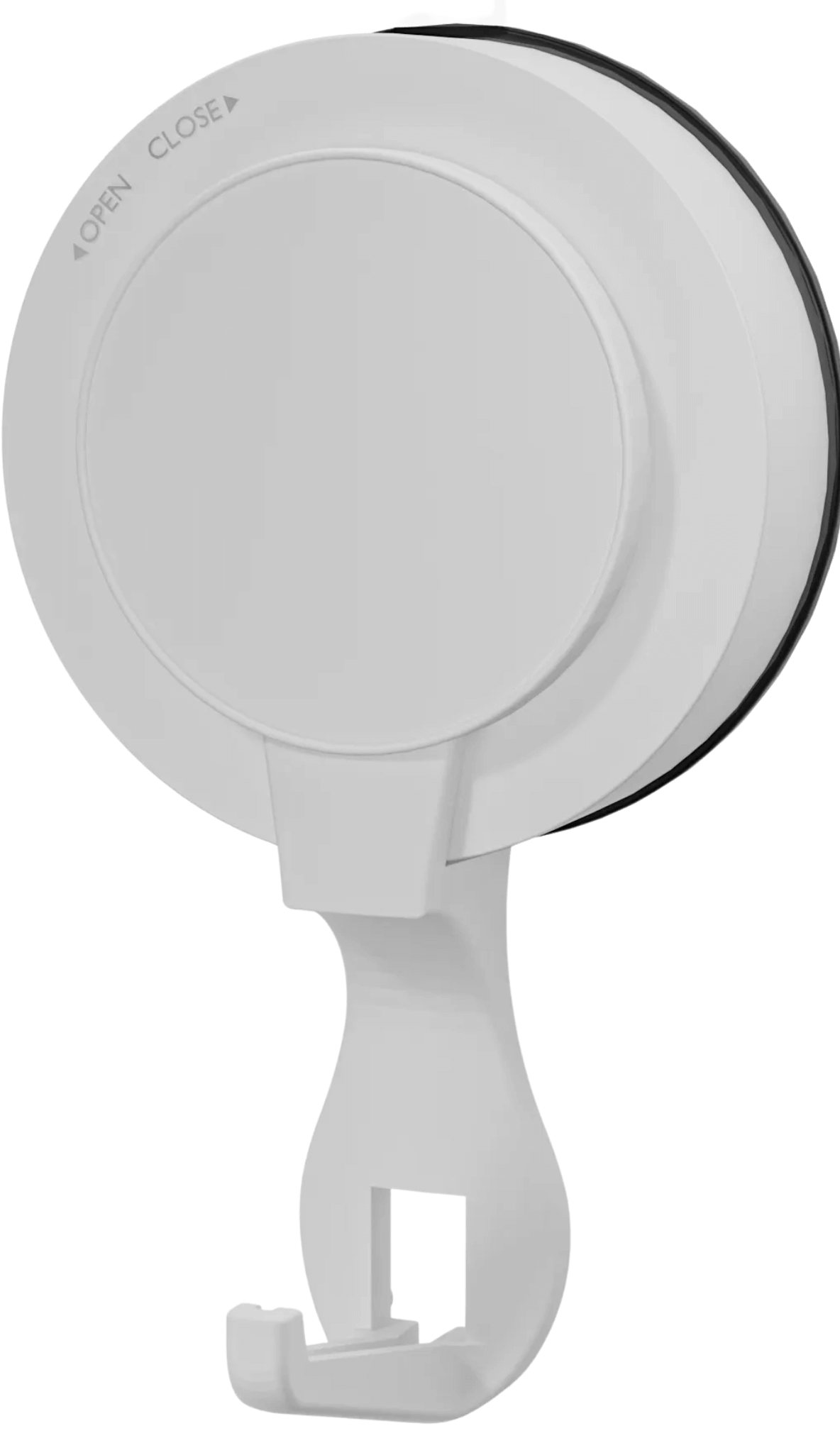
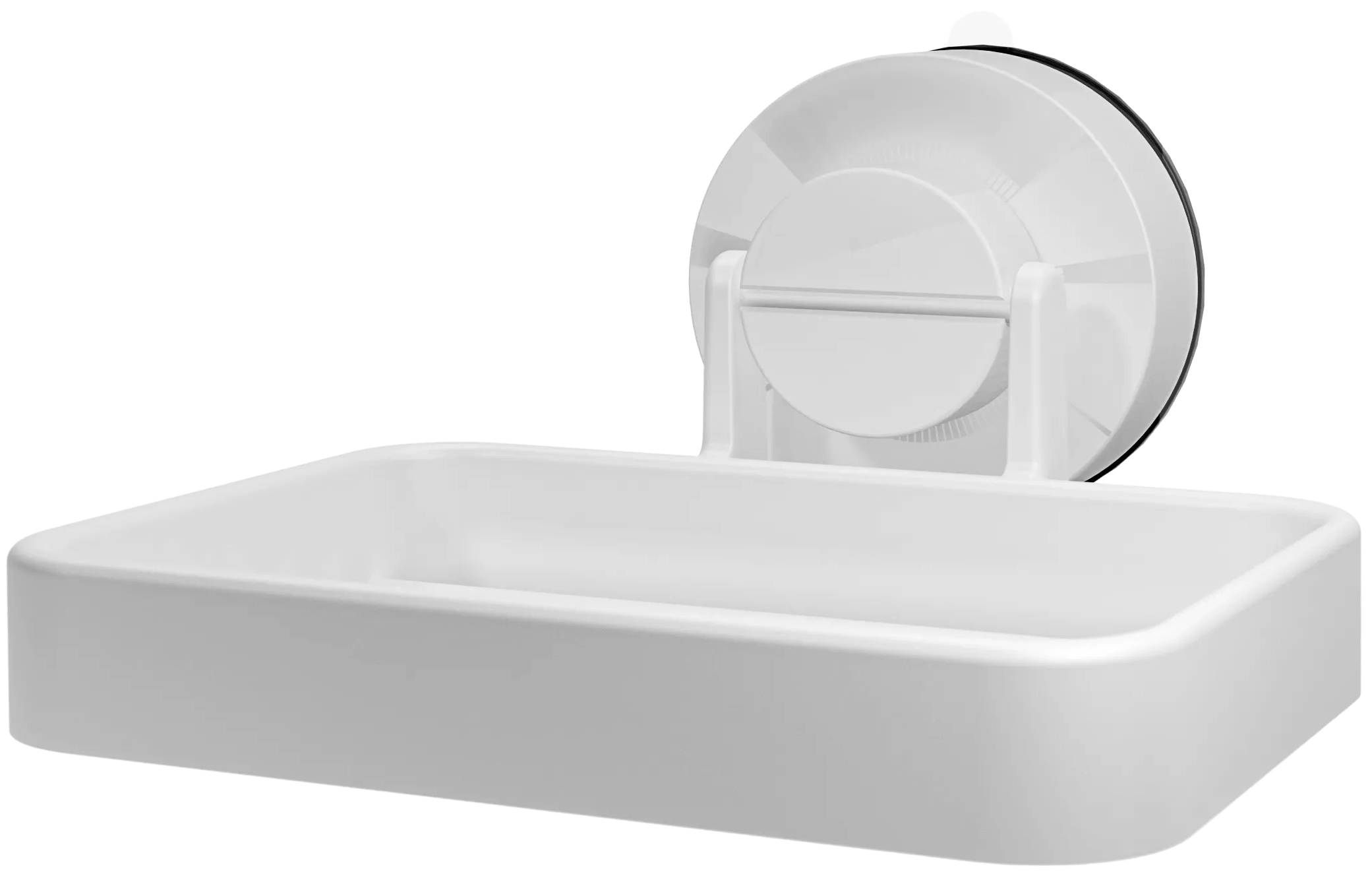
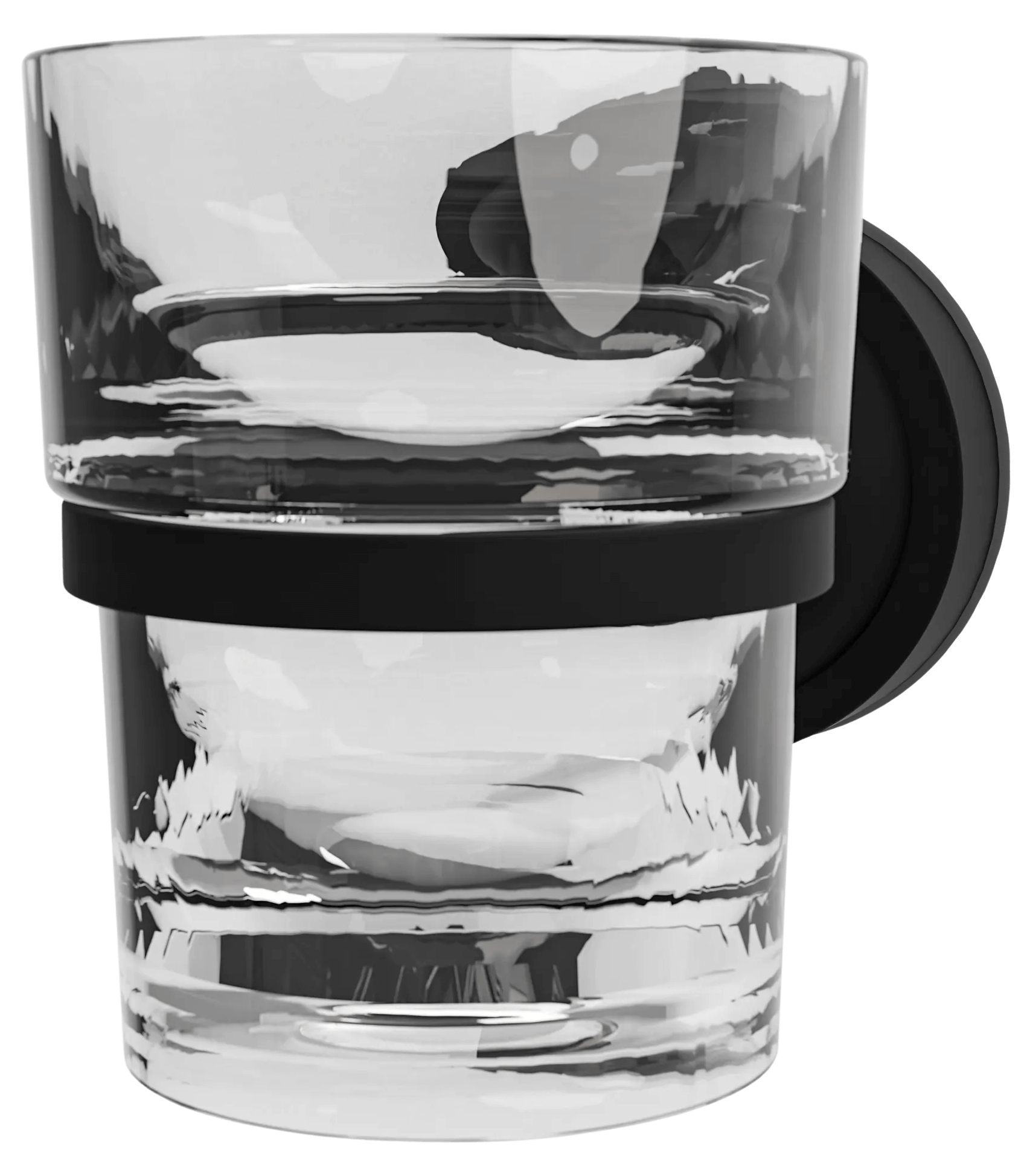
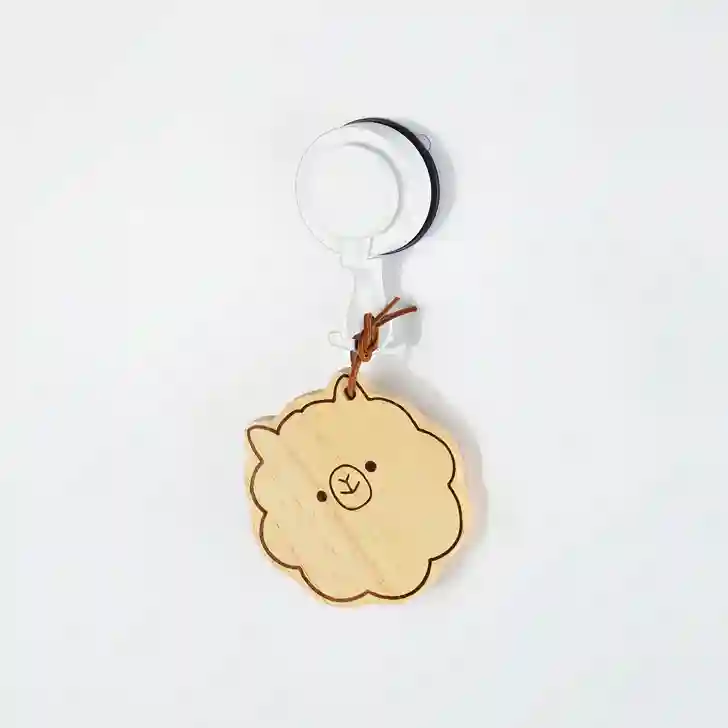
Are you tired of hammering nails into your pristine walls only to see paint chips flying everywhere? Or perhaps you’ve experienced the frustration of an adhesive hook giving up and sending your favorite photo frame crashing to the floor? You’re not alone. Heavy duty sticky wall hooks have become India’s go-to solution for damage-free hanging but understanding their actual weight limits can mean the difference between organized bliss and a DIY disaster.
In the Indian market, heavy duty adhesive wall hooks typically claim weight capacities ranging from 5 kg to 15 kg, with most reliable options supporting 10 kg maximum. However, the real-world performance depends on factors like surface type, installation technique, humidity levels, and adhesive quality. This comprehensive guide will walk you through everything you need to know about choosing, installing, and maximizing the lifespan of sticky wall hooks in Indian homes.
Understanding Heavy Duty Sticky Wall Hooks
What Makes a Wall Hook “Heavy Duty”?
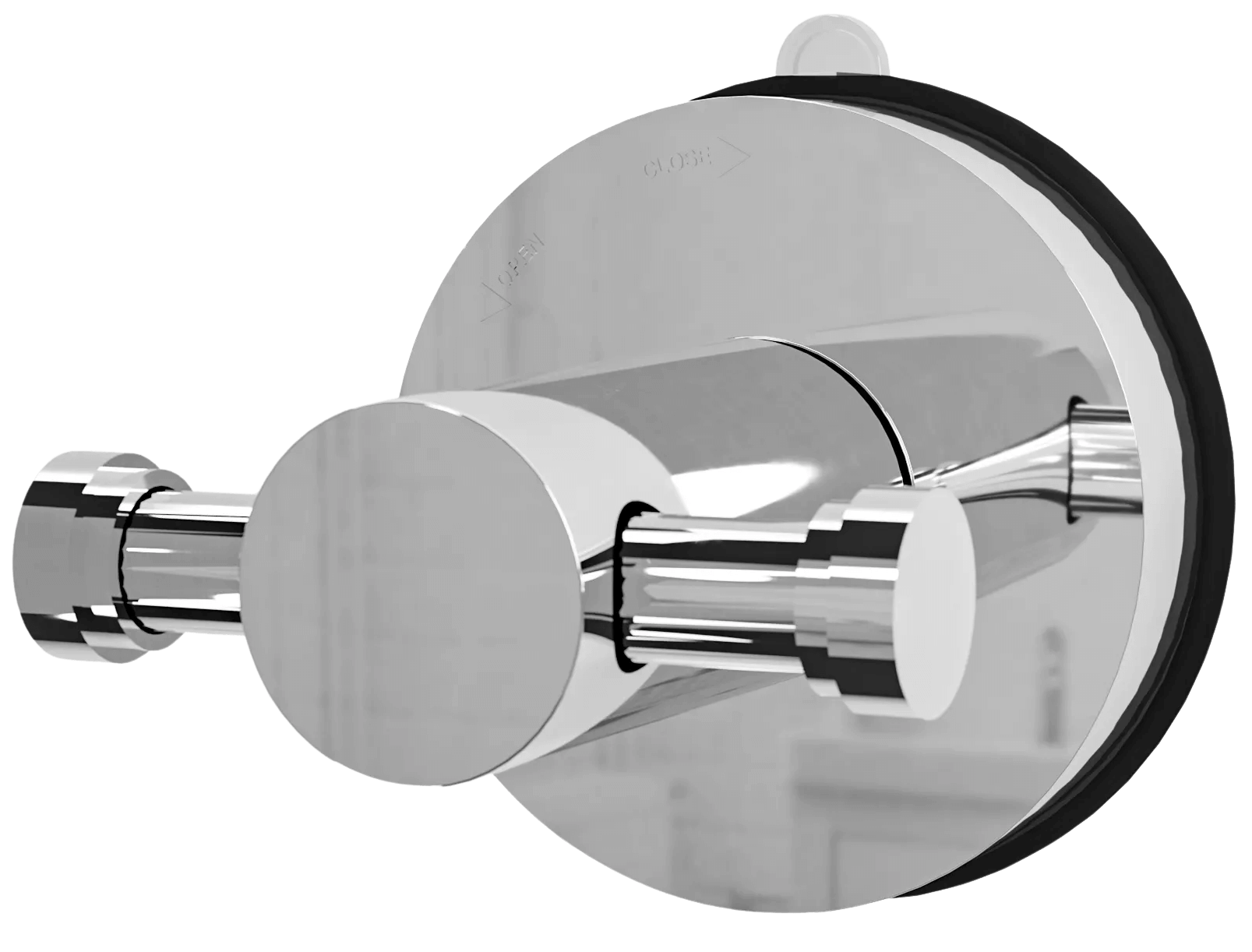
Heavy duty adhesive wall hooks aren’t just regular sticky hooks with clever marketing. They’re engineered products featuring industrial-grade acrylic adhesives, reinforced plastic or stainless steel construction, and larger bonding surfaces designed to distribute weight more effectively.
Think of it this way: A regular hook is like a compact car perfect for daily errands. A heavy duty hook is your SUV built to handle serious loads without breaking a sweat. The key differences include:
- Adhesive composition: Premium hooks use 3M VHB (Very High Bond) tape or similar industrial adhesives that create molecular bonds with surfaces
- Material quality: Stainless steel or ABS plastic construction versus flimsy materials that bend under pressure
- Surface area: Larger backing plates distribute weight across more square centimeters, reducing stress concentration
- Waterproofing: Quality hooks feature moisture-resistant adhesives crucial for Indian bathrooms and kitchens where humidity exceeds 70%
Why Indian Households Are Switching to Adhesive Hooks
India’s rental housing market is booming, with 82% of young professionals preferring rented accommodations in metro cities. For renters, drilling holes means losing security deposits making damage-free adhesive hooks a financial no-brainer. Even homeowners appreciate preserving wall integrity, especially on expensive tiled surfaces or freshly painted walls.
Beyond convenience, these hooks solve uniquely Indian challenges: monsoon humidity that weakens traditional nails, concrete walls requiring heavy-duty drilling equipment, and the flexibility to reorganize spaces during festivals without permanent damage.
The Weight Limit Reality Check
Decoding Manufacturer Claims vs Real-World Performance
When you see “10 kg capacity” printed on packaging, here’s what manufacturers aren’t telling you: That weight limit assumes perfect conditions—a smooth glass surface, 25°C temperature, professional installation, and zero humidity. In actual Indian homes? The story changes dramatically.
Standard Weight Categories in India:
| Hook Type | Claimed Capacity | Realistic Capacity | Best Use Cases |
| Light Duty Transparent Hooks | 2-5 kg | 1-3 kg | Keys, small frames, kitchen towels |
| Medium Duty Adhesive Hooks | 5-8 kg | 3-5 kg | Coats, bags, bathroom accessories |
| Heavy Duty Stainless Hooks | 10-15 kg | 6-10 kg | Pots, heavy frames, organizing racks |
Here’s the uncomfortable truth: A hook rated for 10 kg might only safely hold 6-7 kg on your painted bedroom wall during Delhi’s 45°C summer. Surface texture, paint quality, ambient temperature, and installation errors all conspire to reduce actual capacity by 30-40%.
What Determines Your Hook’s True Strength?
Surface Type: Your Foundation Matters
Adhesive hooks create chemical bonds at the molecular level and not all surfaces cooperate equally. Here’s how different Indian home surfaces rank:
- Best performers (95-100% adhesion): Ceramic tiles, glass, polished marble, stainless steel, acrylic shower panels
- Moderate performers (60-80% adhesion): Smooth painted walls (oil-based paint), laminated wood, glossy wallpaper
- Poor performers (20-50% adhesion): Textured walls, cement paint, rough concrete, porous stone, matte wallpaper
That decorative textured paint trending on Instagram? It’s your hook’s worst enemy. The adhesive can’t make full contact with the surface, creating air pockets that reduce bonding strength by half.
Environmental Villains: Heat, Humidity, and Dust
Indian homes face environmental extremes that Western-designed hooks weren’t built to handle. Mumbai’s 85% monsoon humidity can weaken adhesive bonds over weeks, while Rajasthan’s summer heat literally melts inferior glues. Delhi’s dust infiltration creates microscopic barriers between adhesive and wall, silently sabotaging your installation.
Temperature fluctuations are particularly brutal. When your kitchen wall heats up from 22°C (morning) to 38°C (afternoon cooking session), the adhesive expands and contracts. Repeat this cycle daily for months, and even premium hooks develop fatigue.
Installation: The Make-or-Break Moment
The Professional Installation Protocol
Want to know why your neighbor’s hooks hold firm while yours keep falling? It’s not luck—it’s technique. Follow this exact sequence for maximum bonding strength:youtube+1
Step 1: Surface Preparation (5 minutes)
Clean the target area with isopropyl alcohol (rubbing alcohol), not water or household cleaners. Why? Regular cleaners leave invisible residue oils, fragrances, surfactants that prevent molecular bonding. Dampen a clean cloth with 70-90% isopropyl alcohol and wipe thoroughly. Wait 2-3 minutes for complete evaporation.
Step 2: Temperature Check
Avoid installation during extreme temperatures. Ideal conditions: 18-25°C ambient temperature. If installing during summer, choose early morning when walls are coolest.
Step 3: Adhesive Application (Critical)
Remove the protective liner from the hook’s adhesive backing. Align the hook to your desired position—you get ONE chance at this; repositioning destroys the bond. Press firmly against the wall for a full 30 seconds, applying consistent pressure across the entire backing plate.
Here’s the secret professionals know: Use your palm, not fingers. Palm pressure distributes force evenly, while finger pressure creates weak spots.youtube
Step 4: The Waiting Game
This is where most people fail. Manufacturers recommend waiting 1 hour minimum before hanging anything. For heavy items (above 5 kg), wait 24-72 hours to allow the adhesive to cure fully and develop maximum bond strength.
Think you can cheat this step? The adhesive needs time to flow into microscopic surface irregularities and create mechanical interlocking. Rush this process, and you’re working with 50% bonding strength.
Common Installation Mistakes Costing You Money
Mistake #1: Dirty Surface Syndrome
You wiped the wall with a damp cloth that’s enough, right? Wrong. Water and multipurpose cleaners leave residue that acts as a “slip layer” between adhesive and wall. Always use isopropyl alcohol.
Mistake #2: Immediate Loading
Installing a hook at 10 AM and hanging your 8 kg wall clock by 10:15 AM is a recipe for disaster. The adhesive hasn’t developed full bond strength yet. Patience saves money.
Mistake #3: Ignoring Environmental Factors
Installing hooks in a bathroom immediately after a hot shower (100% humidity, 35°C temperature) or during monsoon season without proper ventilation dramatically reduces adhesion. Wait for dry, moderate conditions.
Mistake #4: Surface Selection Blindness
Trying to stick a heavy duty hook on that beautiful rough-textured feature wall? The math doesn’t work—you’re reducing contact area by 60-70%. Choose smooth surfaces or accept lower weight capacity.
Strategic Hook Selection for Indian Homes
Matching Hooks to Your Hanging Needs
Not all hooks are created equal, and choosing the wrong one guarantees failure. Here’s your decision framework:
For Kitchen Organization (2-6 kg loads)
Kitchen utensils, ladles, oven mitts, and lightweight pots require waterproof, grease-resistant hooks rated 5-8 kg. Look for stainless steel construction that won’t rust near the sink. Brands like KleverHomes (available at kleverhomes.com offer specialized kitchen-grade adhesive hooks designed for Indian cooking environments where oil vapors and steam are constants.
For Bathroom Applications (1-5 kg loads)
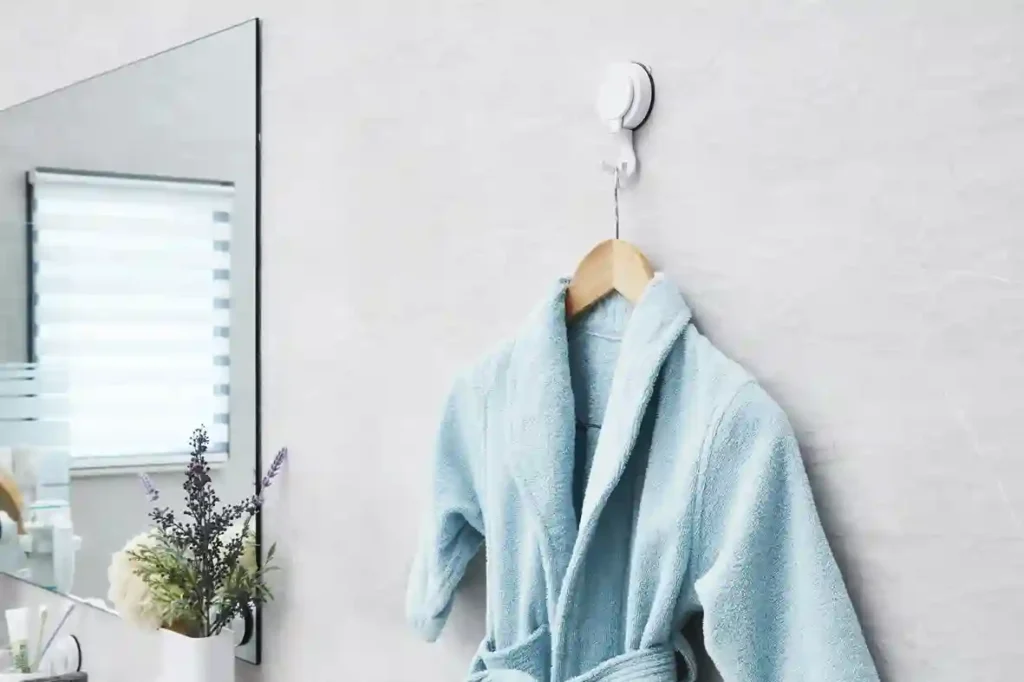
Towels, robes, and bathroom accessories need waterproof certification—not just water-resistant. The difference? Waterproof hooks use silicone-enhanced adhesives that maintain bonding even when constantly exposed to moisture and temperature swings from hot showers. Standard hooks will fail within 2-3 months in bathroom conditions.
For Living Room Decor (3-10 kg loads)
Photo frames, wall clocks, and decorative items benefit from transparent hooks that disappear visually. For items above 5 kg, consider using two hooks for weight distribution rather than trusting a single hook at its maximum capacity.
For Bedroom Organization (2-8 kg loads)
Coats, bags, hats, and jewelry organizers work well with medium-duty hooks (5-8 kg capacity). Position hooks at appropriate heights: 150 cm for coats, 170 cm for bags, 140 cm for hats.
Brands Worth Your Money (and Ones to Avoid)
The Indian market floods with cheap hooks claiming miraculous weight limits. Here’s reality based on user reviews and testing:
Premium Tier (₹150-400 per hook):
- 3M Command Hooks: Industry gold standard, actual performance matches claimsyoutube
- KleverHomes Heavy Duty Range: Specialized for Indian conditions, excellent waterproofing
- JIALTO Adhesive Hooks: Consistent 13.2 lb (6 kg) capacity, good reviews
Mid-Range Tier (₹50-150 per hook):
- WAIT2SHOP: Decent waterproofing, realistic 10 kg claims for multi-hook packs
- Misamo Enterprise: Reliable for lightweight applications (2-4 kg)
- DALUCI: Good value for photo frames and small items
Budget Tier (₹20-50 per hook):
- Kathiyawadi: Advertises 2 kg capacity actual performance matches this modest claim
- Generic transparent hooks: Fine for keys and lightweight items, avoid for anything valuable
Advanced Strategies for Maximum Performance
Weight Distribution Techniques
Ever wonder how professionals hang 15 kg mirrors using “10 kg capacity” hooks? The secret is weight distribution. Instead of one hook bearing the entire load, use 2-3 hooks spaced evenly. This technique:
- Reduces stress on individual adhesive bonds by 50-66%
- Creates redundancy (if one hook weakens, others compensate)
- Distributes force vectors more naturally across the wall surface
For a 12 kg wall shelf, use three 5 kg hooks instead of two 8 kg hooks. The math favors redundancy.
Surface Enhancement Tricks
The Primer Technique: On porous or slightly textured surfaces, apply a thin coat of clear acrylic sealant to the installation area 24 hours before hook placement. This creates a smooth, non-porous bonding surface. Let it cure completely before installation.
The Temperature Optimization Method: Gently warm the adhesive backing with a hairdryer (on low setting, 10 seconds) immediately before installation. This makes the adhesive more pliable and improves initial contact. Never overheat you want warm, not hot.
The Pressure Extension Hack: After pressing the hook for the required 30 seconds, place a heavy book against it (supported by furniture or tape) for the first hour. This maintains consistent pressure during the critical bonding period.youtube
Seasonal Maintenance for Longevity
Indian seasons wreak havoc on adhesive bonds. Implement this maintenance schedule:
Pre-Monsoon (May-June): Inspect all hooks for weakening bonds. If edges are lifting, replace immediately. Consider reducing load by 20% during monsoon months.
Post-Monsoon (September-October): Deep clean around hooks to remove humidity-induced mold or mildew that can compromise adhesion.
Summer Peak (April-May): Check hooks in heat-exposed areas (kitchen walls near stoves, west-facing walls). Heat weakens adhesives reduce loads or reinstall if necessary.
When Adhesive Hooks Aren’t Enough
The Honest Truth About Limitations
Adhesive hooks are remarkable but they’re not miracle workers. Here are situations where you should absolutely NOT trust sticky hooks:
- Items over 10 kg (regardless of hook claims)
- Irreplaceable valuables (family heirlooms, expensive art)
- Above sleeping areas, baby cribs, or dining tables (safety first)
- On wallpapered surfaces (the wallpaper will peel before the hook fails)
- Outdoors or in unconditioned spaces (temperature extremes exceed adhesive tolerances)
Screw Hooks vs Adhesive Hooks: The Final Verdict
Choose screw-in hooks when:
- Hanging items over 10 kg permanently
- Installing in high-traffic areas where accidental bumps occur
- Working with wood surfaces (screws actually outperform adhesive on porous wood)
- Creating permanent organization systems in owned homes
Choose adhesive hooks when:
- Renting and need damage-free solutions
- Organizing tiles, glass, or painted surfaces
- Requiring flexibility to reorganize seasonally
- Hanging items under 8 kg in controlled environments
The hybrid approach: For critical applications, use adhesive hooks for temporary placement to test positioning, then replace with screw hooks for permanent installation. This saves walls from multiple drill holes.
Waterproofing: Essential for Indian Bathrooms
Why Standard Hooks Fail in Humid Environments
Indian bathrooms present a perfect storm for adhesive failure: 90%+ humidity during showers, temperature swings from 18°C (winter mornings) to 40°C (during hot showers), and constant moisture exposure. Standard adhesive hooks literally dissolve under these conditions, with adhesives losing 60-80% bonding strength within 4-6 weeks.
What “Waterproof” Actually Means
True waterproof adhesive hooks feature silicone-enhanced acrylic adhesives or specialized marine-grade bonding compounds that maintain molecular bonds even when saturated. Look for these indicators:
- IPX4 rating or higher (manufacturer specification)
- “Silicone adhesive” or “Marine-grade” in product descriptions
- Explicit bathroom/kitchen usage certifications
- Stainless steel hook body (prevents rust staining on tiles)
Brands like VAVSU and KATHIYAWADI specifically market bathroom-certified hooks with realistic 2-5 kg capacities designed for towels and robes.
Real User Experiences from Indian Homes
Case Study: Mumbai Apartment Transformation
Priya, a 28-year-old marketing professional in Mumbai, faced a common challenge: a 500-square-foot rental apartment with zero drilling permissions. She invested ₹1,500 in heavy duty adhesive hooks (10 kg rated) from KleverHomes and transformed her space:
Results after 6 months:
- Kitchen: 6 hooks holding utensils, mugs, and pot holders (average 3 kg per hook) — 100% success rate
- Bathroom: 4 waterproof hooks for towels and robes (average 2 kg per hook) — 1 failure during monsoon (replaced and reinforced)
- Bedroom: 8 hooks for bags, coats, and accessories (average 4 kg per hook) — 2 failures due to textured wall placement
Key insight: Hooks on smooth tiles performed flawlessly; hooks on textured painted walls had a 25% failure rate despite identical installation.
What 500+ Customer Reviews Reveal
Analysis of Indian e-commerce platforms shows fascinating patterns:
- 82% of users report satisfaction when using hooks within 60-70% of claimed capacity (using a “10 kg hook” for 6-7 kg items)
- 68% of failures occur in the first 48 hours due to improper installation or surface issues
- 91% of bathroom failures involve non-waterproof hooks in high-humidity areas
- Premium hooks (₹200+) have 3x lower failure rates than budget options (₹20-50)
Troubleshooting Common Problems
Problem: Hook Falls Within 24 Hours
Likely causes:
- Surface wasn’t cleaned with isopropyl alcohol
- Hook loaded immediately without waiting periodyoutube
- Surface is textured or porous (unsuitable for adhesive)
- Extreme temperature during installation
Solution: Remove residual adhesive, clean with alcohol, wait 24 hours, reinstall new hook following proper protocol. If surface is textured, apply acrylic primer first or choose screw-mount alternative.
Problem: Hook Holds Initially, Fails After 2-3 Weeks
Likely causes:
- Gradual weight increase (adding items over time)
- Environmental stress (humidity, temperature fluctuations)
- Inferior adhesive quality (cheap hooks)
- Repeated bumping or stress
Solution: Reduce load by 30%, ensure adequate ventilation in humid areas, upgrade to premium brand hooks, consider weight redistribution across multiple hooks.
Problem: Adhesive Damages Paint When Removed
Likely causes:
- Low-quality wall paint with poor adhesion
- Incorrect removal technique (pulling straight out instead of stretching down)
- Paint applied less than 28 days before hook installation
Solution: For removal, stretch adhesive downward slowly parallel to the wall surface (3M Command removal technique). Never pull straight out. Test on inconspicuous area first if paint quality is suspect.
Shopping Smart: What to Look for Before Buying
Product Label Decoder
Marketing language versus reality translation:
- “Ultra Heavy Duty 15 kg” = Likely 8-10 kg realistic capacity under ideal conditions
- “Waterproof” = Check for silicone adhesive or marine-grade specification; otherwise, it’s just water-resistant
- “No Damage” = True for properly installed/removed premium hooks; false for budget hooks on poor-quality paint
- “Reusable” = Marketing fiction; adhesive strength drops 70-90% after first removal
Questions to Ask Before Purchase
- What is the exact surface material? (Verify compatibility)
- What is the actual item weight? (Use 60-70% of claimed hook capacity)
- Is the environment controlled? (Temperature, humidity considerations)
- Can I test with less valuable items first?
- Does my budget allow premium hooks for critical applications?
Visit specialty retailers like KleverHomes for expert consultation on hook selection tailored to Indian home conditions.
Sustainability and Cost Analysis
Are Adhesive Hooks Economically Sensible?
Initial investment: Premium heavy duty hooks cost ₹150-400 each versus ₹10-30 for traditional nails/screws.
Long-term value calculation:
- Rental security deposit savings: ₹5,000-15,000 (avoiding wall damage penalties)
- Paint touch-up costs avoided: ₹2,000-8,000 per room
- Flexibility value: Reorganize seasonally without contractor fees
- Failure replacement costs: ₹300-800 annually (assuming 10% failure rate with premium hooks)
Break-even analysis: If you rent, adhesive hooks pay for themselves with a single security deposit recovery. Homeowners break even after 2-3 years compared to repeated painting costs from nail holes.
Environmental Considerations
Adhesive hooks generate plastic waste a single hook contains 15-30 grams of non-recyclable plastic and acrylic adhesive. For eco-conscious consumers:
- Choose hooks from brands offering take-back programs
- Use screw hooks for permanent installations (one-time drilling beats disposable adhesives)
- Maximize hook lifespan through proper installation and maintenance
- Consider magnetic hooks for metal surfaces (reusable, zero adhesive waste)
The Verdict: Making Adhesive Hooks Work for You
Heavy duty sticky wall hooks have revolutionized home organization in India, offering genuine damage-free solutions when used correctly. The key isn’t just buying the highest weight-rated hook it’s understanding the interplay between surface type, environmental conditions, installation technique, and realistic weight expectations.
For Indian homes specifically, invest in waterproof certified hooks for bathrooms and kitchens, premium brands for loads above 5 kg, and always plan for 60-70% of claimed capacity in real-world conditions. Follow professional installation protocols religiously: isopropyl alcohol cleaning, proper pressing technique, and adequate curing time transform unreliable hooks into dependable organization solutions.
Ready to transform your living space without drilling a single hole? Start with a small investment in quality hooks from trusted sources like KleverHomes, test on non-critical items first, and gradually expand your adhesive hook system as confidence builds. Your walls and your security deposit will thank you.
FAQs
Q1: Can heavy duty adhesive hooks really hold 10 kg on Indian walls?
Under ideal conditions (smooth tiles, proper installation, controlled environment), yes premium hooks can hold 10 kg. However, on painted walls or during monsoon season, expect realistic capacity of 6-7 kg. Always use hooks at 60-70% of claimed capacity for safety margins, and choose smooth, non-porous surfaces like ceramic tiles or glass for maximum adhesion.
Q2: How long should I wait before hanging items on a newly installed adhesive hook?
Minimum 1 hour for lightweight items (under 2 kg), but 24-72 hours for heavy items approaching the hook’s weight limit. The adhesive needs time to cure and develop full bonding strength. Rushing this process is the #1 cause of early hook failure. For bathroom or kitchen installations where humidity is high, extend waiting time to 48 hours for optimal results.
Q3: Why do my bathroom adhesive hooks keep falling despite being labeled “waterproof”?
Most “waterproof” claims refer to the hook body material, not the adhesive. True waterproof adhesion requires silicone-enhanced or marine-grade adhesives that resist moisture degradation. Standard acrylic adhesives lose 60-80% strength in high-humidity environments within weeks. Look for hooks explicitly certified for bathroom use, ensure adequate ventilation, and reduce load during monsoon months when humidity peaks.
Q4: Can I reuse adhesive hooks after removing them?
Technically yes, but adhesive strength drops 70-90% after first use. The adhesive backing conforms to the original surface’s microscopic texture, making re-bonding to a different surface unreliable. Manufacturers claiming “reusable” hooks are overstating capability. For critical applications, always use fresh hooks. If budget is tight, reused hooks are acceptable only for lightweight items (under 1 kg) in non-critical locations where failure won’t cause damage.
Q5: What’s the difference between ₹50 hooks and ₹300 premium hooks?
Premium hooks feature industrial-grade adhesives (3M VHB or equivalent) that maintain bonding strength across temperature ranges 10-45°C, whereas budget hooks use basic acrylic adhesives that fail above 35°C. Construction quality differs significantly premium hooks use stainless steel or reinforced ABS plastic versus thin, brittle plastics in budget options. Testing shows premium hooks have 3x lower failure rates and 2x longer lifespan in Indian environmental conditions. For loads above 5 kg or valuable items, premium hooks are essential; for keys and lightweight decor, budget options suffice.