











Affordable Home Décor Hacks for First-Time Homeowners
Congratulations on your new home! But now comes the reality check: decorating it on a tight budget can feel as overwhelming as the actual home-buying process itself. You’ve finally signed the papers, moved in, and now you’re staring at bare walls thinking, “Where do I even start?” The good news? You don’t need a six-figure interior design budget to create a space that’s both beautiful and uniquely you.
Here’s what we know: the average American spends $1,599 annually on home décor, and millennials – who make up a significant portion of first-time homebuyers – are investing 23% more on home décor than older generations. But unlike Gen X or Baby Boomers with years of accumulated décor investments, you’re starting from scratch. The pressure is real, the budget is tight, and the Pinterest boards are overwhelming.
That’s exactly why we’ve compiled this ultimate guide to affordable home décor hacks. Whether you’re decorating a cozy 1BHK apartment in a bustling metro or a modest suburban home, these budget-friendly strategies will help you transform your space without breaking the bank.
Understanding Your First-Time Homeowner Challenge
Why Budget-Friendly Décor Matters for First-Time Buyers
Let’s be honest: as a first-time homeowner, you’re juggling multiple financial priorities. Mortgage payments, property taxes, maintenance – your budget is stretched thin. Decorating often takes a backseat, which means you either end up with a bland, uninviting space or you overspend trying to make it Instagram-perfect overnight.
Here’s the thing: affordable doesn’t mean ugly. In fact, 60% of homeowners consider fresh paint as the top way to refresh their home décor, and it’s one of the most budget-friendly investments you can make. The secret? Strategic, intentional choices that maximize visual impact while minimizing expenses.
The Real Problem: Decorating on a Limited Budget
When you’re a first-time homeowner, you face three major decorating challenges:
1. The Budget Constraint
Unlike established homeowners who’ve accumulated furniture and décor over years, you’re starting from zero. Every item – from throw pillows to wall art – is an investment. This forces difficult choices: do you furnish an entire room or focus on one area?
2. The Paralysis of Choice
With millions of options available online, decision-making becomes paralyzing. You scroll through endless décor websites, see price tags that shock you, and end up buying nothing. Worse, you might impulsively purchase items that don’t fit your space or style.
3. The Fear of Making Costly Mistakes
What if you paint your living room a bold color and hate it? What if you buy expensive furniture that doesn’t match your aesthetic? These fears keep you from taking action, leaving your home looking unfinished.
The Foundation: Start With These Budget Décor Hacks
10 Proven Affordable Home Décor Hacks That Work
Before you buy anything – I mean anything – implement these hacks. They’re free or nearly free, and they’ll completely transform how your space looks and feels.
1. Rearrange Your Existing Furniture (Free!)
I know this sounds too simple, but it’s genuinely transformative. Your furniture layout directly impacts how large and inviting your space feels. Instead of pushing everything against the walls (a common beginner mistake), try floating your furniture toward the center of the room.
Create conversation zones. Angle your sofa toward a focal point – whether that’s a fireplace, TV, or window. Pull side tables away from walls and pair them with floor lamps. This simple rearrangement instantly makes your room feel more designed and intentional. Best part? It costs absolutely nothing.
2. Implement Layered Lighting for Instant Ambiance
Poor lighting is one of the biggest decorating mistakes I see. Relying solely on overhead lighting makes your space feel harsh and uninviting. Your brain actually perceives rooms with layered lighting as more luxurious and expensive – even when the fixtures are budget-friendly.
Invest in three types of lighting:
- Ambient lighting (overhead or ceiling fixtures for general illumination)
- Task lighting (table lamps for reading, desk lamps for work)
- Accent lighting (wall sconces, string lights, or picture lights to highlight décor)
Even a single $15 desk lamp from IKEA or Walmart placed strategically can elevate your entire room. Add some $5 LED string lights above a bookshelf, and suddenly your space has personality.
3. Paint a Feature Wall for Maximum Impact
Fresh paint is the fastest, most affordable way to transform a room. Instead of repainting your entire space (which takes time and money), focus on one accent wall. Choose a trendy color like sage green, terracotta, warm taupe, or deep navy – colors that are having a major moment in 2025.
A single gallon of paint costs $20–$40. Brushes, tape, and primer? Another $20–$30. Total investment: around $50–$70 for a dramatically different room. That’s an ROI you simply can’t beat.
Pro tip: Always test your color choice first. Paint large swatches directly on your wall and observe them in different lighting conditions throughout the day. The color that looks perfect at 10 AM might feel completely different at 6 PM.
4. Use Peel-and-Stick Wallpaper for Renters & Budget Decorators
If you’re renting or hesitant about permanent changes, peel-and-stick wallpaper is your secret weapon. It’s affordable ($20–$50 per roll), comes in thousands of designs, and removes cleanly without damaging walls.
Create an accent wall, update your kitchen backsplash, or even cover cabinet doors. Peel-and-stick options from brands like RoomMates or Spoonflower let you experiment with bold patterns without the commitment (or the contractor fees).
5. Swap Throw Pillows and Blankets Seasonally
Your existing sofa might be brown and boring, but new throw pillows can completely change its vibe. A set of decorative pillows costs $15–$40 per piece, and one or two well-chosen pillows instantly refresh a space.
Mix textures: pair a velvet pillow with a linen one, or combine a patterned pillow with a solid-colored throw blanket. This layering creates visual interest and makes your sofa feel intentional and curated, not like you grabbed whatever was available.
6. Create a Gallery Wall With Affordable Art Prints
A blank wall is a missed opportunity. Gallery walls are trending, affordable, and completely customizable. Here’s how to do it on a budget:
- Print art from Canva ($0–$5 per digital download, then print at home or local print shop for $2–$5 each)
- Frame from budget retailers (IKEA, Target, or Walmart have frames for $3–$15 each)
- Mix frames and styles to create an eclectic, curated look
- Include personal photos to make the wall uniquely yours
Total cost for a 9-piece gallery wall? Around $50–$80. Total impact? Your guests will think you hired a designer.
7. Bring In Affordable Greenery
Plants are nature’s décor. They improve air quality, add color, and instantly make spaces feel fresher and more inviting. The best part? You don’t need expensive, rare plants to see results.
Start with low-maintenance, budget-friendly options:
- Pothos ($5–$10)
- Snake plants ($8–$15)
- Succulents ($3–$8)
- Spider plants ($5–$12)
Group smaller plants in clusters for bigger visual impact. Place them on windowsills, shelves, or corners. Even renters can use tall plants to fill empty corners without drilling a single hole. If you’ve got a green thumb, propagate cuttings from friends’ plants for free greenery.
8. Declutter and Intentionally Style Surfaces
Here’s a free hack: declutter. Remove items you don’t use or love from shelves, surfaces, and tables. An uncluttered space instantly feels more designed, expensive, and spacious.
Then, intentionally style remaining surfaces. Use the “rule of three” – group objects in sets of three for visual balance. A stack of books + a small plant + a candle creates a styled vignette that looks thoughtful, not accidental.
9. Add Affordable Mirrors to Amplify Light & Space
Mirrors are the ultimate design hack. They reflect light (making spaces feel brighter), create the illusion of more space, and add visual interest. A decent mirror costs $15–$50 depending on size and frame style.
Hang mirrors across from windows to bounce natural light around. Lean a large mirror against a wall for a relaxed, modern look. Layer multiple smaller mirrors for a gallery wall effect. This is a trick interior designers use constantly – and now you know it.
10. DIY Décor Projects With Things You Already Have
Your home probably has materials you can upcycle. Turn glass jars into candle holders with some gold leaf ($3). Paint old vases with acrylic paint ($2–$5). Create fabric-covered cork boards from supplies at the dollar store.
YouTube is full of simple DIY décor tutorials that cost under $10 and take an afternoon. These projects add personality and cost almost nothing.
Room-by-Room: Budget-Friendly Decorating Strategy
Transform Each Room Without Breaking the Bank
Living Room on a Budget
Your living room is where guests form first impressions. Here’s how to make it count without overspending:
- Start with one statement piece (a colorful rug, patterned sofa, or bold artwork – $50–$150)
- Build your color palette around that piece (choose 3-4 complementary colors)
- Add layered lighting (floor lamp, table lamps – $15–$40 each)
- Accessorize with pillows, blankets, and plants ($5–$30 each)
- Hang affordable wall art or create a gallery wall ($50–$100 total)
Budget estimate: $200–$400 for a completely transformed living room.
Bedroom on a Budget
Your bedroom should feel like a sanctuary. Here’s how to create a cozy, affordable bedroom:
- Invest in quality bedding (even affordable brands like Target or IKEA offer nice sheets and comforters – $50–$100)
- Layer textures with throw blankets and decorative pillows ($5–$25 each)
- Paint an accent wall or use removable wallpaper ($25–$75)
- Add bedside lighting (table lamps for a cozy ambiance – $15–$40 each)
- Decorate with simple wall art or a floating shelf ($20–$60)
Budget estimate: $150–$300 for a bedroom that feels complete and inviting.
Kitchen on a Budget
Kitchens are highly functional spaces, but that doesn’t mean they can’t be beautiful:
- Update cabinet hardware (new knobs or pulls instantly refresh cabinetry – $1–$5 each)
- Add a colorful rug or runner ($20–$60)
- Style open shelving with matching dishware and décor items (arrange in a visually appealing way)
- Hang affordable art or a statement mirror ($15–$50)
- Add a small potted herb garden ($20–$30)
Even small changes make kitchens feel more intentional and designed. Budget estimate: $75–$200.
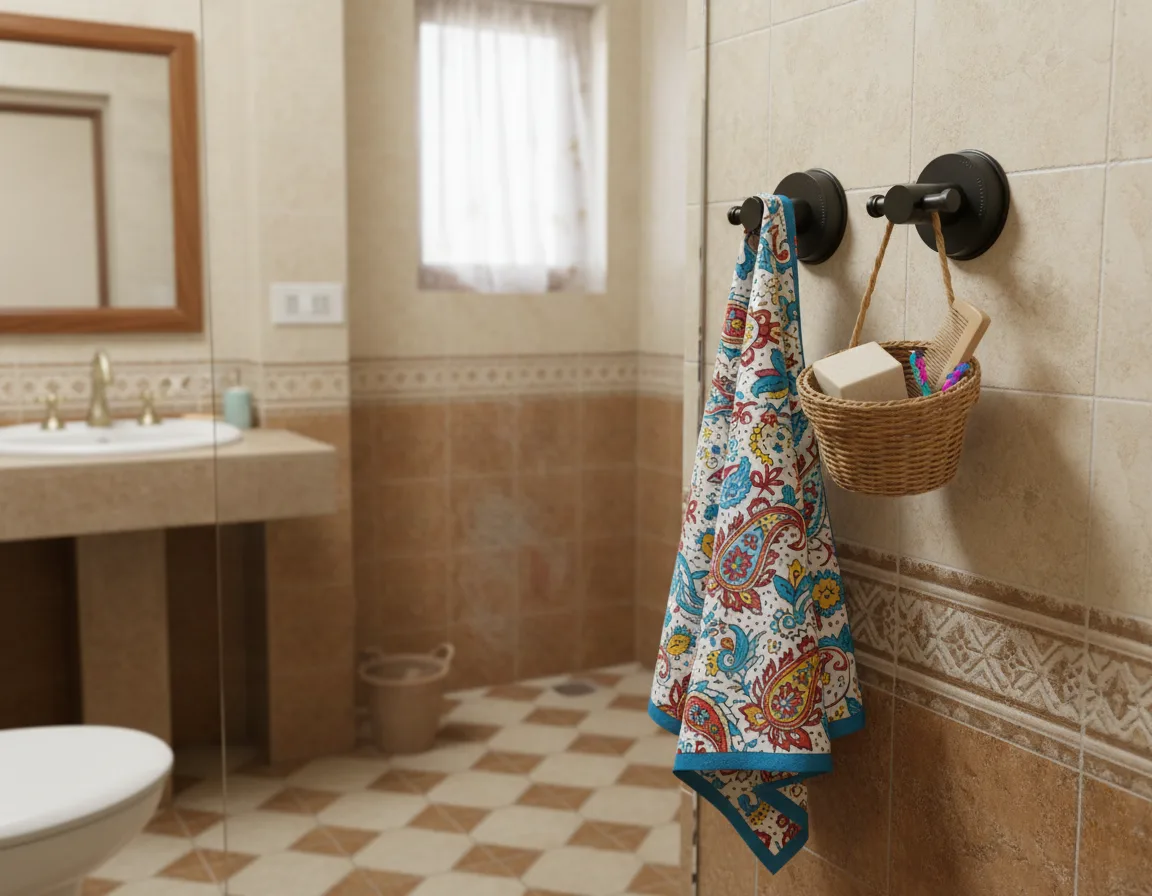
Bathroom Refresh on a Budget
Bathrooms don’t require major renovations to feel updated:
- New shower curtain or waffle-weave fabric curtain ($15–$40)
- Affordable wall décor or floating shelves ($20–$60)
- Fresh towels in a cohesive color ($30–$50)
- Mirror frame or mirror upgrade ($25–$75)
- Simple storage solutions (baskets, containers) ($20–$40)
Budget estimate: $110–$265 for a spa-like bathroom.
Smart Shopping: Where to Find Affordable Home Décor
Budget-Friendly Retailers & Where to Shop Smart
You don’t need high-end furniture stores to decorate beautifully. Here’s where savvy first-time homeowners shop:
Budget Retailers:
- IKEA ($5–$100 range for most items)
- Target (fantastic home section, $5–$200)
- Walmart (solid décor options, $3–$100)
- Wayfair (wide selection, frequent sales, $10–$500+)
- Amazon (convenience + reviews, price varies)
Affordable Specialty Options:
- H&M Home (trendy, affordable, $10–$150)
- Urban Outfitters (millennial-friendly, $15–$200)
- Overstock (sales + clearance, $5–$300)
Thrift & Second-Hand Options:
- Facebook Marketplace (incredible deals, free–$100)
- Craigslist (local pickup, no shipping, $5–$200)
- Thrift stores like Goodwill and Salvation Army ($2–$50)
- Estate sales (unique finds, $1–$100)
Online Platforms:
- Etsy (for unique, handmade items, $10–$100+)
- Pinterest (has shopping links, great inspiration)
- TikTok Shop (trending products, $5–$100)
Pro shopping tip: Online home décor sales are expected to rise from 32.8% in 2025 to 37.7% by 2029. This means more online sales, more competition, and better deals. Sign up for email newsletters from your favorite retailers to catch sales before they’re announced publicly.
Advanced Tips for Maximum ROI & Resale Value
Invest Strategically: Décor That Adds Home Value
Here’s a secret: not all decorating is created equal. Some choices add measurable resale value, while others are purely personal. If you think you might sell your home in 5–10 years, prioritize these strategic investments:
Fresh Paint (80–90% ROI)
A fresh, neutral paint job is one of the highest-ROI home improvements you can make. While bold accent walls are trendy, neutral colors (soft gray, warm white, greige) appeal to broader audiences and recover 80–90% of their cost at resale.
Investment: $200–$500 (if DIY) or $1,000–$3,000 (if professional)
Expected return: 80–90%
Minor Kitchen Updates (75–83% ROI)
A full kitchen remodel costs $35,000+, but a minor refresh (cabinet refacing, new hardware, fresh paint, updated lighting) costs $10,000–$20,000 and recovers 75–83% at resale.
Bathroom Refresh (70–75% ROI)
Updated lighting, new fixtures, fresh paint, and clean finishes make bathrooms feel modern without a complete gut renovation. A mid-range bathroom refresh ($9,000–$12,000) recovers 70–75% at resale.
Entry Door or Hardware Upgrades (90% ROI)
Your entry door is the first thing buyers see. Replacing it with a modern steel or fiberglass door ($2,000–$3,500) recovers ~90% at resale because it improves curb appeal and perceived security.
The Takeaway: Focus your budget on these high-ROI improvements. Splurge on the “bones” of your home (paint, lighting, entry), then accessorize affordably with pillows, art, and plants.
Klever Homes: Your Trusted Partner for Affordable Home Solutions
Elevate Your Space With Smart, Affordable Solutions
Creating a beautiful home doesn’t always require custom interior design or expensive contractors. Sometimes, it’s about choosing the right products and solutions that work for your space, not against it.
Klever Homes specializes in premium, innovative home improvement solutions designed specifically for Indian living spaces. Whether you’re upgrading your kitchen with modern, damage-free installations or refreshing your décor with intelligent design choices, Klever Homes offers affordable options that combine functionality with style.
From modern kitchen solutions to intelligent home upgrades, their focus on damage-free functionality makes them perfect for renters and first-time homeowners who want quality improvements without worrying about security deposits or permanent alterations. Their product range is curated for budget-conscious buyers who refuse to compromise on quality.
Actionable Checklist: Your 30-Day Home Décor Transformation
Your Step-by-Step Action Plan
Week 1: Foundation
- Rearrange existing furniture
- Declutter every room
- Take “before” photos
- Identify your color palette
- Make a Pinterest board for inspiration
Week 2: Budget Shopping
- Set your total budget
- Scout thrift stores and Facebook Marketplace
- Make a shopping list (prioritize high-impact items)
- Compare prices across retailers
- Create a spreadsheet to track purchases
Week 3: DIY & Installation
- Paint your feature wall (or apply peel-and-stick wallpaper)
- Update lighting fixtures
- Hang mirrors and wall art
- Rearrange plants and greenery
- Create your gallery wall
Week 4: Final Touches
- Swap in new pillows and blankets
- Style surfaces and shelves
- Add personal touches (photos, mementos)
- Photograph your completed space
- Celebrate your transformation!
Common Decorating Mistakes to Avoid
Learn From Others’ Costly Errors
As a first-time homeowner, you might make these common decorating mistakes. Here’s how to avoid them:
Mistake #1: Choosing Paint Before Furniture
Your walls should complement your furniture, not the other way around. Choose or plan your major furniture pieces first, then select wall colors that work with (not against) them.
Mistake #2: Ignoring Lighting
A beautifully decorated room with poor lighting looks depressing. Invest in layered lighting – ambient, task, and accent – to make your space feel warm and inviting.
Mistake #3: Creating Too Many Focal Points
A room with competing focal points feels chaotic. Choose one primary focal point (fireplace, large window, gallery wall) and arrange furniture around it.
Mistake #4: Buying “Matchy-Matchy” Everything
A room where every piece matches feels flat and uninspired. Mix styles, textures, and colors. A vintage mirror paired with modern art in a room with traditional furniture looks intentional and curated.
Mistake #5: Not Considering Scale
A tiny room with oversized furniture feels cramped. A large room with small-scale pieces feels empty. Match furniture scale to your space, or use mirrors and lighting tricks to adjust perception.
Mistake #6: Neglecting Texture
Texture adds depth and visual interest. Combine smooth surfaces (glass, metal) with rough textures (wood, fabric, wool) to create dimension.
Frequently Asked Questions: Your Décor Concerns Answered
Your Biggest Decorating Questions, Answered
Q1: How much should I budget for decorating my first home?
There’s no one-size-fits-all answer, but here’s a realistic framework:
- Minimal (bare essentials): $500–$1,000
- Comfortable (functional + attractive): $1,500–$3,000
- Well-decorated (magazine-worthy): $5,000–$10,000+
Start with essentials (furniture, lighting, paint), then accessorize as budget allows. Millennials spend about $1,771 annually on home décor, so spreading your budget over a year is realistic.
Q2: Can I decorate beautifully as a renter?
Absolutely! Focus on:
- Removable wallpaper (peel-and-stick)
- Temporary wall art (Command strips instead of nails)
- Area rugs (to define spaces)
- Removable shelving
- Temporary lighting solutions
Avoid permanent changes, and you can create a stunning rental space.
Q3: Where should I splurge vs. save on home décor?
Splurge on:
- Paint (high-impact, visible to everyone)
- Lighting (affects mood and perception of space)
- Bedding (you spend 8+ hours here)
- Major furniture pieces (investment items)
Save on:
- Wall art (affordable prints work great)
- Pillows and blankets (trend quickly, easy to swap)
- Plants and flowers (affordable and fresh)
- Accessories (mix budget and splurge items)
Q4: How do I choose paint colors for my space?
- Test colors on your walls (paint large swatches)
- Observe in different lighting times
- Get samples from multiple brands
- Ask friends/family for honest opinions
- Consider your furniture and décor already in place
Never choose paint from a small chip. Always test on your actual wall.
Q5: What’s the fastest way to transform a room without spending much?
In order of impact:
- Declutter (free, instantly larger)
- Rearrange furniture (free, completely different layout)
- Paint one wall ($50–$100, dramatic change)
- Add lighting ($20–$100, transforms ambiance)
- Hang affordable art ($20–$80, personalization)
- Add pillows/blankets ($20–$60, comfort + style)
These six changes cost under $300 and completely transform a room.
The Bottom Line: Your Home, Your Way, Your Budget
You Don’t Need a Designer’s Budget to Have a Designed Home
As a first-time homeowner, you might feel pressure to have your space perfectly styled immediately. You see Instagram-perfect homes and wonder how they did it on a reasonable budget. The truth? Most of those spaces were built over months or years, with strategic choices and smart shopping.
You have all the tools you need right now. You understand the psychology of color, the power of lighting, and the impact of simple rearrangement. You know where to shop affordably and how to avoid expensive mistakes. You’re ready.
Start small. Pick one room. Pick one hack from this guide. Rearrange your furniture, paint an accent wall, or add some throw pillows. Watch how that one change shifts your entire perception of your space. That momentum will carry you forward.
Your home should reflect you, not a magazine spread or what you think you’re supposed to like. Budget-friendly decorating forces you to be intentional, to choose pieces you genuinely love, and to create a space that’s authentically yours.
Your home isn’t a project to be completed. It’s a living space that evolves with you. Decorate slowly, intentionally, and affordably. Enjoy the process. And remember: the most expensive home isn’t always the most beautiful. The most beautiful home is the one where you feel genuinely comfortable, happy, and at peace.