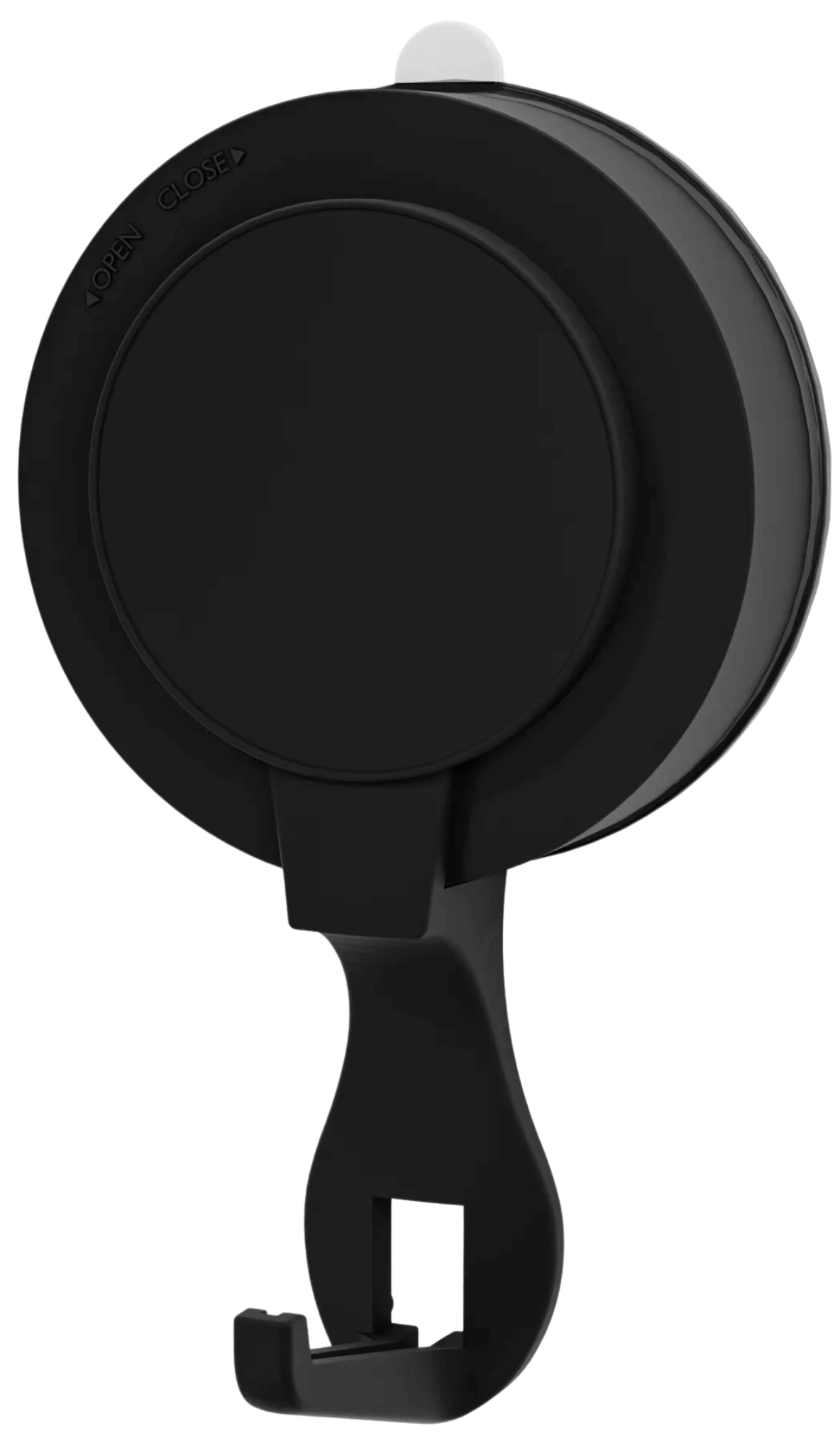
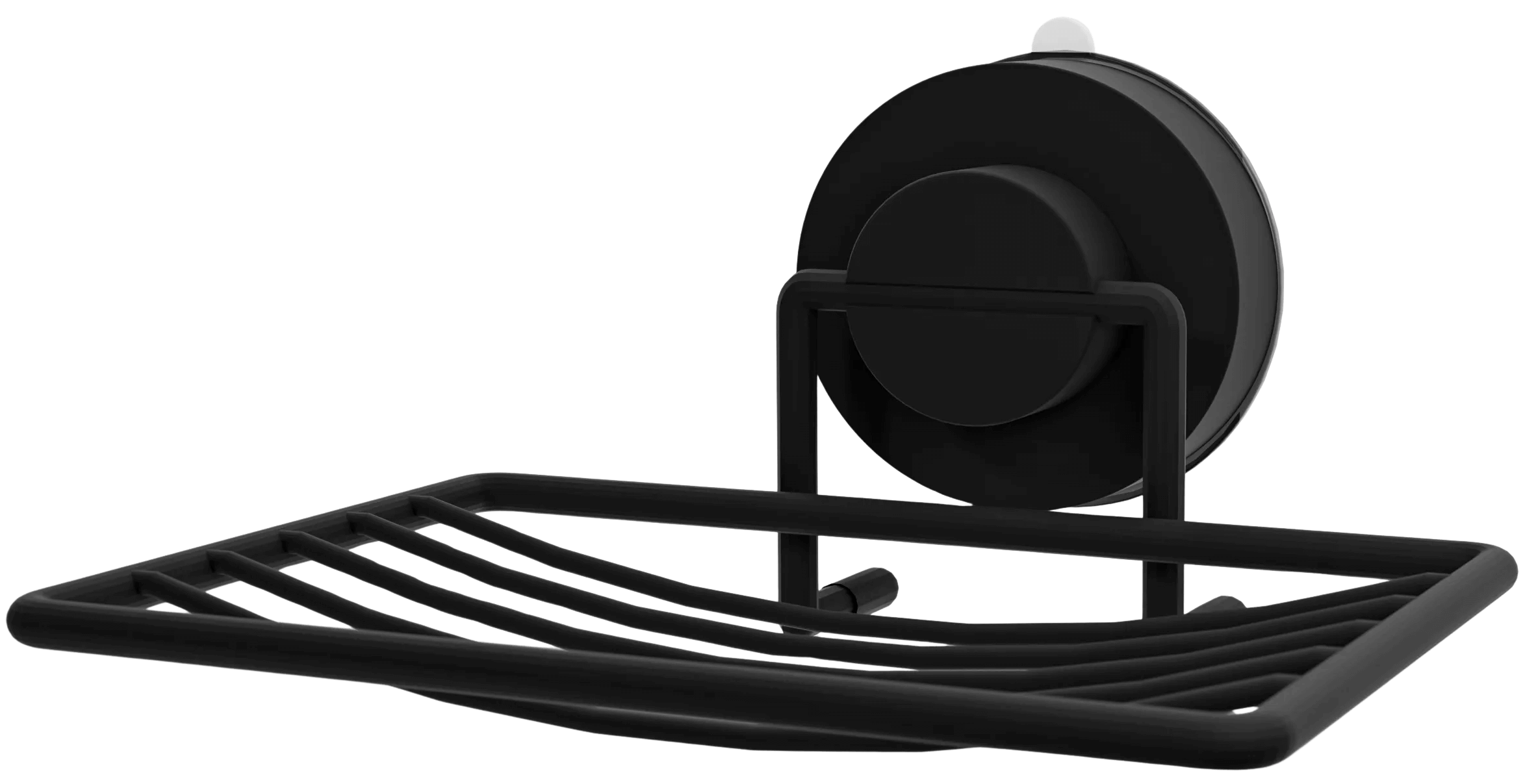
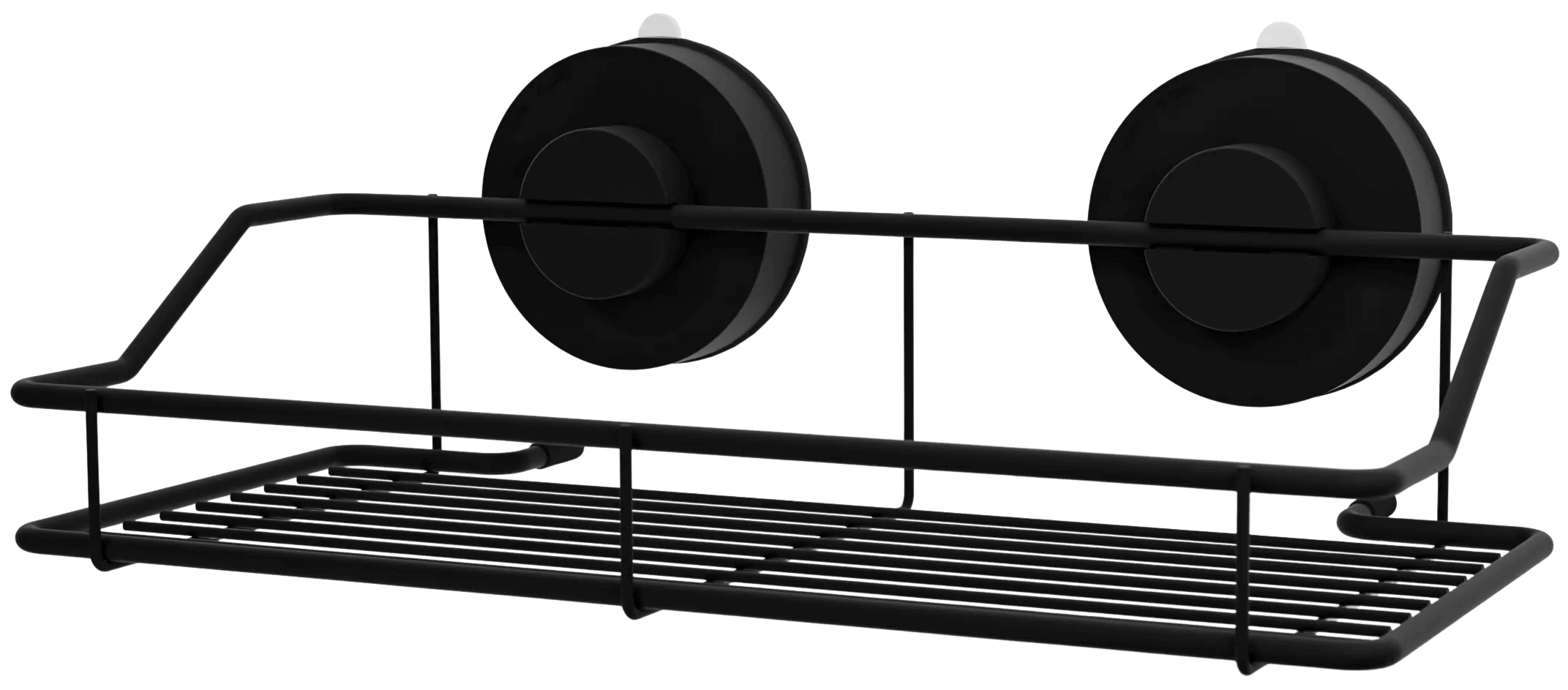
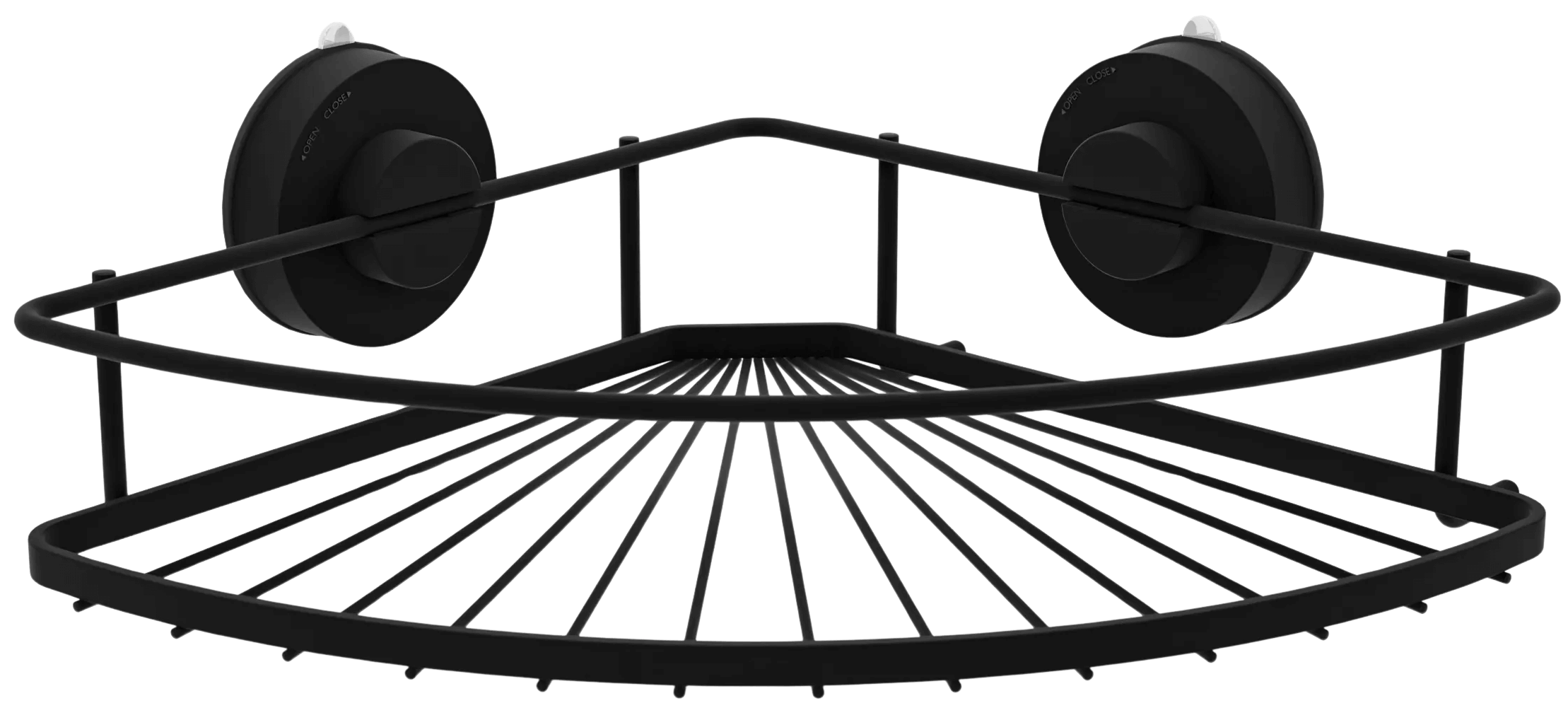


Small bathrooms can feel chaotic very quickly, but the right storage choices can quietly turn them into calm, organized spaces. Instead of asking “How do I get a bigger bathroom?” It helps to ask “How do I make every inch work for me?”.
In this guide, we’ll walk through how to understand your space, what types of storage actually make sense, and how to balance function with style so the bathroom feels like a mini spa, not a cramped corner.
Step 1 – Understand Your Bathroom and Your Stuff
Measure Your Space (Not Just the Floor)
Before buying any organizers, take 10–15 minutes to really look at your bathroom.
- Measure floor space (length, width, and clear walking path).
- Note wall height and free wall areas.
- Check corners, above the toilet, and behind the door for potential storage zones.
A lot of useful storage in small bathrooms comes from walls and vertical space, not the floor.
Audit What You Actually Use
Open every drawer, cabinet, and basket and be honest about what you use regularly.
- Daily: toothbrush, face wash, towel, comb, deodorant.
- Weekly: hair tools, masks, scrubs.
- Rarely: old products, expired makeup, duplicate shampoos.
When you declutter first, you know exactly how much storage you truly need instead of buying random organizers that just hold clutter.
Step 2 – Decide Your Storage Priorities
Every small bathroom has different pain points, and your storage choices should solve those first.
Identify Your Main Problem Area
Ask yourself:
- Is the sink counter always messy? You likely need countertop organizers and vertical shelves.
- Are towels lying around? You need hooks, bars, or a slim towel cabinet.
- Is there a product overflow? You need closed cabinets, baskets, and under‑sink organizers.
Once you know the main issue, you can select targeted storage instead of stuffing the bathroom with random units.
Pick Your Storage Style: Open vs Closed
Both open and closed storage have a place in small bathrooms.
- Open storage (shelves, ladder racks, open baskets) works best for pretty items: rolled towels, jars, plants, perfumes.
- Closed storage (cabinets, drawers, bins with lids) hides visual clutter: cleaning products, extra soaps, personal care items.
For tiny spaces, a mix of the two keeps the room looking airy but not chaotic.
Step 3 – Use Vertical Space Wisely
Over-the-Toilet Storage Units
The wall above the toilet is often totally unused, yet it’s a prime storage zone.
You can use:
- A slim over‑the‑toilet shelving unit.
- A closed wall cabinet with doors.
- Floating shelves styled with baskets and folded towels.
Choose this if you have no floor space left but do have clear wall height.
Floating Shelves and Corner Shelves
Floating shelves keep the floor clear, which instantly makes a small bathroom feel less cramped.
- Install 2–3 shelves above the toilet, beside the mirror, or in an empty wall strip.
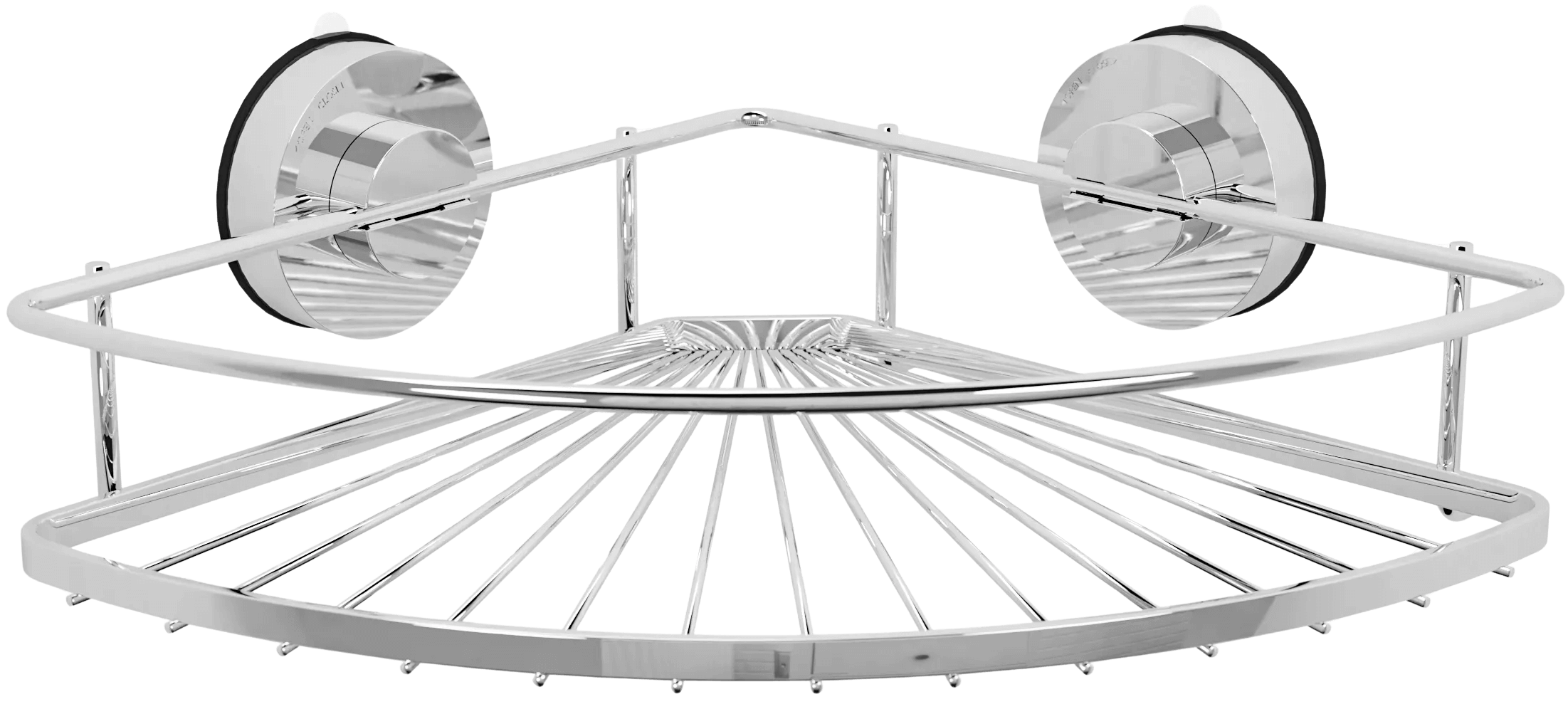
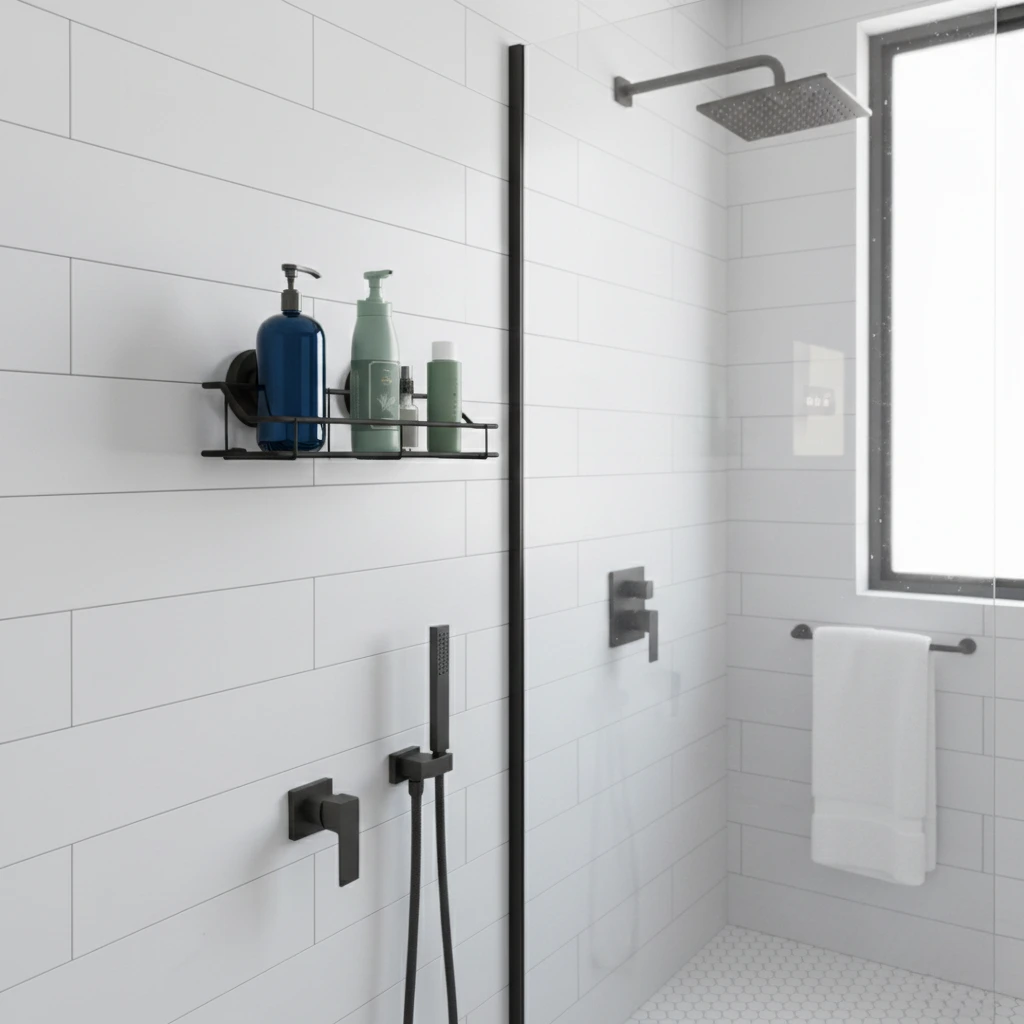
- Corner shelves are perfect for awkward nooks or inside the shower for shampoos and soaps.
Use baskets or jars on these shelves so the surface doesn’t look cluttered.
Step 4 – Make the Most of Under-the-Sink Space
Choose the Right Under-Sink Organizers
The space under the sink is often chaotic because of pipes and odd shapes, but it can be incredibly efficient with the right tools.
Helpful options:
- Two‑tier sliding organizers that work around plumbing.
- Stackable bins for grouping items by category.
- Small wire or acrylic baskets with handles for easy pull‑out.
If your sink is a pedestal with no cabinet, consider a slim freestanding cabinet or an under‑sink shelf that wraps around the pipes.
Group and Label for Sanity
Instead of one big pile, divide the space into clear “zones”.
- Everyday toiletries.
- Hair tools and accessories.
- Back‑up stock (extra toothpaste, soap, tissue).
Labels on baskets or bins make it easier for everyone in the house to put things back in the right spot.
Step 5 – Pick the Right Cabinet and Vanity
Wall Cabinets and Medicine Cabinets
If your bathroom lacks a built‑in medicine cabinet, adding one can be a game changer.
- A recessed cabinet (built into the wall) gives storage without sticking out.
- A surface‑mounted cabinet is easier to install and works well over the sink or toilet.
- Many modern designs come with mirrors, built‑in lights, or even outlets for grooming tools.
Choose this when you want storage for small items at eye level.
Vanities with Drawers Instead of Just Doors
Drawers are often easier to organize than deep cabinets because you can see everything at a glance.
- Multiple shallow drawers hold makeup, brushes, and medicines.
- One deeper drawer can store rolled towels, hair tools, or cleaning supplies.
If you’re renovating, look for a vanity with a mix of drawers and a small cabinet area to work around plumbing.
Step 6 – Choose Between Baskets, Bins, and Carts
When to Use Baskets and Bins
Baskets and bins are the “soft” side of storage they add warmth and texture while keeping things together.
Good uses:
- On open shelves to hide smaller items.
- Under the sink for grouping products.
- On top of the toilet tank or a small stool for extra toilet rolls and wipes.
Choose moisture‑resistant materials (plastic, metal, treated fabric) in very humid bathrooms.
Slim Rolling Carts for Tight Spaces
If you have a narrow gap between the toilet and wall or vanity and wall, a slim rolling cart can become a mini portable storage station.
These are ideal for:
- Extra toilet paper.
- Skincare and haircare products.
- Cleaning sprays and clothes.
You can roll it out when needed and tuck it away when guests come over.
Step 7 – Use Doors and “Dead” Spaces
Back-of-Door Organizers
The back of your main bathroom door or cabinet doors is often wasted, but it’s a perfect home for flat storage.
Try:
- Over‑the‑door racks for towels or robes.
- Pocket organizers for skincare, brushes, and small bottles.
- Hooks for hair dryers or straighteners (with heat‑safe holders).
This is especially useful when you truly have no extra wall or floor space.
Awkward Alcoves and Narrow Gaps
Little alcoves or strange corners can be turned into functional storage instead of being ignored.
- Build or install narrow open shelves.
- Use a tall, slim cabinet with doors.
- Place a simple wooden bench that holds towels and doubles as a seat.
You don’t always need custom carpentry; many ready‑made units are designed for these tricky spots.
Step 8 – Balance Storage with Style
Choose a Cohesive Look
A small bathroom can look cluttered quickly if every storage piece looks different.
To keep it visually calm:
- Stick to 2–3 main materials (for example: white, light wood, and black metal).
- Repeat the same basket or bin style across the room.
- Use similar hardware finishes on shelves and cabinets.
When the storage blends into the decor, the whole space feels more spacious.
Use Decor that Also Stores
You don’t have to choose between beauty and function; many items can do both.
- A ladder shelf can hold towels and look decorative.
- Glass jars can display cotton pads, earbuds, and bath salts.
- A pretty tray on the counter can corral daily items and make them look intentional instead of messy.
This is how you turn a purely functional room into a comforting, personal space.
Step 9 – Think About Who Uses the Bathroom
Storage for Families and Kids
If kids or elders use the bathroom, your storage must be practical, not just pretty.
- Keep daily items at reachable heights.
- Use sturdy baskets instead of breakable glass.
- Store medicines and sharp objects in high or closed cabinets.
Mark simple zones like “kids’ basket”, “guest towels”, and “everyday items” so everyone knows where things belong.
Storage for Guests or Shared Homes
In shared apartments, it helps to assign shelves or baskets to each person.
- Use labeled bins on shelves or in cabinets.
- Provide a small open shelf or basket with guest towels and toiletries so visitors feel welcome.
Clear, shared rules for storage prevent clutter and confusion over time.
Step 10 – Plan for the Future, Not Just Today
Choose Flexible and Modular Pieces
Your needs may change—new products, a roommate, kids, or a renovation.
Modular storage helps you adapt:
- Stackable bins that can be rearranged.
- Shelving systems with adjustable heights.
- Rolling carts that can move to another room if needed.
This way you’re not locked into one layout forever.
Keep a “One In, One Out” Habit
Even the best storage has limits, especially in a small bathroom.
Whenever you buy a new product, see if there’s an old or unused one you can remove. Regular mini‑declutters keep your systems working and prevent slow, sneaky clutter buildup.
Practical Examples of Storage Combinations
Example 1 – No Cabinet, Tiny Floor Space
If you have a pedestal sink and almost no furniture space:
- Install a mirrored wall cabinet above the sink.
- Add 2–3 floating shelves over the toilet with baskets.
- Place a slim rolling cart in a narrow gap for everyday products.
This gives you closed storage for personal items and open storage for towels and decor.
Example 2 – Narrow but Tall Bathroom
If the bathroom is long and narrow but has good ceiling height:
- Use a tall, slim freestanding cabinet with doors.
- Add a ladder shelf or narrow shelving unit against the free wall.
- Use hooks or bars behind the door for towels.
Here you’re turning vertical space into your main storage engine.
Common Mistakes to Avoid
Buying Storage Before Decluttering
It’s very tempting to buy boxes and baskets first, but that usually leads to storing things you don’t even need. Declutter, then measure, then shop.
Overloading the Floor
Too many floor units make the bathroom feel cramped and harder to clean. Limit floor furniture, and use walls, doors, and under‑sink space as much as possible.
Ignoring Moisture and Cleaning
Not all materials like humidity.
- Avoid untreated wood in very damp bathrooms.
- Choose rust‑resistant metals and washable textiles.
- Make sure you can easily move items to clean behind and under them.
Quick Checklist Before You Buy
Ask Yourself These Questions
Before adding any storage item to your cart, run through this short checklist:
- Do I have a specific spot for it?
- Will it solve a current problem (messy counter, no towel space, etc.)?
- Is it the right size for my bathroom measurements?
- Can it handle moisture and be cleaned easily?
- Does it match or complement my current decor?
If you can confidently say yes to most of these, it’s probably a good choice.
(FAQs)
1. How do I get more storage space in my small bathroom?
Use your walls, doors, and under‑sink space instead of just the floor. Add floating shelves, over‑the‑toilet units, back‑of‑door hooks, and under‑sink organizers to squeeze out extra capacity.
2. What is better for small bathrooms: shelves or cabinets?
Both have a role. Shelves are great for towels and decorative items you don’t mind seeing, while cabinets are better for hiding clutter and personal products. A mix of the two usually works best.
3. How can I keep my bathroom counter from getting messy?
Limit what lives on the counter to daily essentials and group them on a tray or in a small organizer. Move everything else to shelves, cabinets, or baskets so surfaces stay clear and easier to wipe down.
4. Is it worth installing a new vanity for storage?
If you have the budget and plan to stay for a while, a vanity with drawers and cabinet space can dramatically improve storage in a small bathroom. It also helps the room feel more built‑in and finished.
5. How do I choose storage that won’t make the bathroom feel smaller?
Pick pieces that are slim, light‑coloured, or wall‑mounted so the floor looks as open as possible. Keep visual clutter down by using matching baskets, closed cabinets for messy items, and a consistent color scheme.
Conclusion
You don’t need a big bathroom to enjoy a calm, functional, and beautiful space—you just need storage that respects every inch you have. When you declutter first, measure carefully, and choose a mix of smart shelves, cabinets, baskets, and organizers, even the tiniest bathroom can feel thoughtful and welcoming.
Start small: fix the messiest area, introduce one or two well‑chosen storage pieces, and live with them for a few weeks. As you slowly layer solutions that match your habits and style, your bathroom will stop feeling cramped and start feeling like a corner of the home you’re genuinely proud of.