

Choosing between a towel bar and a towel ring might seem like a minor bathroom decision, but it’s actually one of those details that significantly impacts both how your bathroom functions and how it looks. Whether you’re renovating your entire bathroom or just swapping out old fixtures, understanding the key differences between these two options will help you make the right choice for your space and lifestyle.
In this guide, I’ll walk you through everything you need to know – from how they compare functionally to which one works best for different bathroom scenarios. By the end, you’ll have the clarity to pick the option that genuinely fits your needs.
Difference Between Towel Bar vs. Towel Ring: Which One to Choose?
Understanding the Basics: What Exactly Are Towel Bars and Towel Rings?
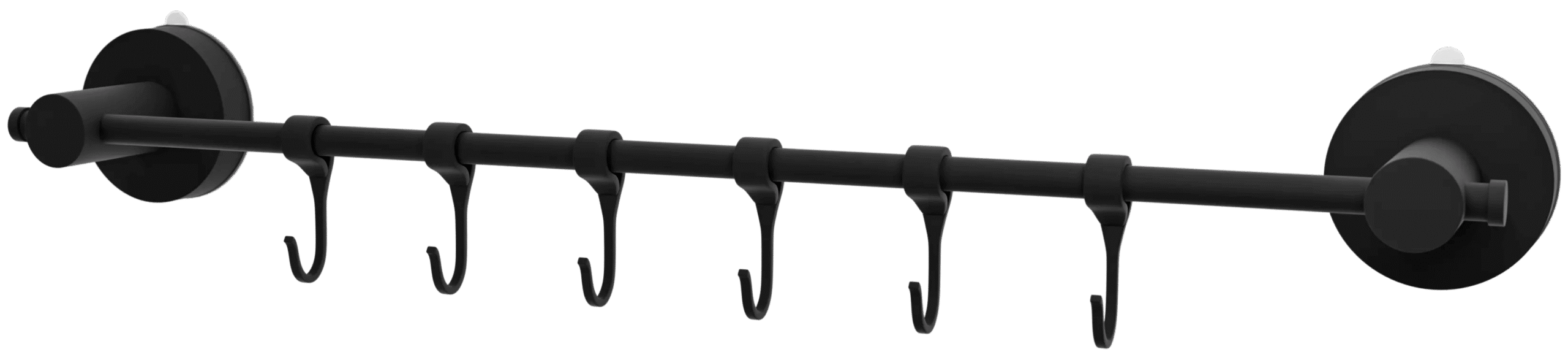
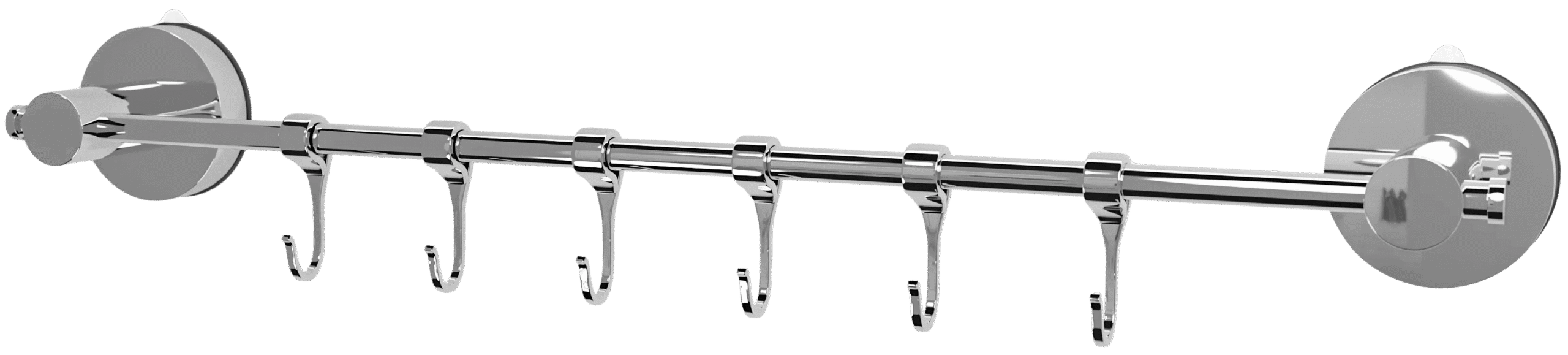
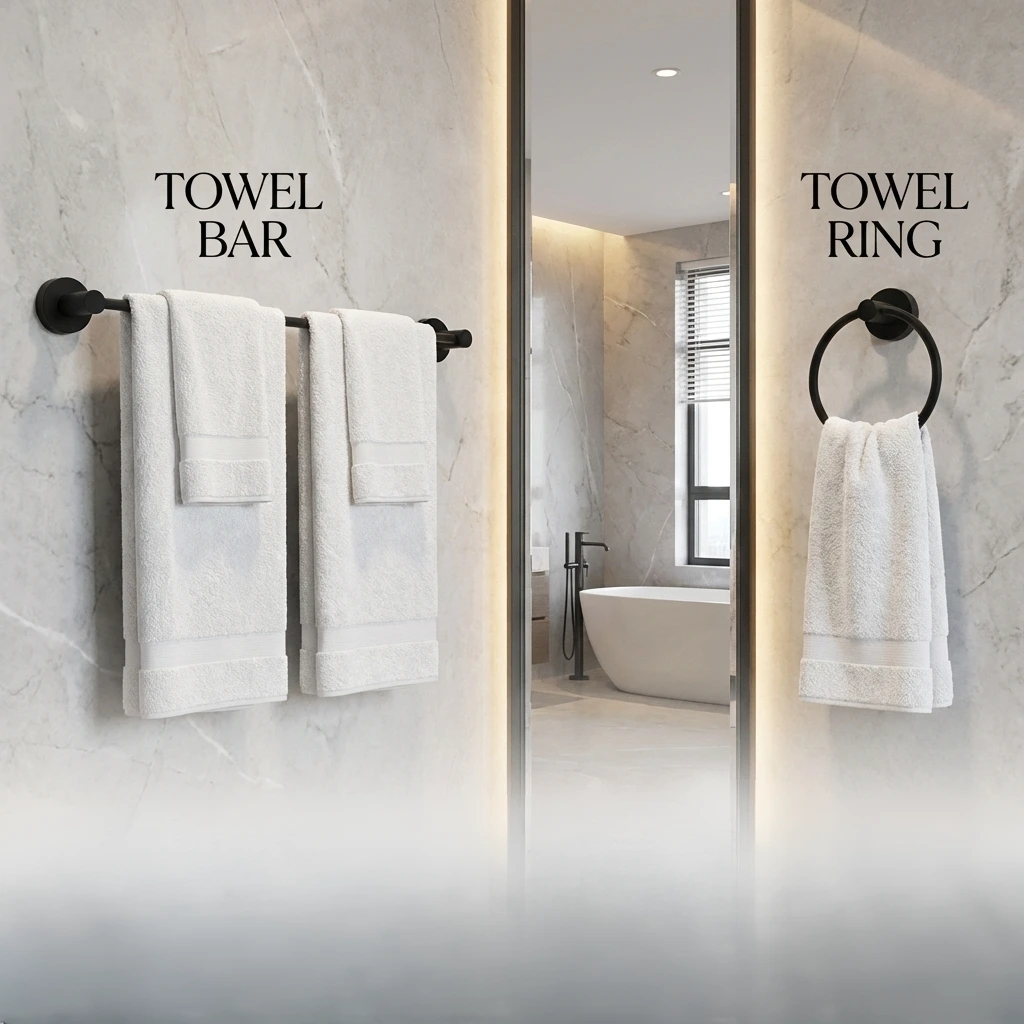
Let me start with the fundamentals. A towel bar is a straightforward horizontal rod that mounts to your bathroom wall, typically measuring 18 to 30 inches in length. It’s designed to accommodate multiple towels laid flat or stacked, giving you flexibility in how you use it. Think of it as the workhorse of bathroom towel storage – practical, straightforward, and built to handle multiple towels.
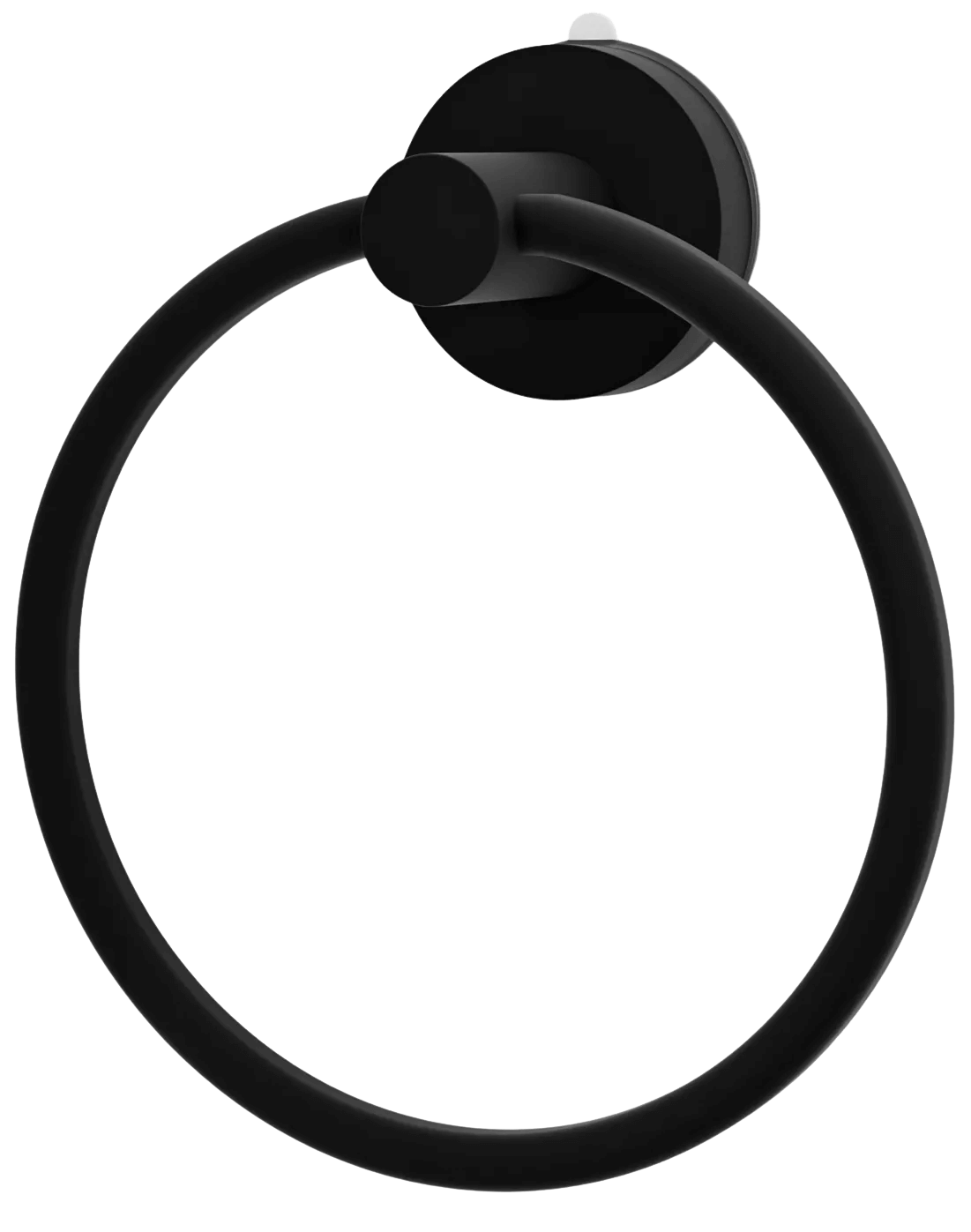
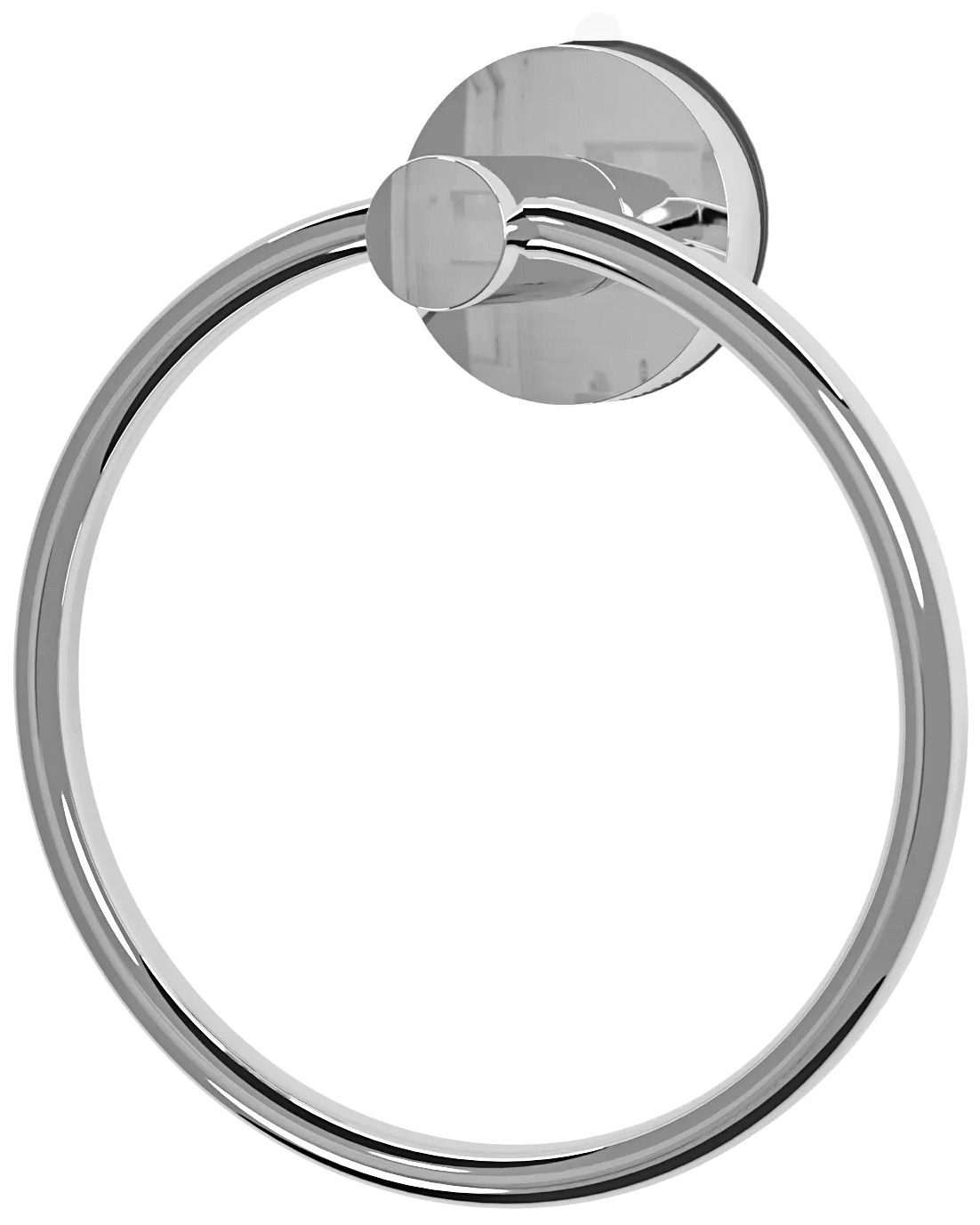
A towel ring, on the other hand, is a circular or curved fixture that also mounts to your wall but projects outward at a much more compact size, usually around 2.5 to 3.5 inches. It’s shaped like a loop where you slide one or two towels through the opening. Towel rings are more like the specialized tool – perfect for specific jobs, elegant in design, and space-conscious.
Here’s a quick comparison:
| Feature | Towel Bar | Towel Ring |
| Ideal for | Multiple towels, bath sheets | Hand towels, washcloths |
| Best location | Near shower, bathtub | Sink area |
| Space needed | 18-30 inches wide | 2.5-3.5 inches projection |
| Typical capacity | 2-4 towels | 1-2 towels |
| Installation ease | Moderate (may need studs) | Easy (more flexible) |
| Aesthetic style | Modern, minimalist | Decorative, traditional |
The Practical Differences: Functionality and Usage
Let’s be honest – your bathroom fixtures need to work for you, not against you. The functional differences between these two options matter more than you might think.
Towel Bar Functionality:
When you use a towel bar, you’re spreading your towels across a flat surface. This means better air circulation around the entire towel fabric. I always tell people: imagine hanging a damp towel in a bunched-up position versus laying it flat. Which one dries faster? The flat one, obviously. Your towels dry more quickly on a bar, which is fantastic for preventing that musty smell that creeps up when towels stay damp too long.
You can hang multiple towels simultaneously, making it perfect if you have a family of four who each wants their own designated towel. Or if you’re someone who likes to have options – a hand towel, washcloth, and bath towel all within arm’s reach – a towel bar gives you that flexibility.
Towel Ring Functionality:
Towel rings are champions of simplicity. You slide a towel through the opening, and it hangs. Because towels are typically folded or loosely rolled through the ring, they’re more contained. This is actually ideal for hand towels and washcloths that don’t need as much drying surface.
The beauty here is space efficiency. In my experience, people with smaller bathrooms or powder rooms absolutely love towel rings because they don’t demand much real estate on your wall. They’re also easier to access quickly – you just grab and go without sorting through other towels.
Space Considerations: Does Your Bathroom Have Room?
This is where the rubber meets the road for many homeowners. Space availability fundamentally shapes whether you can comfortably use a towel bar or should opt for a towel ring.
For Smaller Bathrooms and Powder Rooms:
If you’re working with a compact bathroom – and let’s face it, many bathrooms are cramped – a towel ring is your friend. They’re the definition of space-efficient. You can tuck them beside your sink, in a corner, or anywhere there’s a few inches of wall space. There’s no projection concerns, no worries about bumping your head or having the door hit the towel bar when opening and closing.
The towel rack/ring segment represents 38.61% of the global bathroom accessories market in 2024, and a significant portion of that demand comes from people with limited square footage looking for space-saving solutions.
For Larger Bathrooms:
Got a spacious master bathroom? A towel bar becomes a genuine asset. You can dedicate one bar to bath towels, another to hand towels, and still have room to spare. Some people even install multiple bars at different heights. It’s like having a curated display of your bathroom linens.
Hygiene and Moisture Management: Which One Stays Fresher?
Here’s something people don’t always consider: how your towel storage method affects moisture control and bacterial growth.
The Towel Bar Advantage:
Because towels lay flat on a bar, they get better airflow on all sides. This faster drying time directly reduces the likelihood of mold and mildew growth. Think about it – wet, bunched-up fabric in a dark bathroom is basically a breeding ground for fungi. But spread that same towel flat on a bar with good bathroom ventilation, and you’re creating an environment where moisture evaporates quickly.
Research shows that bacteria thrive in damp, dark, tightly folded towels. When nearly 90% of tested towels showed traces of coliform bacteria, many of those were stored in ways that didn’t allow proper airflow. A towel bar, especially one positioned near a window or where your bathroom exhaust fan creates airflow, significantly reduces this risk.
The Towel Ring Reality:
Here’s where I need to be straightforward: towel rings don’t dry towels quite as efficiently because the towels are more tightly folded or rolled. However – and this is important – that doesn’t mean towel rings are unhygienic. If you’re hanging hand towels that you change frequently (which you should), or if your bathroom has good ventilation, towel rings work perfectly fine.
The key is making smart choices: don’t leave damp hand towels bunched on a ring for days. Change them out regularly, and ensure your bathroom has adequate ventilation.
Installation and Mounting: What’s the Actual Process?
Planning to install these yourself or hiring a pro? Let’s talk about what each option requires.
Towel Bar Installation:
Installing a towel bar is moderately straightforward but does require some care. Ideally, you want to mount it into wall studs for maximum stability, especially if you’re hanging heavier towels. If studs aren’t where you want the bar, you’ll need to use wall anchors or toggle bolts.
The standard height for a towel bar is 48 inches from the floor. For hand towel bars above your vanity, aim for 20 to 22 inches above the counter. You’ll need to measure twice, use a level, pre-drill pilot holes, and secure the mounting brackets. It’s not rocket science, but precision matters.
Towel Ring Installation:
Mounting a towel ring is generally simpler. Because it projects less and requires less weight-bearing capacity, you have more flexibility in your wall type. You can use standard wall anchors even without hitting studs. Many rings come with adhesive-backed mounting options if you’re renting or prefer avoiding drilling entirely.
The standard height remains 48 inches, or about 20 to 22 inches from your vanity counter. Because the ring is smaller, marking the location accurately is easier – there’s less room for error in aligning brackets.
Aesthetic Appeal: Creating Your Bathroom’s Visual Story
Your towel storage isn’t just functional – it’s visible every single day, so aesthetics matter.
Towel Bar Aesthetics:
Towel bars project a modern, minimalist vibe. They’re clean lines, straightforward functionality, and an organized appearance. If your bathroom design leans contemporary or you’re going for a spa-like, curated feel, a towel bar delivers that look. Rolled towels in matching colors draped across a sleek chrome or brushed nickel bar? That’s Instagram-worthy bathroom organization.
Towel bars also come in numerous finishes: stainless steel for durability, chrome for shine, brushed nickel to hide fingerprints, and oil-rubbed bronze for warmth. This variety makes it easier to match your existing bathroom fixtures.
Towel Ring Aesthetics:
Towel rings have a more decorative, sometimes transitional or traditional feel. They can add a touch of elegance or sophistication, particularly in vintage, farmhouse, or eclectic bathroom designs. Many people choose decorative rings with interesting shapes or finishes that make them look more like design elements than purely functional fixtures.
For a guest bathroom or a space where you want character and charm, a towel ring often wins. It feels less utilitarian and more intentional.
Towel Type Matters: Matching Storage to What You’re Hanging
Not all towels are created equal, and your choice should account for what you’re actually storing.
Bath Towels and Oversized Options:
Thick, fluffy bath towels and oversized sheets need the accommodating surface of a towel bar. They’re simply too large and heavy for a towel ring. When you try to loop a full-size bath towel through a ring, it creates awkward bunching that defeats the purpose of having towel storage in the first place.
Hand Towels and Washcloths:
These smaller towels are perfect for towel rings. They fit naturally through the opening, they don’t require as much drying surface, and they look intentional displayed this way. This is why many bathroom designers suggest using both – a towel bar for bath towels and a towel ring for hand towels.
Travel or Guest Towels:
Got decorative towels you want to showcase? A towel ring displays them beautifully while taking minimal space.
The Height Question: Getting Your Installation Just Right
I can’t stress this enough – towel height matters for both functionality and safety.
Standard Installation Heights:
For most adults, both towel bars and towel rings should sit at 48 inches from the floor. This is the standard recommended by the National Kitchen and Bath Association (NKBA) and reflects years of design experience across millions of bathrooms.
Above your vanity counter, aim for 20 to 22 inches clearance between the counter and the bottom of your towel bar or ring. This prevents towels from dragging across your counter or sink splash area.
Special Considerations:
- Children’s bathrooms: 36 to 40 inches so kids can reach without climbing or stretching dangerously
- Elderly users or accessibility concerns: 40 to 42 inches, considering mobility and reach
- Above the toilet area: 48 inches remains standard, ensuring clearance for the lid
- Distance from sink: 8 to 12 inches from the sink edge provides convenient access without splashing
Pro tip: Use painter’s tape to mark your planned height and step back to visualize it. You’re making a semi-permanent decision, so this preview step is worth the five minutes it takes.
Advanced Design Tips: Creating a Cohesive Bathroom Look
If you want your towel storage to feel like a thoughtful design choice rather than an afterthought, consider these expert strategies.
Mixing Bars and Rings:
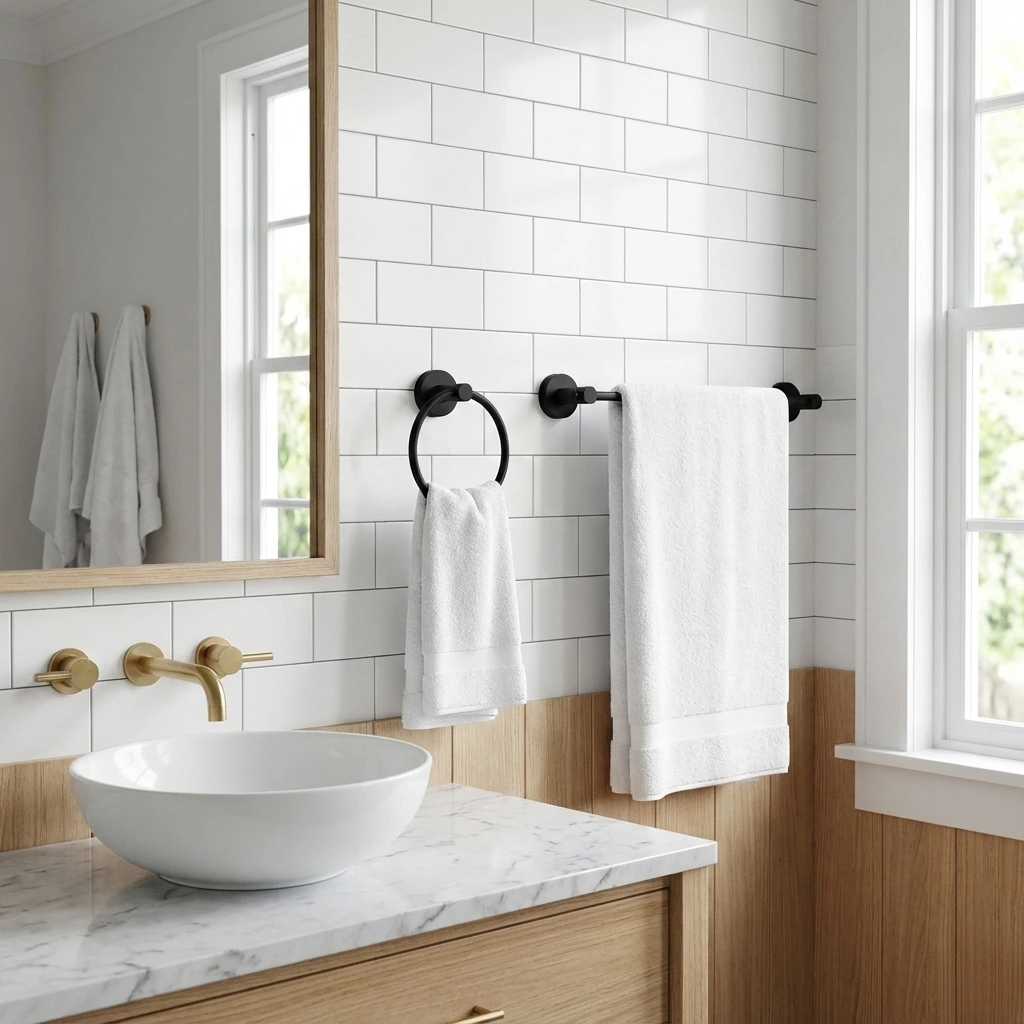
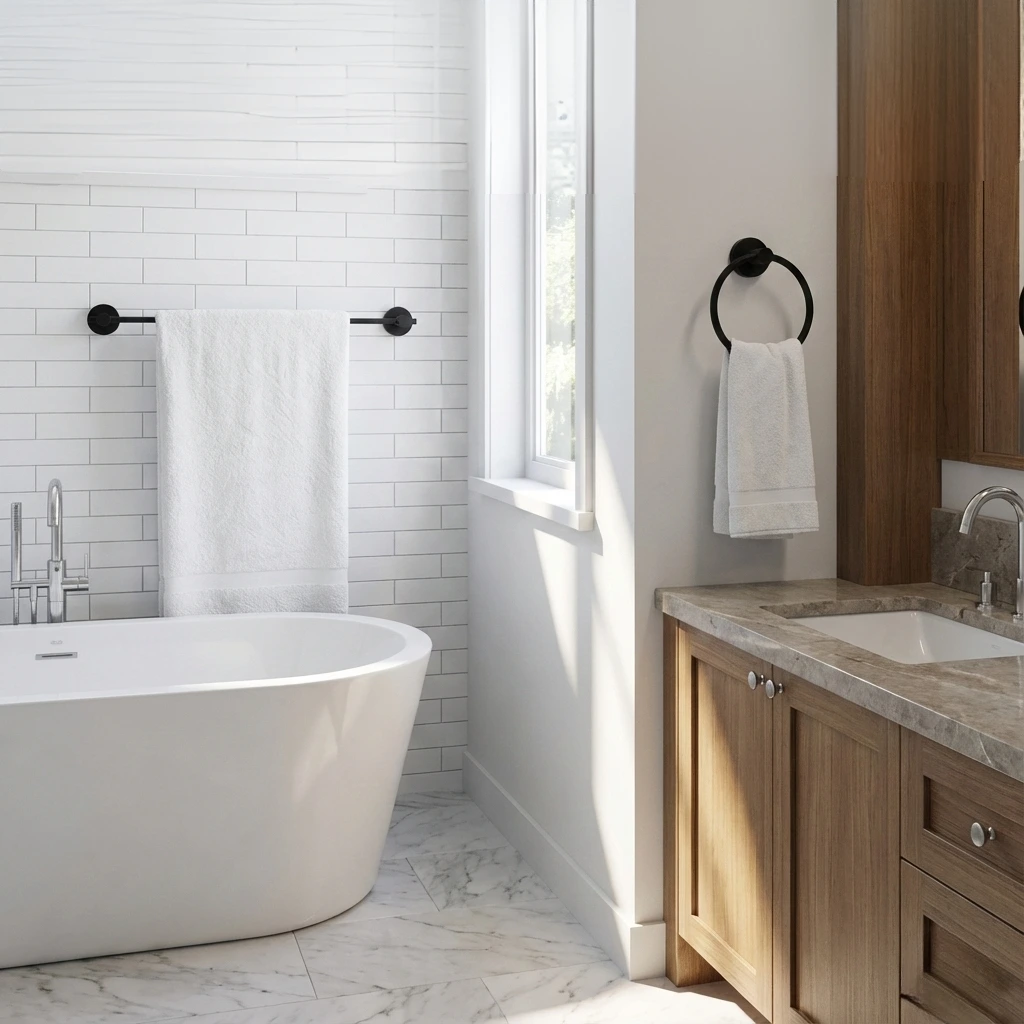
The best bathrooms often use both. Install a towel bar near the shower for bath towels and a towel ring beside the sink for hand towels. This creates visual variety while meeting the functional needs of each zone.
Material and Finish Coordination:
Match your towel bar or ring finish to other bathroom hardware – your faucet, shower trim, and cabinet handles. If everything is brushed nickel, ensure your towel storage is too. This cohesive approach makes even a small bathroom feel intentional.
Towel Color Psychology:
Rolled towels in whites or neutrals look minimalist and spa-like on bars. Stacked colorful towels in baskets under rings feel more eclectic. Choose colors and organization methods that align with your overall aesthetic.
Wall Space Strategy:
In small bathrooms, keep towel storage low and minimal. In larger bathrooms, you can layer storage – a bar, a ring, even a floating shelf above – without overwhelming the space.
Making Your Decision: A Practical Decision Matrix
So which one is actually right for you? Here’s how to decide:
Choose a towel bar if you:
- Have multiple family members each needing their own towel
- Want to display towels as a decorative element
- Have adequate wall space and prefer a modern aesthetic
- Prioritize fast towel drying and mold prevention
- Need to store bath towels and other oversized linens
Choose a towel ring if you:
- Have a small or powder room with limited wall space
- Primarily store hand towels or washcloths
- Prefer a more decorative, less utilitarian look
- Want easier installation without complicated mounting
- Have bathroom space constraints but want to maintain style
Choose both if:
- You have a master bathroom with space for multiple fixtures
- You want to designate different towel types to different storage areas
- You’re designing a bathroom that needs to accommodate different user heights
Common Mistakes People Make (And How to Avoid Them)
Learning from others’ errors can save you frustration and money.
Mistake #1: Installing Without Proper Support
Mounting a towel bar into drywall without studs or anchors leads to the bar slowly sagging under weight. Always use proper wall anchors or locate studs. The investment in a stud finder pays for itself immediately.
Mistake #2: Wrong Height Choices
Installing too low creates awkward reaching. Too high, and towels drag on counters or fixtures. Stick with the standards: 48 inches from the floor or 20-22 inches from your counter surface.
Mistake #3: Ignoring the Layout
Placing a towel ring far from the sink or a towel bar in an inconvenient location defeats the purpose. Think about your actual bathroom workflow before deciding location.
Mistake #4: Overcrowding the Wall
Just because you can mount something doesn’t mean you should. Too many fixtures make bathrooms feel cluttered. Choose one primary storage method and add a secondary option only if space permits.
Mistake #5: Neglecting Ventilation
No amount of towel storage planning matters if your bathroom lacks proper ventilation. Ensure your exhaust fan is running during and after showers to control humidity.
Professional Design Insights from Bathroom Experts
According to certified bathroom designer Alan Burke, who’s spent over 25 years in the industry, “Keeping a towel ring roughly 8 to 12 inches from the edge of your sink provides just the right reach without splashing or stretching.”
Designers increasingly recommend a layered approach to bathroom storage, where towel bars and rings work together with other solutions like shelving or baskets. This flexibility accommodates different towel types and creates visual interest.
Solutions for Common Bathroom Scenarios
Small Guest Bathroom:
One towel ring beside the sink, positioned at 48 inches. Done. It’s elegant, space-efficient, and perfectly functional for a guest using one hand towel.
Kids’ Bathroom:
One lower towel bar (36-40 inches) that children can reach independently. This encourages kids to hang up their towels and develops responsibility.
Master Bathroom with Multiple Users:
A towel bar for bath towels (48 inches near the shower) and multiple towel rings for hand towels (one per sink, if applicable). This prevents towel confusion and promotes organization.
Rental Bathroom (No Drilling):
Adhesive-backed towel rings or command-hook-mounted options. They’re temporary, damage-free, and surprisingly sturdy for everyday use.
Accessible Bathroom Design:
Towel storage between 40-42 inches with clear accessibility from the floor. Consider grab bars in the same finish for a cohesive look that prioritizes safety and dignity.
Sustainability and Long-Term Value
Investing in quality towel storage actually reduces waste and promotes sustainability.
Quality towel bars and rings in stainless steel or brass last decades. Cheap plastic or poorly installed options fail and end up in landfills. A well-chosen fixture becomes part of your bathroom’s infrastructure, not a throwaway piece.
When towels dry properly on bars, they last longer. Constantly damp towels stored improperly degrade faster, requiring replacement more frequently.
How Kleverhomes Can Inspire Your Bathroom Design
If you’re looking for comprehensive guidance on bathroom design and home improvement solutions, resources like Kleverhomes
) offer valuable insights on creating functional, beautiful living spaces. Whether you’re tackling a full bathroom renovation or just updating fixtures, exploring design inspiration and expert tips helps ensure your choices enhance your home’s value and your daily comfort.
Installation Checklist: Your Step-by-Step Guide
For Towel Bars:
- Locate desired location and check for studs using a stud finder
- Mark mounting points with a level ensuring horizontal alignment
- Pre-drill pilot holes to prevent drywall damage
- Install wall anchors or toggle bolts if not using studs
- Secure mounting brackets with provided screws
- Attach towel bar to brackets per manufacturer instructions
- Test stability by gently applying pressure before hanging towels
For Towel Rings:
- Mark the center point of your desired location
- Check the wall surface for studs (optional but recommended)
- Use a level to ensure perfect vertical alignment
- Install mounting hardware, using adhesive or screws per your choice
- Allow adhesive to cure fully before hanging towels
- Test the mounting before placing towels
FAQs About Towel Bars and Rings
Q1: Can you use a towel bar in a small bathroom?
Absolutely, but choose a shorter bar (18-24 inches) and mount it in a location where it won’t create visual clutter. Above the toilet is often a great option in small bathrooms. Alternatively, stick with a towel ring if space is severely limited.
Q2: How do I prevent my towel bar from sagging?
Always mount into wall studs when possible. If studs aren’t available, use heavy-duty toggle bolts that distribute weight better than standard wall anchors. Avoid hanging excessively heavy items, and ensure the bar is rated for your intended weight.
Q3: Is a towel ring suitable for bath towels?
Technically yes, but practically, it’s not ideal. Oversized towels bunched through a ring don’t dry well and look awkward. Towel rings work best for hand towels, washcloths, and smaller linens.
Q4: What height should I install a towel bar in a children’s bathroom?
Aim for 36 to 40 inches from the floor, allowing children to reach without excessive stretching. As they grow, you can adjust or install an additional bar at the standard 48-inch height.
Q5: Can I install a towel bar over a toilet?
Yes, this is a popular space-saving solution. Mount it 48 inches from the floor, ensuring adequate clearance when the toilet lid is raised. Just ensure proper weight-rated brackets are used.
The Bottom Line: Making Your Choice
Choosing between a towel bar and towel ring isn’t about picking the universally “better” option – it’s about selecting what works best for your specific bathroom, lifestyle, and aesthetic preferences.
Towel bars offer versatility, better moisture management, and a modern aesthetic ideal for families and larger bathrooms. Towel rings provide space-saving elegance perfect for guest baths, small spaces, and hand towel storage.
Many homeowners discover that using both creates the most functional, beautiful bathroom solution. A towel bar handles bath towels near the shower while a decorative towel ring displays hand towels beside the sink.
Whatever you choose, prioritize proper installation, appropriate height placement, and good bathroom ventilation. These fundamentals ensure your towel storage works beautifully and practically for years to come.
Conclusion: Transform Your Bathroom One Small Decision at a Time
The difference between a towel bar and towel ring might seem minor in the grand scheme of home improvement, but these small, thoughtful choices accumulate to create a bathroom that genuinely works for you. Whether you prioritize space efficiency, modern aesthetics, superior moisture management, or decorative appeal, there’s a solution that fits perfectly into your home.
Start by honestly assessing your bathroom size, your household’s towel needs, and your design preferences. Then, make your choice with confidence. Remember – this isn’t a permanent decision. If you discover one option doesn’t work as well as you hoped, changing it out is simple enough to attempt again.
The best bathroom is one that reflects your needs and makes your daily routine smoother, more organized, and genuinely pleasant. Whether you choose a towel bar, a towel ring, or a combination of both, you’re investing in that everyday comfort.