

Introduction: Why Bathroom Hooks Are Your Secret Weapon for Small Spaces
Ever stood in your cramped bathroom, staring at piles of towels, wondering where on earth you’re supposed to put everything? You’re not alone. The global bathroom storage and organizer market was valued at approximately USD 8.5 billion in 2023 and is forecasted to reach USD 13.1 billion by 2032, growing at a CAGR of 4.7% from 2024 to 2032. This explosive growth tells you something crucial: small bathrooms have become the norm, and finding smart solutions isn’t optional – it’s essential.
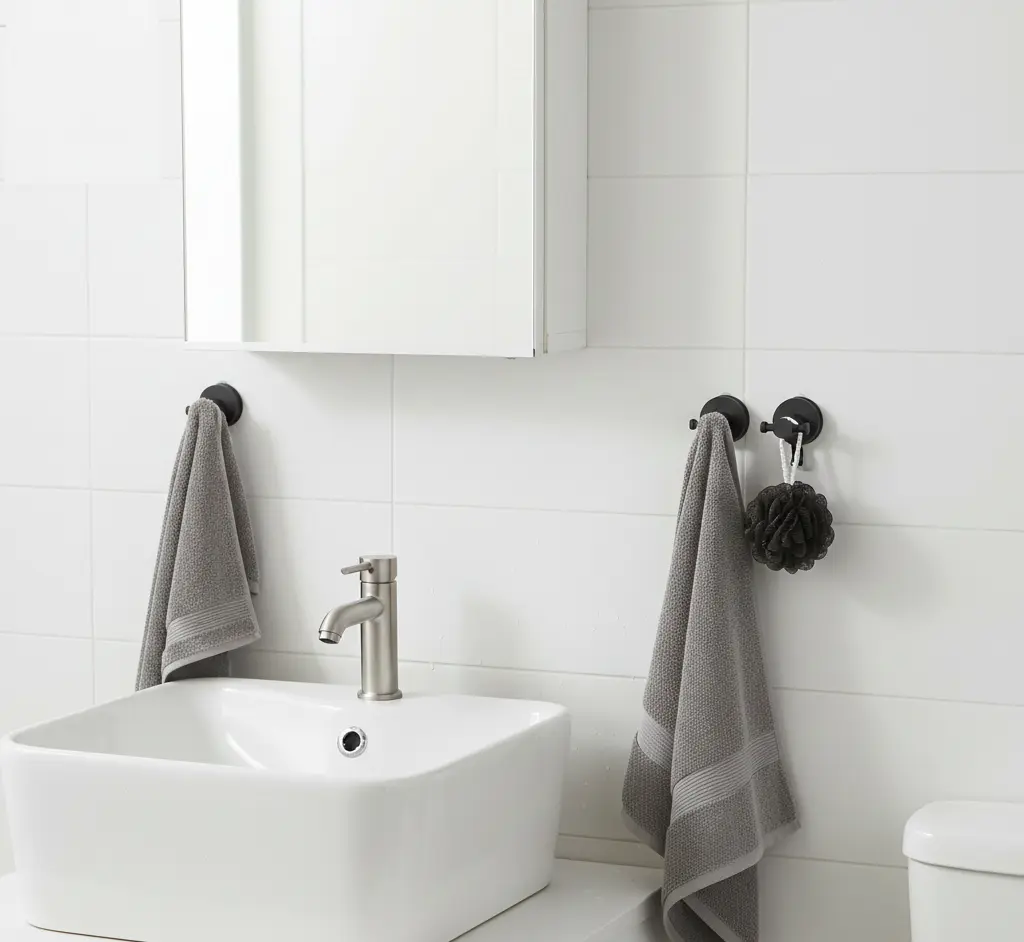
Here’s the thing about small bathrooms: they don’t lack potential; they lack strategy. While bulky towel bars, sprawling shelving units, and oversized storage cabinets can overwhelm a compact space, bathroom hooks offer an elegant, space-saving solution that transforms chaos into calm. Think of hooks as the invisible architects of organization – they work quietly in the background, maximizing vertical space while maintaining your bathroom’s aesthetic appeal.
But here’s where most people stumble: not all hooks are created equal. Choosing the wrong hooks can lead to frustration, wall damage, towel pileups on the floor, and that nagging feeling that your bathroom is perpetually disorganized. This guide will walk you through everything you need to know to select, install, and maximize bathroom hooks for your small space.
Understanding Your Small Bathroom Challenge
What Makes Small Bathrooms So Tricky?
Small bathrooms – typically defined as spaces under 50 square feet – present a unique puzzle. You’re juggling multiple needs within limited square footage: a shower or tub, a sink, a toilet, storage for toiletries, towel organization, and (ideally) some semblance of visual appeal.
The challenge isn’t just about physical space; it’s about psychological comfort. When bathrooms feel cluttered, they feel smaller. When towels dangle from random surfaces and bottles crowd the counter, you lose the sense of calm that a bathroom should provide.
This is precisely why vertical storage strategies have become increasingly popular in bathroom design. Instead of fighting for limited floor or counter space, forward-thinking homeowners are looking up – using walls, corners, and otherwise-overlooked surfaces to create functional storage that doesn’t sacrifice aesthetics.
The Hook Advantage Over Traditional Storage
Let’s compare bathroom hooks to other storage methods:
| Storage Method | Space Required | Installation Complexity | Aesthetic Impact | Cost | Best for Small Bathrooms |
| Towel Bars | Moderate to High | Medium | Neutral | $ | Items with limited quantity |
| Wall-Mounted Cabinets | High | High | Positive but bulky | $$ | Long-term fixture |
| Floating Shelves | Moderate | High | Very Positive | $$ | Multi-item display |
| Bathroom Hooks | Minimal | Low to Medium | Modern & Clean | $ | Yes, Excellent |
| Under-Sink Organizers | Lower shelf space | Low | Hidden | $ | Concealed items |
Hooks clearly stand out for small bathrooms because they demand minimal physical footprint while maximizing functionality.
Types of Bathroom Hooks: Understanding Your Options
1. Wall-Mounted Hooks (The Traditional Powerhouse)
How they work: These hooks attach directly to your wall using screws, anchors, or drilling.
Ideal for: Small bathrooms with solid walls (drywall or tile), permanent residents, and homeowners comfortable with installation.
Weight capacity: Typically 10-15 kg (22-33 lbs), making them suitable for heavy towels and bathrobes.
Installation method: Requires drilling or anchoring, which means the commitment factor is higher, but the stability is unmatched.
Pros:
- Maximum weight capacity
- Permanent, aesthetically integrated solution
- Variety of materials and finishes available
- Long-lasting performance
Cons:
- Requires wall damage (drilling)
- Not suitable for renters
- Needs proper tools and skill level
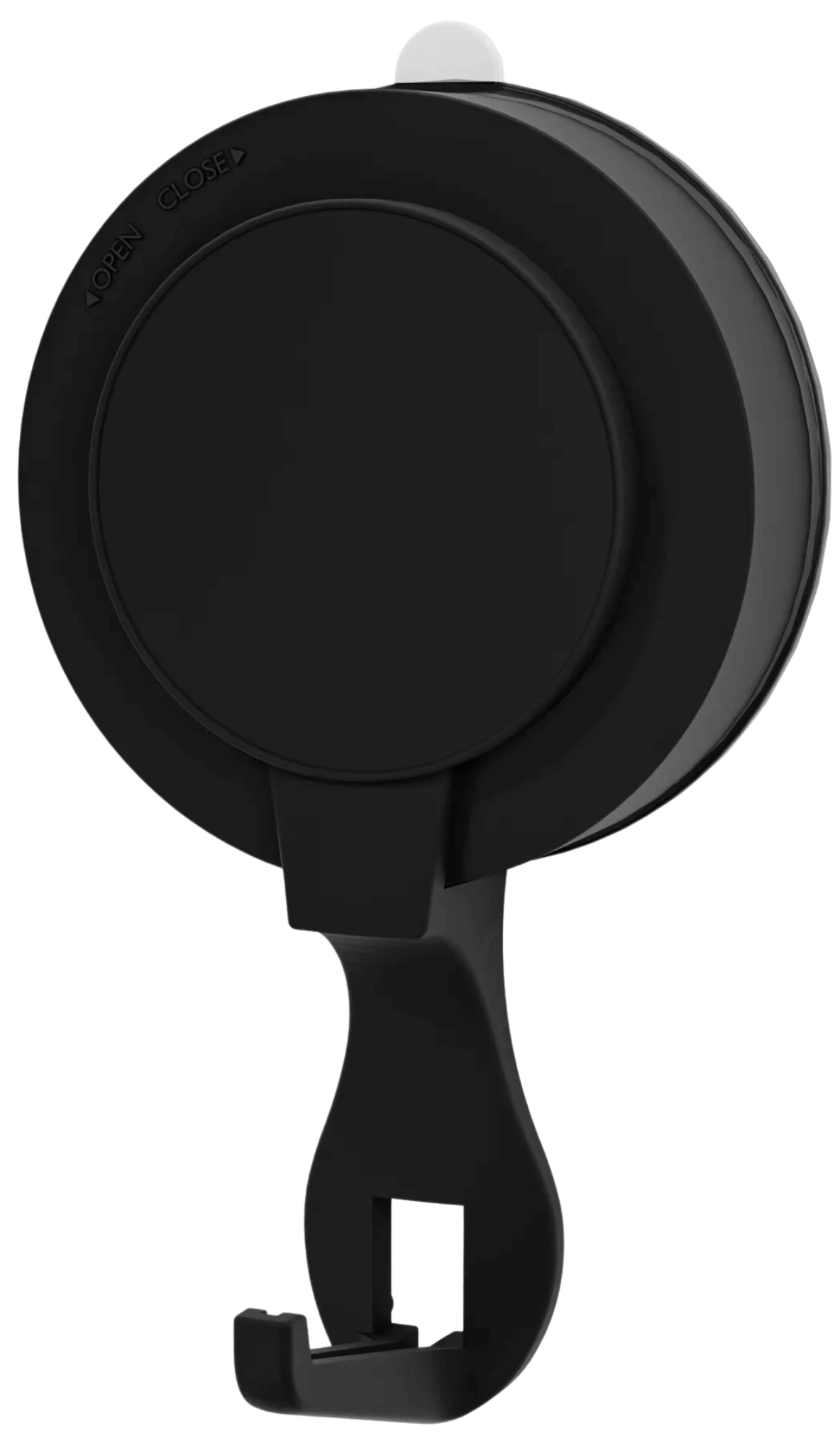
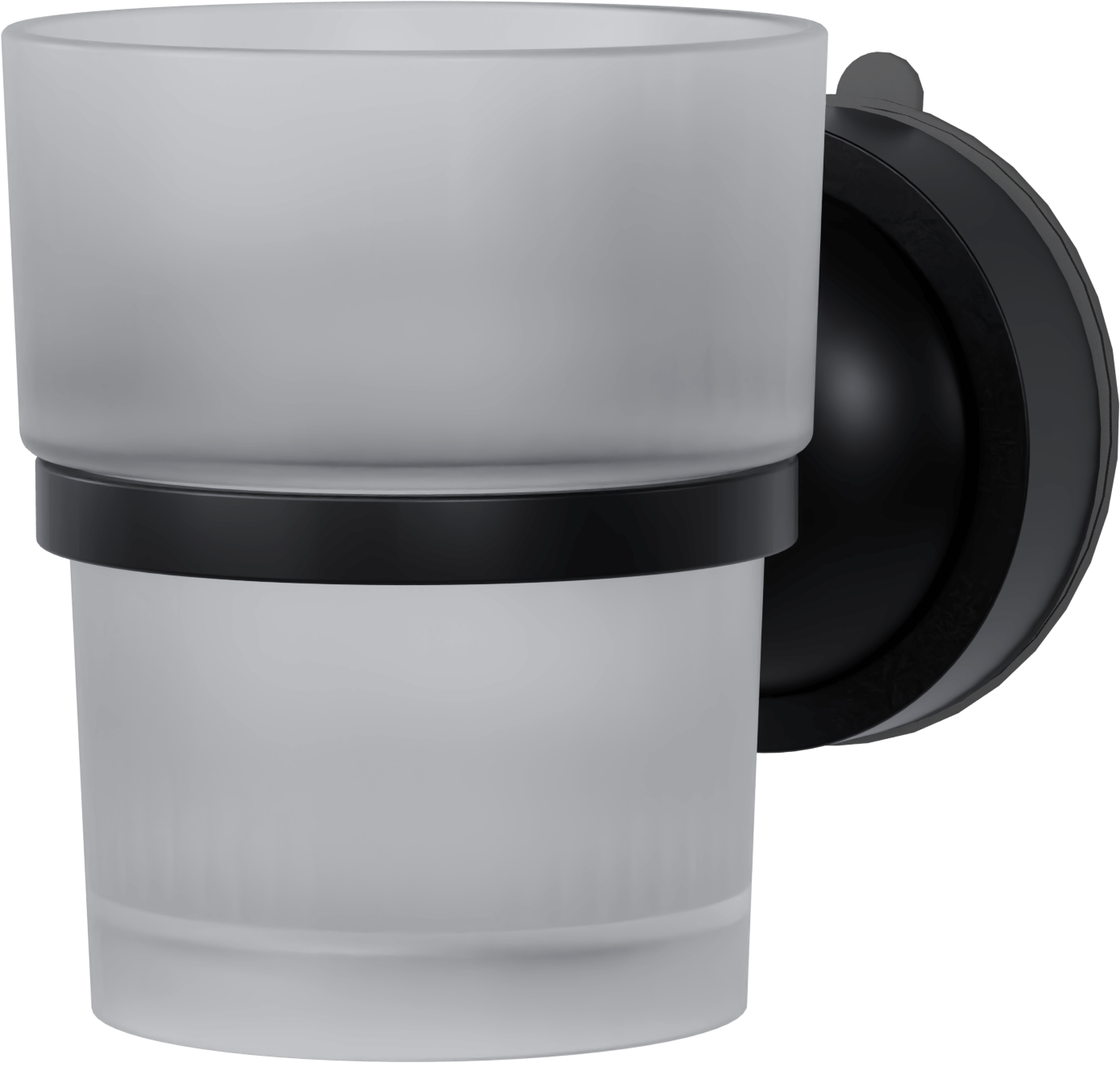
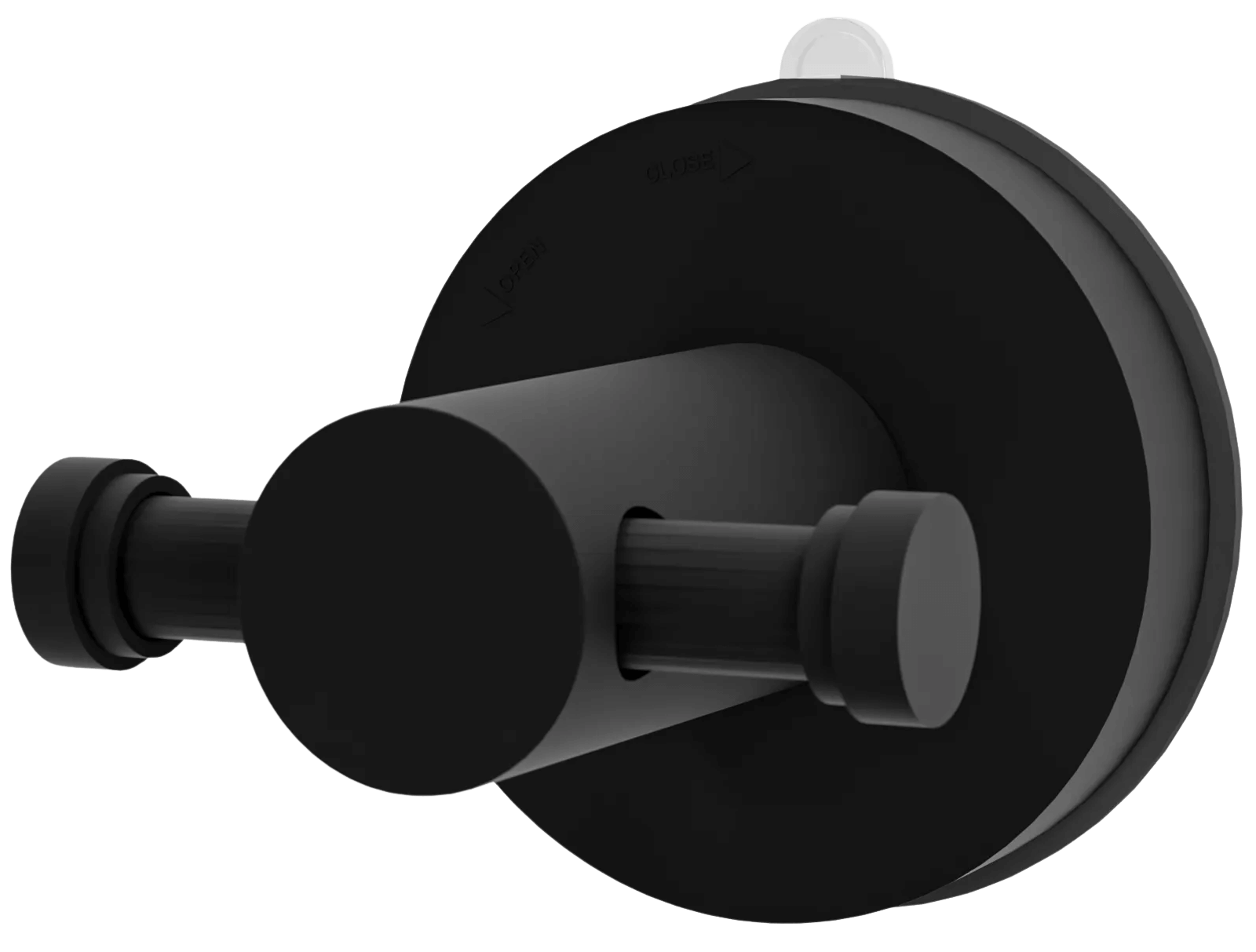
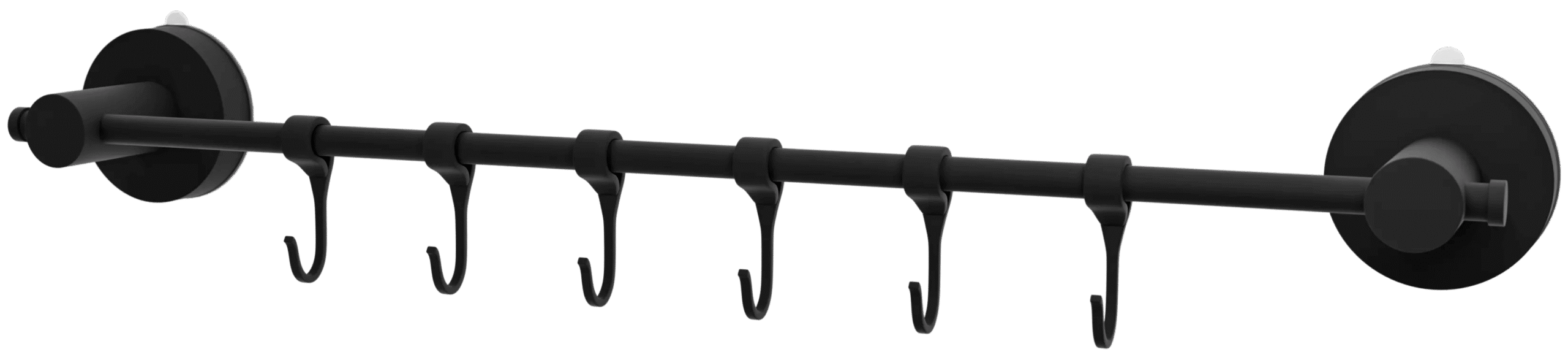
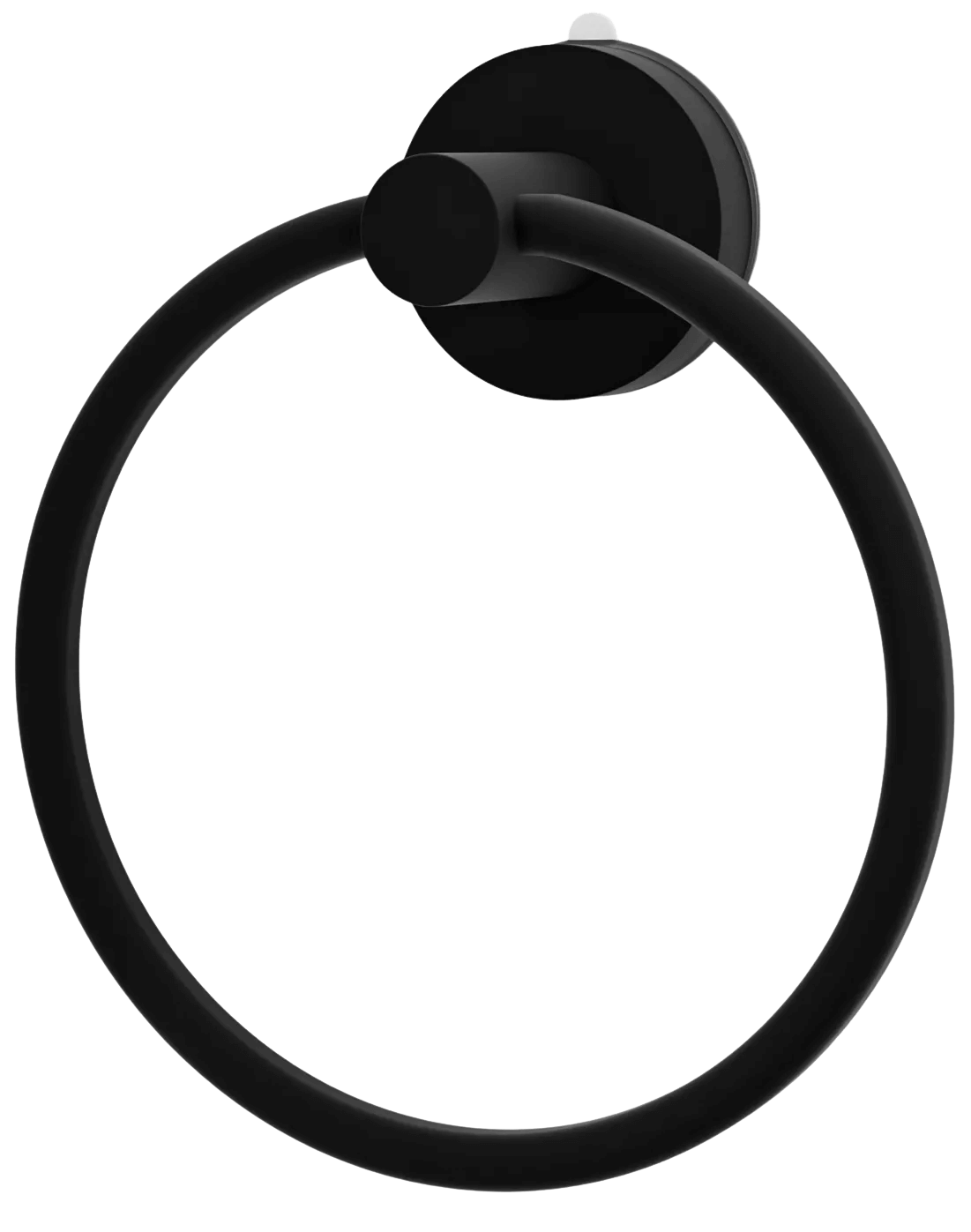
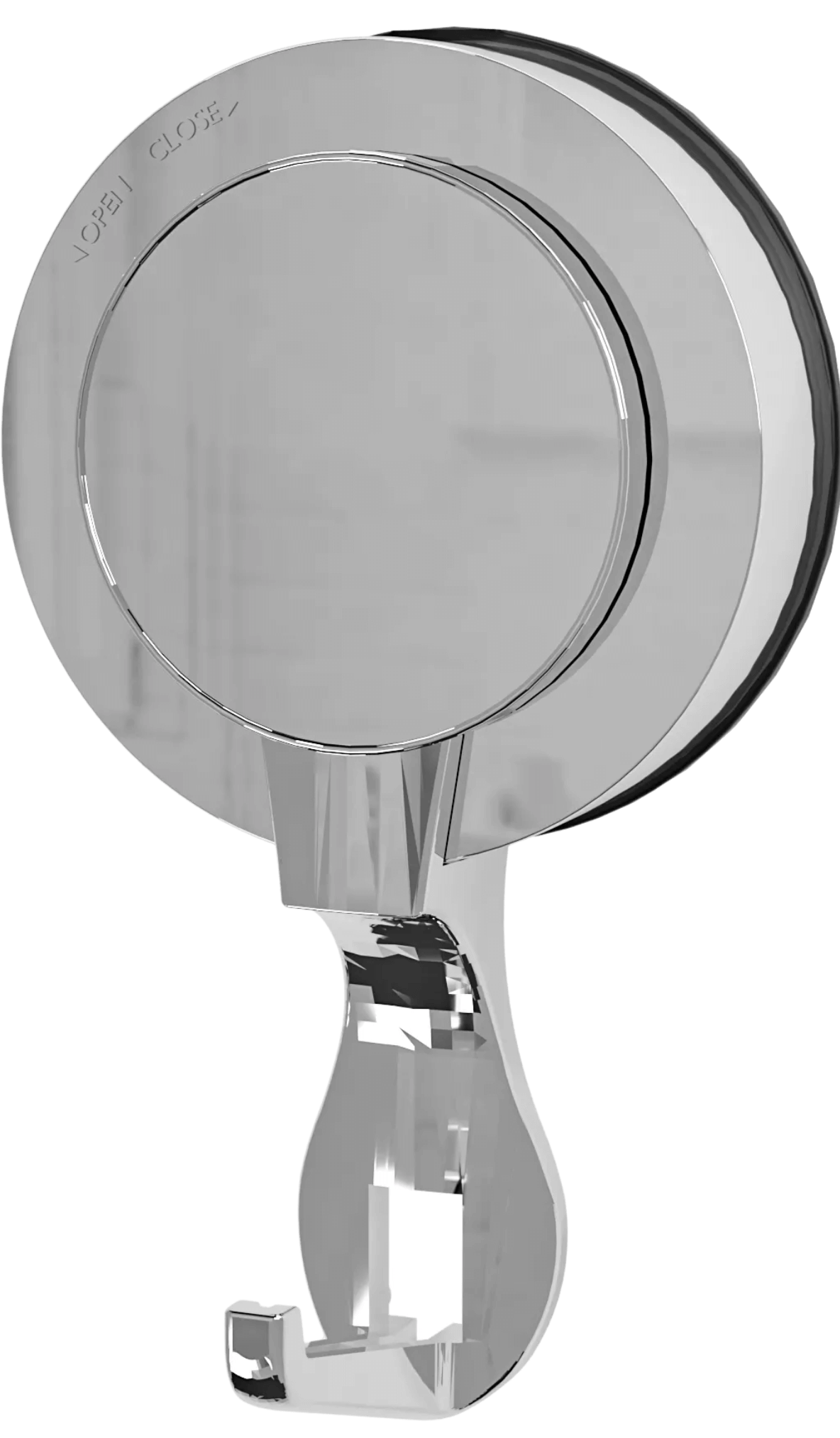
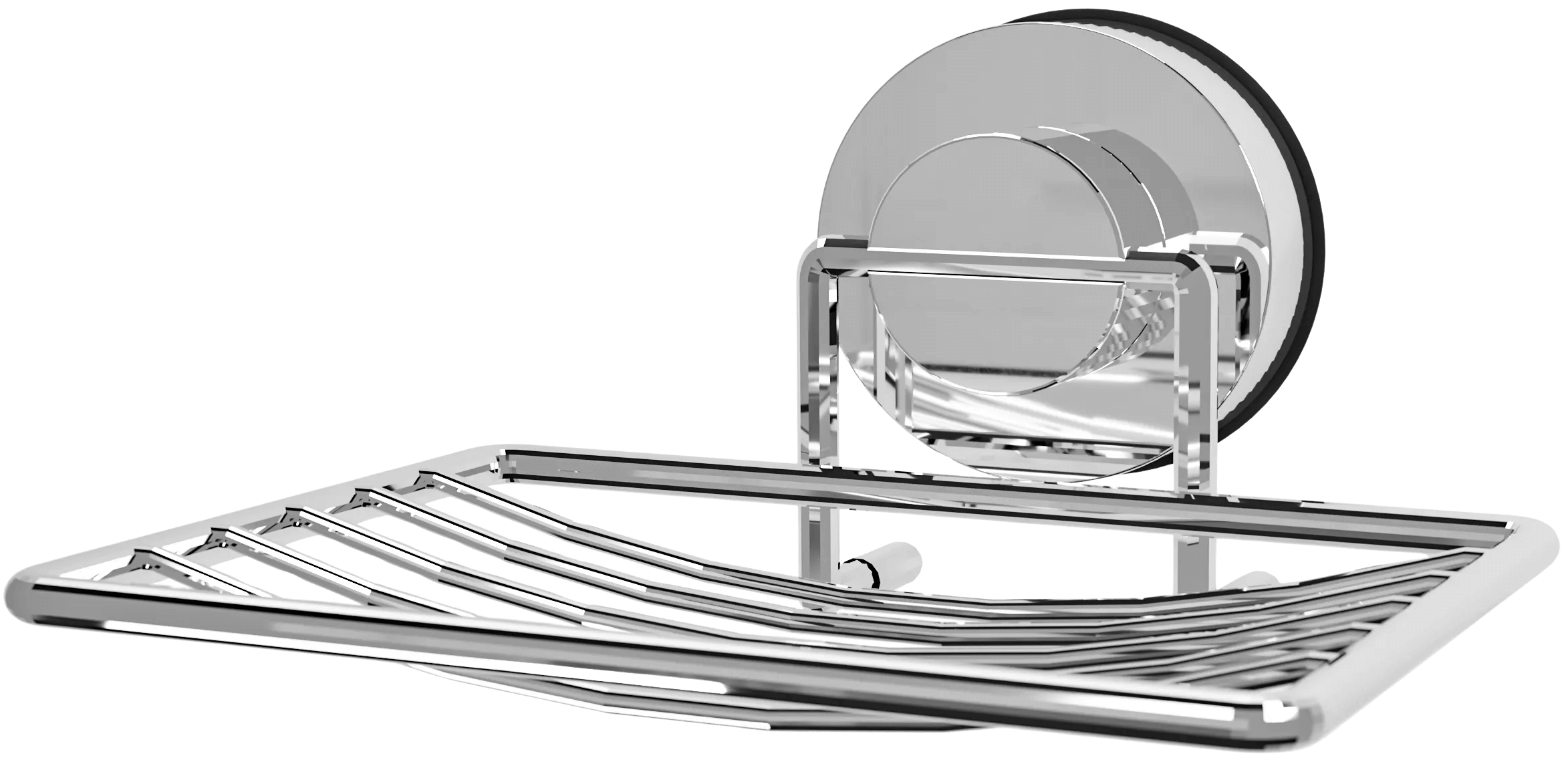
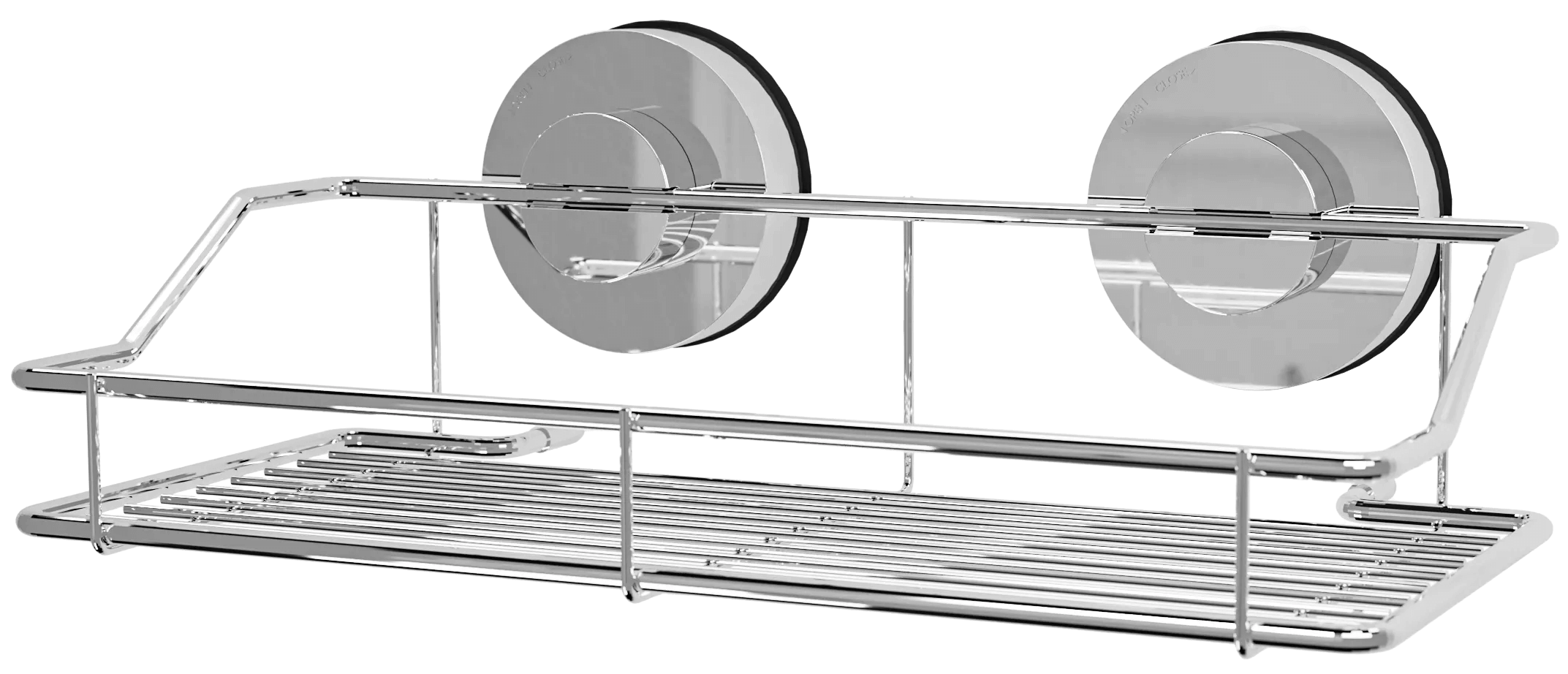
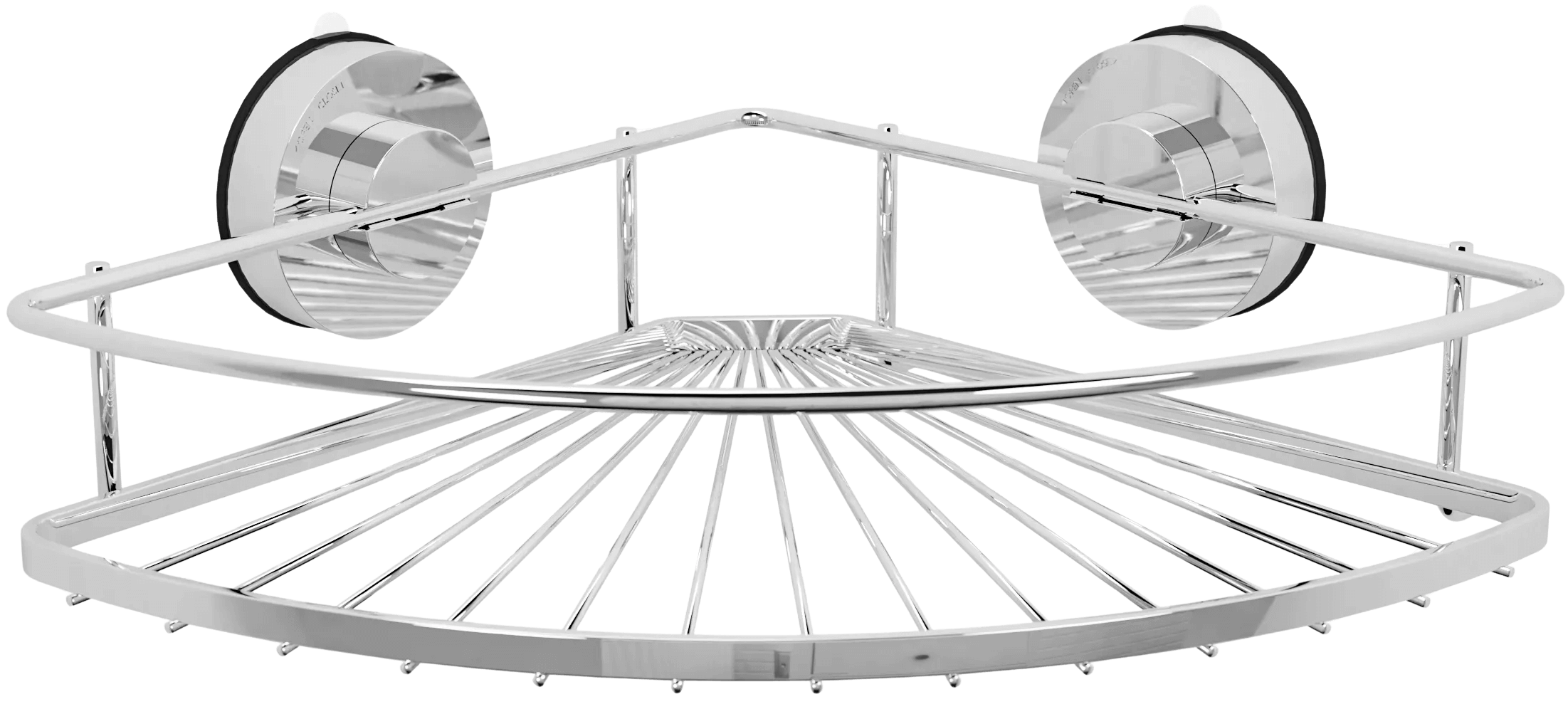
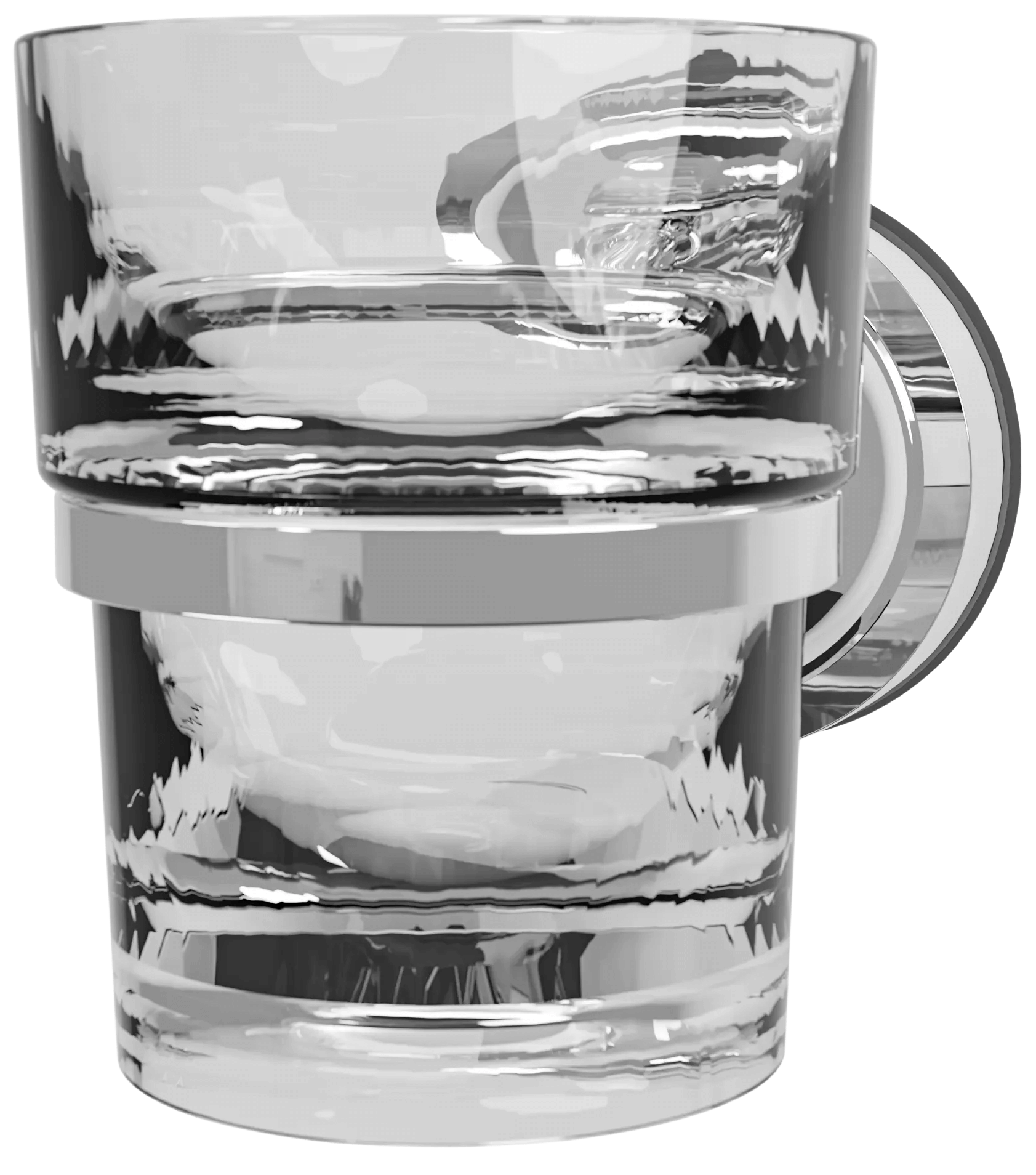
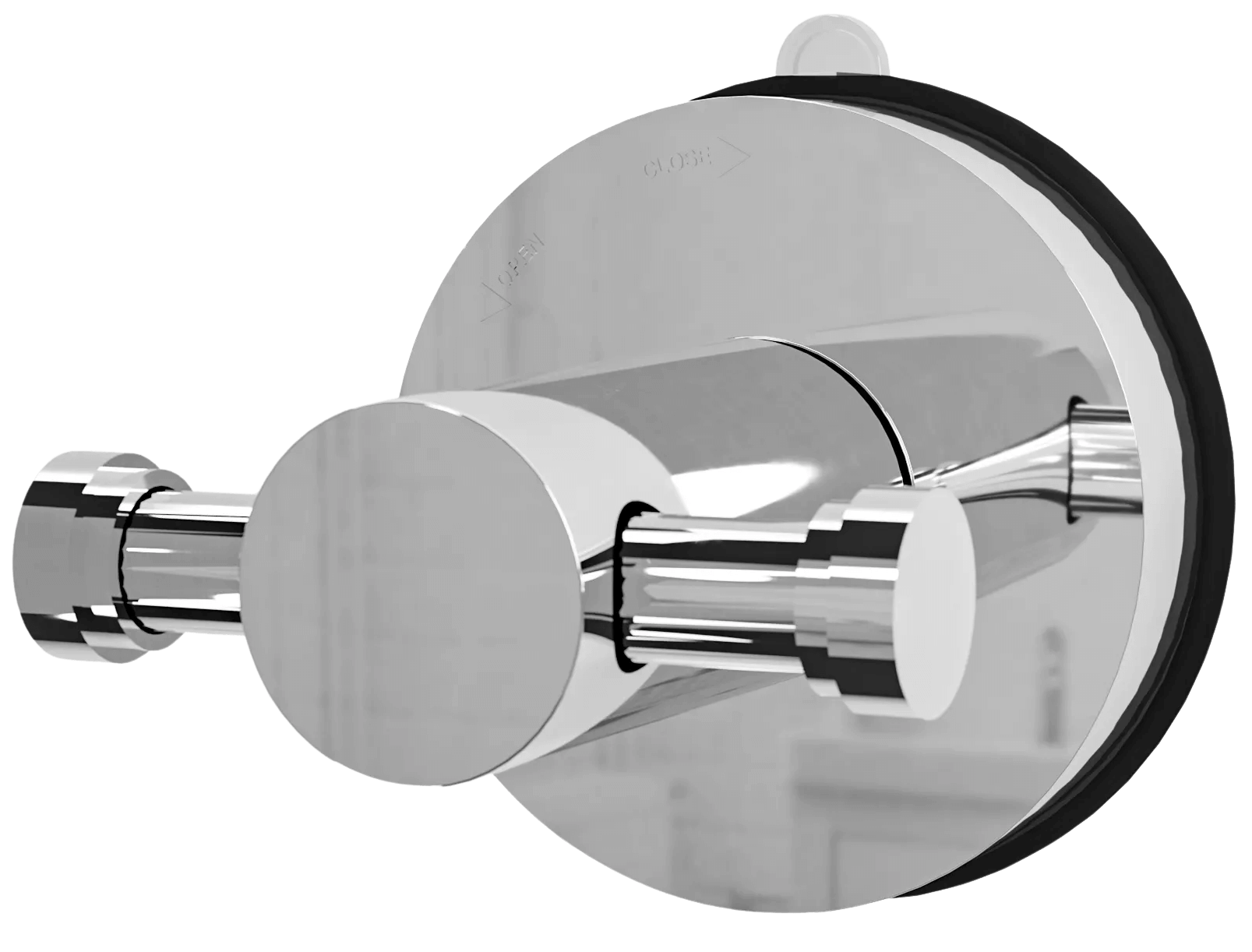
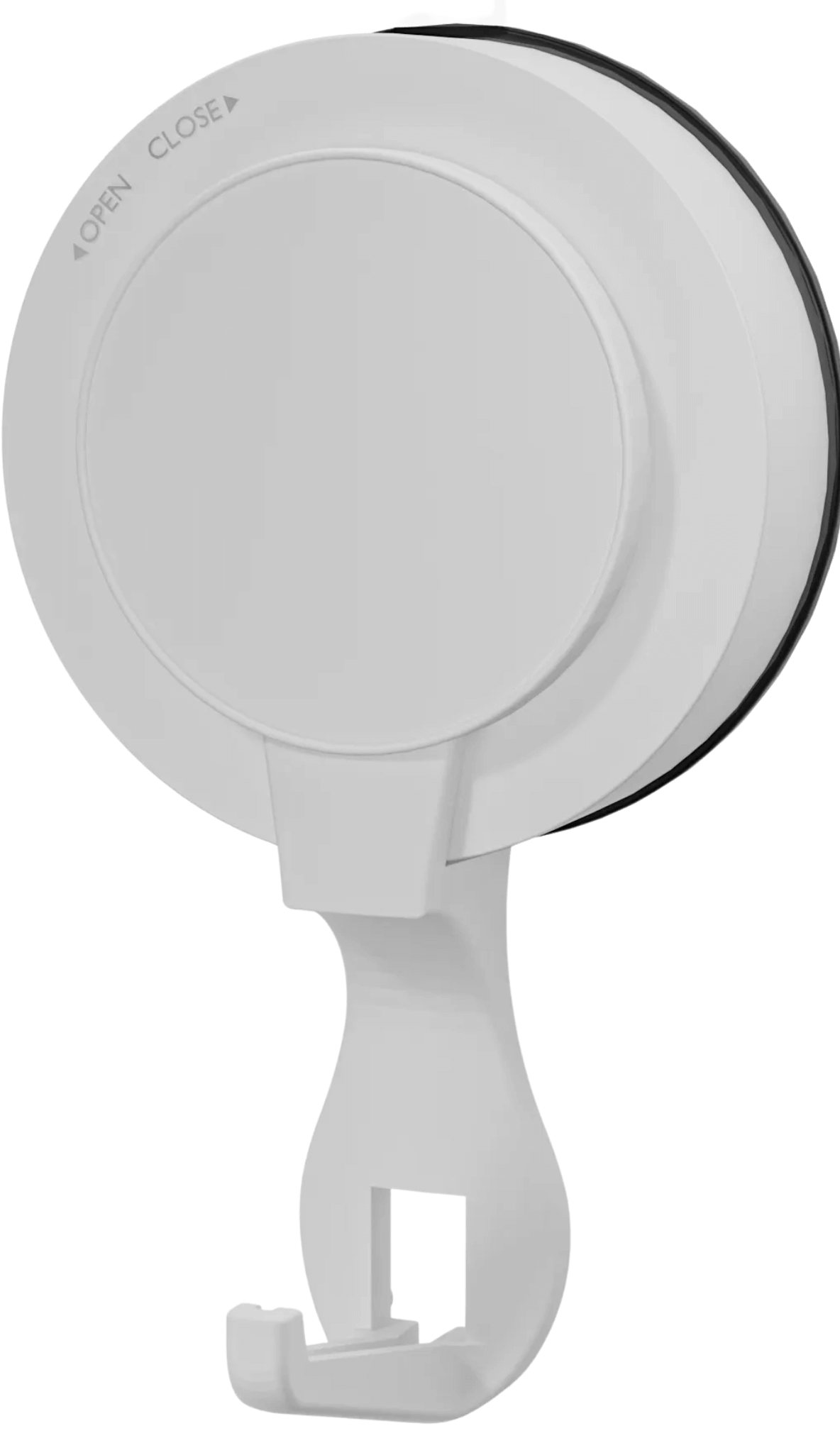
2. Suction Cup Hooks (The Renter’s Best Friend)
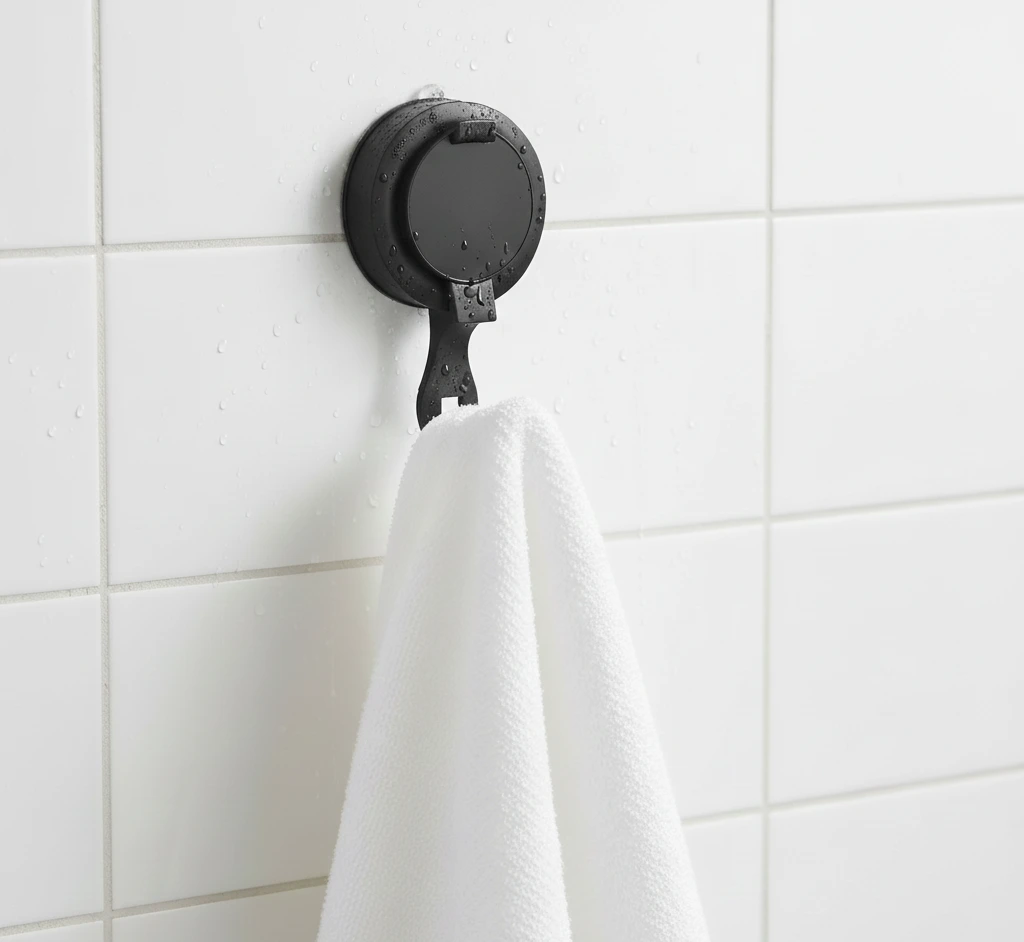
How they work: Vacuum-sealed suction cups adhere to smooth, non-porous surfaces like tile, glass, or metal.
Ideal for: Renters, temporary solutions, and tile-heavy bathrooms.
Weight capacity: 10-15 lbs for quality options, though standard versions may hold less.
Installation method: Simply press onto a clean, dry surface – no tools required.
Pros:
- Zero wall damage
- Renter-friendly
- Easy repositioning
- Perfect for tile installation
- Quick setup (literally seconds)
Cons:
- Less weight capacity than wall-mounted options
- May slip on dusty or textured surfaces
- Requires smooth surfaces for optimal grip
- May need occasional re-suction in humid environments
Pro Tip: Quality suction hooks from brands like Audend feature waterproof, rustproof PET materials with vacuum grip technology that can maintain strong suction even after multiple uses.
3. Adhesive Hooks (The Modern Convenience Solution)
How they work: Heavy-duty adhesive strips bond hooks directly to wall surfaces.
Ideal for: Renters, temporary installations, and situations where drilling isn’t feasible.
Weight capacity: Typically 5 kg (11 lbs), though heavy-duty varieties exist.
Installation method: Clean the surface, apply the adhesive strip, and press the hook firmly for 24 hours before use.
Pros:
- No drilling or tools needed
- Relatively damage-free removal (if high-quality)
- Wide variety of hooks available
- Quick installation
Cons:
- Lower weight capacity than drilled options
- Adhesive residue possible with cheaper brands
- Performance depends on wall surface (doesn’t work on textured walls)
- May require replacement every 1-2 years
4. Over-the-Door Hooks (The Space Hack)
How they work: These hooks hang over your bathroom door, utilizing otherwise unused vertical space.
Ideal for: Extremely small bathrooms where every inch counts; perfect for renters.
Weight capacity: Varies widely, but typically 5-10 kg.
Installation method: Simply hang over the top of the door – no installation required.
Pros:
- Zero installation needed
- Uses completely unused space
- Excellent for robes and towels
- Perfect for rentals
- Can space items out for faster drying
Cons:
- Limited to door installation
- May reduce door privacy if you prefer closed bathroom door aesthetics
- Can only hold lighter items
- Requires sturdy door
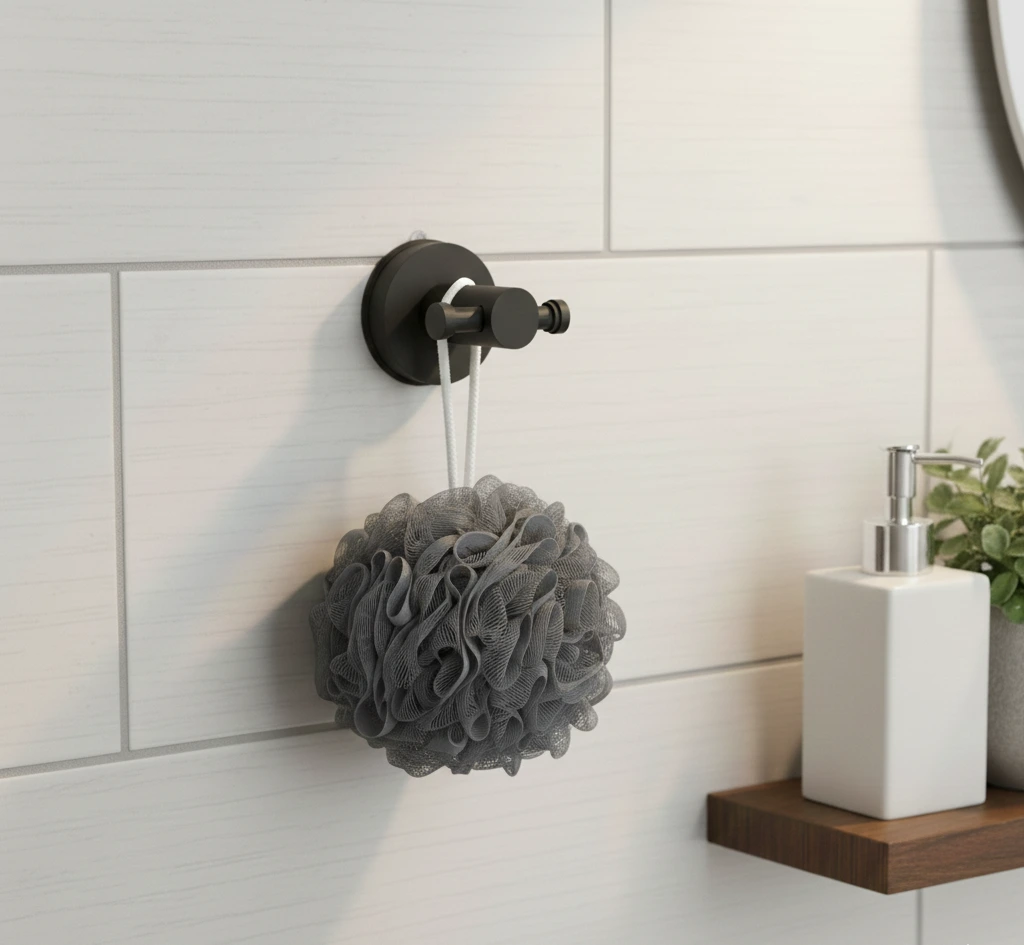
Materials Matter: Choosing the Right Hook Composition
When you’re selecting bathroom hooks, the material is absolutely critical because bathrooms are humidity epicenters. Moisture, steam, and temperature fluctuations can corrode the wrong material in months.
Stainless Steel: The Modern Standard
Durability: Highly resistant to rust, corrosion, and tarnish.
Maintenance: Minimal – wipe with a dry cloth; resists fingerprints with brushed finishes.
Aesthetic: Sleek, contemporary look that complements modern bathrooms.
Cost: Budget-friendly; widely available across price points.
Best for: High-traffic bathrooms, coastal areas, and those seeking a contemporary aesthetic.
Why it dominates: Stainless steel is the industry standard because it reliably withstands bathroom humidity without sacrificing aesthetics.
Brass: The Luxury Investment
Durability: Corrosion-resistant but softer than stainless steel; may develop a patina over time.
Maintenance: Requires more care; occasional polishing maintains shine, though patina is also desirable.
Aesthetic: Warm, elegant, luxurious appearance; perfect for classic or vintage-inspired bathrooms.
Cost: Higher initial investment but justifiable for longevity.
Best for: Homeowners seeking a statement piece; classic or art deco bathroom designs.
Antimicrobial benefit: Brass naturally resists bacteria growth better than some other materials.
Chrome: The Reflective Classic
Durability: Durable but prone to water spotting if not maintained.
Maintenance: Regular drying prevents spotting; polish occasionally for shine.
Aesthetic: Shiny, reflective finish that brightens bathrooms and creates visual interest.
Cost: Mid-range pricing.
Best for: Bathrooms seeking brightness and a polished appearance.
Brushed Nickel: The Understated Elegant
Durability: Excellent corrosion resistance.
Maintenance: Fingerprint-resistant; minimal upkeep.
Aesthetic: Soft, muted finish that adds warmth and sophistication.
Cost: Mid-range.
Best for: Bathrooms with subtle, sophisticated design; professional settings.
The Installation Guide: From Measurement to Mounting
Before You Begin: Assessment and Planning
Step 1: Measure Your Space
Take precise measurements of your bathroom:
- Identify your available wall space
- Locate studs using a stud finder (crucial for wall-mounted hooks)
- Measure from fixtures (shower, tub, sink) to ensure ideal placement
- Consider sightlines and traffic flow
Step 2: Determine Hook Height
The standard installation height for bathroom robe hooks is 66 inches (168 cm) from the floor, as recommended by design guidelines. This height:
- Allows longer towels and robes to hang freely without touching the floor
- Provides convenient accessibility for most adults
- Keeps hooks out of the way of bathroom fixtures
- Complies with interior design standards and accessibility recommendations
Practical spacing guidelines:
- Place your first towel hook approximately 8-10 inches from the edge of your shower
- Space remaining hooks approximately 12 inches apart from one another
Step 3: Mark Your Anchor Points
Using a pencil or painter’s tape, mark exactly where your hooks will install. Use a level to ensure alignment.
Installation Methods by Surface Type
For Drywall Installation (Wall-Mounted Hooks)
- Locate studs using a stud finder; drilling into studs provides maximum hold
- Select appropriate drill bits:
- Wood screw bit for studs
- Anchor-sized bit for drywall
- Create pilot holes with a smaller drill bit first
- Insert wall anchors firmly into the holes
- Screw mounting brackets securely, ensuring they’re level
- Attach hook using the provided hardware
- Test stability by gently tugging – it should hold firm
For Tile Installation (Wall-Mounted Hooks)
Drilling into tile requires special handling to prevent cracking:
- Use masking tape over the marked installation point for stability
- Select tile-specific drill bits (Bosch tile bits are recommended)
- Drill slowly and steadily – rushing causes tile breakage
- Don’t apply excessive pressure – let the bit do the work
- Follow standard anchor and screw insertion once hole is complete
For Suction Cup Installation
- Clean the surface thoroughly with soap and water, then dry completely
- Inspect the suction cup for any damage
- Press firmly onto the surface with even pressure across the cup
- Lock the suction mechanism by pressing down on the air exhaust ring
- Wait 24 hours before hanging items for optimal adhesion
For Adhesive Hook Installation
- Clean the wall with soap and water; ensure it’s completely dry
- Roughen textured surfaces slightly with sandpaper for better adhesion
- Apply the adhesive strip firmly to both the wall and hook
- Press the hook against the wall with sustained pressure
- Leave undisturbed for 24 hours before use
Advanced Placement Strategies for Maximum Impact
The Shower-Adjacent Hook Zone
Mount hooks within arm’s reach of your shower or tub – ideally 8-10 inches from the edge. This positioning allows immediate towel access and prevents wet floors. For small bathrooms, this single strategic placement can eliminate the “where are my towels?” moment entirely.
Behind-the-Door Storage Mastery
The space behind your bathroom door is prime real estate in small bathrooms:
- Install 2-3 hooks vertically on the back of the door
- Hang your daily-use robe, loofahs, or shower caps
- Keep this zone organized so the door closes freely
- This location keeps items conveniently out of sight
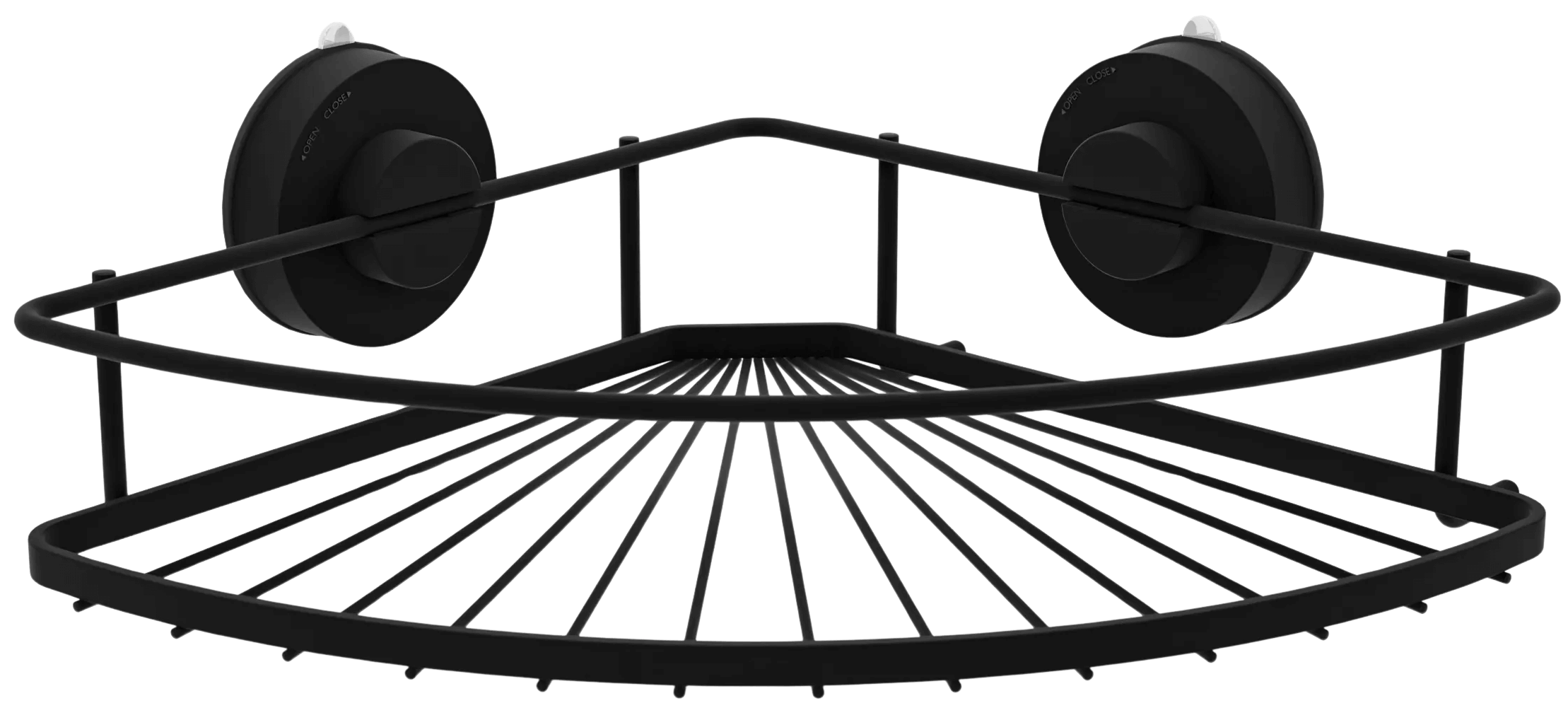
Corner Maximization Techniques
Small bathroom corners are often overlooked, but they’re perfect for hook installation:
- Corner nooks above the toilet or beside the sink are ideal angles
- Install hooks at slightly different heights to prevent crowding
- Combine hooks with small floating shelves for layered storage
- Angles create visual interest and improve functionality
Vertical Stacking Without Clutter
Instead of installing one hook, consider a vertical column of 3-4 hooks spaced 12 inches apart:
- Different hooks for different items (robes, towels, loofahs)
- Vertical arrangement draws the eye upward, making the bathroom feel taller
- Maximizes wall use without spreading horizontally
Material Integration: Matching Your Bathroom Aesthetic
Modern Minimalist Bathrooms
Best materials: Brushed stainless steel, matte black, brushed nickel
Style tips:
- Choose geometric, minimalist hook designs with minimal ornamentation
- Keep hooks sleek and low-profile
- Limit to 2-3 hooks for clean aesthetic
- Coordinate with other bathroom hardware
Classic/Traditional Bathrooms
Best materials: Polished brass, polished chrome
Style tips:
- Select hooks with decorative detailing or vintage-inspired designs
- Pair with matching towel bars and mirror frames for cohesion
- Embrace patina as a character element with brass
Contemporary Design Integration
Trending combinations: Mixing metals like brass, chrome, and matte black
Why it works:
- Brass adds warmth and luxury
- Chrome offers sleek polish
- Matte black provides contemporary edge
- Creates depth and visual sophistication
Real-World Application: Small Bathroom Scenarios
Scenario 1: The 35-Square-Foot Rental Bathroom
Challenge: Temporary residency, no wall drilling allowed, minimal budget
Hook solution:
- 2-3 adhesive hooks on the tile wall (minimal weight capacity concerns)
- 1 over-the-door hook rack for maximum space utilization
- 1-2 suction cup hooks on tile for bonus storage
Why it works: Zero commitment, immediate impact, completely removable
Scenario 2: The Permanent Tiny Master Bath
Challenge: Owned home, wants maximum functionality and aesthetic appeal, willing to drill
Hook solution:
- 3 wall-mounted stainless steel hooks (60-inch height) for towels and robes
- Hooks spaced 12 inches apart for visual rhythm
- Brushed finish to hide water spots and fingerprints
- Installation in studs for maximum 15kg capacity
Why it works: Professional appearance, maximum durability, tailored to family needs
Scenario 3: The Apartment Bathroom With Tile Walls
Challenge: Renter status but wants semi-permanent solution, tile walls throughout
Hook solution:
- 2-3 quality suction cup hooks (10-15 lbs capacity) on tile wall
- Vacuum-grip mechanism for reliable long-term adherence
- High-quality materials resisting rust and water damage
- Easy repositioning as needs change
Why it works: Balances renter constraints with durability expectations
Essential Checklist: Before You Install
- Measured your space and identified stud locations (if relevant)
- Selected hook type (wall-mounted, suction, adhesive, over-door)
- Chosen material matching your bathroom aesthetic and durability needs
- Verified weight capacity against your expected load
- Gathered all tools (drill, level, stud finder, screwdriver, etc.)
- Cleaned installation surfaces and ensured they’re dry
- Marked all measurement points and verified alignment with level
- Read manufacturer instructions completely before beginning
- Tested hook stability gently before hanging full load
- Waited recommended cure time (24 hours for adhesive/suction)
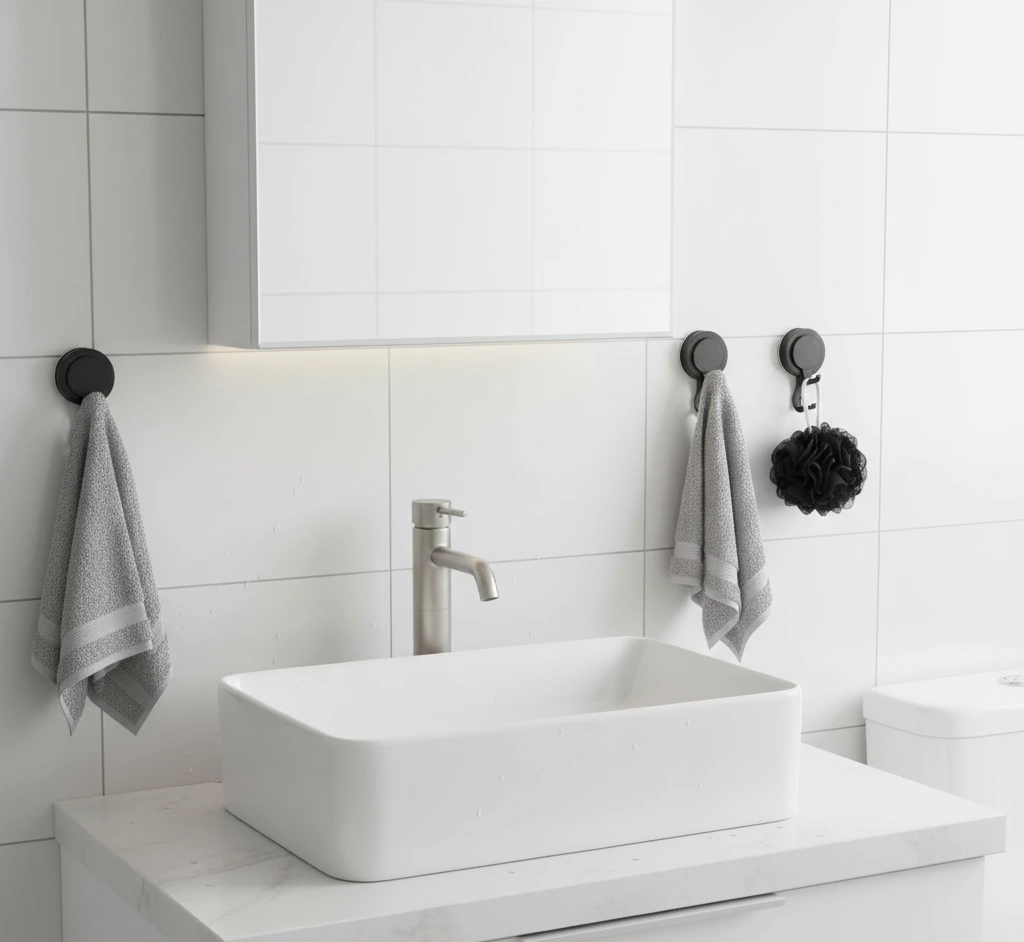
Professional Tips for Maximum Organization
The Towel Organization System
Instead of haphazardly hanging towels, implement strategic categorization:
- Daily-use hook: Closest to shower; holds your primary towel
- Guest/backup hook: Secondary position for fresh towels
- Robe hook: Dedicated to non-towel items for visual clarity
- Accessory hook: Loofahs, washcloths, or shower caps
This system prevents the “tangled towel pile” phenomenon while maintaining organization.
Maximizing Small Space Geometry
Small bathrooms aren’t disadvantages – they’re puzzle-solving opportunities:
- Use high placement: Hooks at 66 inches draw eyes upward, making ceilings feel higher
- Employ corners: Double up by combining corner shelves with corner hooks for layered storage
- Create visual rhythm: Space hooks evenly for organized appearance
- Mix textures: Combine metal hooks with woven baskets or wooden shelves for visual warmth
The 80/20 Organization Principle
Keep 80% of your items concealed in drawers or cabinets, with only 20% on display via hooks. This prevents visual clutter while maintaining accessibility.
Avoiding Common Installation Mistakes
Mistake #1: Installing Hooks Too Low
The problem: Low placement makes towels drag on the floor and feels cramped
The fix: Follow the 66-inch standard height guideline
Mistake #2: Using Incorrect Anchors for Your Wall Type
The problem: Drywall anchors in tile? Tile bits in drywall? Installation failure and frustration ensue
The fix: Identify your wall type first, then select appropriate hardware
Mistake #3: Skipping the Surface Preparation
The problem: Dirty, dusty surfaces reduce suction and adhesive effectiveness dramatically
The fix: Clean thoroughly and ensure surfaces are completely dry before installation
Mistake #4: Overloading Hook Weight Capacity
The problem: Exceeding maximum capacity causes hooks to pull free, damaging walls and creating safety hazards
The fix: Verify weight capacity and stick to conservative estimates (wet towels are heavier than dry ones)
Mistake #5: Ignoring Humidity Concerns
The problem: Non-moisture-resistant materials rust, tarnish, and corrode quickly
The fix: Invest in stainless steel, brass, or chrome – materials proven to withstand bathroom humidity
The Klever Homes Recommendation: Sustainable Solutions for Small Bathrooms
When it comes to bathroom organization for small spaces, companies like
demonstrate how thoughtful design meets practical functionality. Their approach emphasizes space optimization through strategic storage solutions including wall-mounted hooks, floating shelves, and integrated organizing systems specifically designed for compact bathrooms. Their philosophy – that small spaces shouldn’t mean sacrificing organization or aesthetics – aligns perfectly with the guidance outlined in this comprehensive guide.
For those seeking pre-designed solutions, research manufacturers who specialize in vertical storage and small-space optimization. Their innovations continue pushing the boundaries of what’s possible in cramped bathrooms.
FAQs: About Bathroom Hooks
Q1: What’s the difference between a robe hook and a towel hook?
A: Robe hooks typically have a single large arm extending 1-1.5 inches from the wall, designed for heavy items like robes or bathrobes. Towel hooks vary widely but often have multiple arms or higher weight capacities. In small bathrooms, either can work interchangeably depending on your needs and mounting surface.
Q2: Can I install hooks on textured walls?
A: Wall-mounted hooks work on textured surfaces if you drill into studs. Adhesive hooks struggle with textured walls because they need smooth surface contact. Suction cups won’t adhere to textured surfaces at all. For textured walls, wall-mounted hooks are your best bet.
Q3: How many hooks does a small bathroom actually need?
A: Most small bathrooms function well with 3-4 strategically placed hooks: one for daily towels (at shower), one for guest/backup towels, one for robes, and optionally one for accessories like loofahs. Avoid over-hooking, which creates visual clutter and defeats the purpose of space optimization.
Q4: Will suction cup hooks work in my shower enclosure?
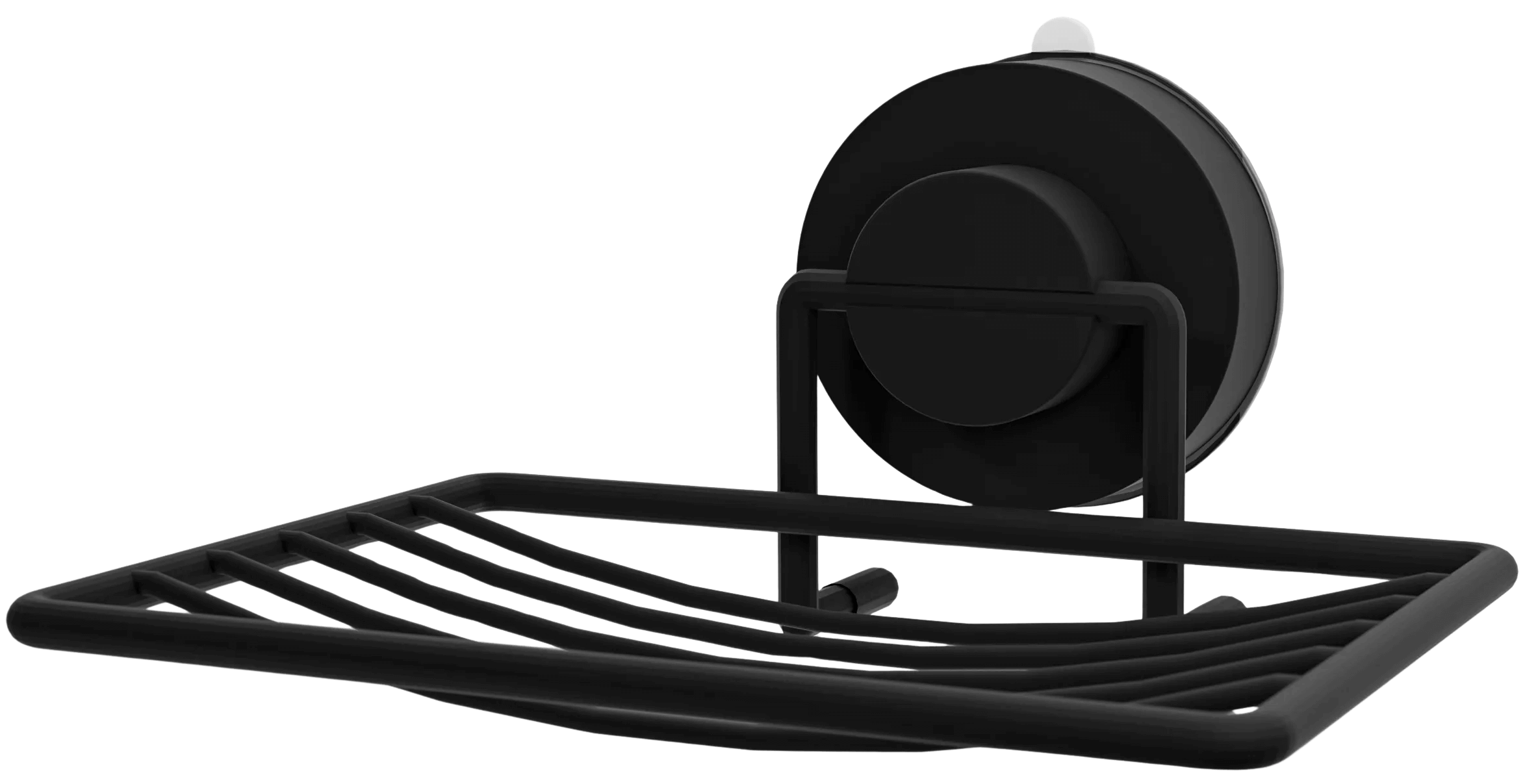
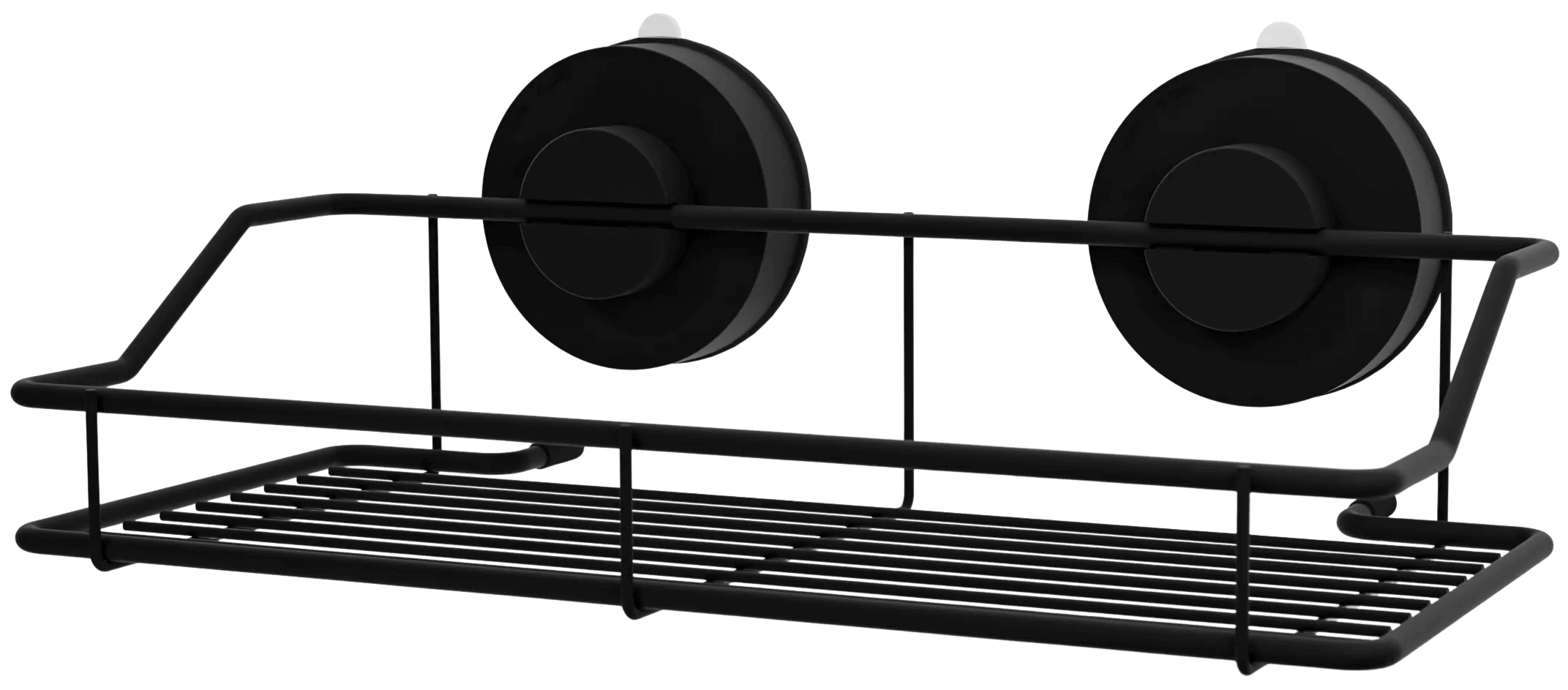
A: Suction cups work excellently on glass shower enclosures and tile inside showers. However, they may slip with heavy moisture if the seal isn’t perfect. For in-shower storage, consider suction-cup shower caddies or wall-mounted hooks rated for wet environments specifically.
Q5: Can I combine different hook types in one bathroom?
A: Absolutely! Many small bathroom owners combine suction cups on tiles, wall-mounted hooks in studs, and over-the-door options to maximize flexibility. Just ensure visual cohesion through matching finishes or intentional contrast (like mixing metals in contemporary designs).
Conclusion: Transform Your Small Bathroom Into an Organized Oasis
Choosing the best bathroom hooks for small bathrooms isn’t complicated – it’s strategic. By understanding your space constraints, evaluating hook types, selecting appropriate materials, and implementing thoughtful placement strategies, you can transform your cramped bathroom from chaotic to calm.
The real magic of bathroom hooks lies in their simplicity. They ask nothing of your floor space, demand minimal visual footprint, and deliver disproportionate organizational impact. Whether you’re a renter navigating temporary solutions or a homeowner seeking permanent improvement, hooks offer flexibility, affordability, and aesthetic potential that other storage options simply can’t match.
The bathroom storage industry’s explosive growth – projecting from $8.5 billion to $13.1 billion by 2032 – reflects a fundamental truth: people are tired of cluttered bathrooms. They’re ready to invest in organization. You now have everything you need to join that movement intelligently.
Start today: Measure your space, identify your surface type, select your hooks, and watch your small bathroom become the organized, functional, beautiful sanctuary it deserves to be. Your daily routine will thank you for it.