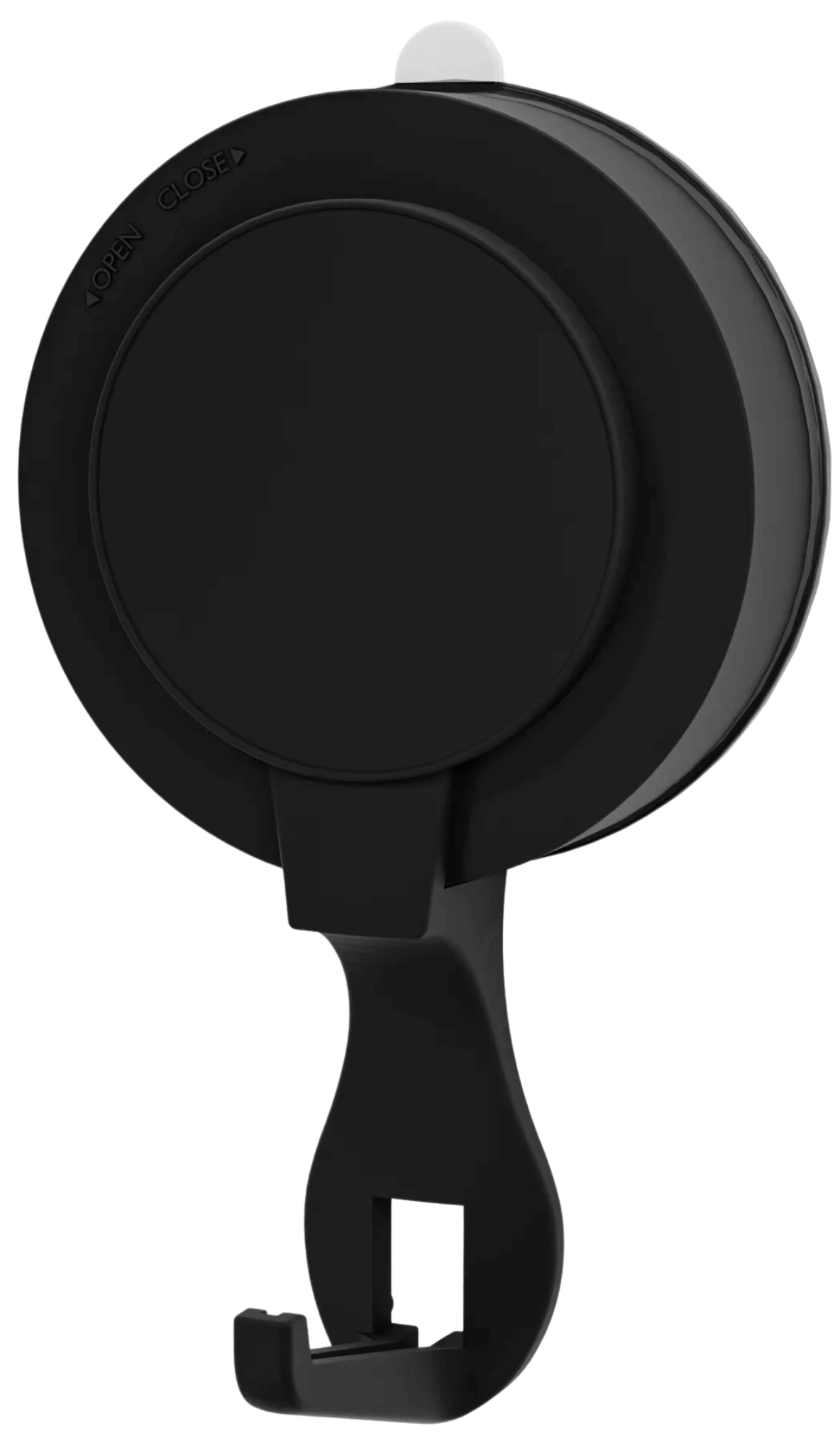
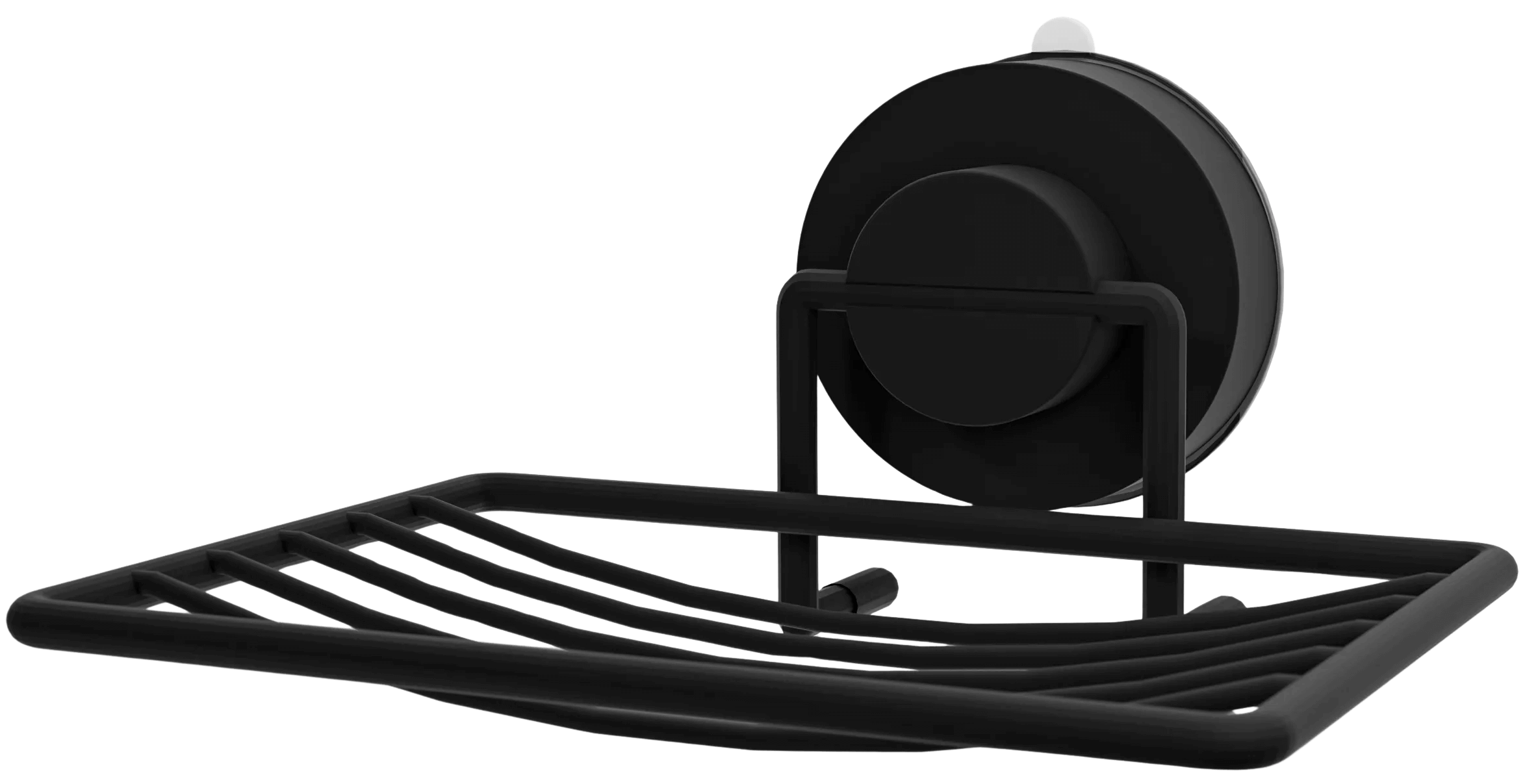
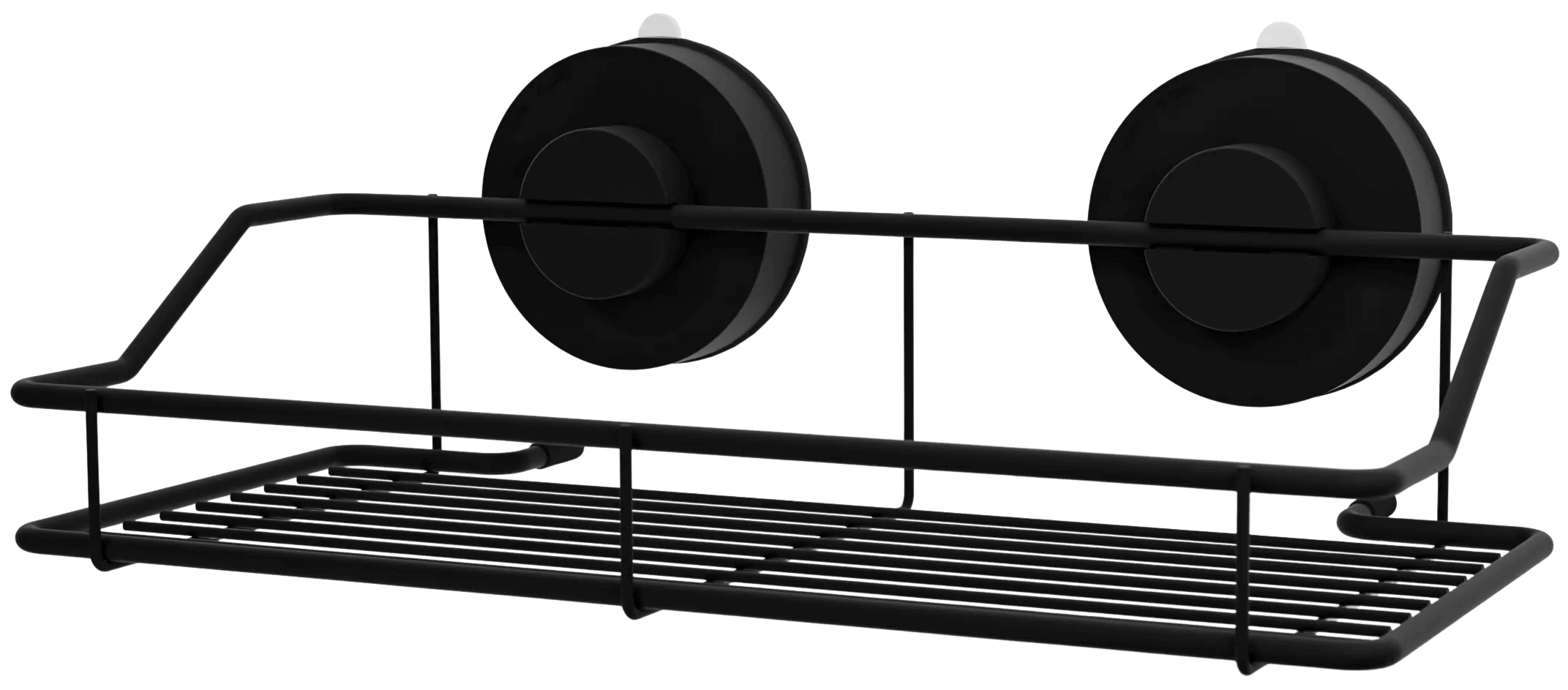

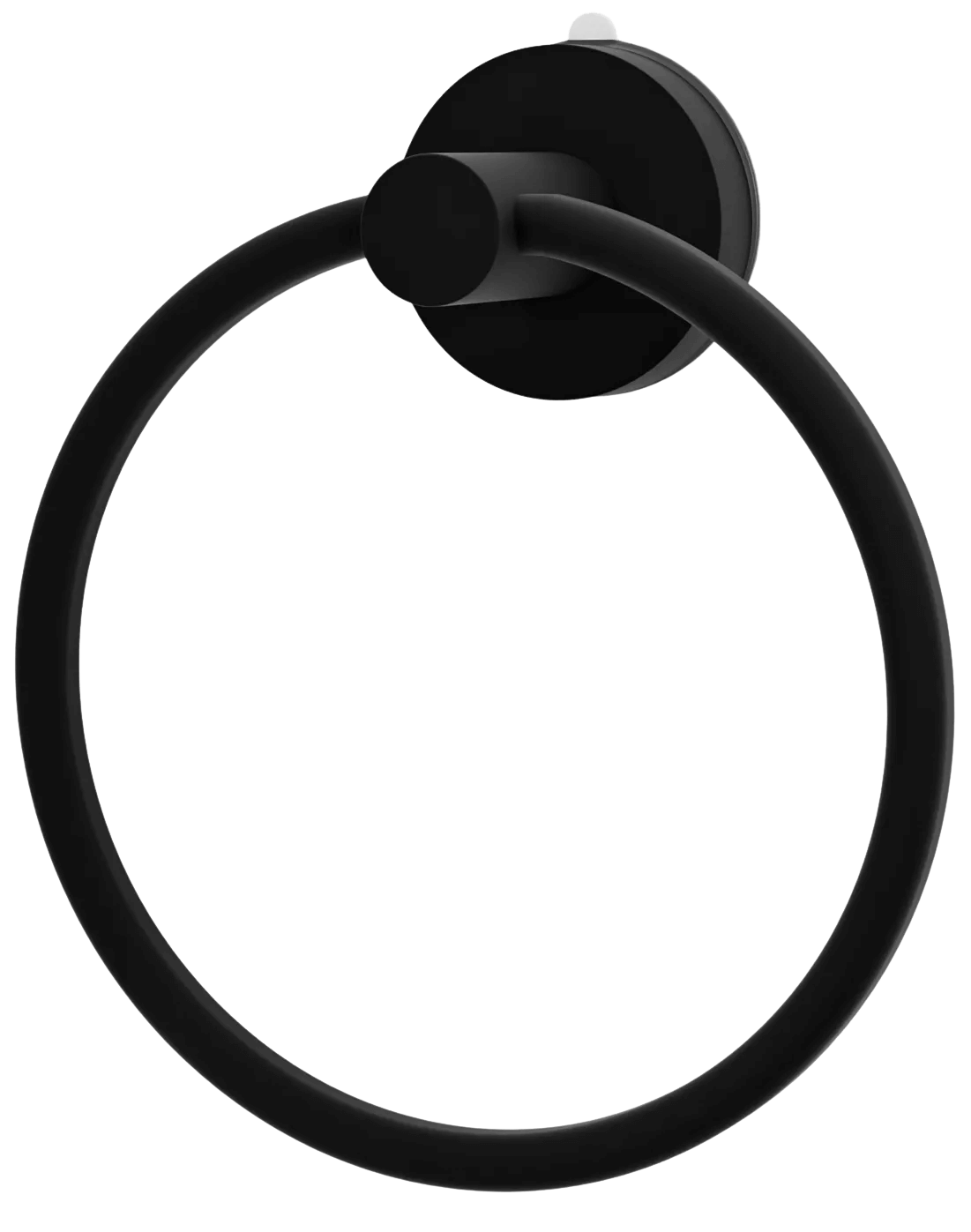
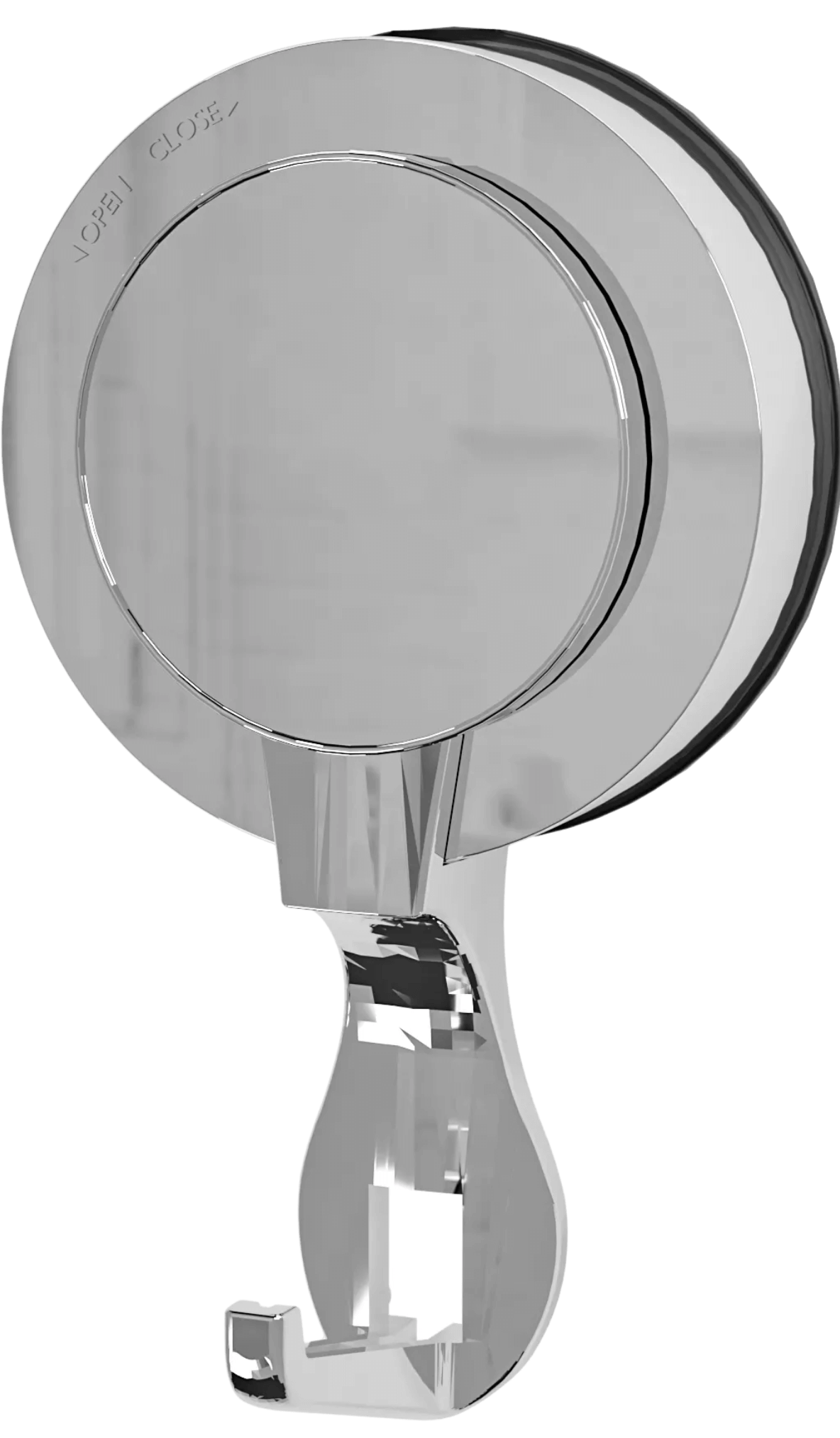
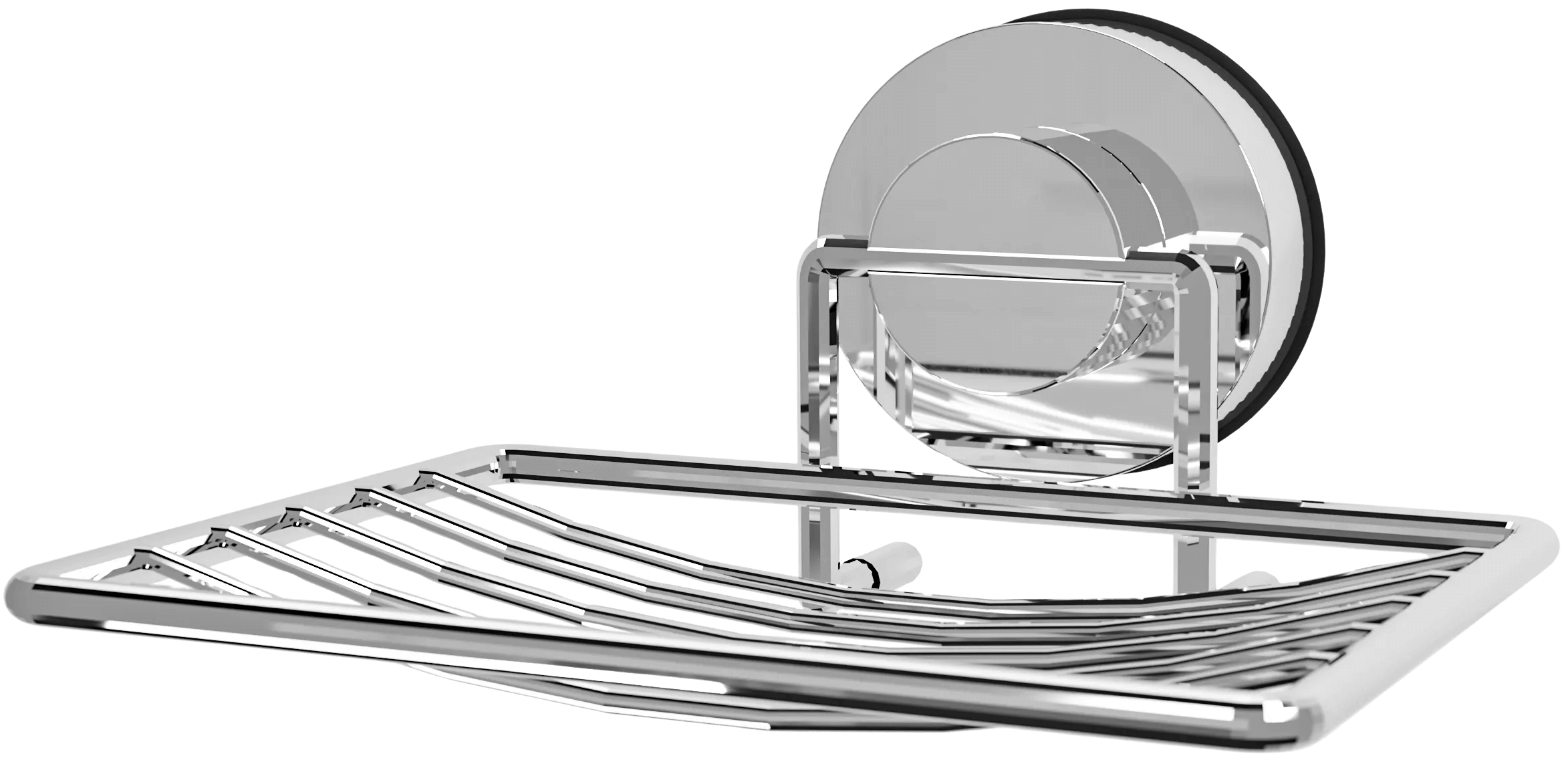
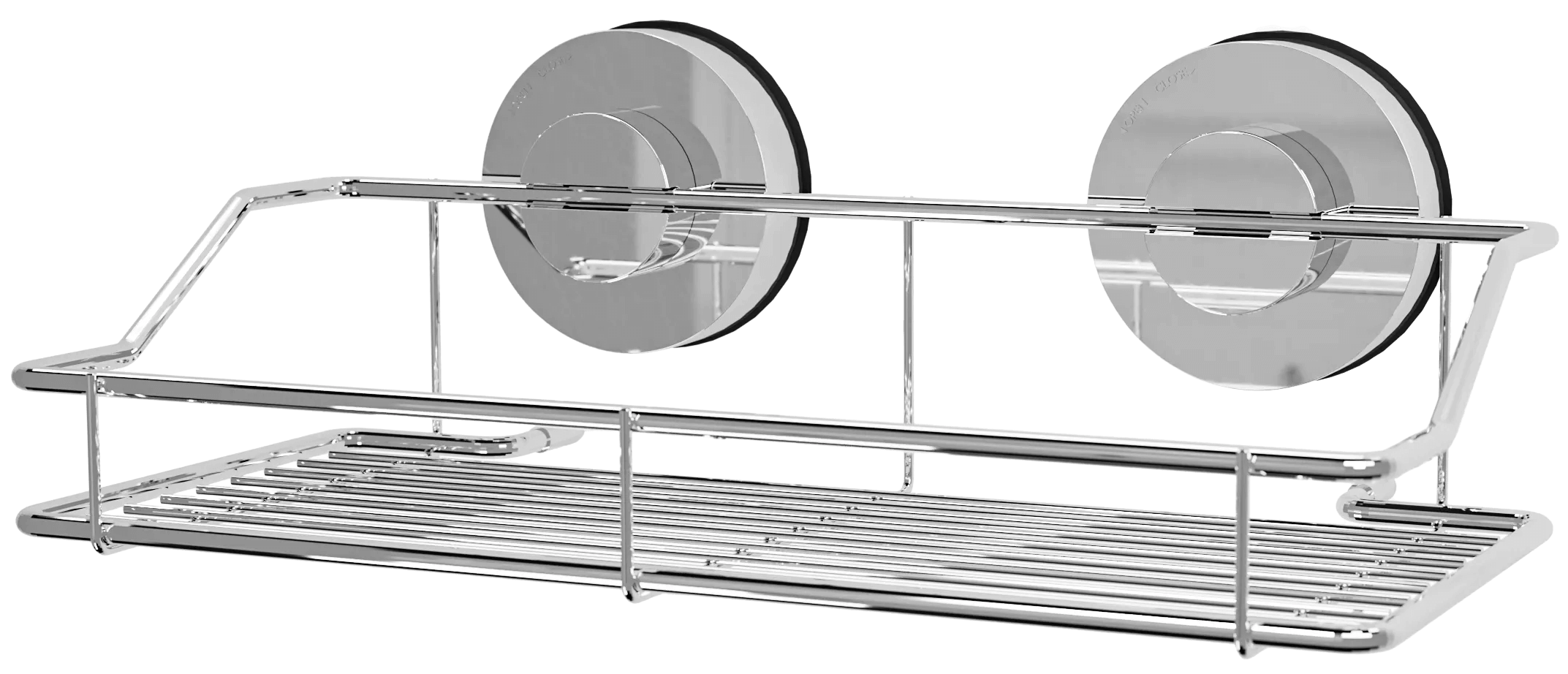
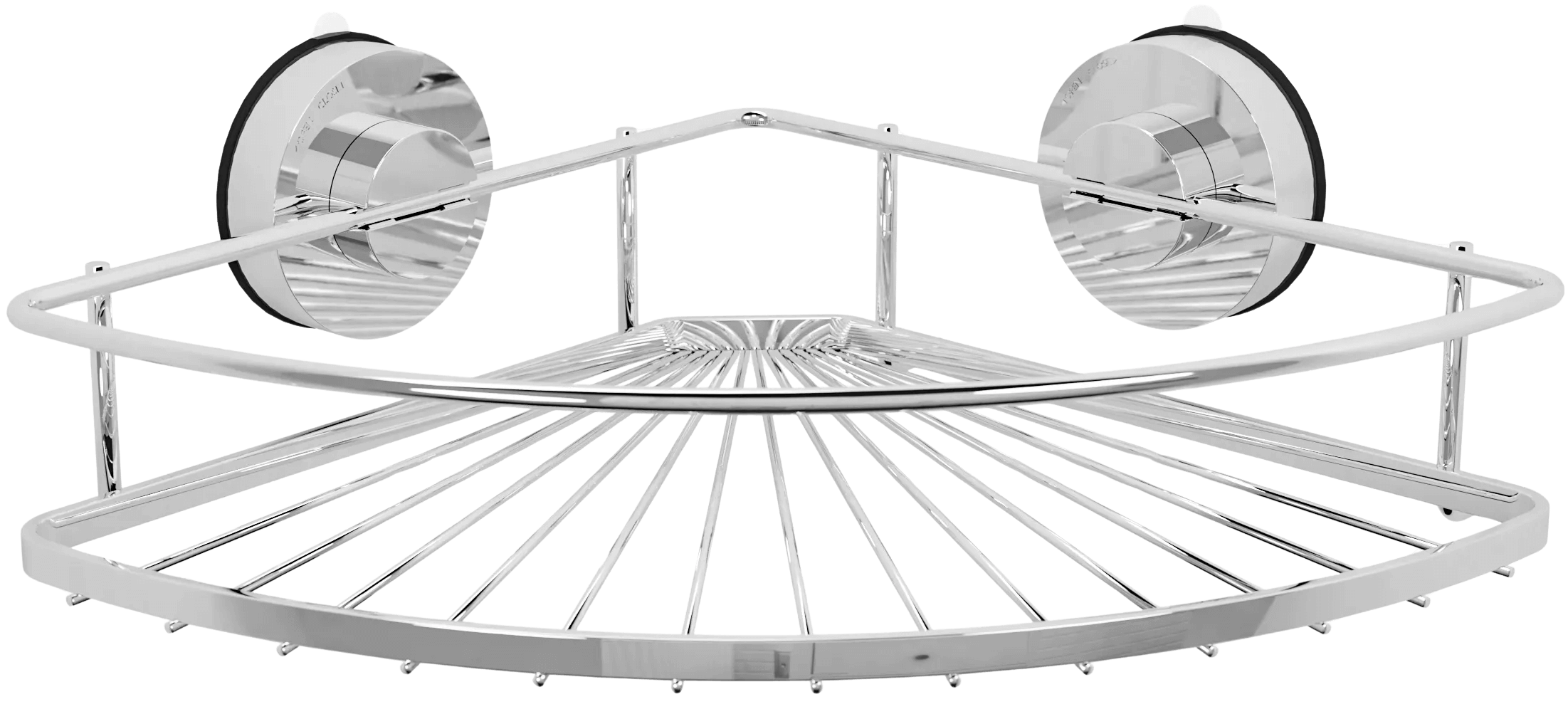
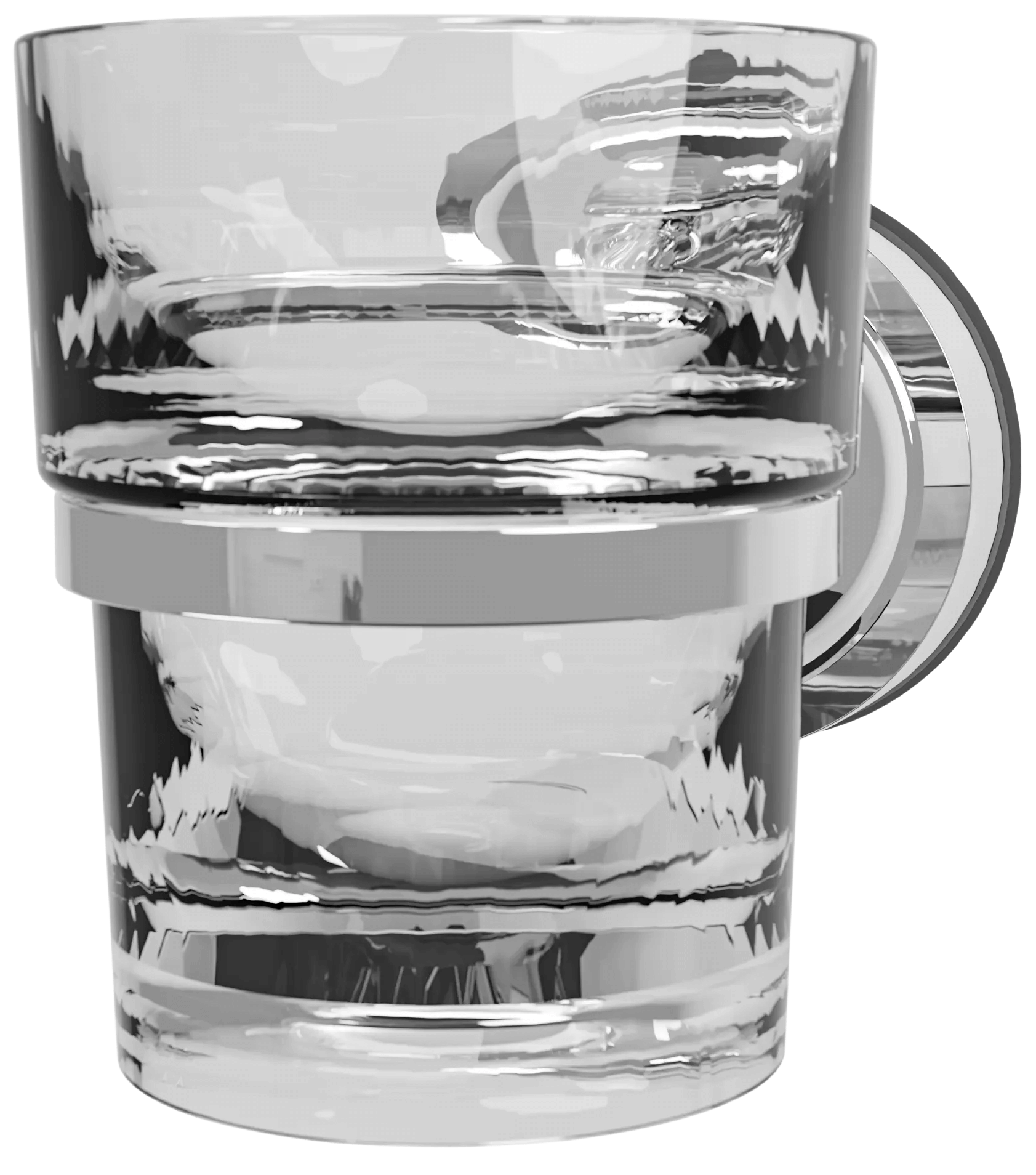
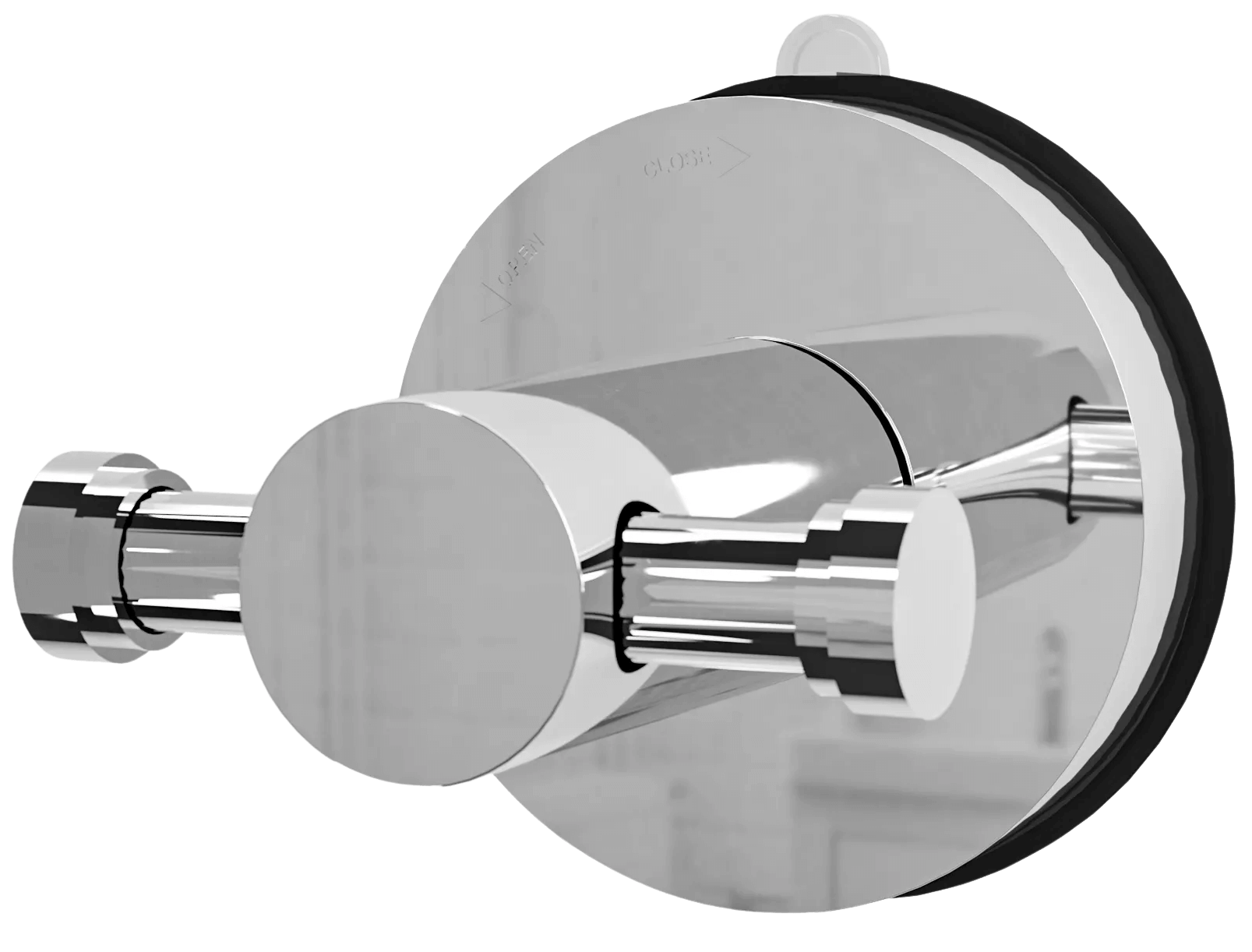

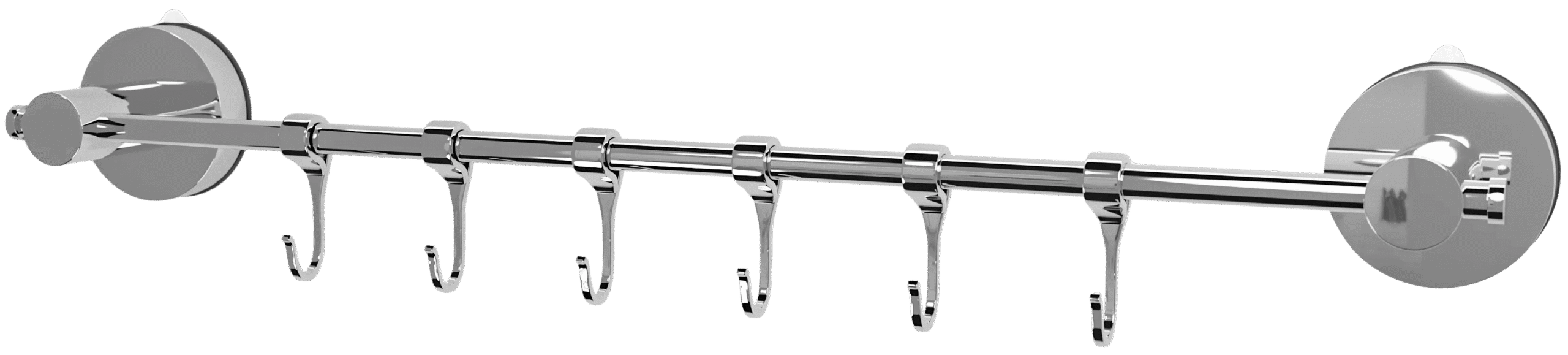
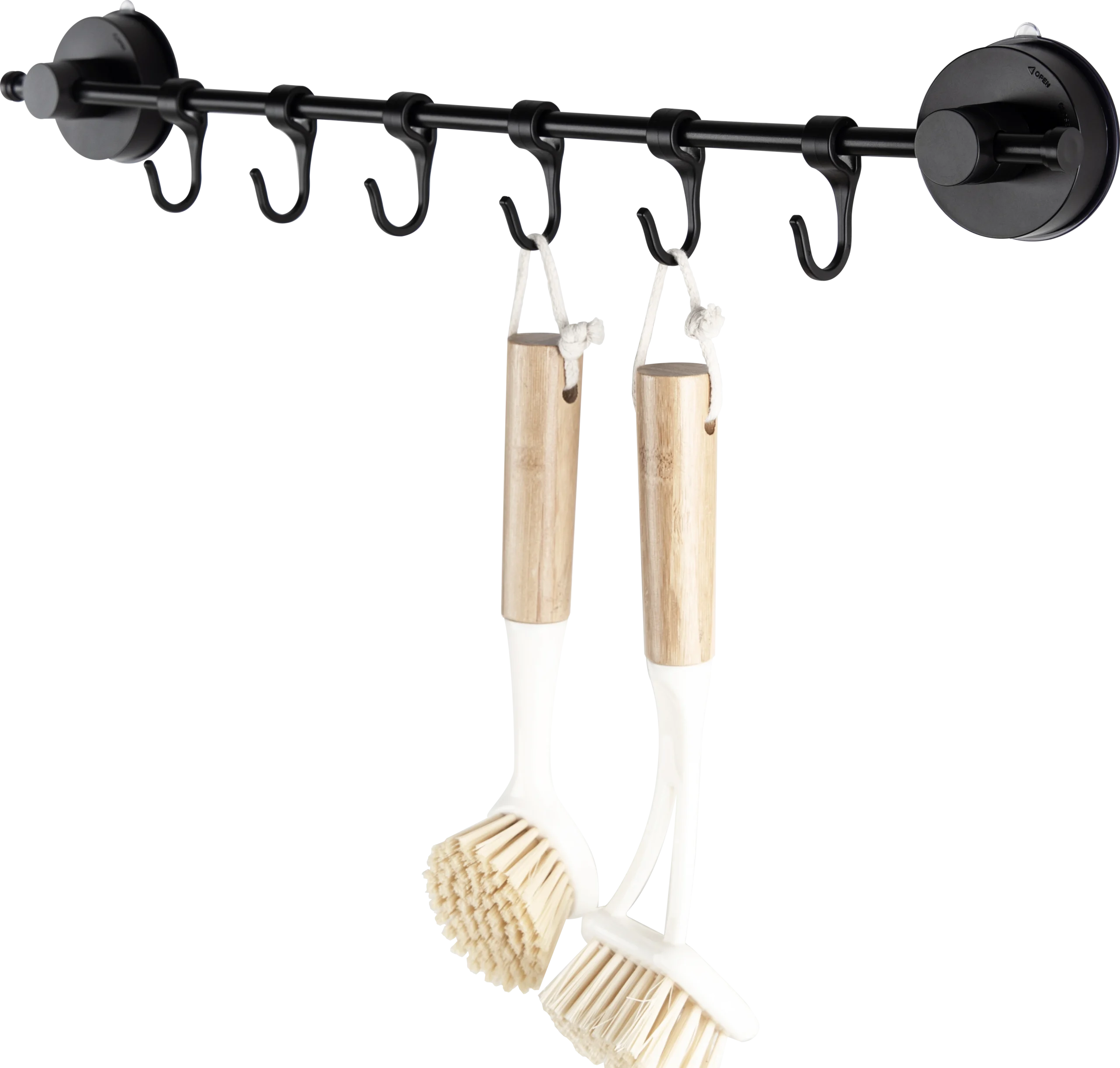
Hanging picture frames, mirrors, and decorative items without damaging your freshly painted walls is a common challenge for homeowners and renters across India. Whether you’re decorating a new apartment or organizing your living space, the right wall hooks and techniques can help you avoid unsightly nail holes, paint peeling, and security deposit deductions.
Understanding Damage-Free Wall Hanging Solutions
Damage-free wall hooks use specialized adhesive technology that bonds to wall surfaces without requiring nails or drilling. Command™ hooks, manufactured by 3M, pioneered this category using stretch-release technology that allows the adhesive to be removed cleanly by pulling the tab straight down slowly. The adhesive maintains surface area contact with your wall, and when stretched during removal, reduces that contact area to pull off without damaging paint or leaving residue.
Modern adhesive hooks available in India can support varying weight capacities, from lightweight photo frames to heavy-duty applications holding up to 13-15 kg. These hooks work on multiple surface types including tile, wood, metal, ceramic, and plastic, making them versatile for bathrooms, kitchens, and living spaces.
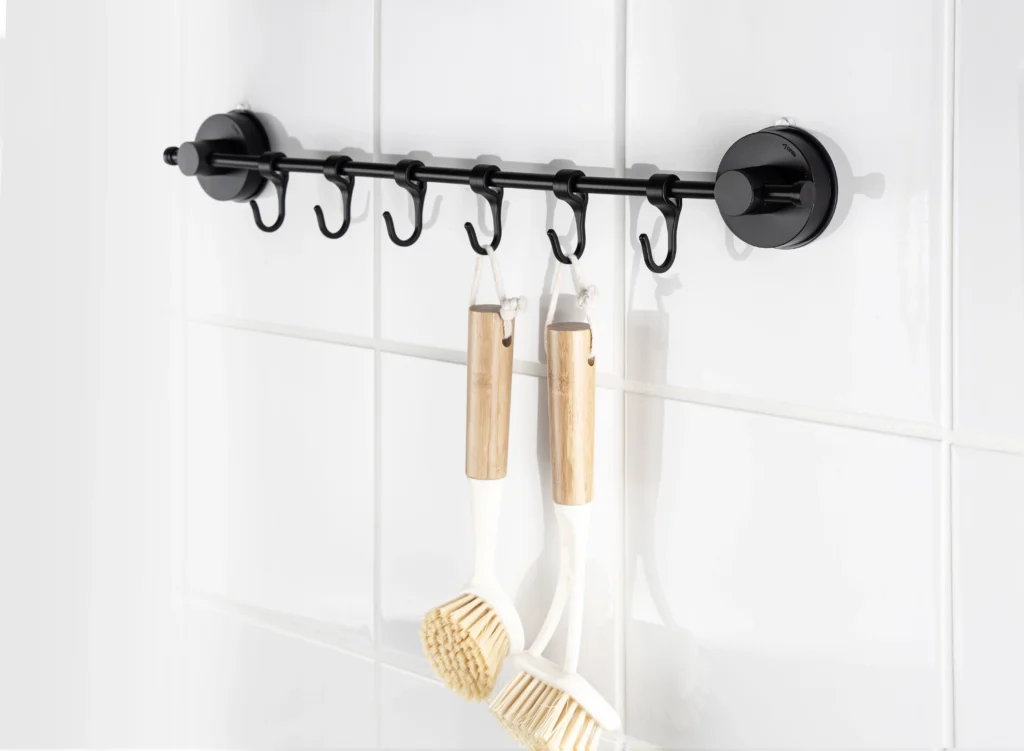
Top Wall Hook Options in India
Adhesive Wall Hooks
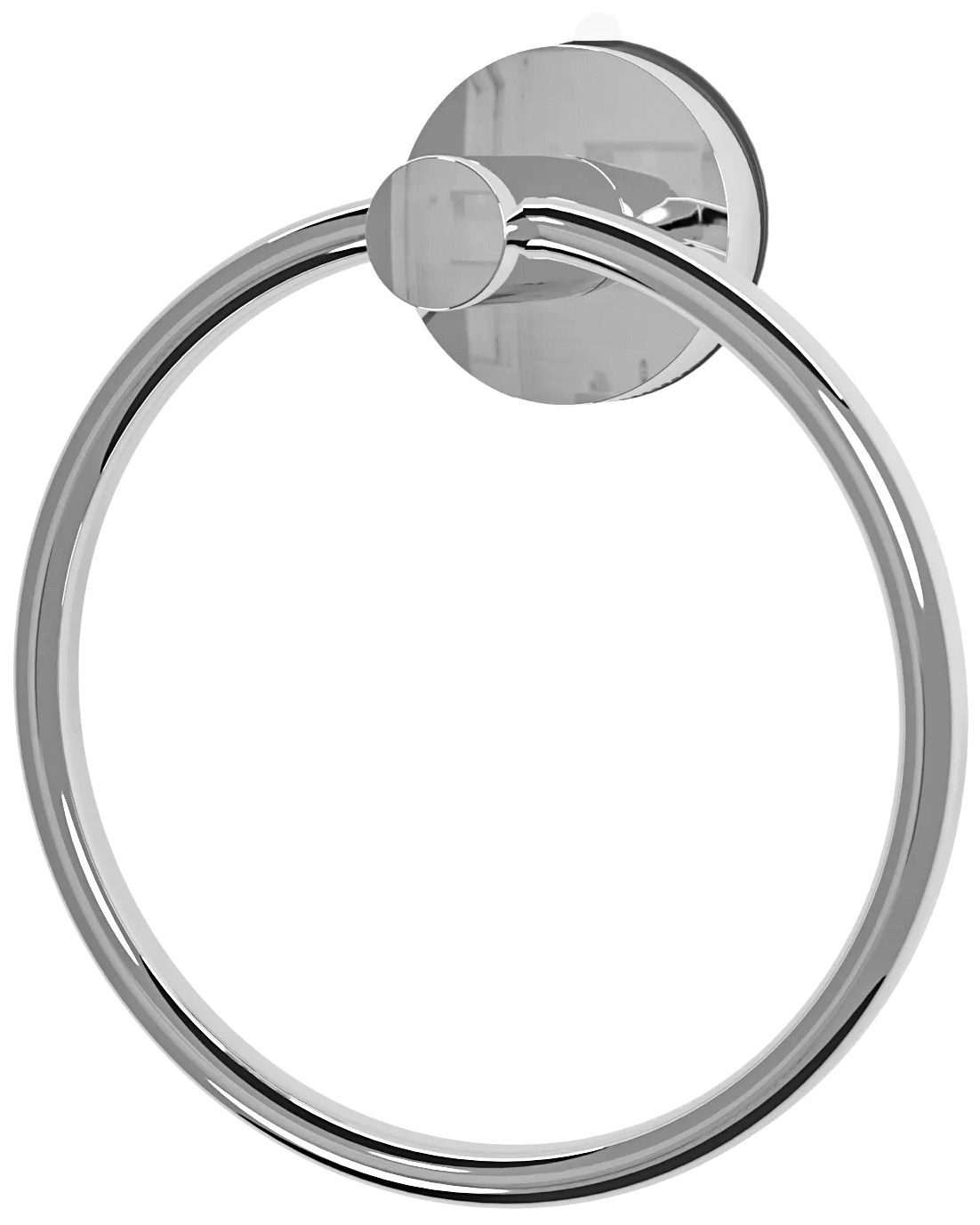
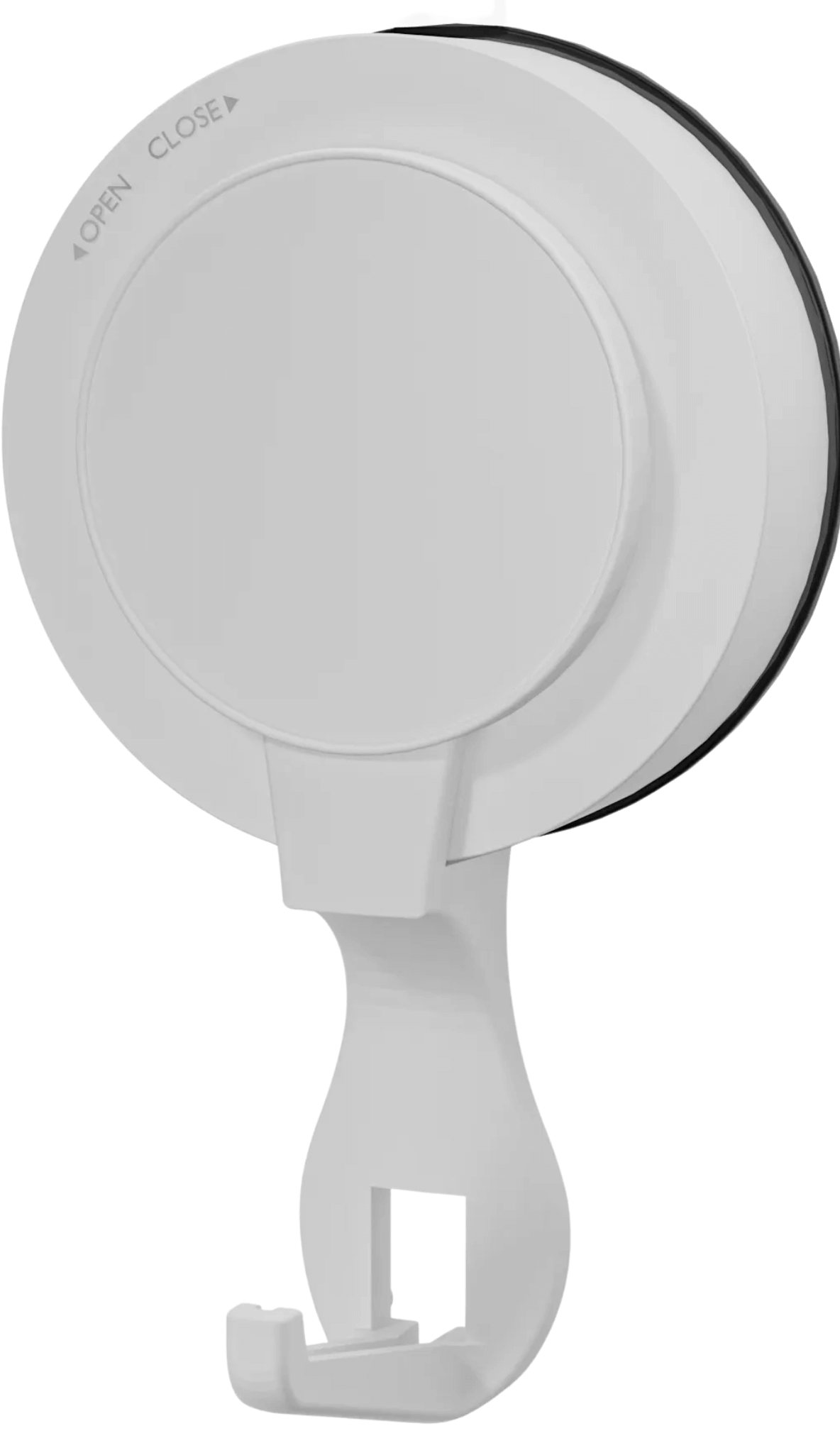
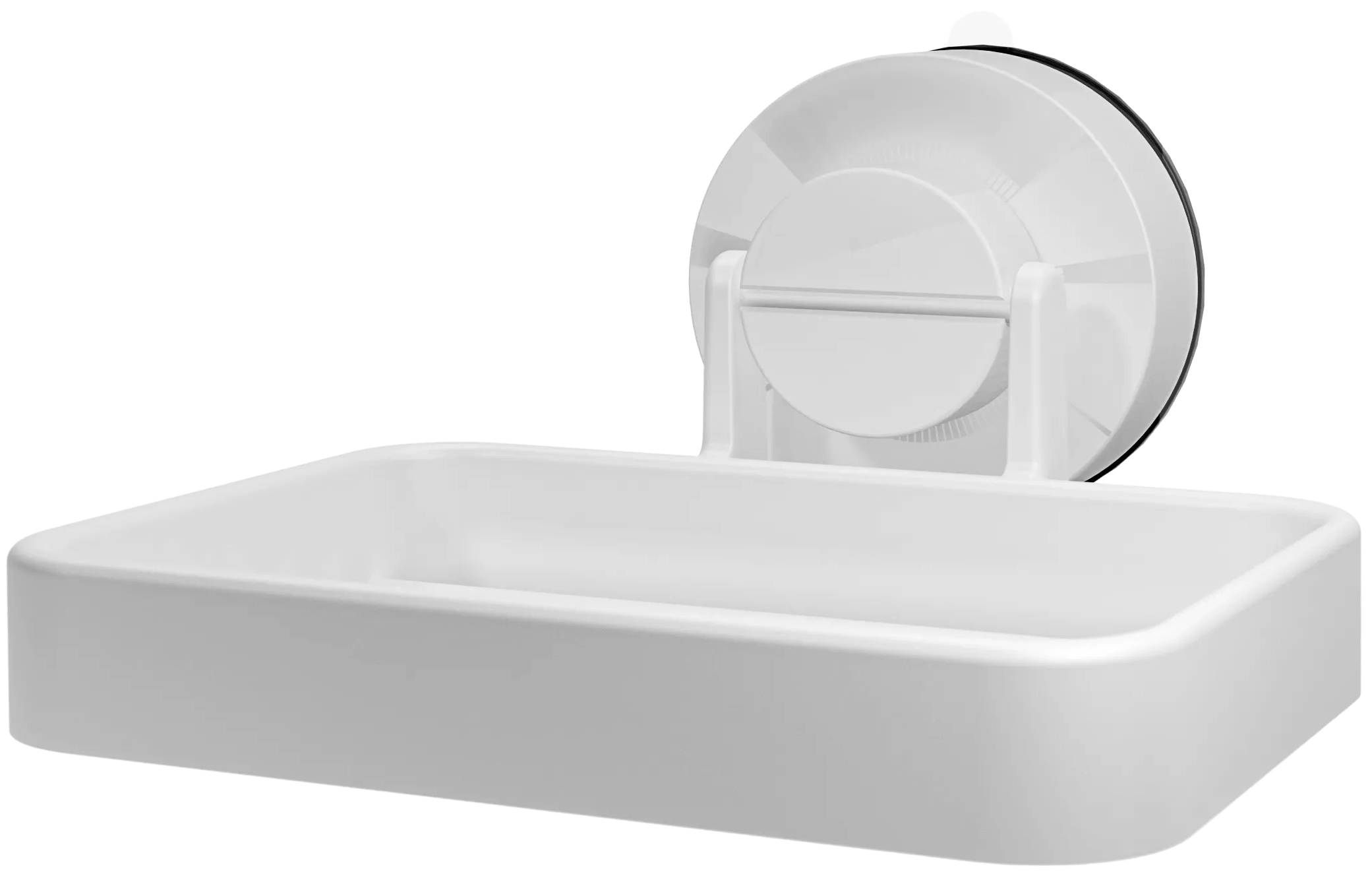
Self-adhesive hooks dominate the Indian market for damage-free hanging solutions. Popular brands include JIALTO, which offers transparent adhesive hooks with maximum load capacities of approximately 6 kg for standard models. Their heavy-duty variants claim to be 33% stronger than regular hooks with capacities reaching 15 kg. DALUCI and Misamo Enterprise also manufacture reliable adhesive hooks specifically designed for the Indian market.
Command™ adhesive hooks by 3M remain the premium choice, featuring Dual-Lock™ technology for picture hanging strips and proven damage-free removal capabilities. These hooks are oil-proof and waterproof, maintaining adhesion even in humid conditions typical of Indian bathrooms and kitchens.
Installation Best Practices
Proper installation prevents adhesive failure and potential paint damage. Clean the wall surface with rubbing alcohol to remove oils, dust, and residues before application—general-purpose cleaners may leave films that prevent proper bonding. Press the hook firmly against the wall for the recommended duration, then wait at least one hour before hanging any weight. For heavy items, allowing up to 72 hours for full adhesive curing provides optimal results.
Surface compatibility matters significantly. Adhesive hooks perform best on smooth, clean, dry surfaces and may not adhere properly to rough, textured, or porous walls. Areas exposed to excessive moisture without ventilation pose challenges for adhesive bonding.
Weight Capacity Guidelines
Understanding weight limits prevents hook failures and wall damage. Drywall typically supports 5-10 pounds with a simple nail, requiring additional support for heavier objects. When selecting adhesive hooks, choose products rated for 1-3 times the actual weight of your item as a safety margin. For items exceeding 25 pounds, traditional heavy-duty anchors, toggle bolts, or mounting directly into wall studs provides more reliable support than adhesive solutions.
Always check the weight rating printed on adhesive hook packages. Exceeding these limits can cause the hook to fail, potentially pulling off paint or drywall material. Weigh your items before purchasing hooks to ensure proper capacity matching.youtube
Alternative Damage-Free Methods
Beyond adhesive hooks, several techniques allow damage-free wall decoration. Removable wall decals replace traditional posters without requiring tacks or nails. Poster putty, a classroom staple, enables lightweight artwork placement anywhere on walls without frames or hooks. For homes where painting is permitted, magnetic paint creates surfaces that accept magnetic hooks and attachments. Freestanding room dividers or bookshelves provide display options without any wall mounting.
Protecting Your Paint Investment
For comprehensive wall care, platforms like Klever Homes offer guidance on maintaining painted surfaces and selecting appropriate mounting solutions for your specific wall type and paint finish. Regular wall maintenance, moisture protection, and proper ventilation preserve paint quality and ensure adhesive products perform as intended.
When removing adhesive hooks, follow manufacturer instructions carefully—stretching the adhesive tab straight down slowly prevents paint peeling. Test adhesive products in inconspicuous areas first, especially on older painted surfaces where paint may be less stable.