

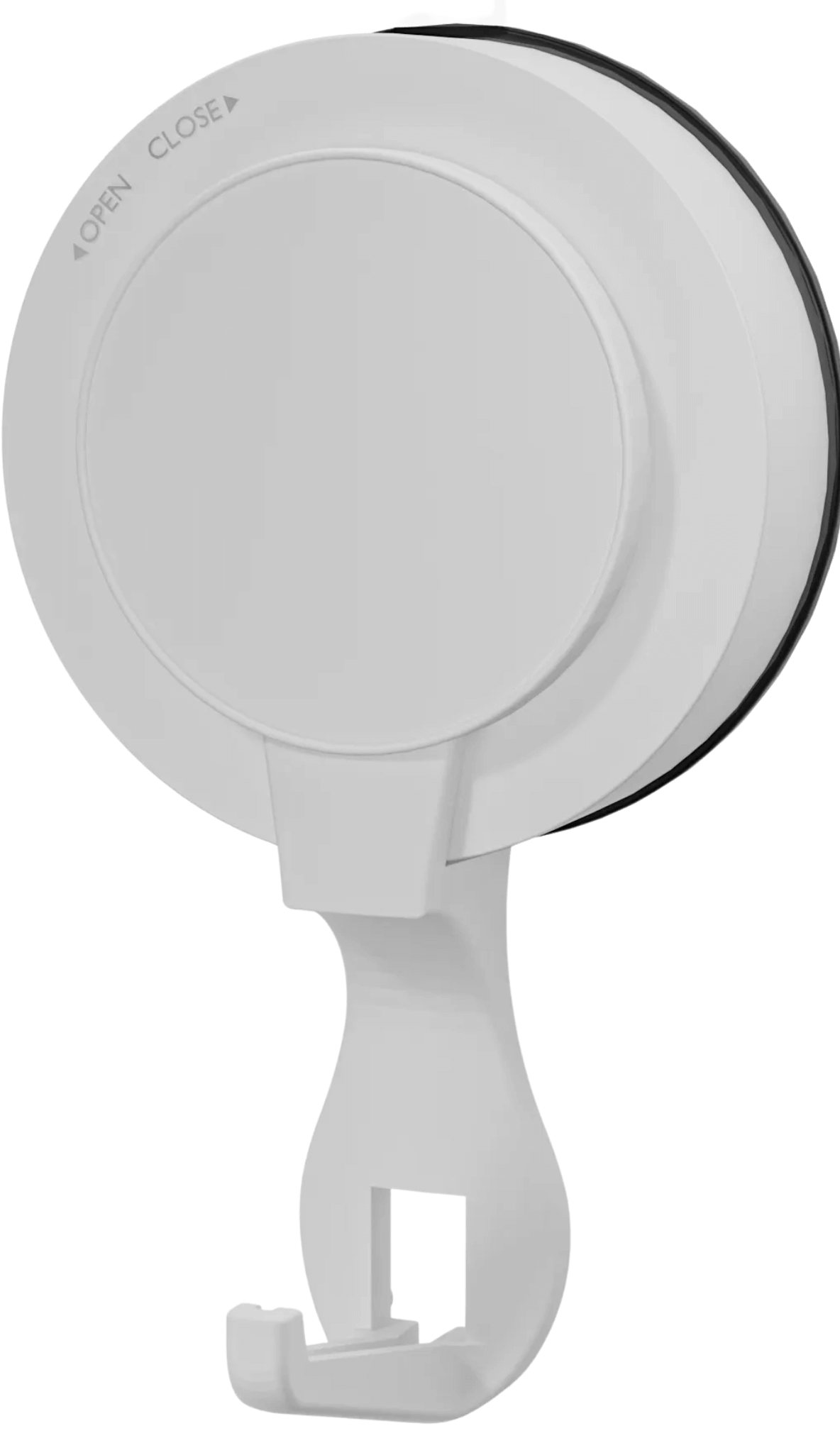
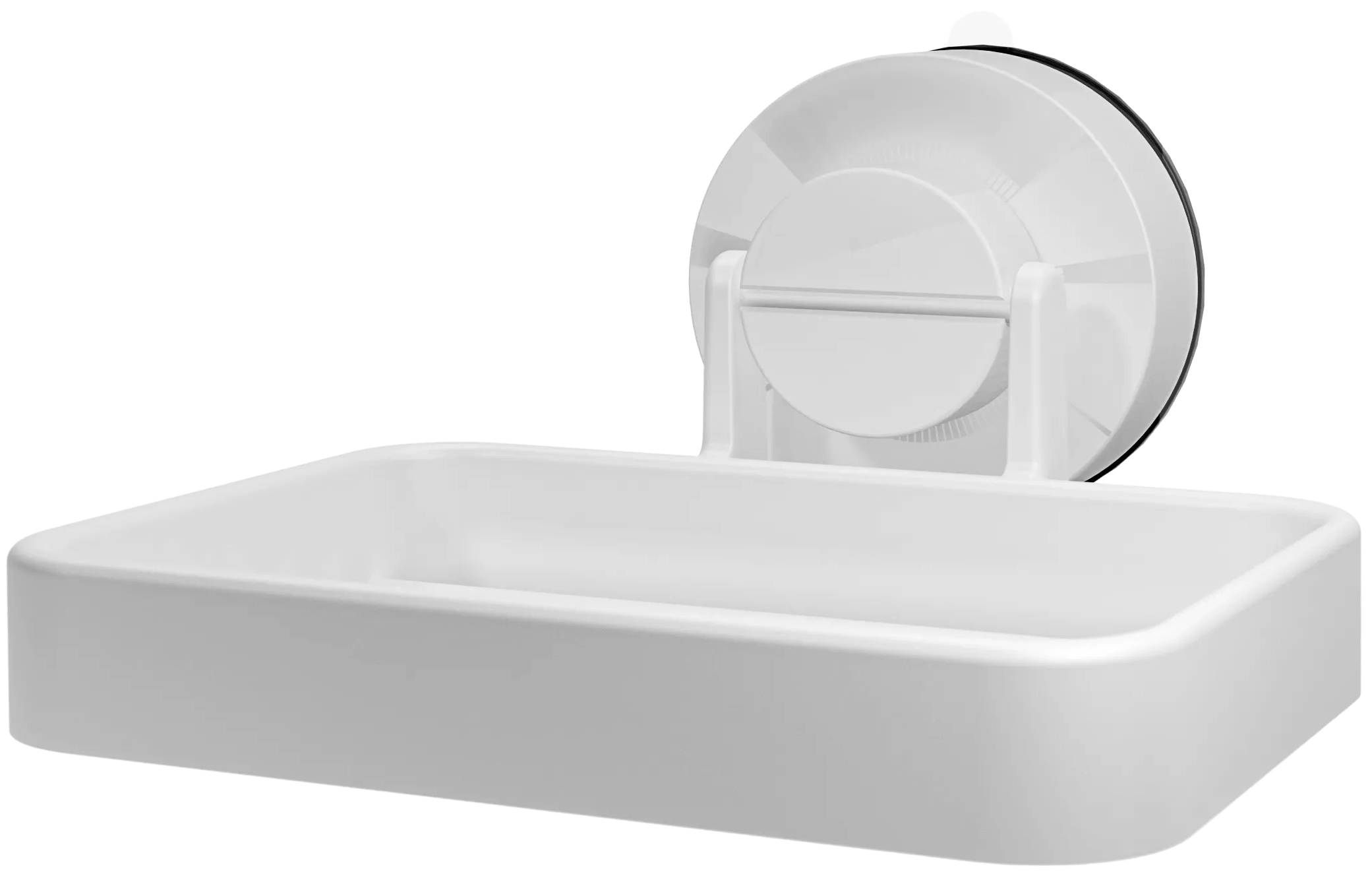
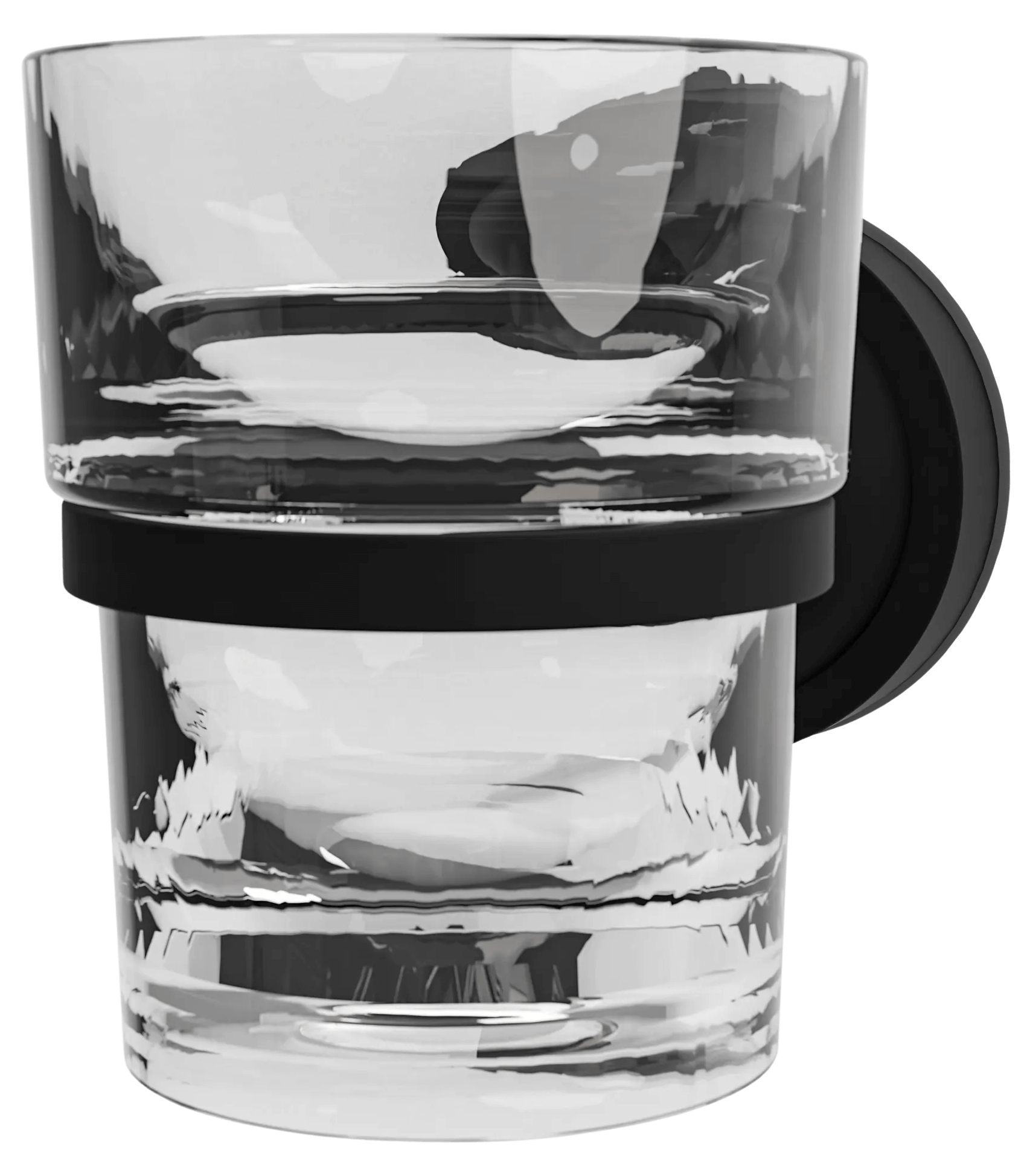
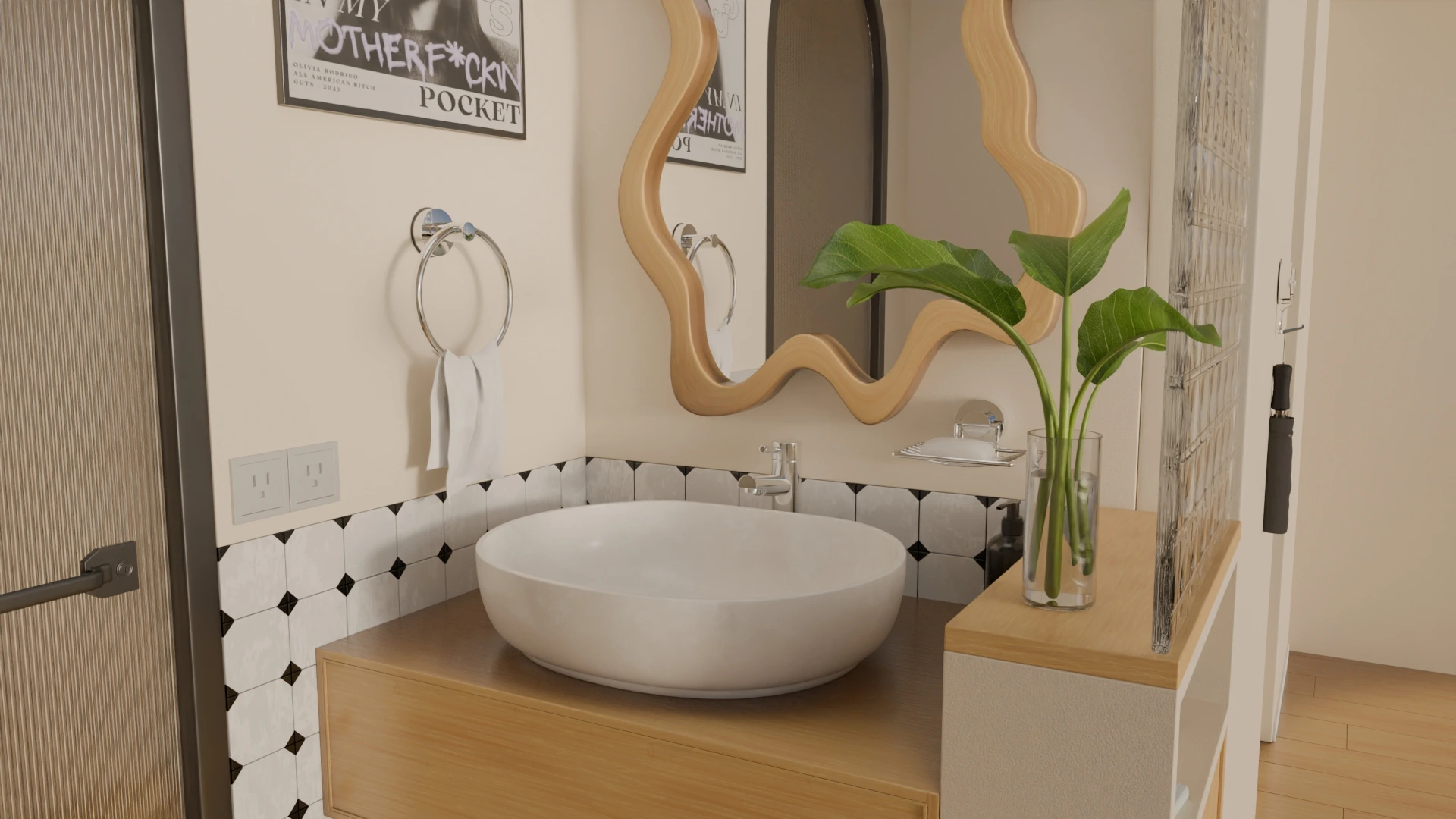
Stainless steel looks luxurious, modern, and premium but only when it sparkles. If you’ve ever stared at your stainless steel soap rack, towel bar, or shower caddy and wondered, “Why does this look dull even after cleaning?”, you’re not alone.
Bathroom conditions humidity, soap scum, hard water, fingerprints are brutal on stainless steel. The good news? You can restore mirror-like shine using simple methods, and this guide will walk you through everything from basic cleaning to pro-level maintenance.
Let’s dive in!
Introduction: Why Stainless Steel Needs Proper Care
Bathroom stainless steel accessories are designed to resist rust, corrosion, and stains but they’re not invincible. Over time, minerals in tap water, soap build-up, and constant moisture lead to:
- Water spots
- Cloudiness
- Soap residue
- Fingerprints
- Mild discoloration
- Early dullness
Think of stainless steel like your smartphone screen: durable but constantly exposed, and unless wiped properly, it won’t stay flawless.
So how do you bring back the pristine shine? Let’s start by understanding what causes the mess in the first place.
Understanding the Challenges of Cleaning Stainless Steel
Common Problems You’ll Face
Here’s what most homeowners struggle with:
- Hard water spots that look white and chalky
- Rust-like marks caused by minerals, not actual rust
- Soap scum that clings onto racks and faucets
- Fingerprints especially on shiny chrome-finish steel
- Dullness from improper cleaning chemicals
If you’ve noticed any of the above… no worries. Everything is fixable.
What Causes Water Spots, Stains, and Rust?
The culprits include:
- Hard water minerals (calcium + magnesium) → white stains
- Chloride-containing cleaners → discoloration
- Abrasive scrubbing pads → scratches
- Standing water → brownish marks
- Cheap cleaning products → removes shine over time
Understanding this helps you clean smarter and avoid expensive damage.
Types of Stainless Steel Bathroom Accessories You Can Clean Using This Guide
This guide works for all stainless steel accessories including:
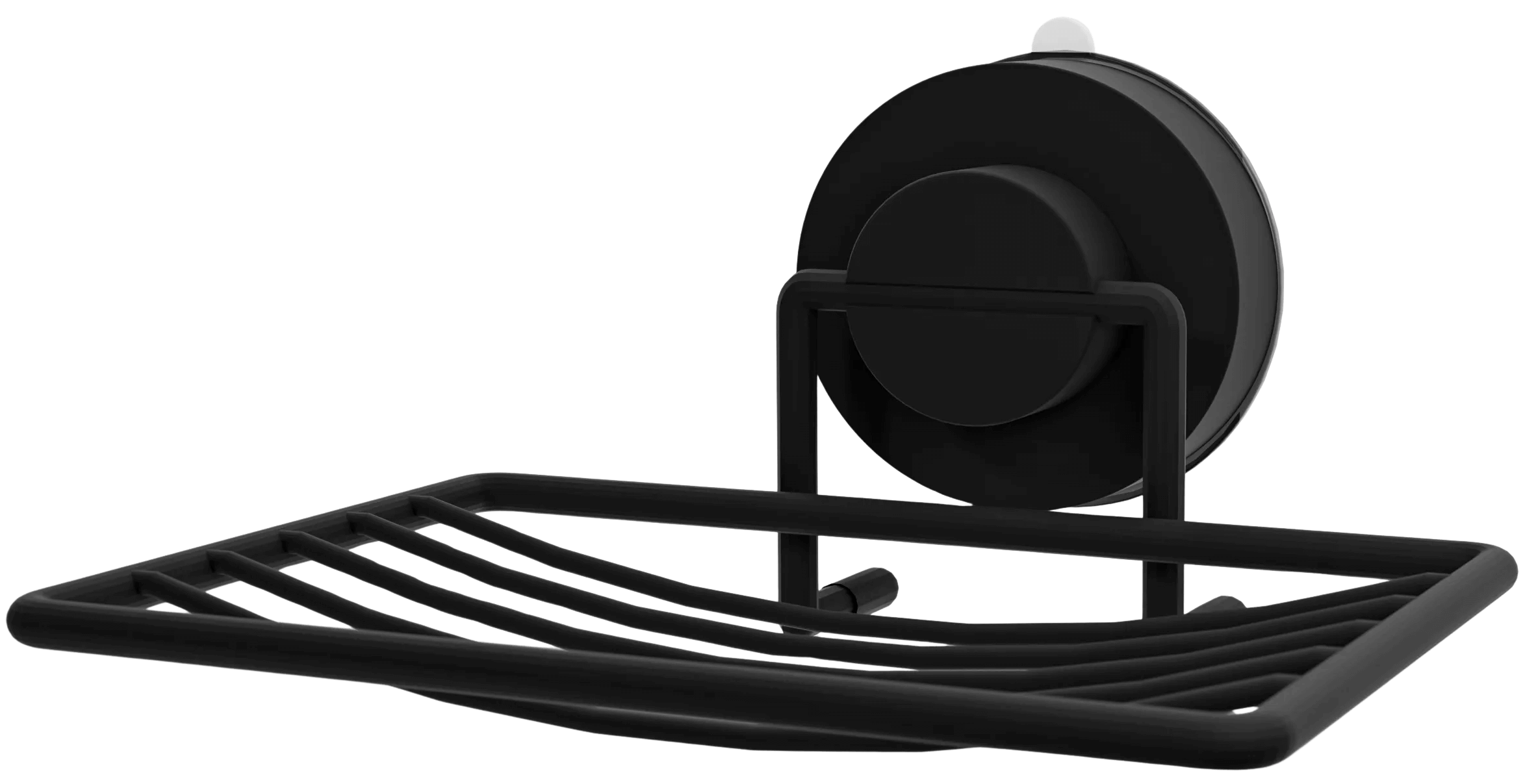
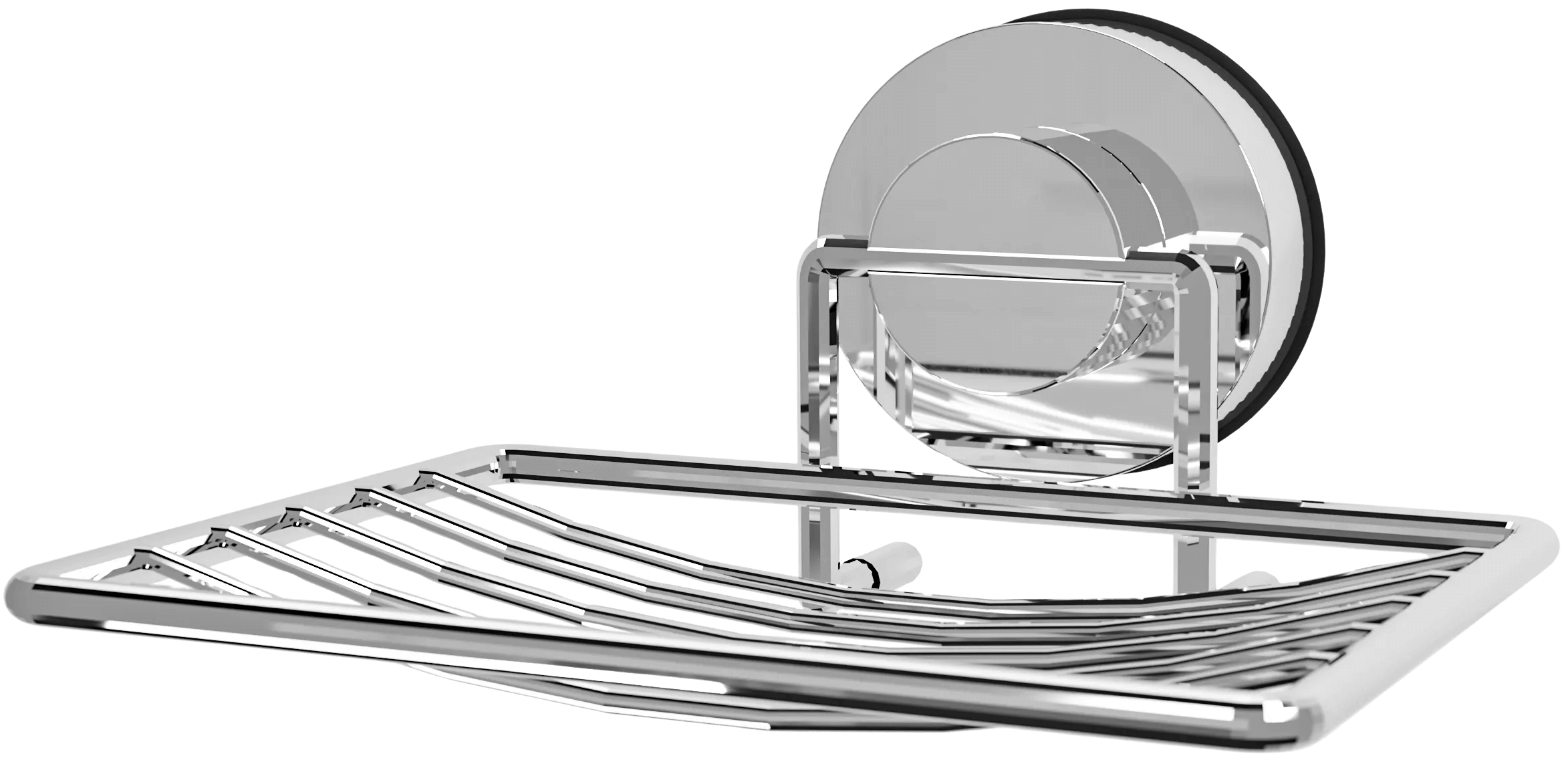
- Soap racks
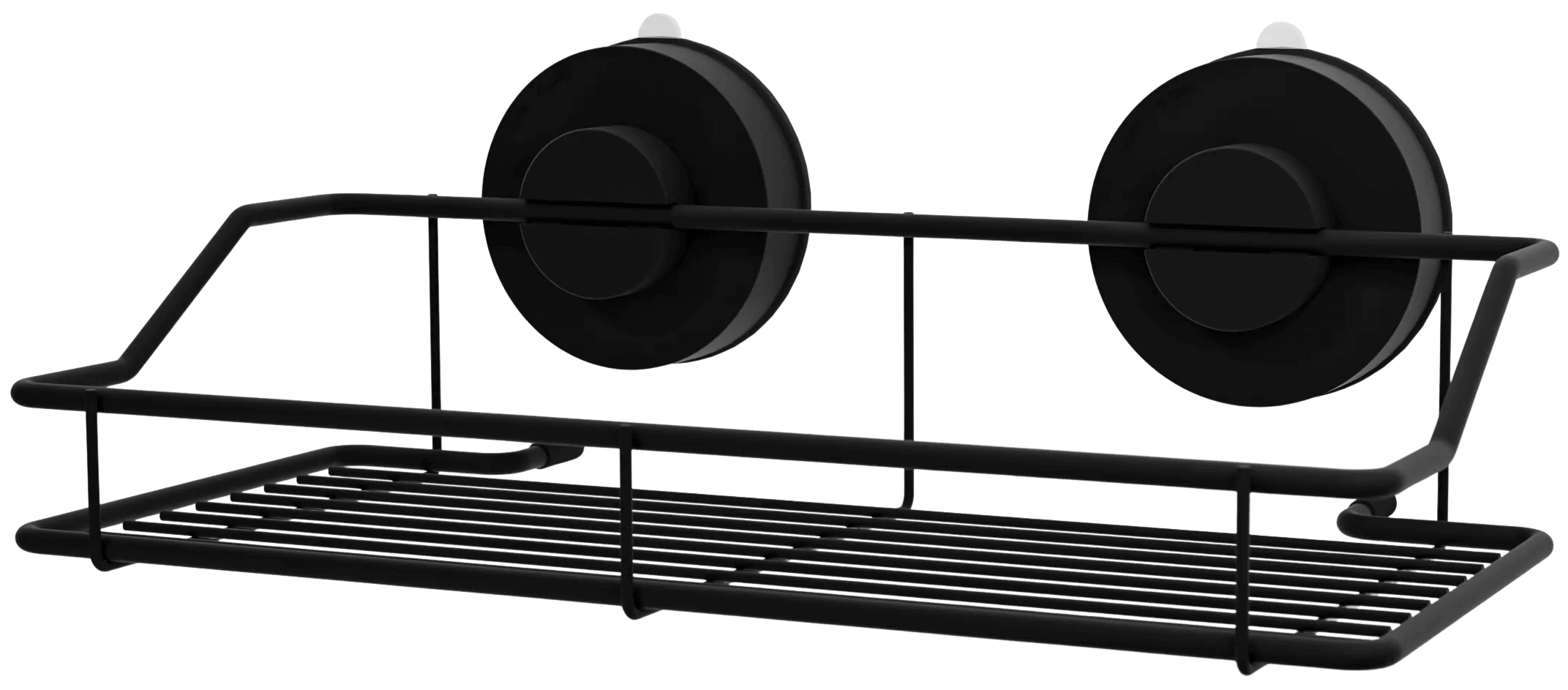
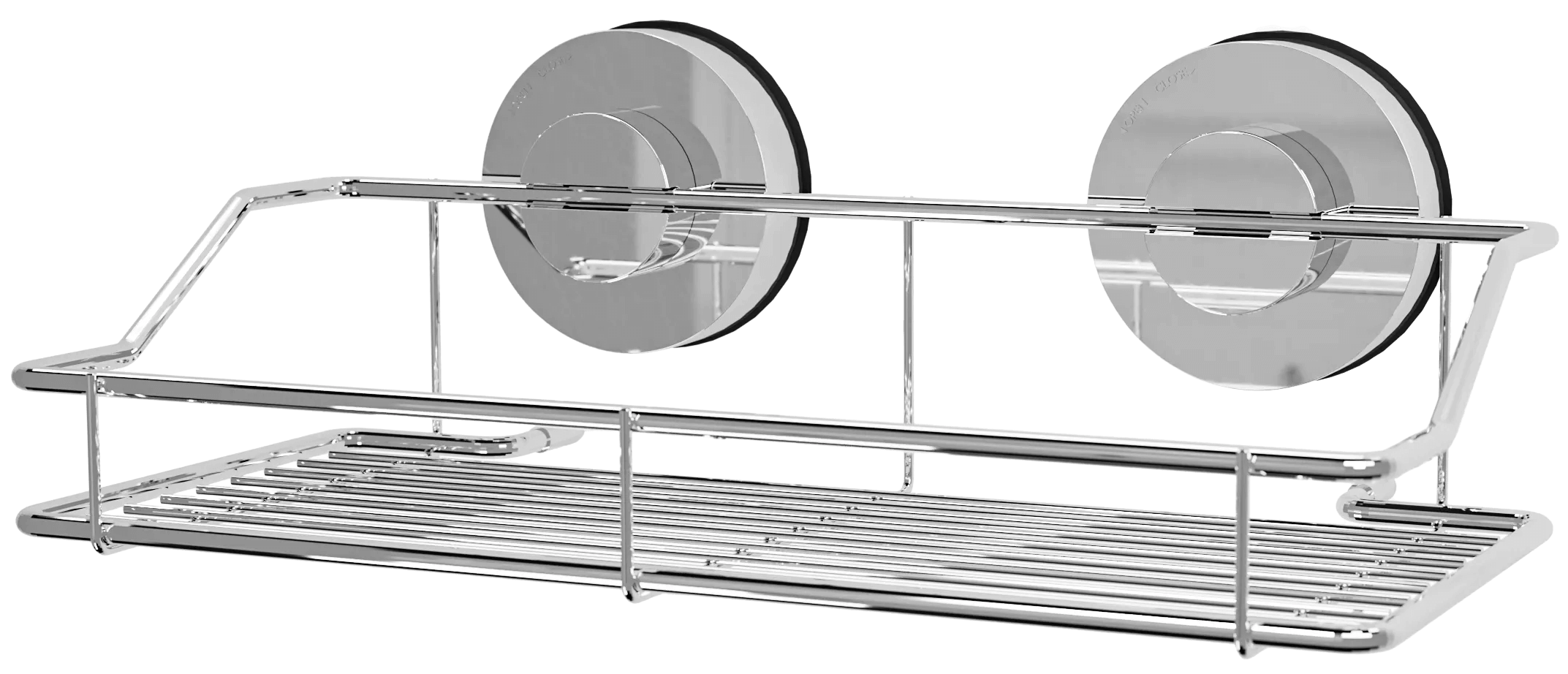
- Shower shelves
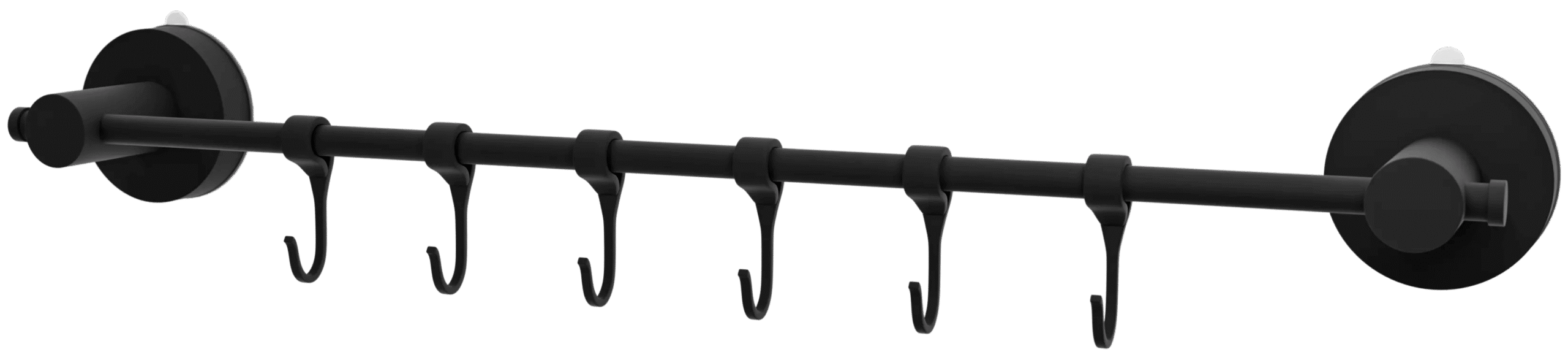
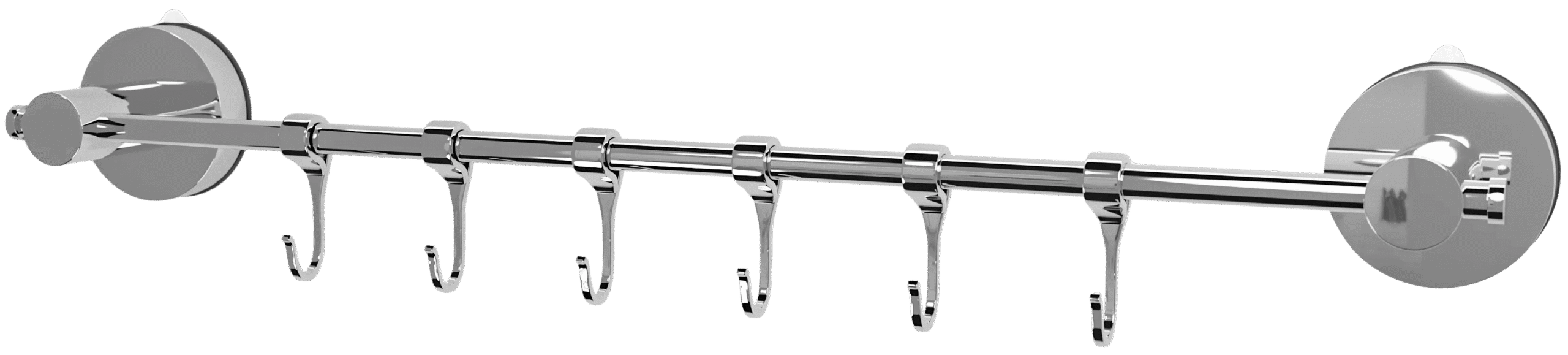
- Towel bars
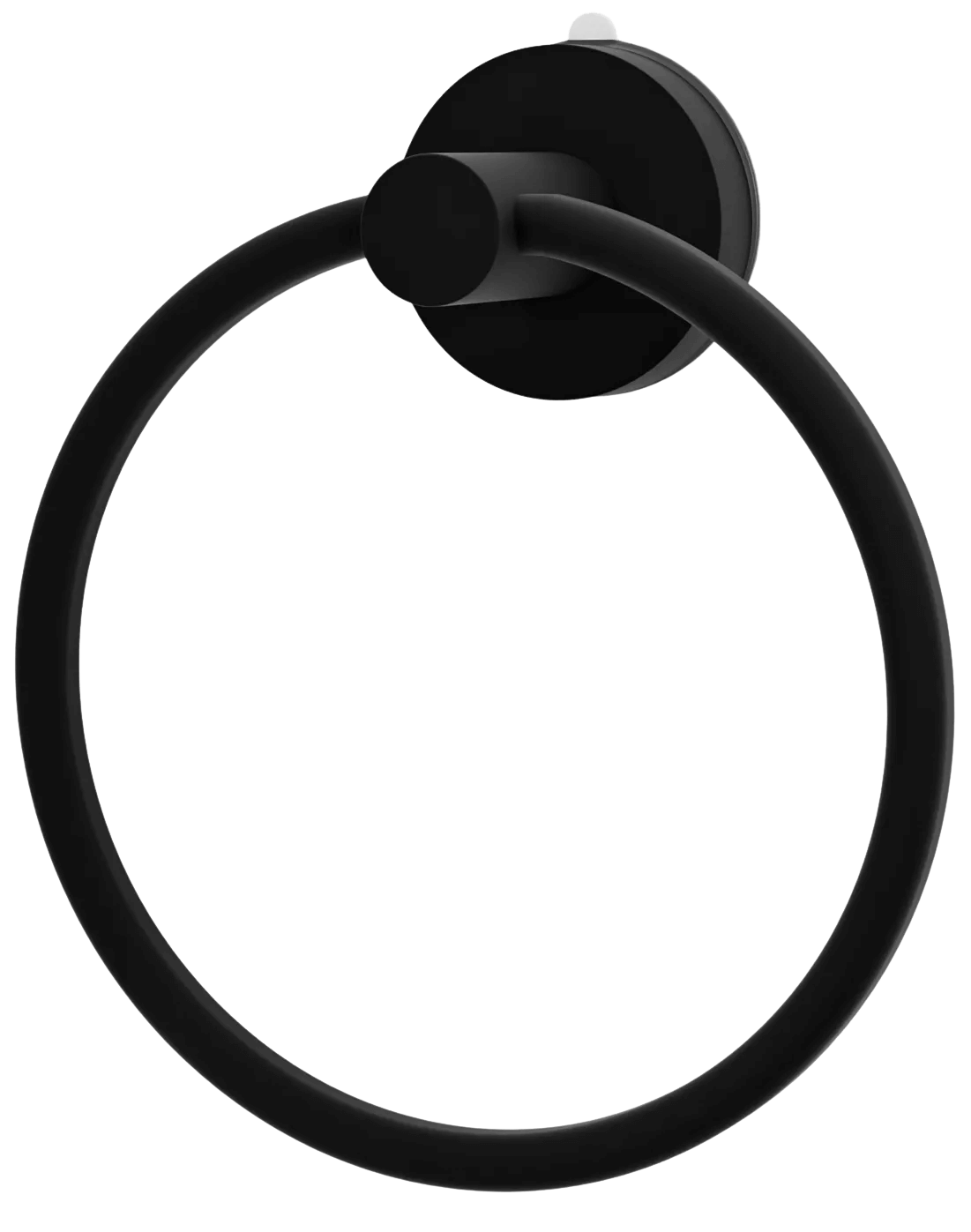
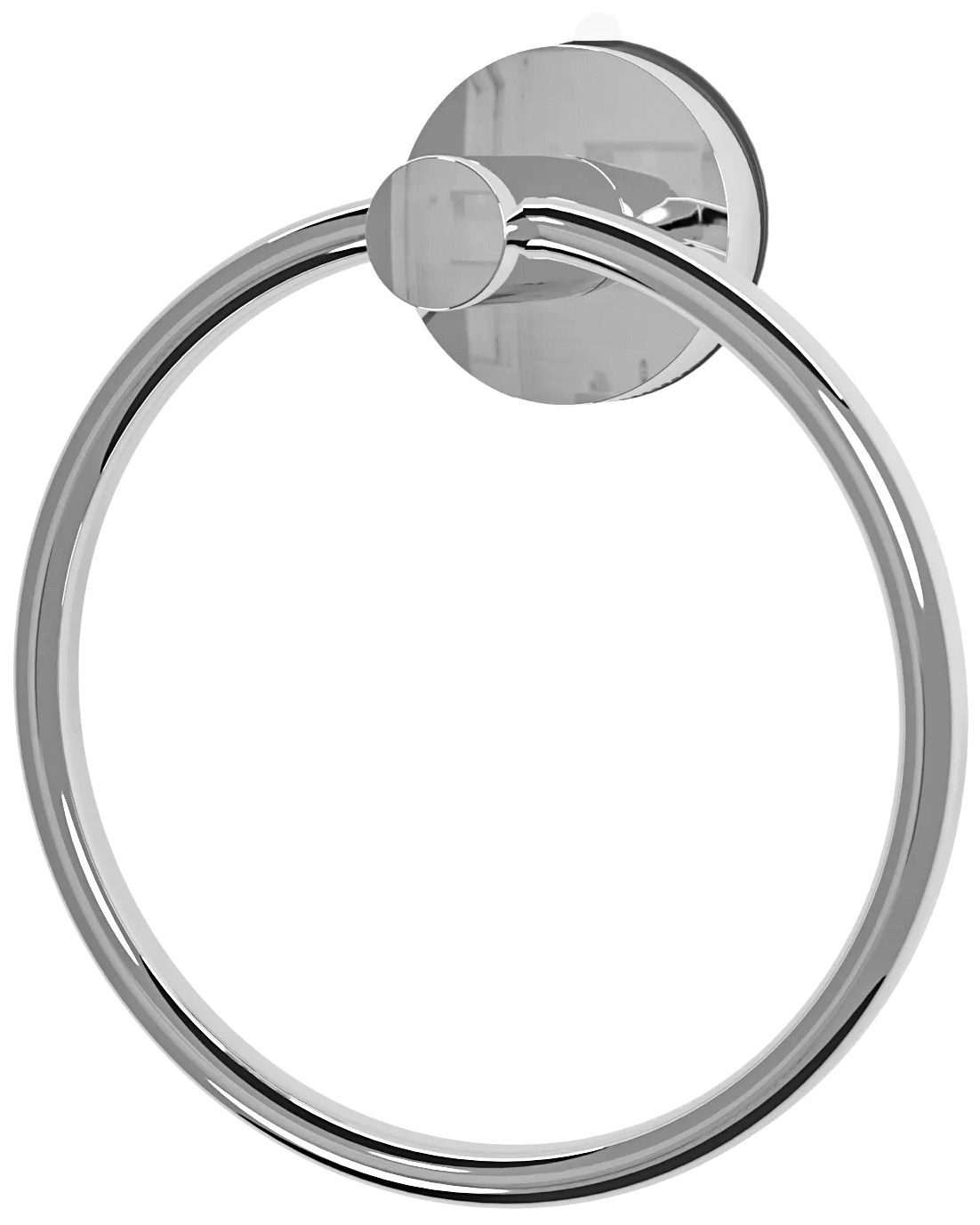
- Towel rings
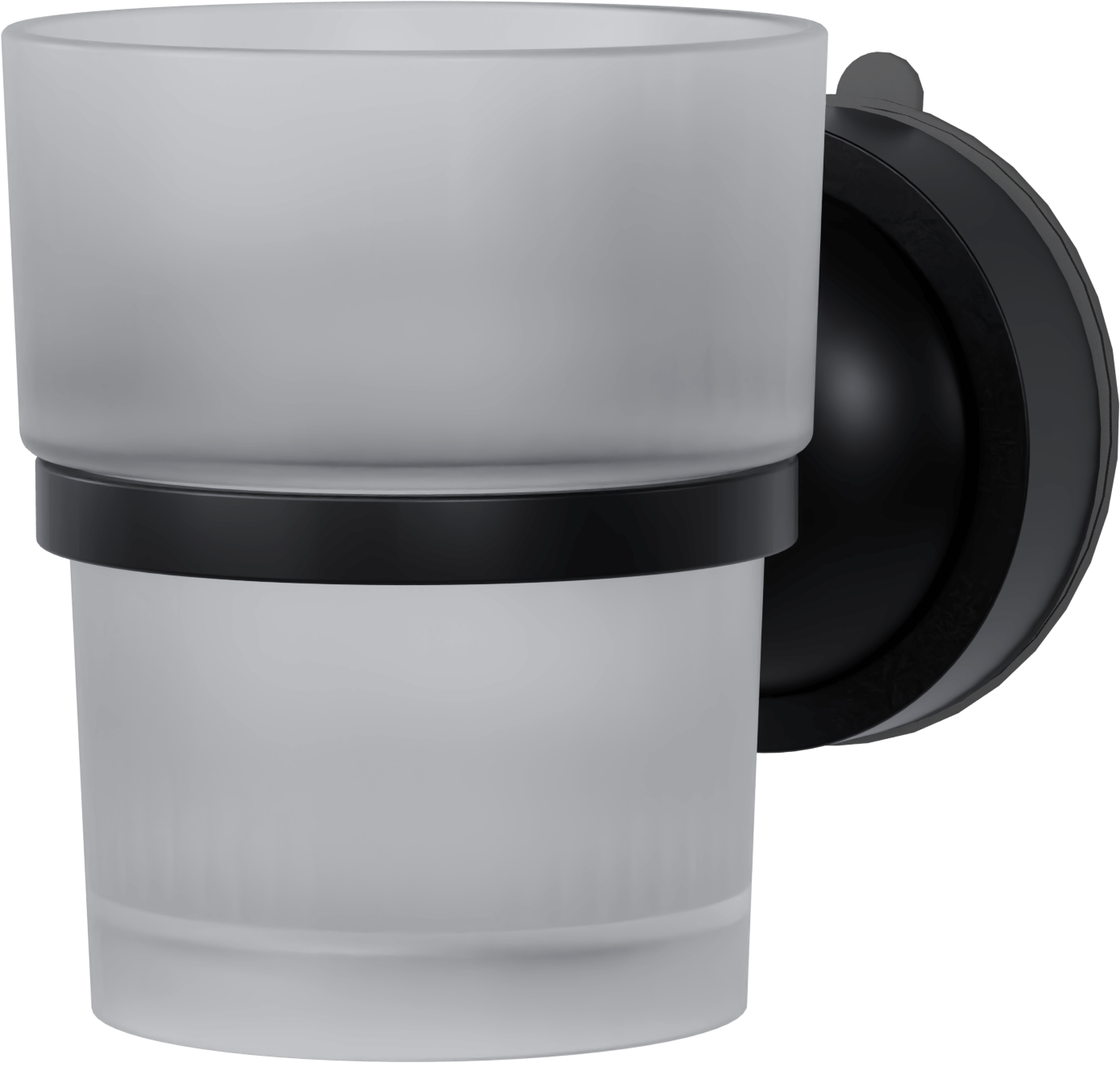
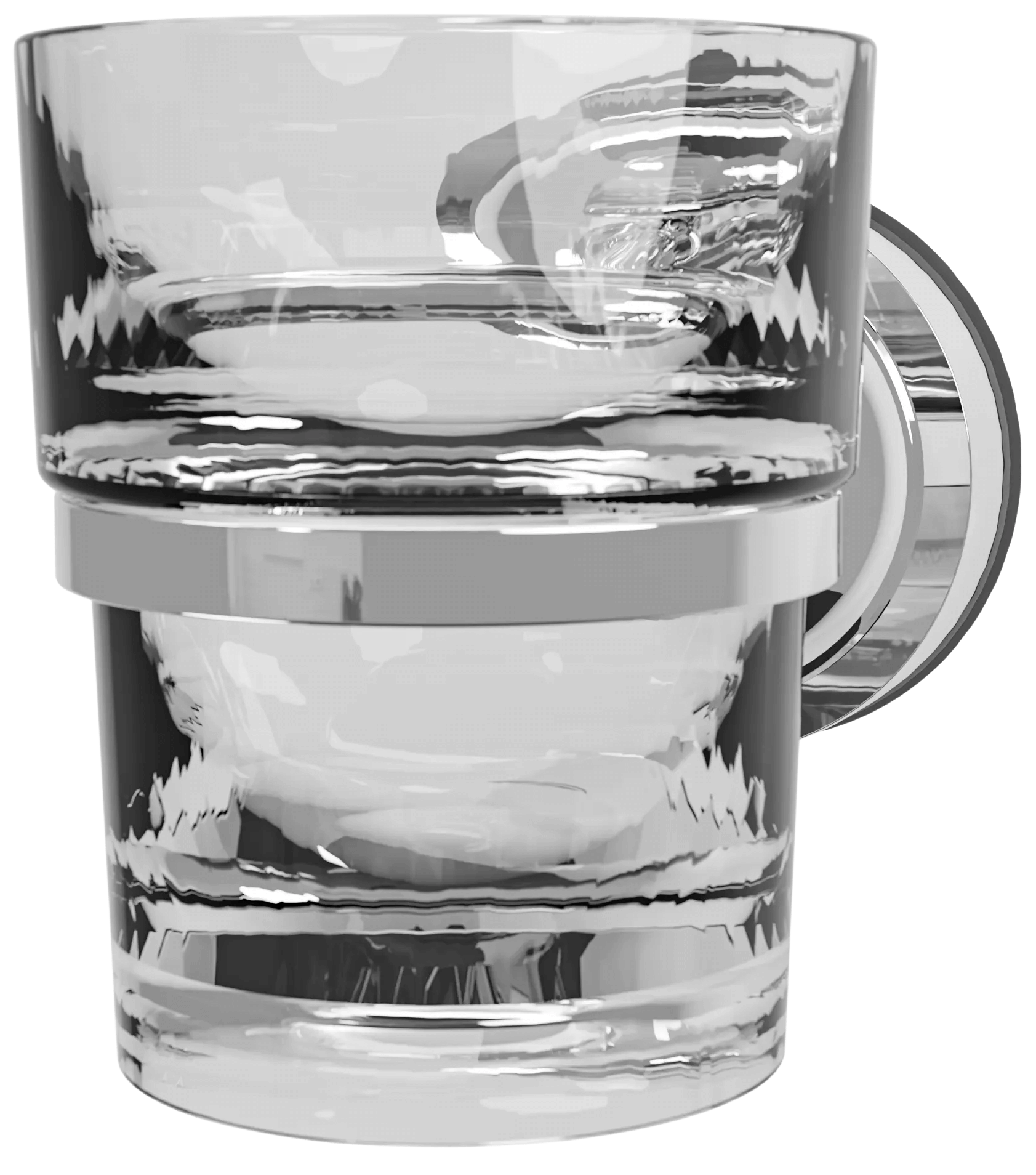
- Toothbrush holders
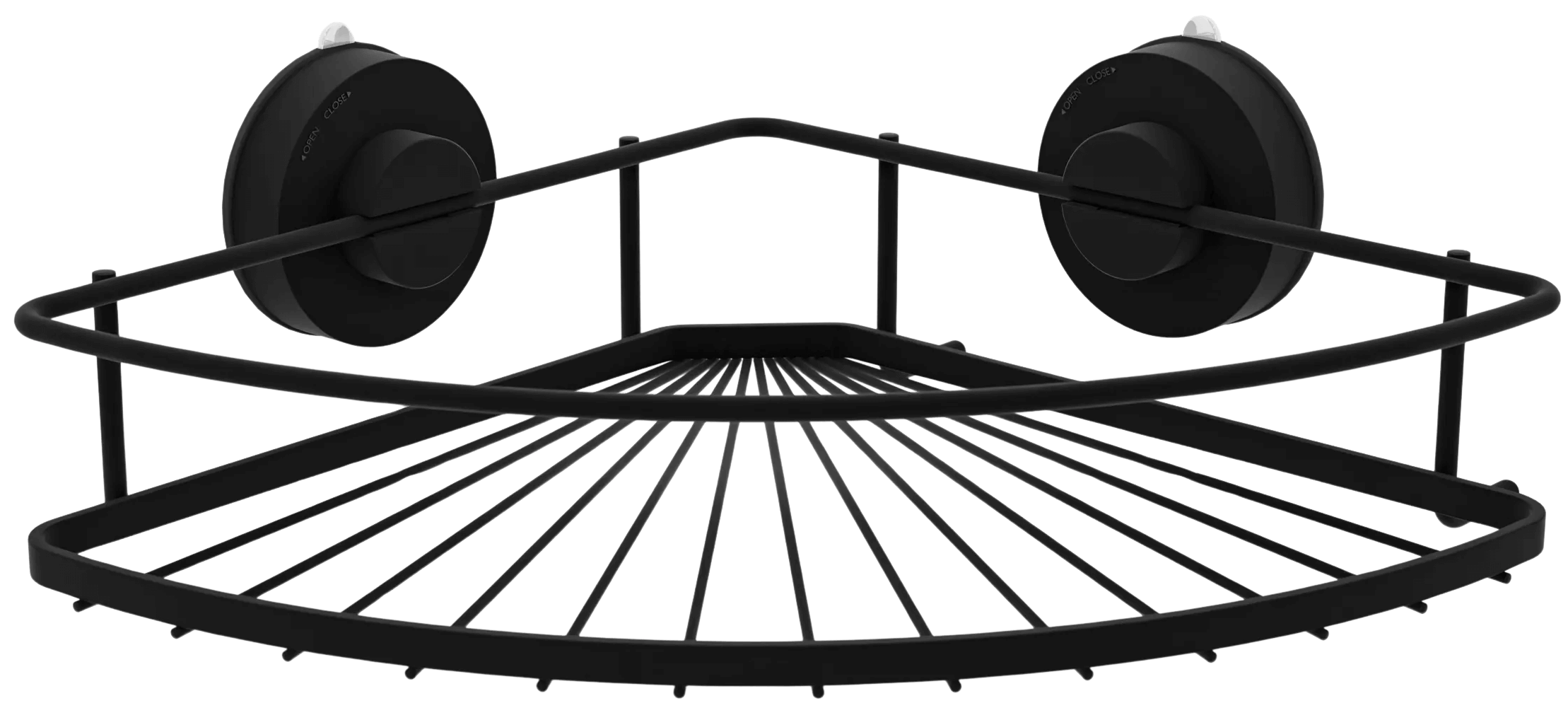
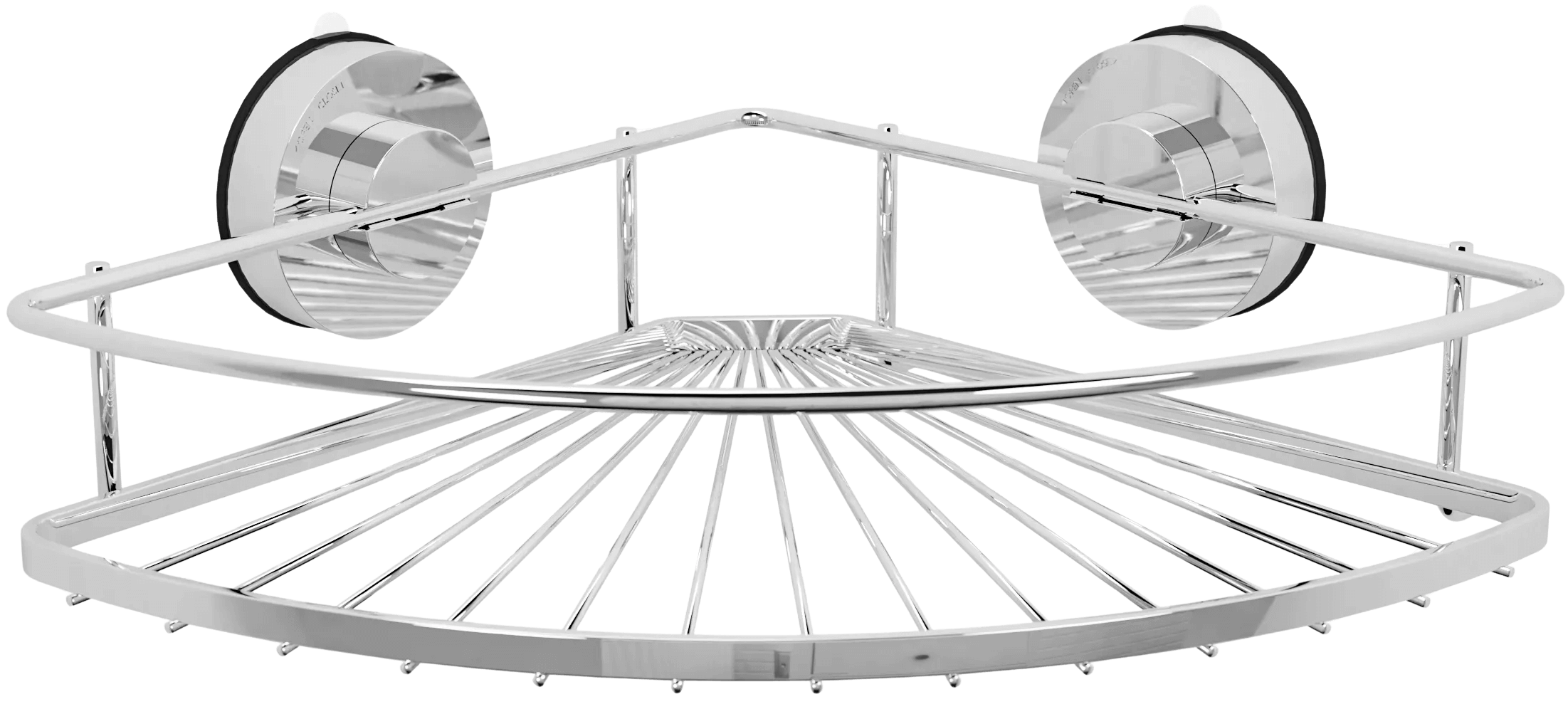
- Shower caddies
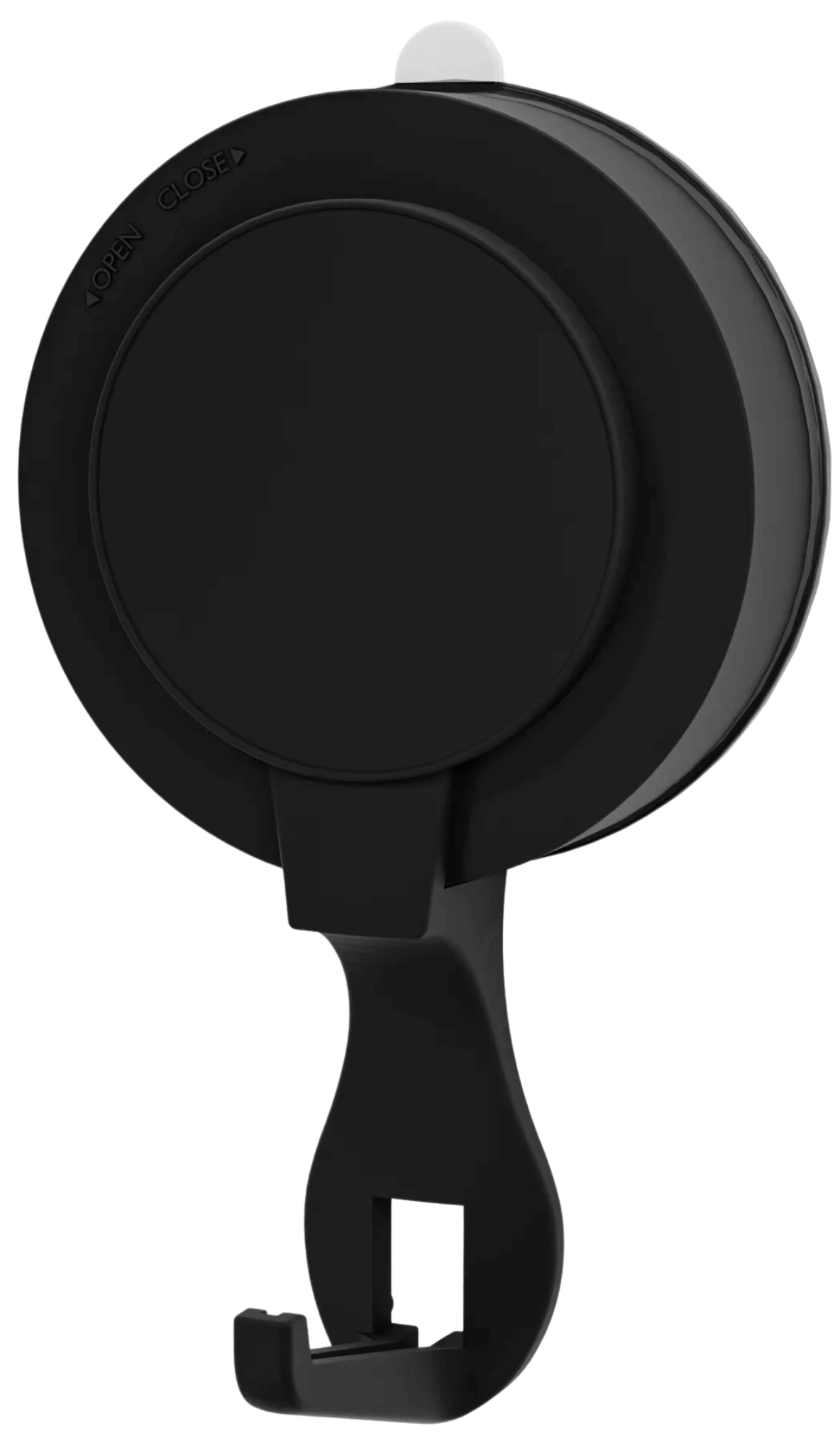
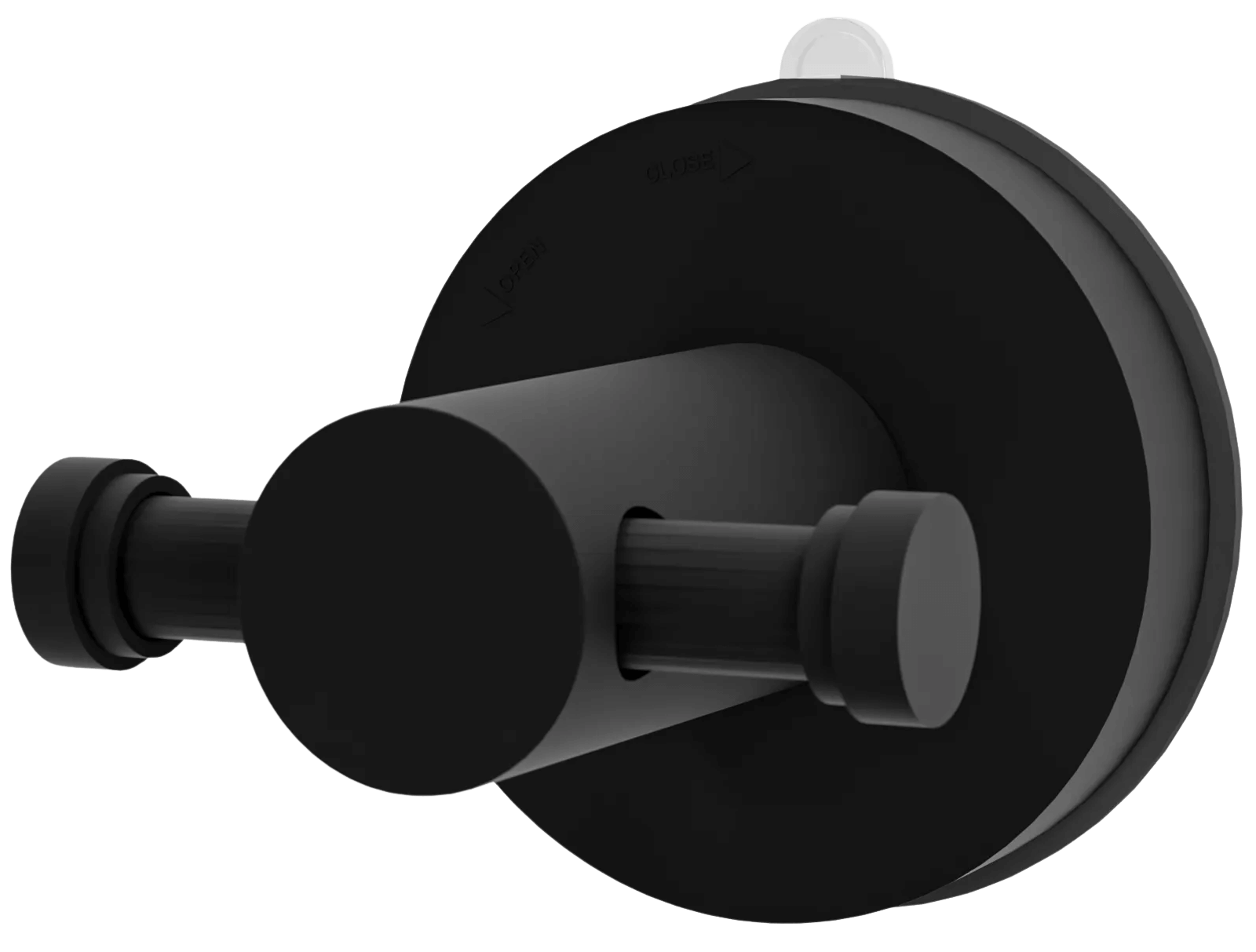
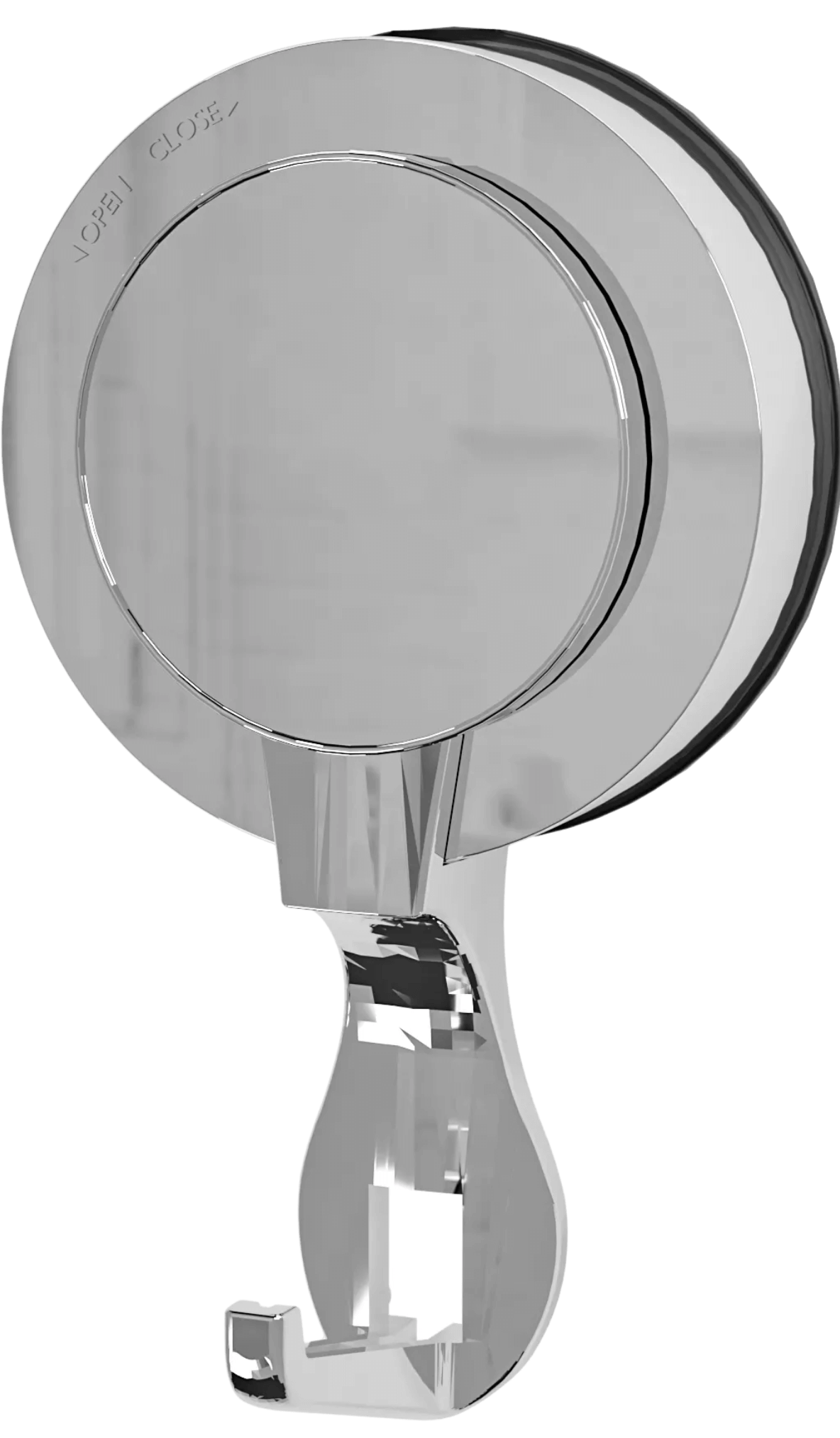
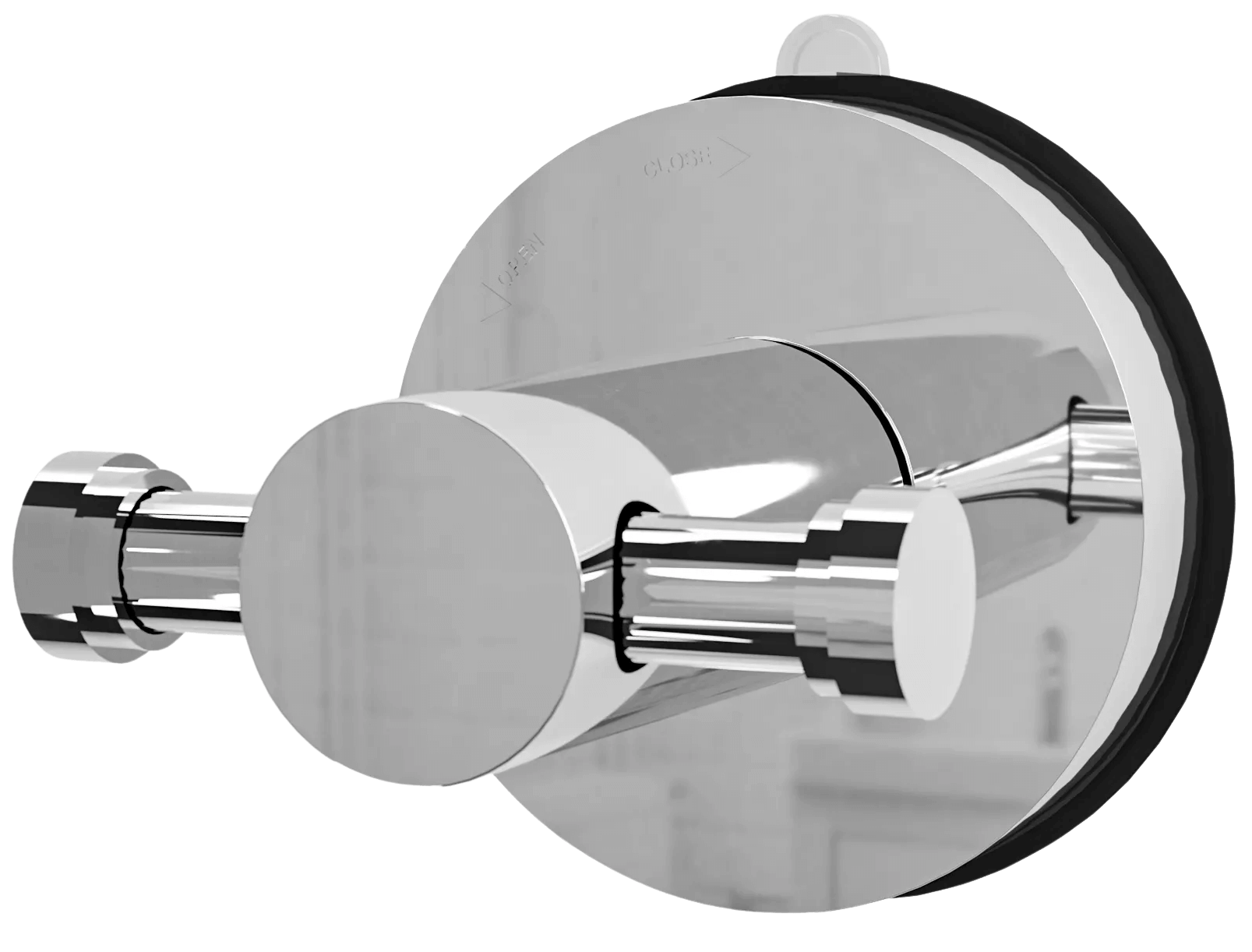
- Robe hooks
- Bathroom storage racks
- Faucets & taps
- Floor drains
- Grab bars
If it’s stainless steel, this guide cleans it.
Tools & Materials You’ll Need Before You Start
Here’s your cleaning kit:
Basic Cleaning Items
- Microfiber cloth
- Mild dish soap
- Warm water
- Soft sponge
For Deep Cleaning
- White vinegar
- Baking soda
- Lemon
- Olive oil / baby oil (for shine)
Optional (But Helpful)
- Spray bottle
- Soft toothbrush
- Non-abrasive scrub pad
Avoid steel wool or rough scrubbers they scratch instantly.
Step-by-Step Guide: How to Clean Stainless Steel Bathroom Accessories
Let’s go through the exact process professionals use.
Step 1 – Remove Dust & Surface Debris
Start simple:
- Wipe accessories with a dry microfiber cloth
- Remove loose dust, hair strands, or soap chunks
This prevents scratching in later steps.
Step 2 – Try the Gentle Soap & Water Method
Mix:
- 2–3 drops of dish soap
- 1 cup of warm water
Dip a sponge, wipe the surface, and rinse thoroughly.
This removes:
- Light dirt
- Fresh stains
- Fingerprints
For many homes, this step alone is enough for weekly cleaning.
Step 3 – Remove Hard Water Stains (The Vinegar Trick)
Hard water makes stainless steel look dull.
Solution:
- Fill a spray bottle with white vinegar
- Spray generously on the affected area
- Let it sit for 5–7 minutes
- Wipe with a microfiber cloth
- Rinse with warm water
Vinegar dissolves mineral build-up easily.
Step 4 – Remove Soap Scum Efficiently
Soap scum sticks to racks and faucets like glue.
Use:
- Vinegar + warm water (1:1 ratio)
- Scrub with soft sponge
- Rinse properly
For stubborn scum, sprinkle baking soda first → then vinegar → let it fizz → scrub.
Step 5 – Treat Fingerprints & Smudges
Fingerprints are oily, so use:
- A few drops of dish soap
- OR dilute vinegar
Wipe gently and follow the grain of the steel (important!).
Step 6 – Deep Clean Tough Stains or Mild Rust
Even stainless steel can get rust-like spots due to minerals.
Fix using a baking soda paste:
- Mix 3 tbsp baking soda + little water
- Apply paste
- Scrub with a soft toothbrush
- Leave for 10 minutes
- Rinse well
This lifts off hard stains without scratching.
Step 7 – Polish for a Mirror-Like Shine
Now the fun part: polishing.
Use:
- Olive oil
- Baby oil
- Coconut oil
Steps:
- Put 2–3 drops on a microfiber cloth
- Rub gently in circular motions
- Buff until shiny
Your stainless steel will look brand new.
Natural DIY Cleaning Solutions That Work Wonders
Sometimes you don’t need chemicals natural ingredients do the job beautifully.
Vinegar Mix
Best for:
- Water spots
- Soap scum
- Fingerprints
Spray, wait, wipe done.
Baking Soda Paste
Perfect for:
- Tough grime
- Rust-like stains
- Old dirt
Gentle yet effective.
Lemon Juice Spray
Great for:
- Mild stains
- Fresh smell
- Quick shine
Mix with water for daily maintenance.
Professional-Grade Cleaners (When You Need Them)
Use these only when stains are too stubborn:
- Stainless steel polish sprays
- Non-abrasive bathroom descalers
- Chrome & metal surface cleaners
Choose chloride-free cleaners to avoid damage.
What Not to Use on Stainless Steel (Avoid These!)
Never use:
- Bleach
- Steel wool
- Sandpaper
- Acid-based cleaners
- Abrasive scrub pads
- Bathroom acids
- Harsh detergents
They cause scratches, discoloration, and permanent damage.
How Often Should You Clean Stainless Steel Accessories?
Recommended cleaning schedule:
- Weekly: Basic cleaning with soap + water
- Bi-weekly: Vinegar treatment
- Monthly: Full deep cleaning + polish
Frequent maintenance prevents buildup.
Real-Life Examples: Cleaning Different Bathroom Accessories
Let’s get practical.
How to Clean Stainless Steel Soap Racks
Soap racks get the most soap scum.
Best method:
- Vinegar spray
- Baking soda for stubborn residue
- Oil polish for shine
How to Clean Shower Caddies & Shelves
Spray vinegar → let sit → scrub corners with toothbrush → rinse.
These areas trap water so clean more frequently.
How to Clean Towel Bars, Rings & Hooks
Since these get touched often:
- Use mild soap
- Follow up with polish for fingerprint-free shine
How to Clean Faucets & Taps
Faucets get water spots the most.
Best trick:
- Vinegar + warm water spray
- Baking soda around edges
- Oil shine finish
Advanced Maintenance Tips to Keep Stainless Steel Looking New
Want your accessories to last 10+ years? Try these pro tips.
Scratch Prevention Tips
- Use only microfiber cloths
- Avoid hard scrubbing
- Clean weekly to prevent buildup
Water-Repellent Coating Secrets
Apply:
- Silicone-based water-repellent spray
- Car wax (very lightly)
This prevents stains for weeks.
The Oil Trick for Lasting Shine
Olive oil / baby oil forms a protective layer that:
- Repels water
- Prevents fingerprints
- Keeps the surface glossy
Apply once every 2 weeks.
Quick Checklist: Weekly & Monthly Stainless Steel Care
Weekly Tasks
- Wipe with soap + warm water
- Remove fingerprints
- Dry completely
Monthly Tasks
- Vinegar treatment
- Baking soda deep clean
- Polishing with oil
Every 6 Months
- Apply water-repellent coating
82% of Homeowners Say Hard Water Is Their Biggest Challenge — Here’s How to Manage It
According to multiple home-care surveys, 82% of households struggle with hard water stains. Here’s how to stay ahead:
- Install a shower filter
- Wipe accessories after each shower
- Use vinegar weekly
- Apply protective oils
Hard water is unavoidable but its effects don’t have to be.
Troubleshooting Guide: Fixing Common Stainless Steel Problems
Problem: Dull Surface
Solution: Vinegar + polish
Problem: Brown marks
Cause: Minerals, not rust
Fix: Baking soda paste
Problem: Rainbow discoloration
Fix: Vinegar soak + buff
Problem: White chalky spots
Fix: Vinegar spray + wipe
Conclusion
Cleaning stainless steel bathroom accessories isn’t complicated you just need the right steps and consistency. With simple materials like vinegar, baking soda, mild soap, and a soft cloth, you can keep your bathroom shining like a luxury spa.
If you want a spotless, modern-looking bathroom, follow the weekly and monthly care routines. Your accessories will stay shiny, hygienic, and new for years.
Ready to transform your bathroom? Start with a simple cleaning routine today and enjoy a stainless steel shine that truly lasts.
(FAQs)
1. Can stainless steel accessories rust in the bathroom?
Not usually. Brown spots are often mineral deposits, not rust, and can be removed easily.
2. Is vinegar safe for stainless steel?
Yes as long as you rinse it off and wipe the surface dry afterward.
3. How do I keep stainless steel shiny for long?
Use a little baby oil or olive oil once every two weeks.
4. Can I use lemon directly on stainless steel?
Yes, but rinse after applying because lemon is mildly acidic.
5. How do I remove scratches?
Shallow scratches can be reduced with stainless steel polish; deep ones require professional buffing.