

Introduction
When it comes to setting up your bathroom, kitchen, or living space, the battle between vacuum suction hooks and adhesive hooks is real. Both promise damage-free installation, convenience, and functionality, but the question remains: which one actually lasts longer? If you’ve ever had a soap rack fall in the middle of the night or a hook peel off the wall, you know how important this decision is. Let’s dive deep into the pros, cons, and durability of both options.
Understanding Vacuum Suction Technology
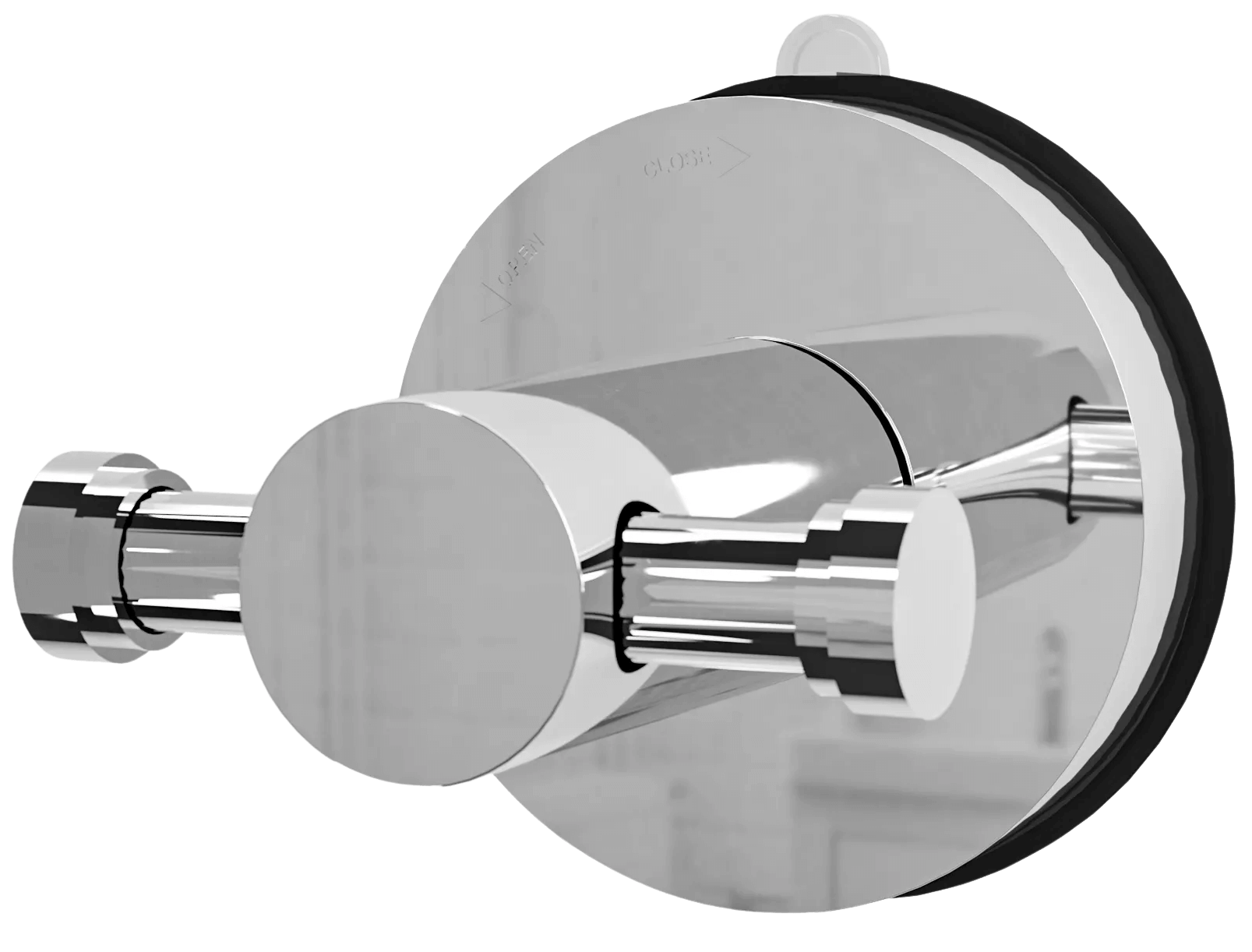
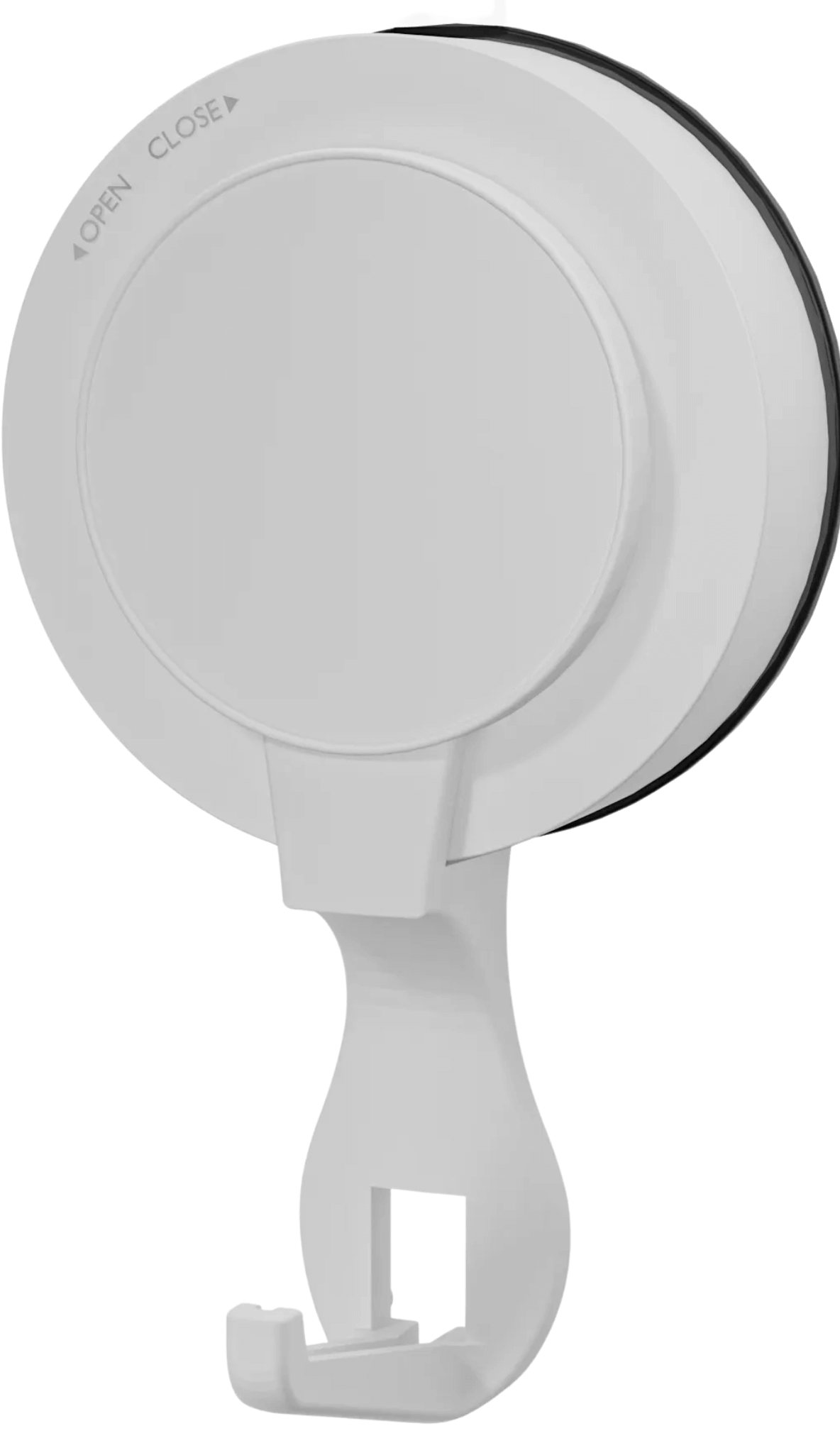
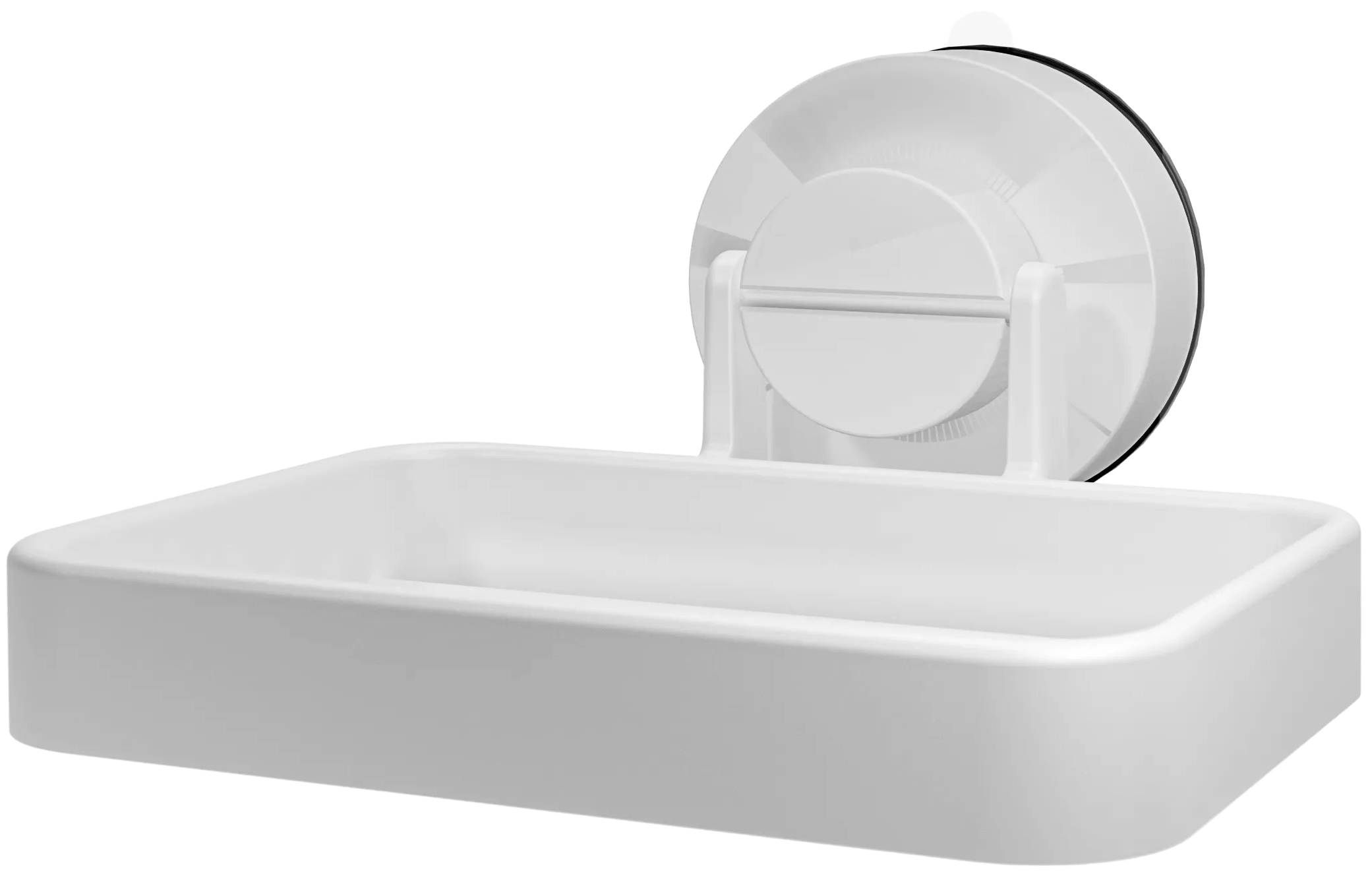
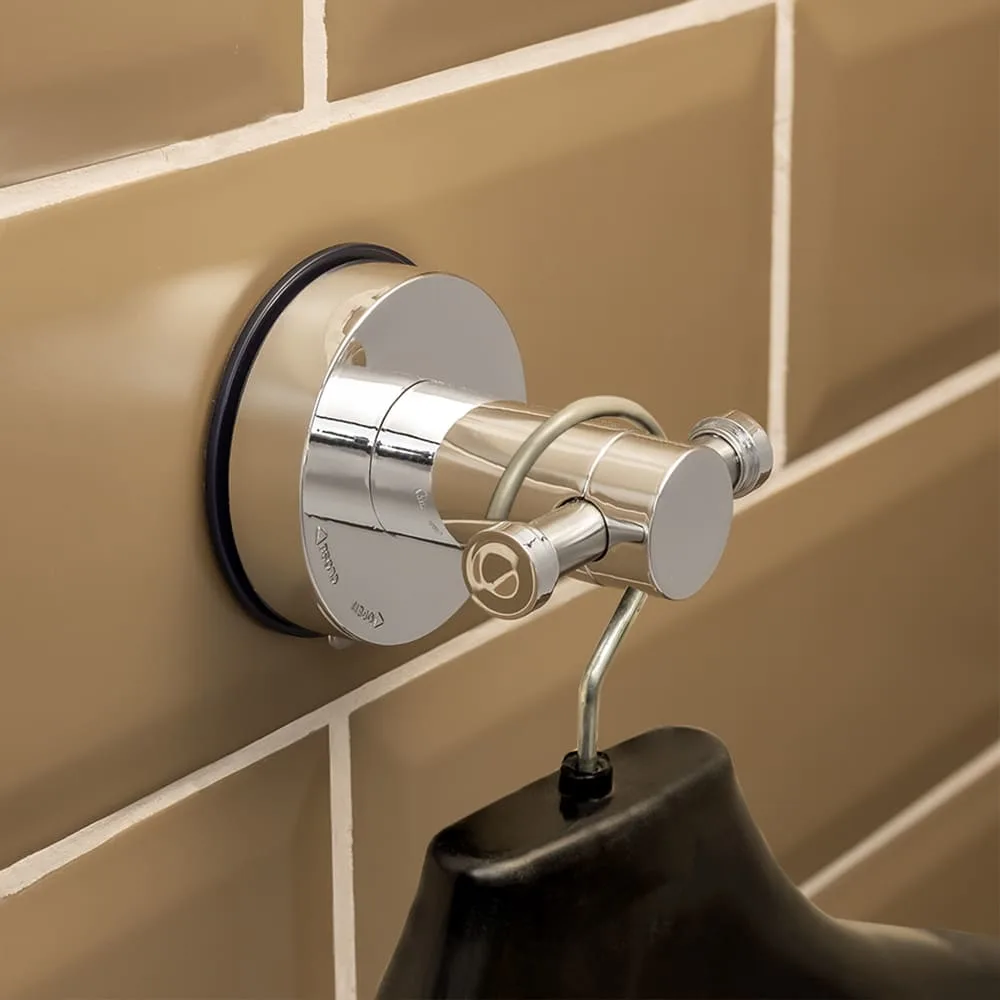
Vacuum suction works by creating an airtight seal between the hook or rack and the surface. This seal generates negative pressure, holding the accessory firmly in place. Think of it like a mini suction cup—only stronger and more reliable.
- Works best on smooth, non-porous surfaces like glass, tiles, and mirrors.
- Doesn’t require tools or glue.
- Can be repositioned easily without leaving marks.
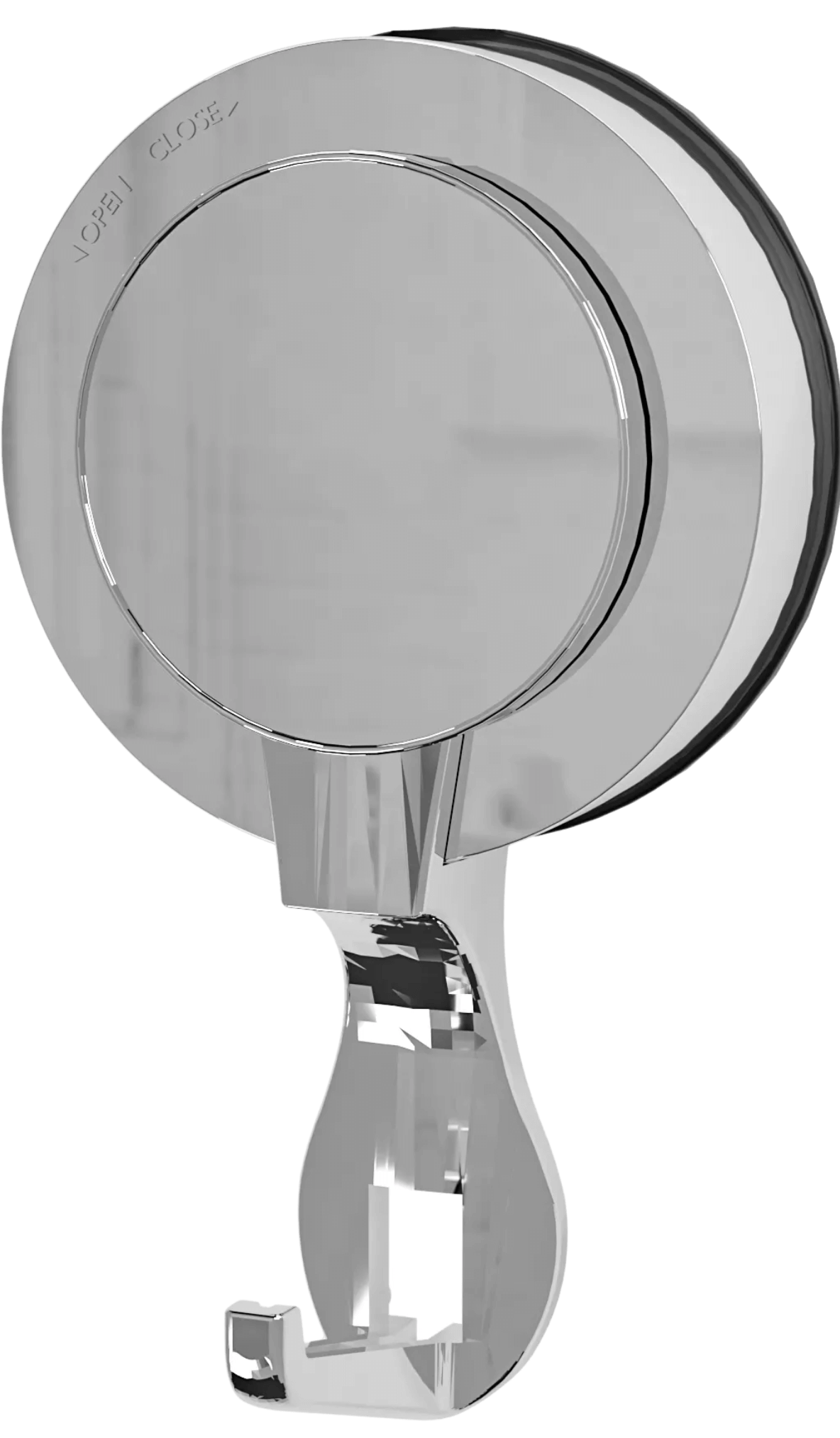
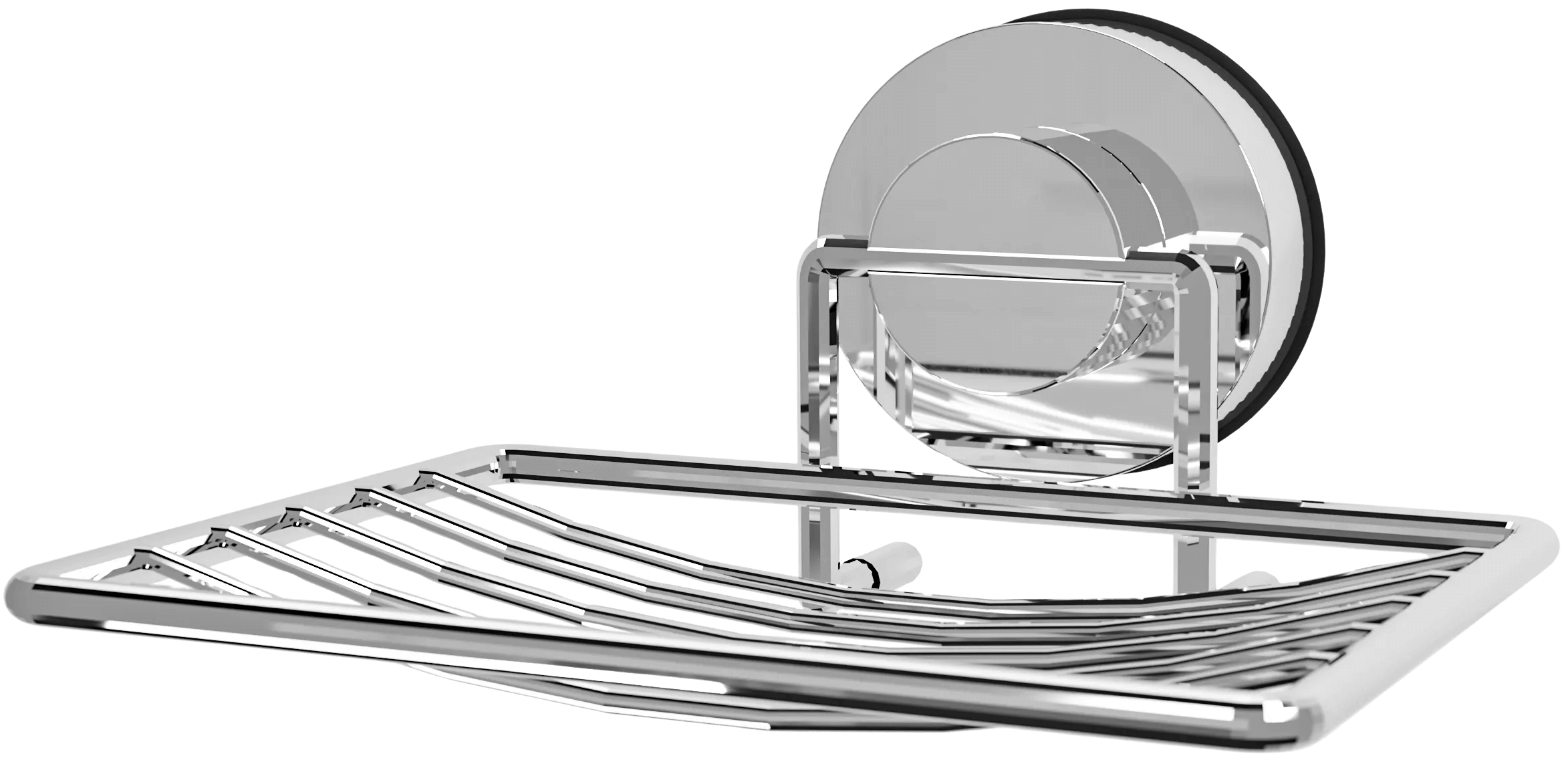
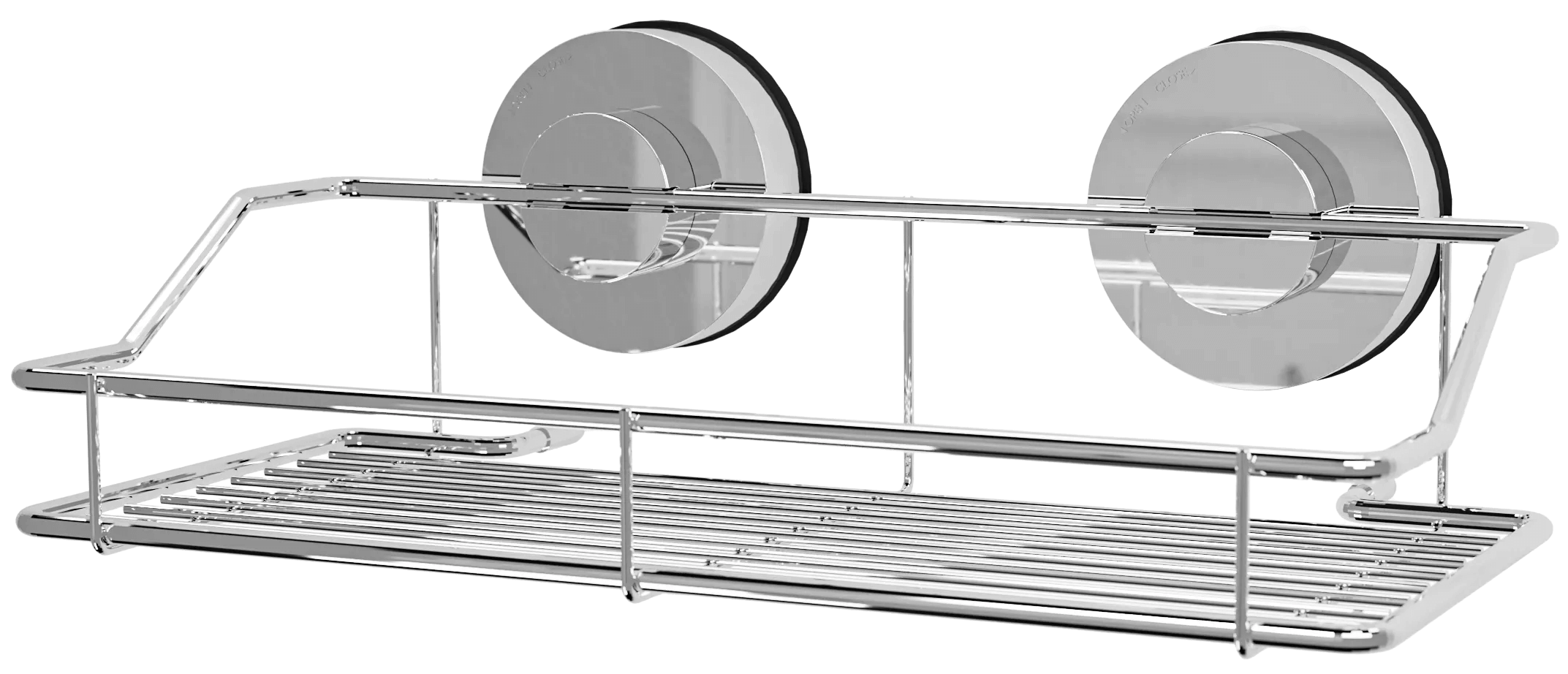
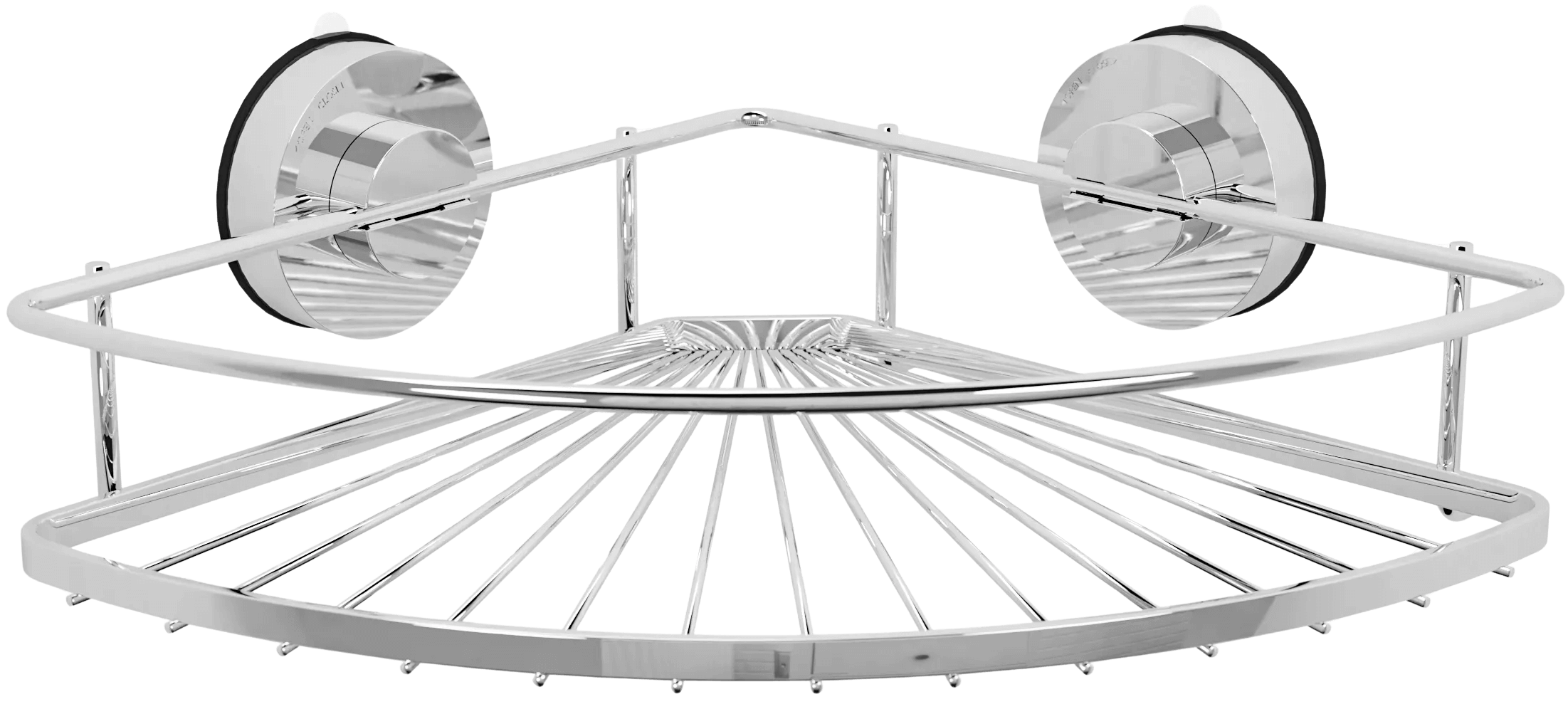
Types of Vacuum Suction Hooks & Racks
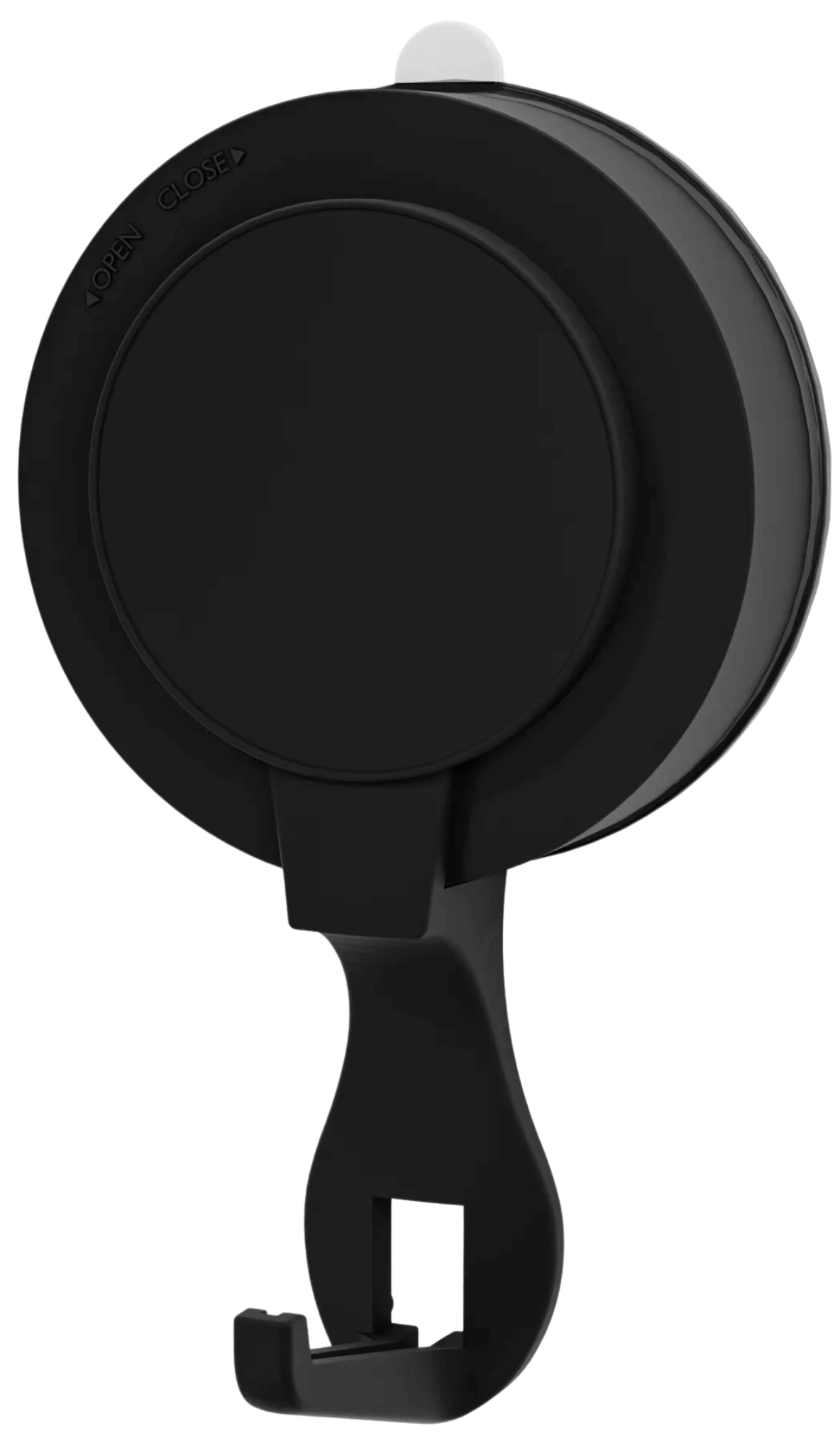
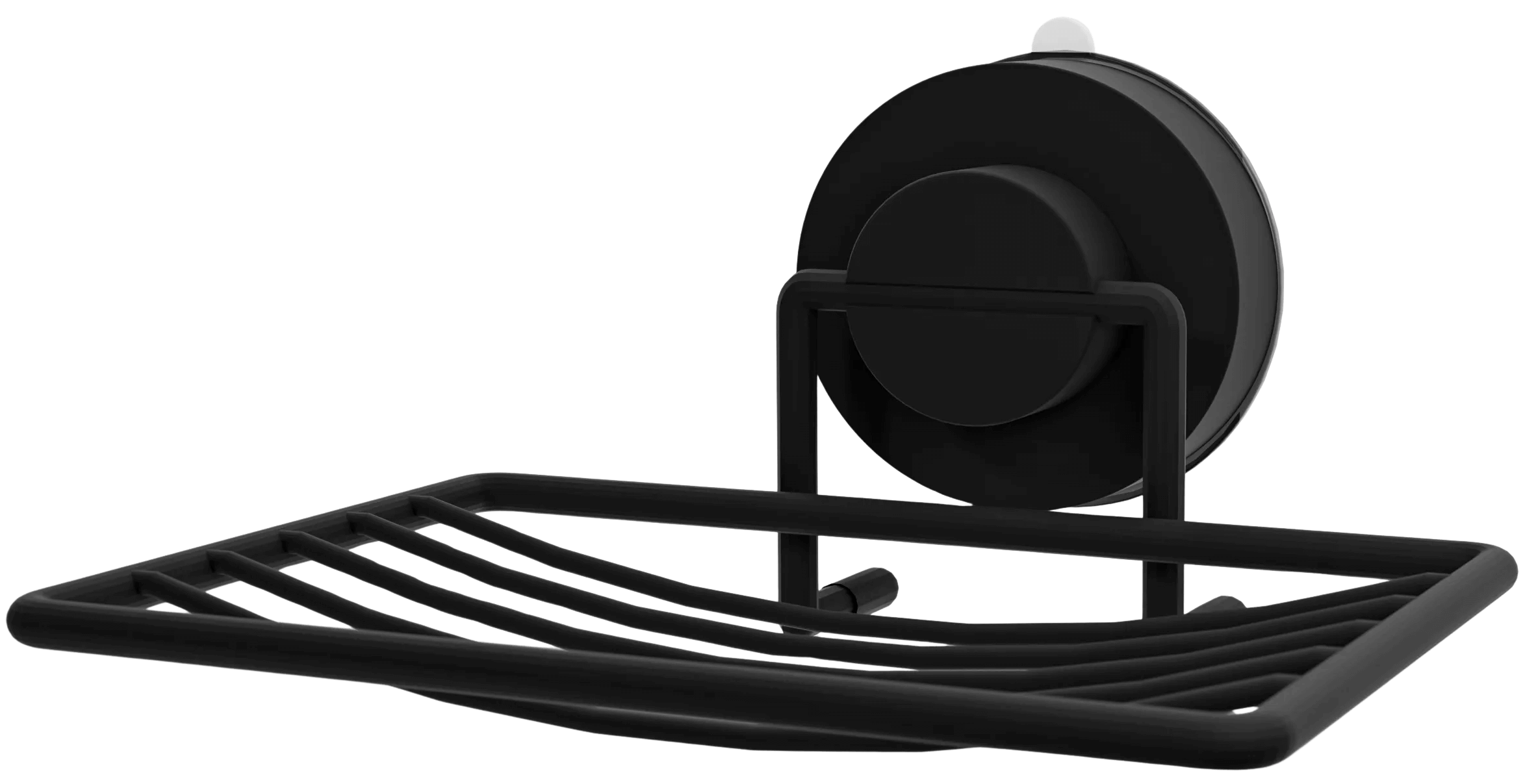
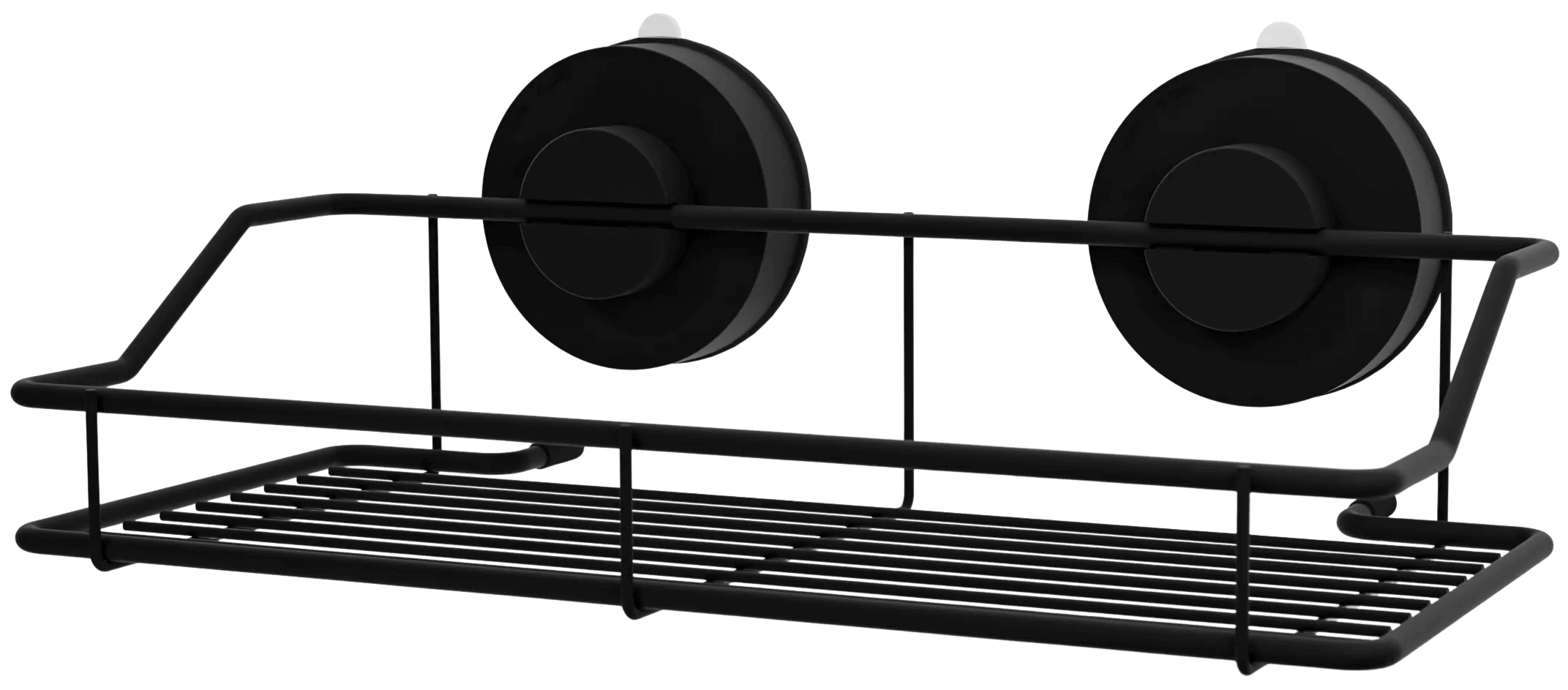
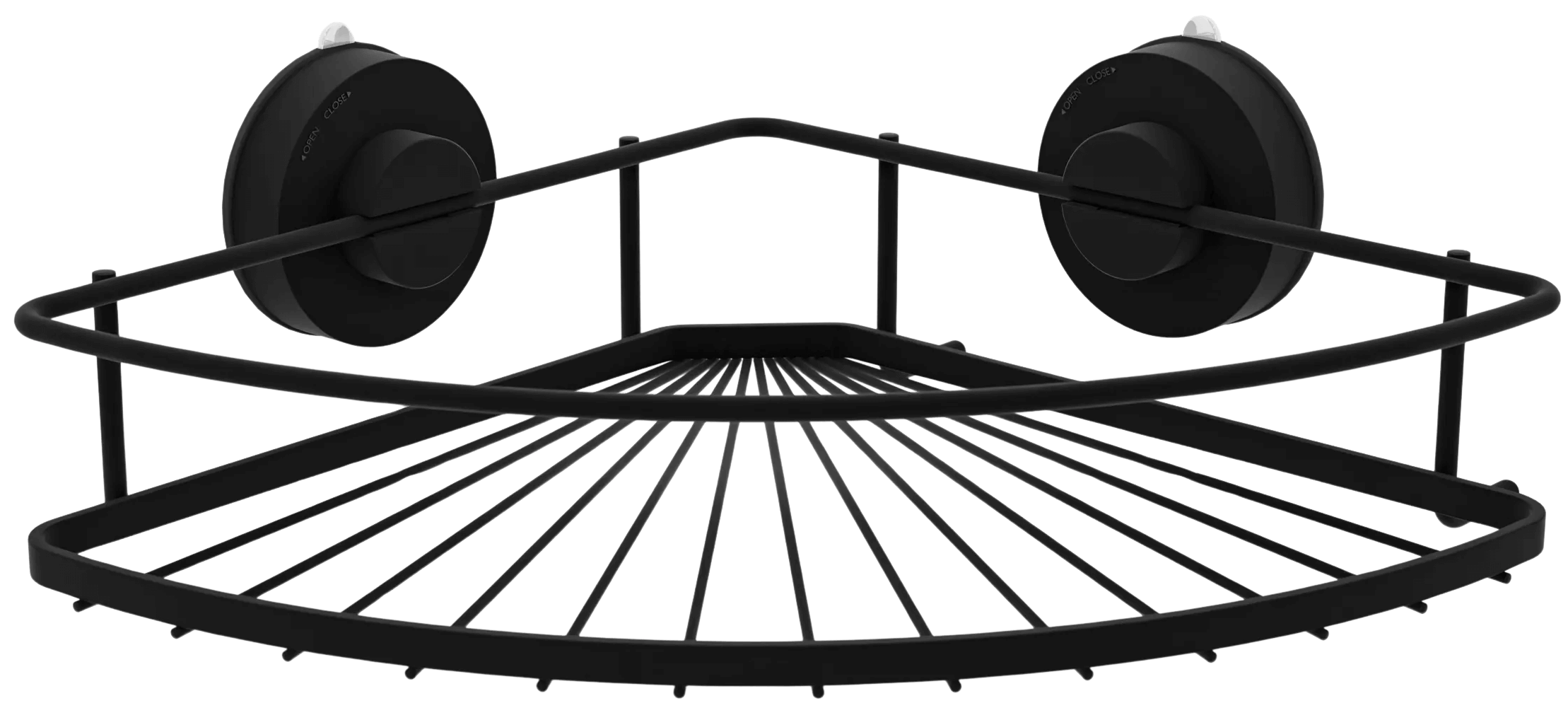
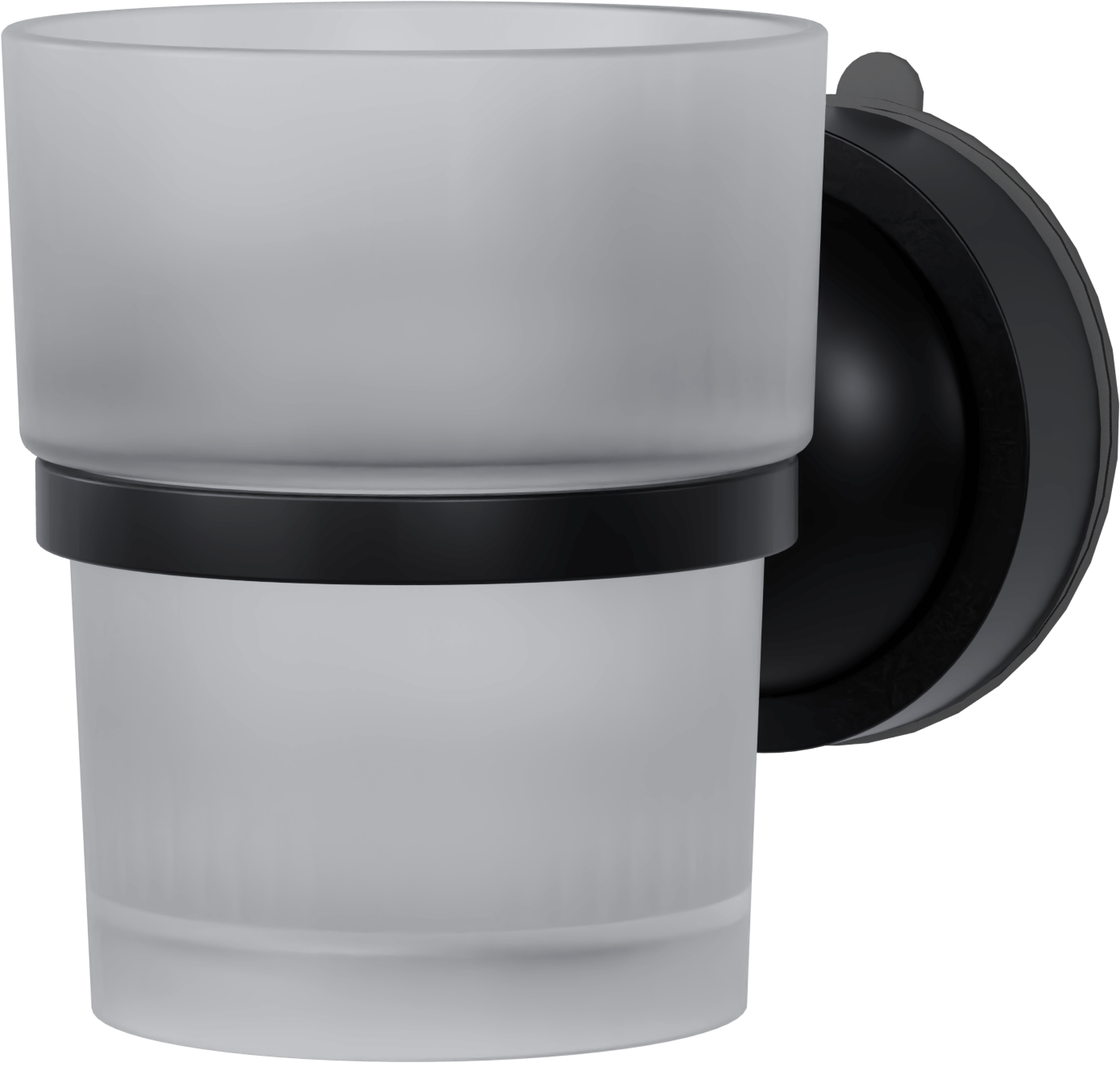
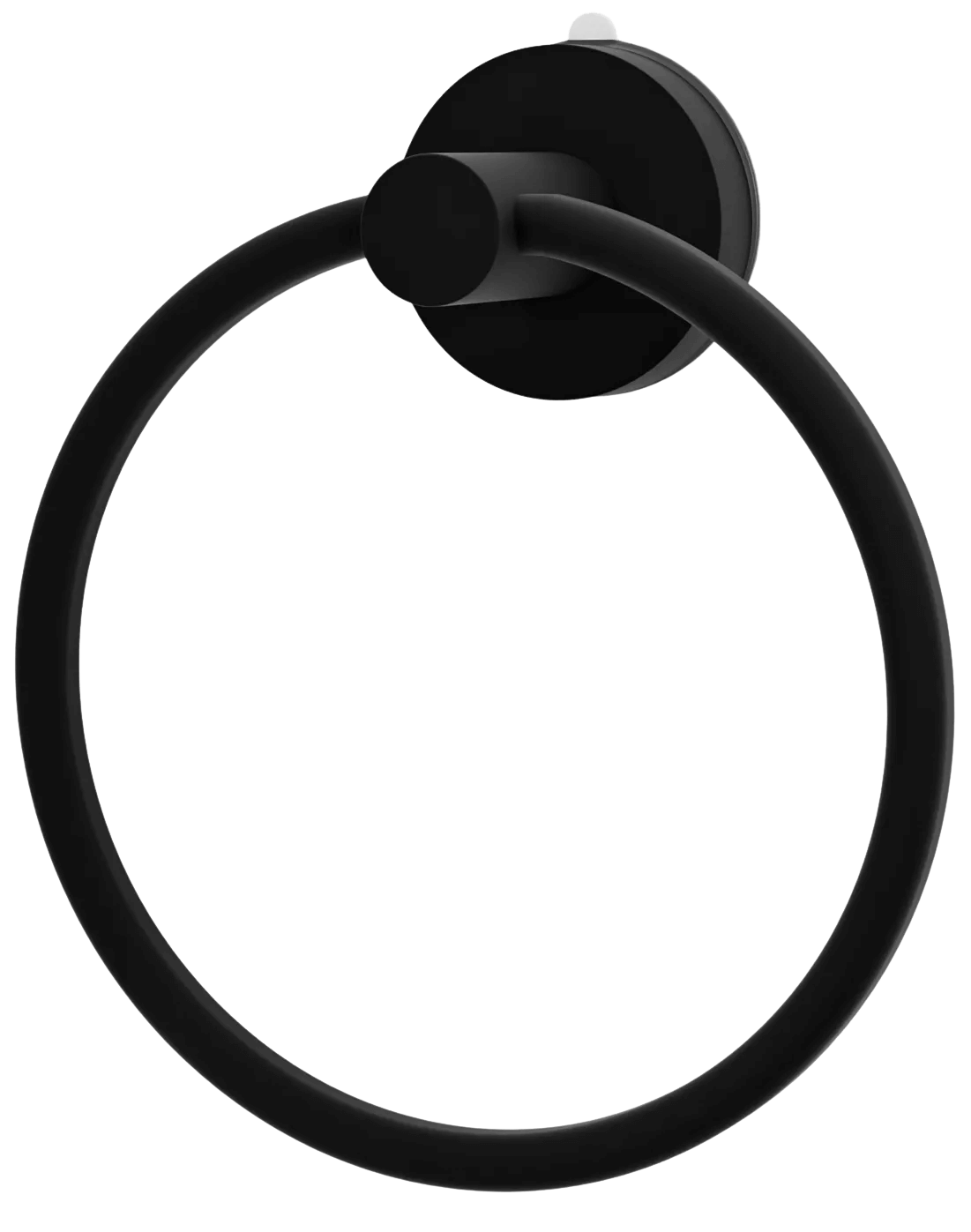
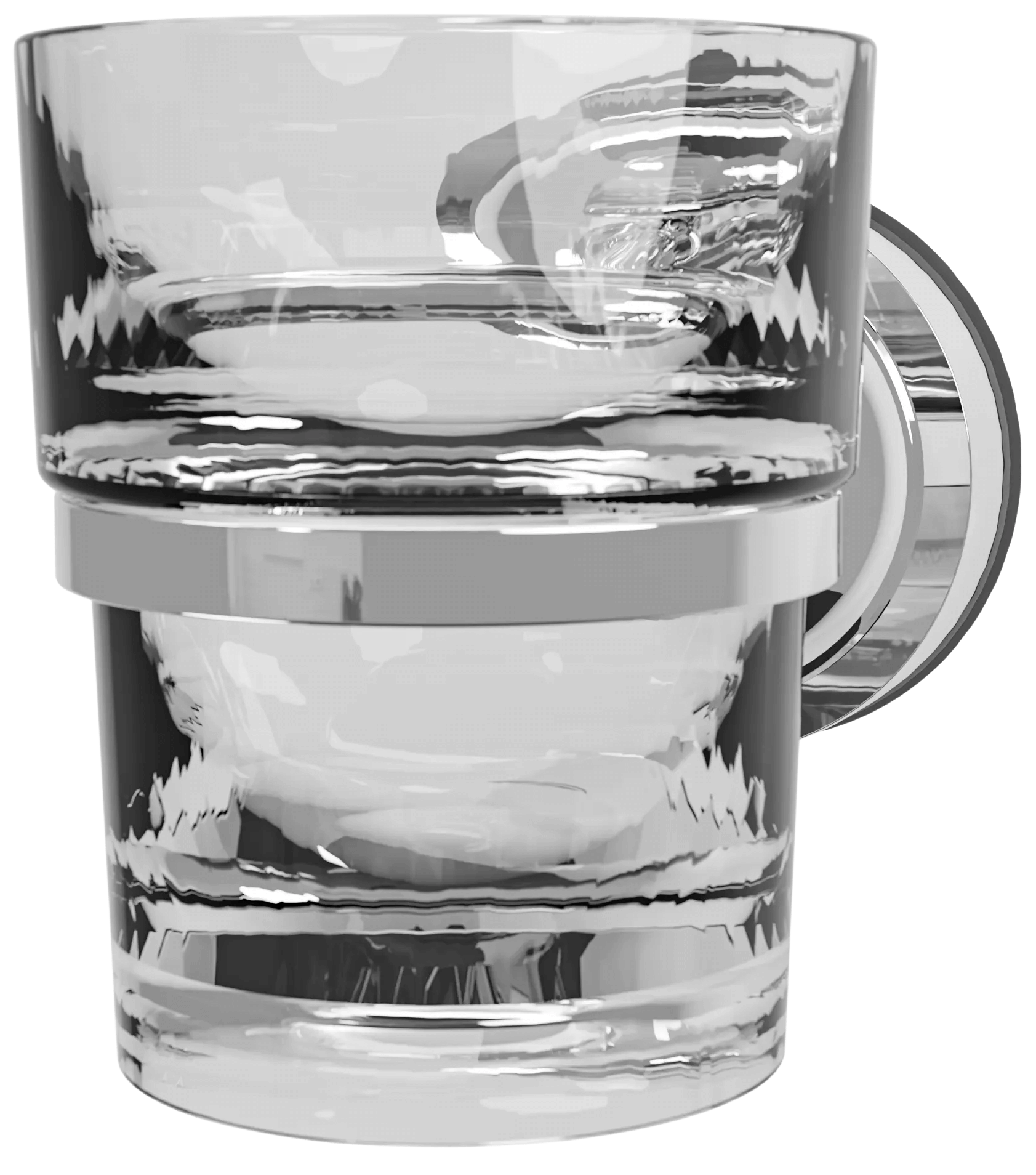
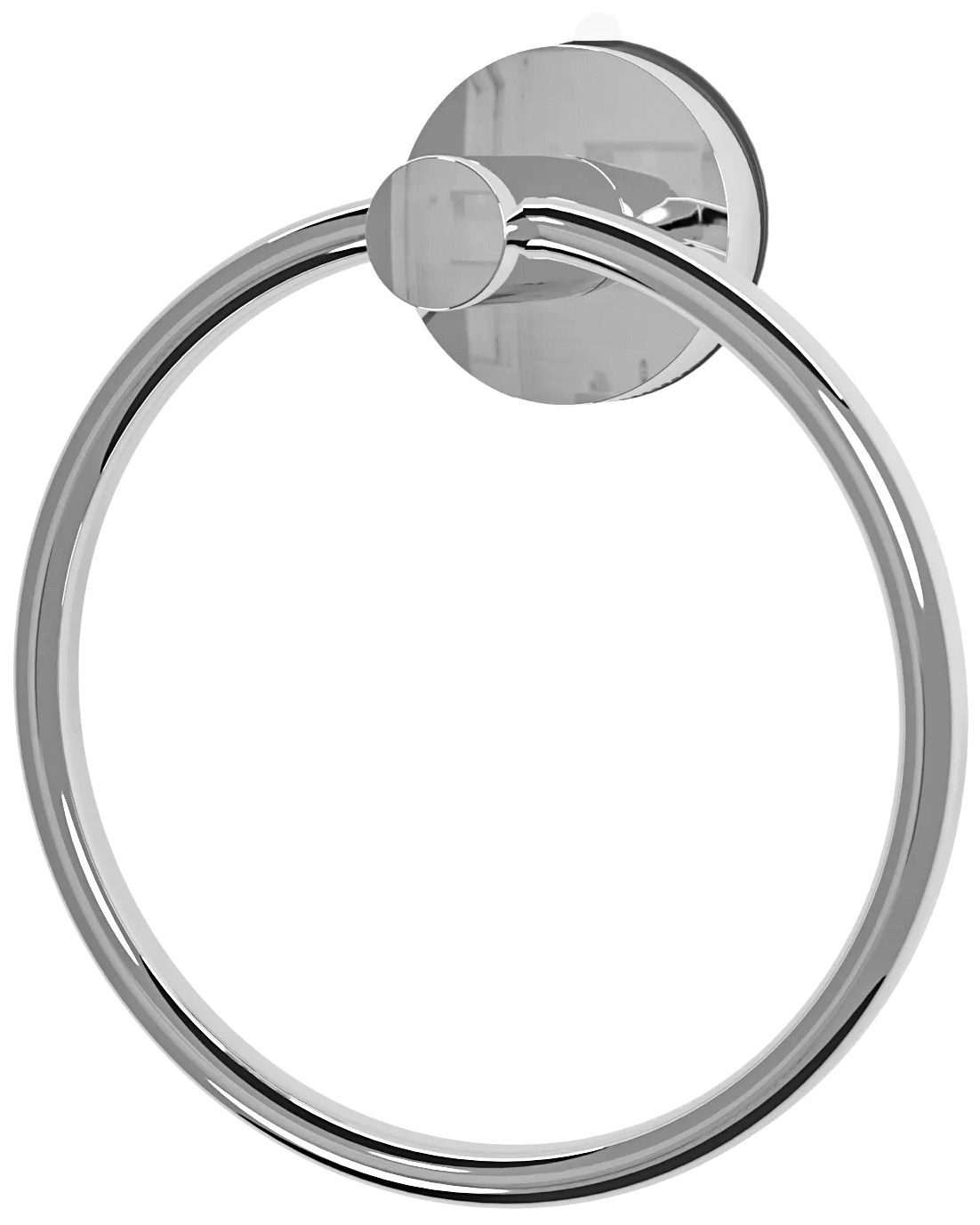
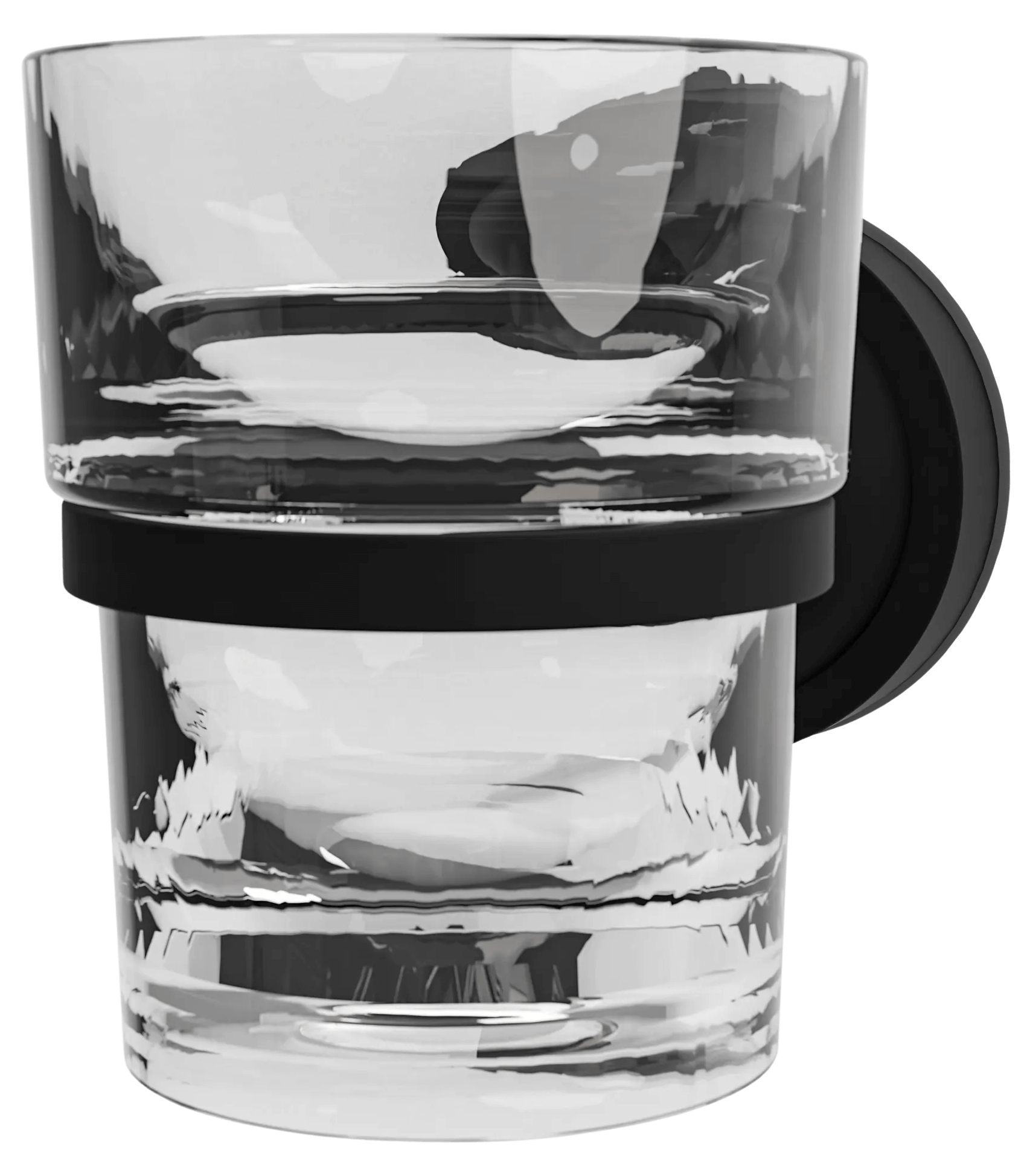
- Bathroom Organizers – Soap racks, towel bars, shower caddies.
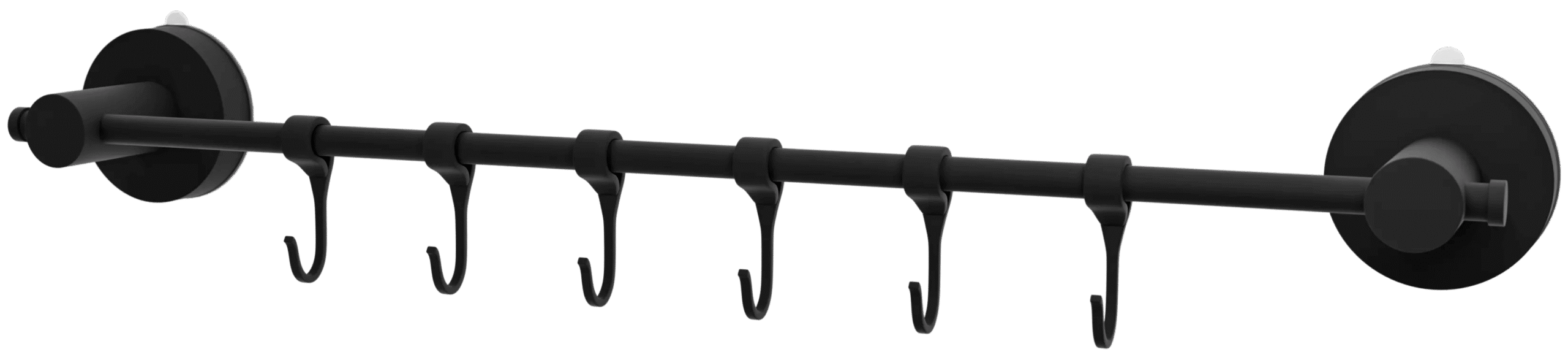
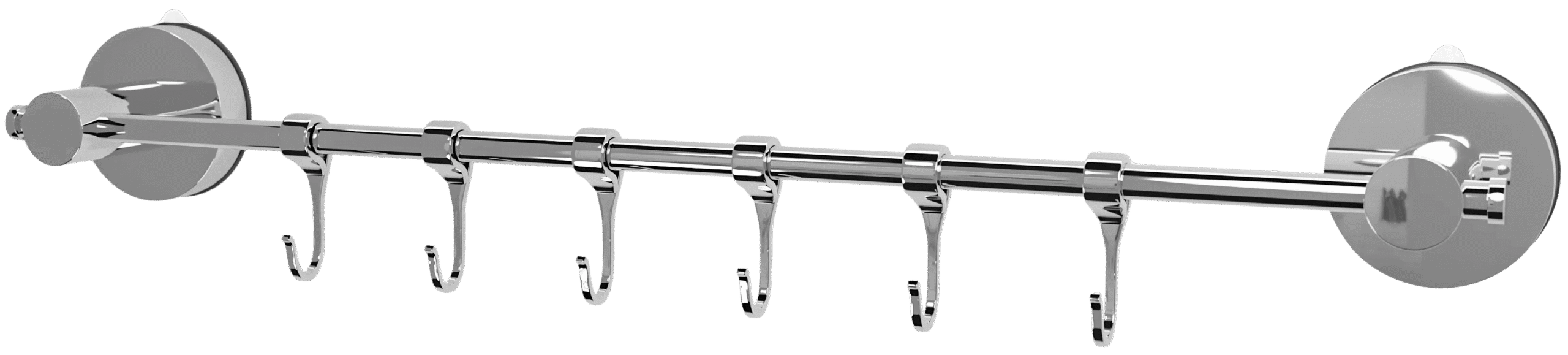
- Kitchen Accessories – Spice racks, utensil holders, wall hooks.
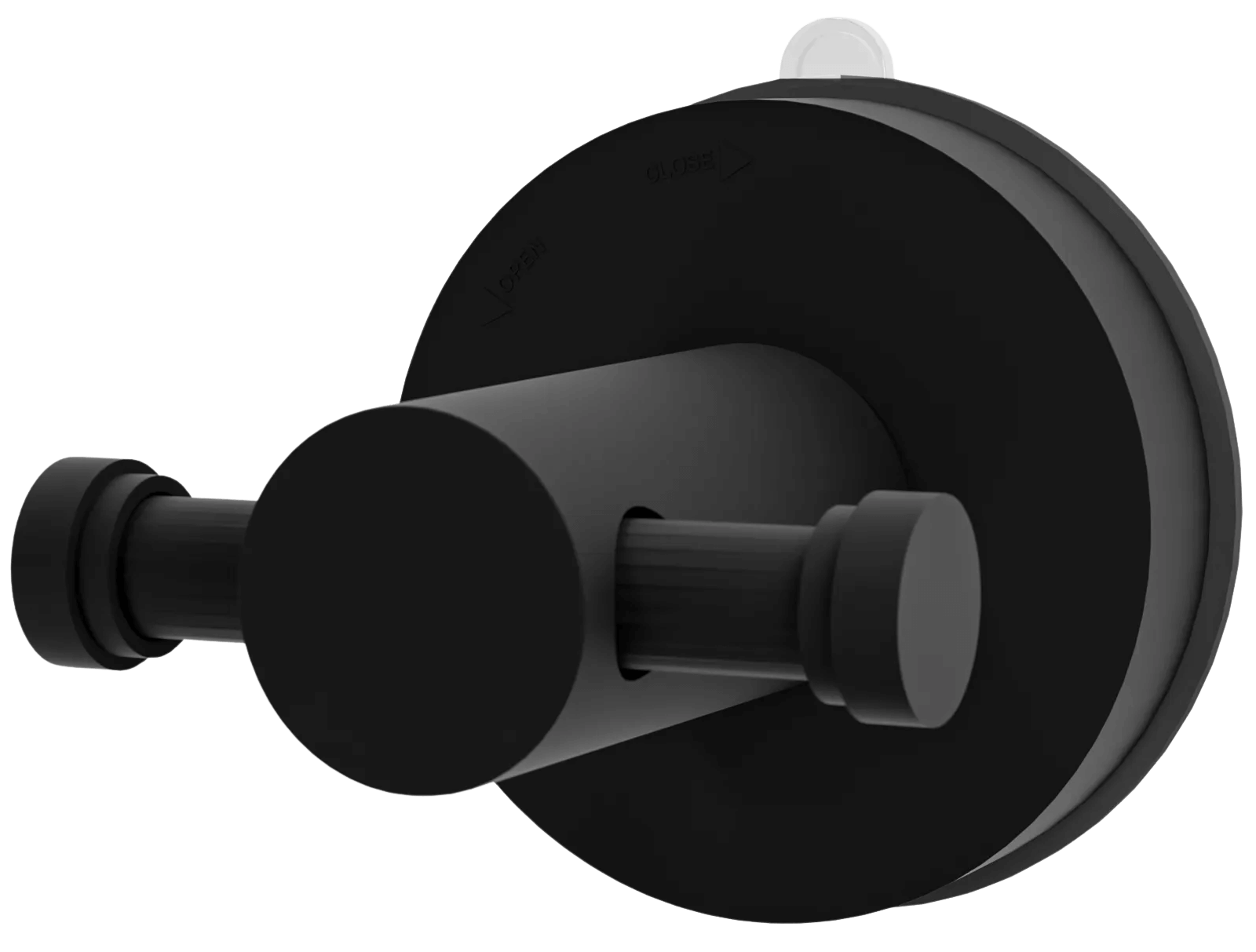
- Multipurpose Storage Solutions – Key holders, dress hangers, and shelves.
These products are popular among renters who want sturdy, reusable, and mess-free installations.
Understanding Adhesive Technology
Adhesive technology relies on sticky materials like 3M tape, double-sided adhesives, or glue-based pads. Once pressed against the wall, they create a strong bond.
- No tools required.
- Works on a wider variety of surfaces than suction.
- Some adhesives are permanent, while others are removable.
Types of Adhesive Hooks & Racks
- Lightweight Hooks – Ideal for keys, cables, and small tools.
- Heavy-Duty Adhesive Racks – Can hold kitchen utensils, frames, or even small shelves.
- Temporary vs Permanent Adhesives – Temporary ones remove cleanly, while permanent adhesives offer stronger bonds but often damage surfaces.
Strength and Weight Capacity
- Vacuum Suction: Typically holds 3–7 kg depending on size and surface quality.
- Adhesive: Ranges from 1–5 kg, though heavy-duty adhesives can handle more.
For heavier storage needs, suction usually outperforms adhesive.
Durability Over Time
- Vacuum Suction: Can last for years if surfaces are clean and smooth, but may lose grip if exposed to dust or uneven tiles.
- Adhesive: Strong at first, but often weakens due to humidity, dust, or wall paint peeling.
In terms of longevity, suction tends to be more reliable when used correctly.
Surface Compatibility
- Suction: Best for tiles, glass, mirrors, and steel. Avoid rough or porous walls.
- Adhesive: Works on painted walls, wood, metal, and even concrete. However, removal can damage delicate paint.
Ease of Installation
- Suction: Just press, lock, and you’re done. No waiting time.
- Adhesive: Requires surface cleaning, precise placement, and sometimes curing time before use.

Removal and Reusability
- Suction: Can be reused multiple times—just wash and reapply.
- Adhesive: Most adhesives are one-time use. Removal may peel paint or leave sticky residue.
Resistance to Moisture and Heat
- Suction: Performs well in wet bathrooms and steamy kitchens.
- Adhesive: Weakens in high humidity or heat, especially near showers and stoves.
Cost Comparison
- Vacuum Suction Products: Slightly more expensive upfront but reusable.
- Adhesive Products: Cheaper initially but may require frequent replacement.
In the long run, suction tends to be more cost-effective.
Aesthetic and Design Factors
- Suction: Often designed with a sleek, modern look. Many brands now offer stainless steel and matte finishes.
- Adhesive: Usually minimalistic, blending well into painted or textured walls.
Which One Lasts Longer? (Final Verdict)
If your priority is longevity and reusability, vacuum suction wins. It holds more weight, resists humidity, and can be reused multiple times. However, if you need a quick, cheap, and flexible option for uneven surfaces, adhesive hooks still hold their ground.
Conclusion
So, vacuum suction or adhesive—which should you choose? The answer depends on your space, surface, and needs. For smooth bathroom tiles and kitchens, suction is your best bet. For textured walls or areas where drilling isn’t possible, adhesive offers a quick fix. Both have their pros and cons, but when it comes to durability and long-term use, vacuum suction takes the crown.
FAQs
1. Can suction hooks replace drilling completely?
Not always. While strong enough for everyday items, drilling is still needed for very heavy loads.
2. Do adhesives work on tiles?
Yes, but they may weaken over time due to moisture.
3. How do I make suction hooks last longer?
Clean both the surface and suction pad before applying. Reapply if it loosens.
4. Which is better for renters: suction or adhesive?
Suction is ideal—easy to remove, reusable, and doesn’t damage walls.
5. Are these options eco-friendly?
Yes, suction hooks are reusable and reduce waste. Adhesives are less eco-friendly since most are single-use.