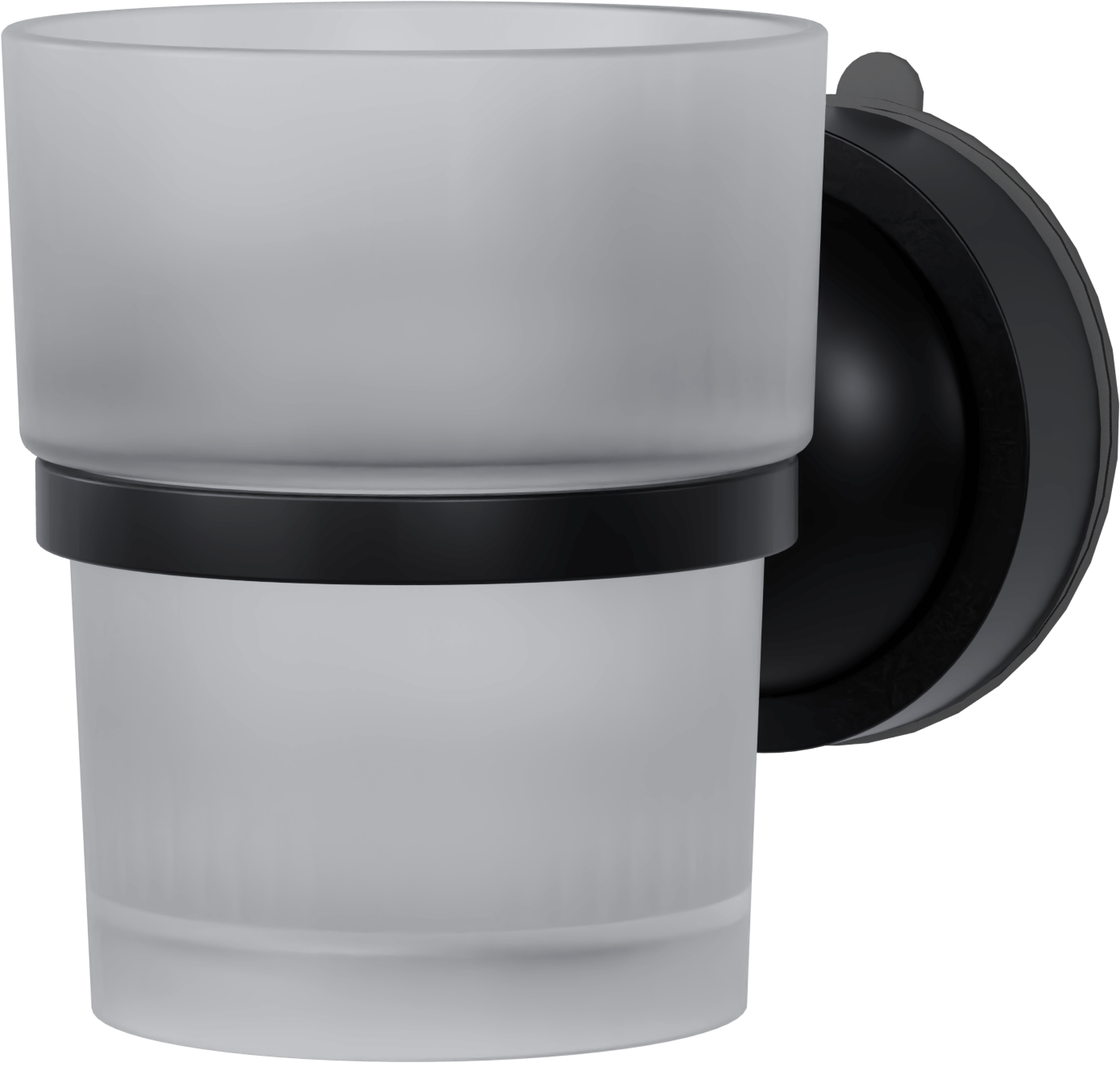
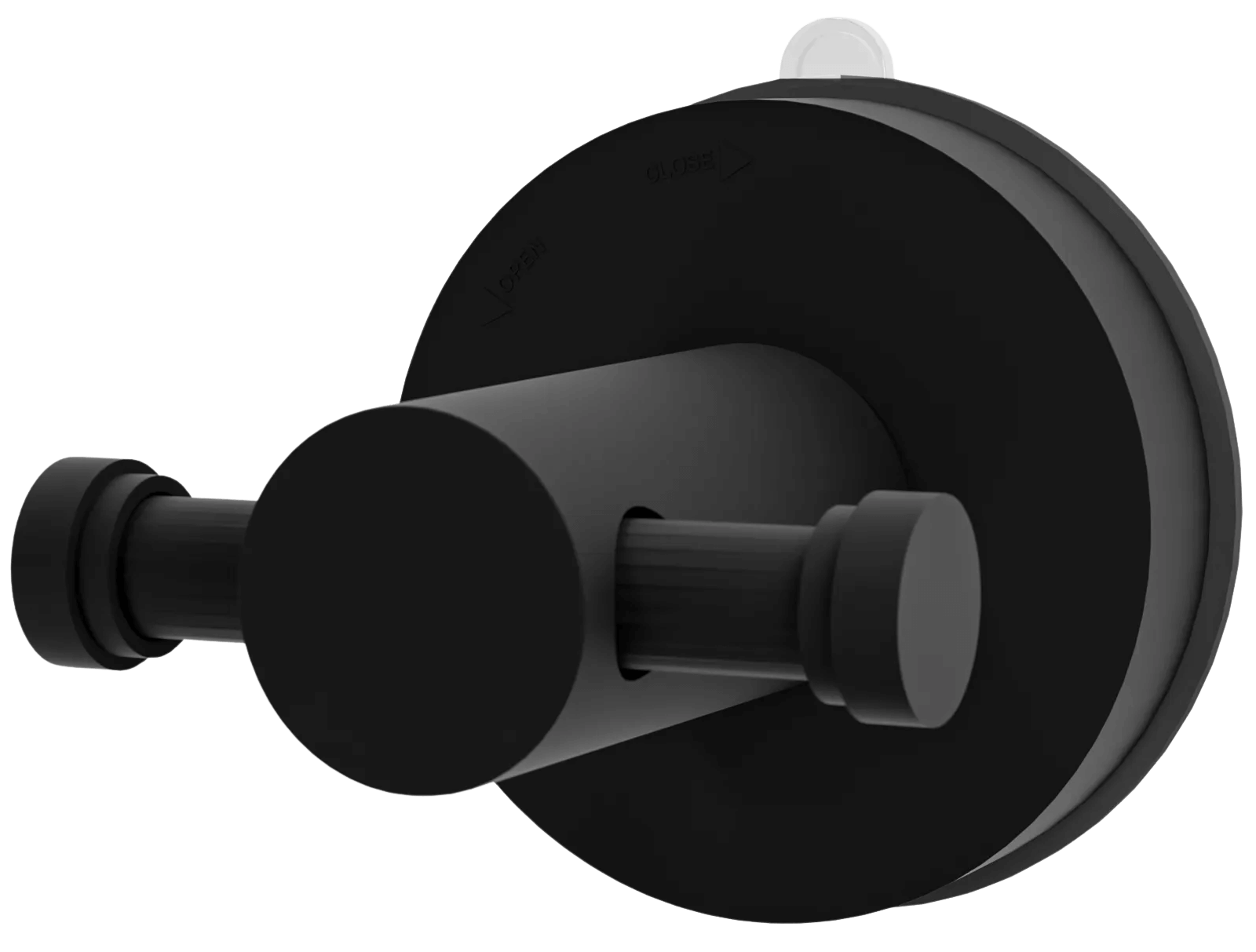

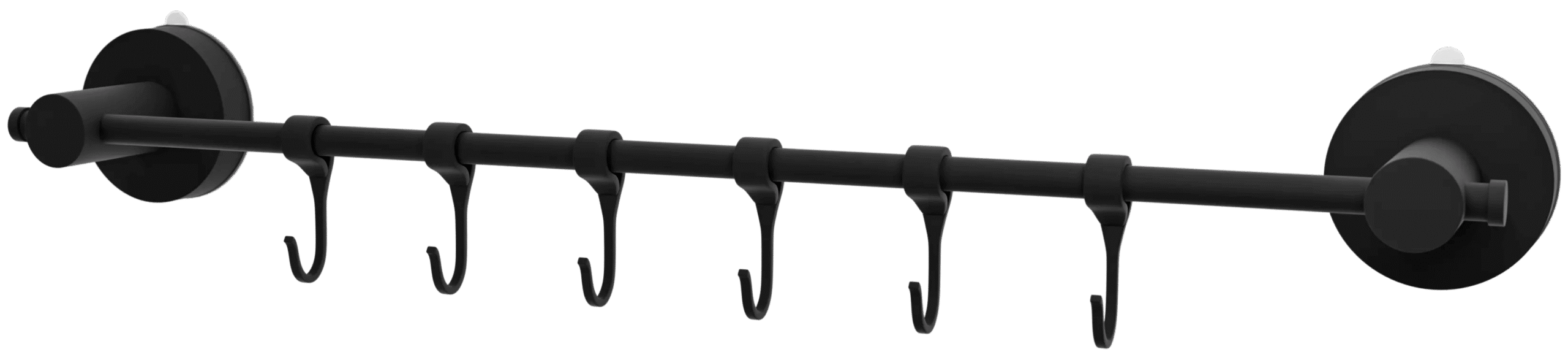
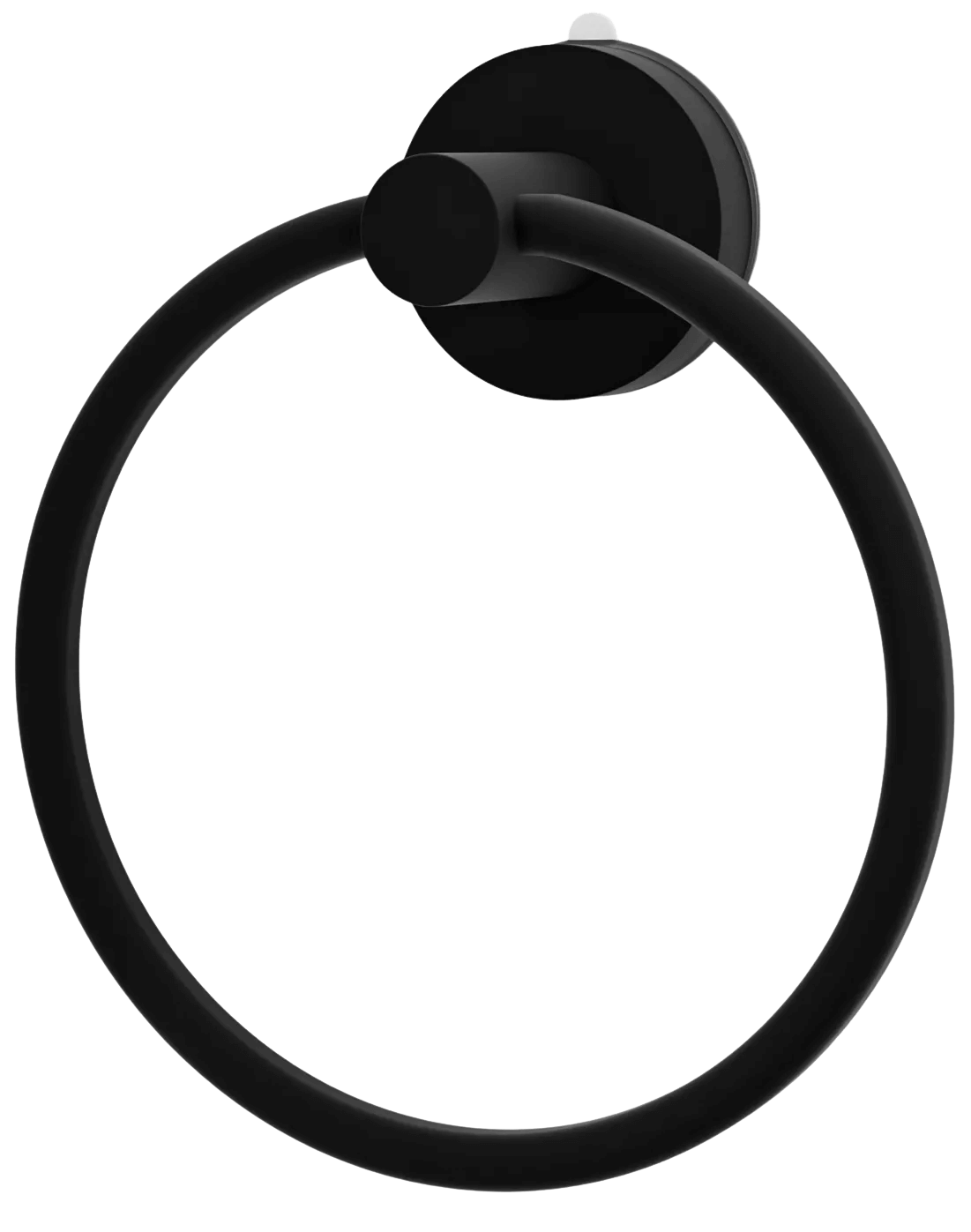


Introduction: The Battle of the Bathroom Hooks
Let me paint a frustrating scenario you’ve probably experienced: You’re standing in your bathroom, staring at your shower caddy or towel holder on the floor again. Your hooks failed, and with them came your sanity. Whether you’re a renter avoiding nail holes or a homeowner who simply doesn’t want to invest in power tools, the struggle is real.
Here’s what studies show: 78% of homeowners have experienced at least one hook failure in their lifetime, leading to broken items, wall damage, and that sinking “I wasted money on this” feeling. The adhesive hooks market, valued at $1.09 billion globally, is projected to reach $1.5 billion by 2030, revealing just how many people like you are seeking damage-free hanging solutions.
But with so many options flooding the market, how do you know which hook will actually stick? Today, we’re settling the ultimate hanging debate: 3M Suction Hooks vs. Klever Hooks. Which one truly sticks better? Which one should occupy valuable real estate on your walls?
Understanding Your Hanging Challenge
Why This Comparison Matters
Before diving into the technical nitty-gritty, let’s acknowledge why this matters to you personally. You’re not just buying hooks you’re investing in peace of mind, organization, and preventing property damage.
The right hook means:
- Confidence that your items won’t crash down unexpectedly
- Flexibility to reorganize without leaving permanent marks
- Cost-effectiveness by purchasing the right tool the first time
- Stress relief from no longer worrying about hook failures
3M and Klever represent two entirely different philosophies for hanging items damage-free. Understanding these philosophies helps you make an informed decision aligned with your specific needs.
What Are 3M Suction Hooks? The Adhesive Revolution
How 3M Command Hooks Work
3M Command Hooks aren’t what most people think they are. They’re not suction hooks at all—they’re adhesive hooks using proprietary strip technology. When you peel away the backing and press the hook against a wall, you’re activating a dual-sided adhesive strip system that creates an incredibly strong bond.
Here’s what happens at the molecular level: Micro-fibers on the adhesive strips interlock with the surface, creating thousands of contact points. This isn’t a simple sticky paste it’s engineered adhesion technology.
3M’s Unique Technology Behind Adhesive Sticking Power
The magic behind 3M Command Hooks lies in three proprietary technologies:
- Stretch Release™ Technology: This is where the “clean removal” magic happens. When you pull the small tab, the adhesive gradually releases its bond systematically rather than ripping free suddenly.
- Wave™ Adhesive Technology: This creates a flexible gel that can absorb vibrations and movements without losing grip strength.
- Dual-Lock™ Fasteners (in picture hanging strips): These operate on hook-and-loop principles, holding significantly more weight than simple adhesive.
Weight capacity stats: 3M Command Hooks range from 0.9 kg for small hooks to 3.5 kg for large hooks, with picture hanging strips supporting up to 7.2 kg for frames up to 60 x 90 cm.
The longevity factor is impressive 3M reports that properly installed Command Hooks can last multiple years in optimal conditions, with many users reporting 4-year lifespans.
What Are Klever Hooks? The Vacuum Suction Alternative
Klever’s Vacuum Suction Technology Explained
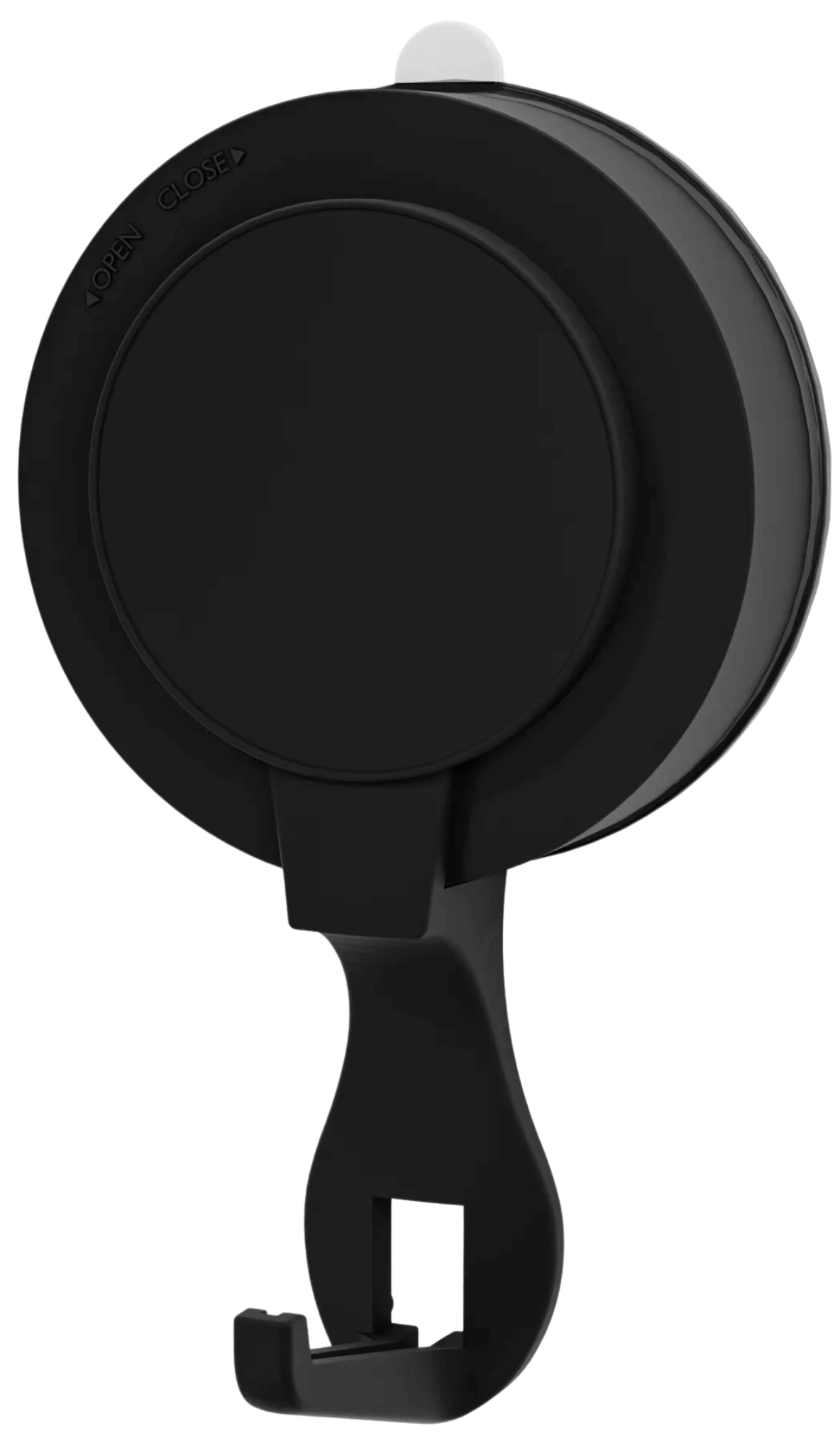
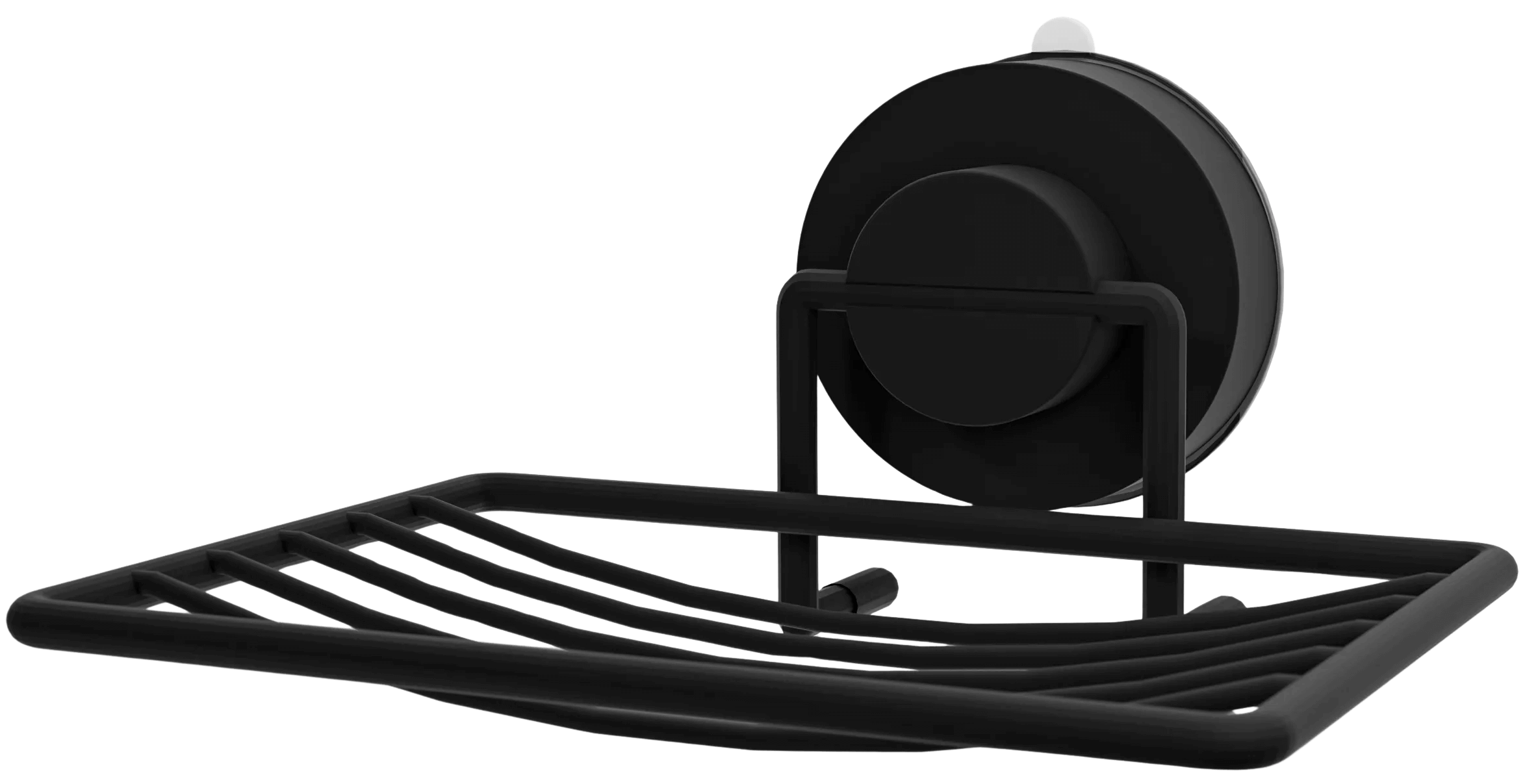
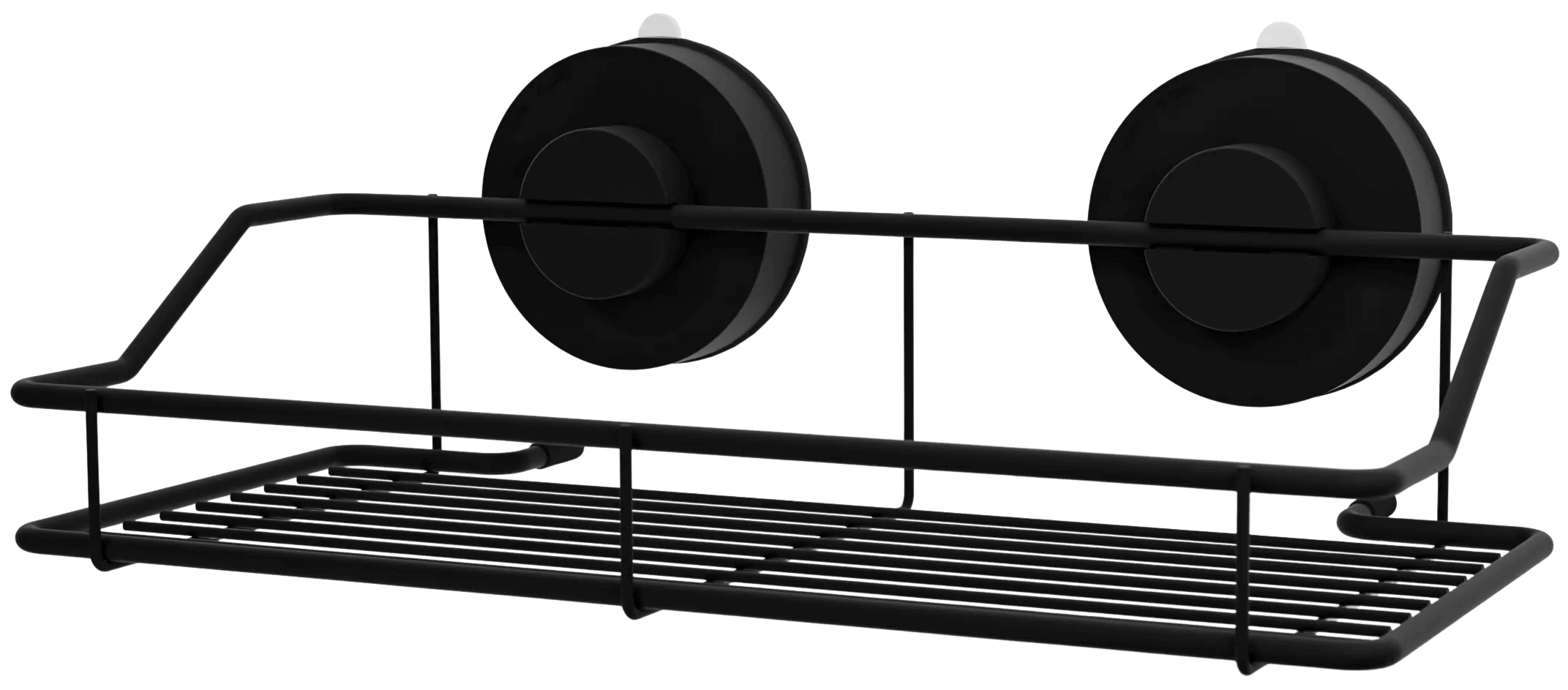
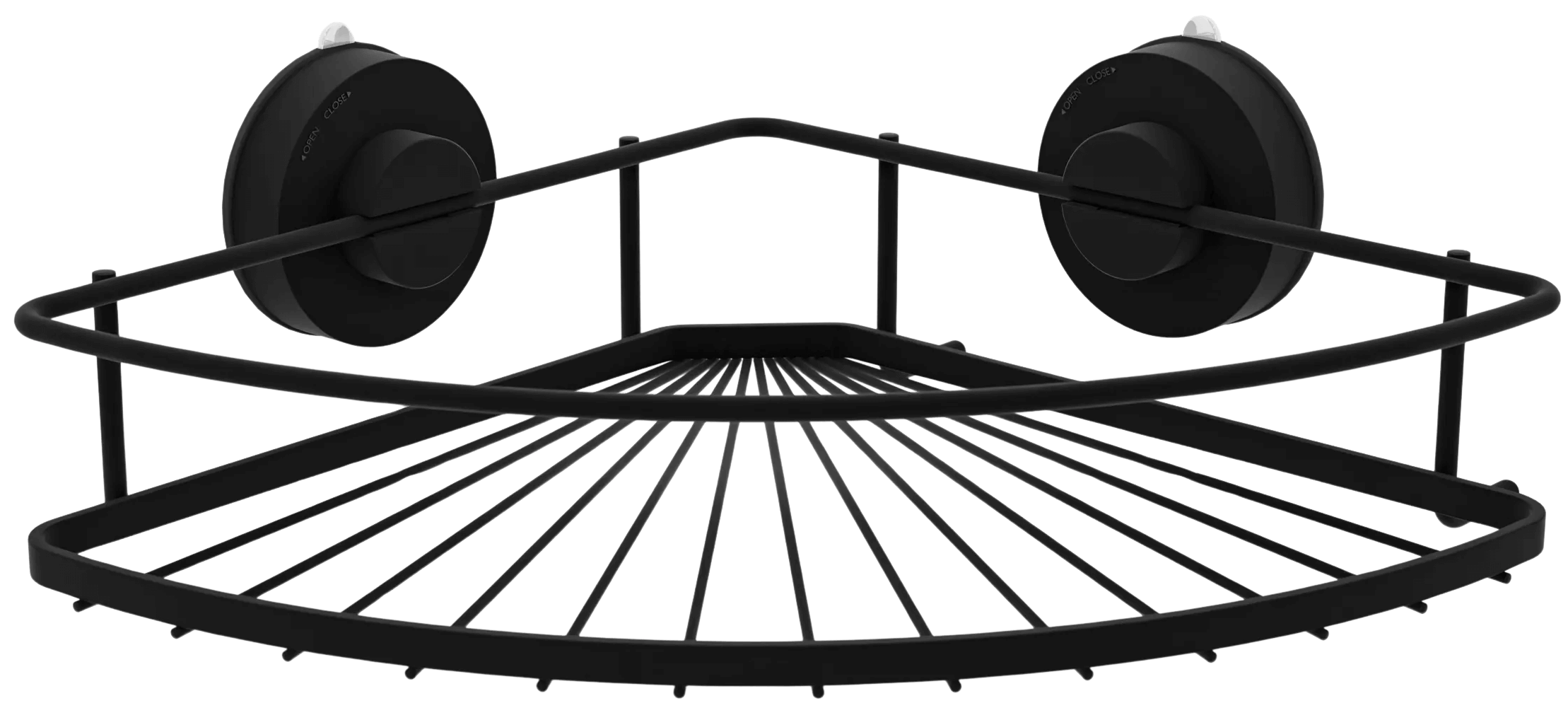
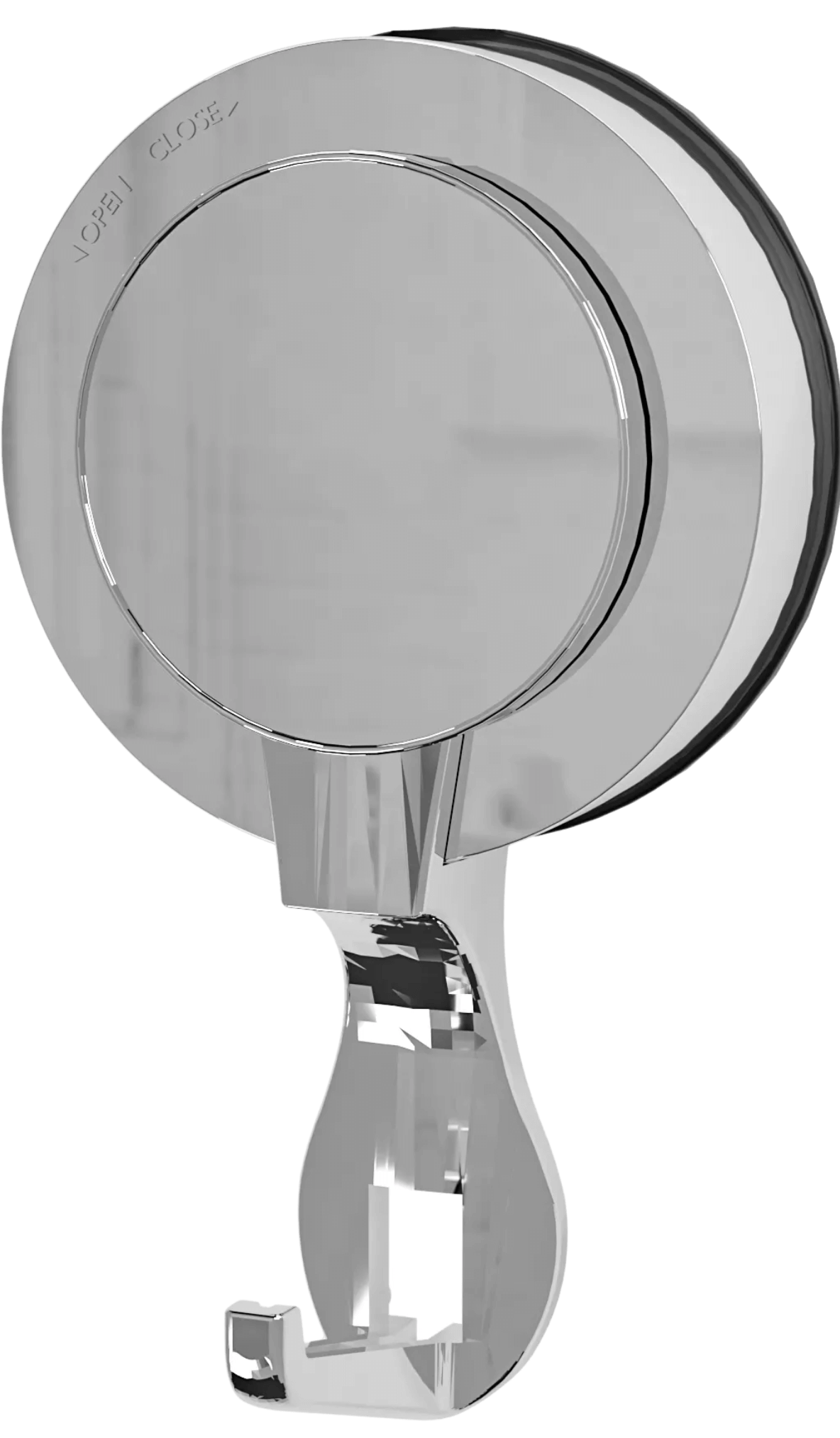
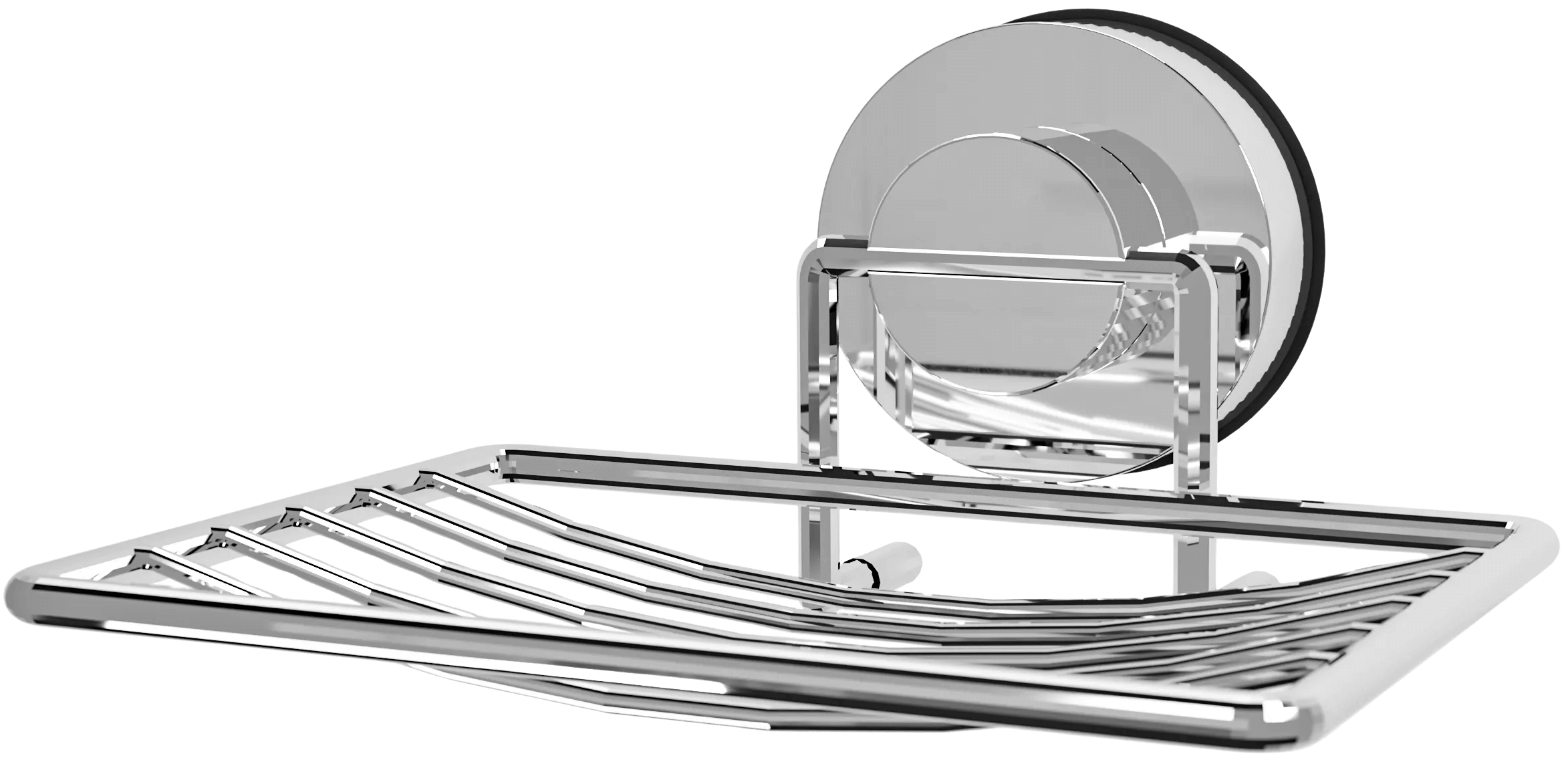
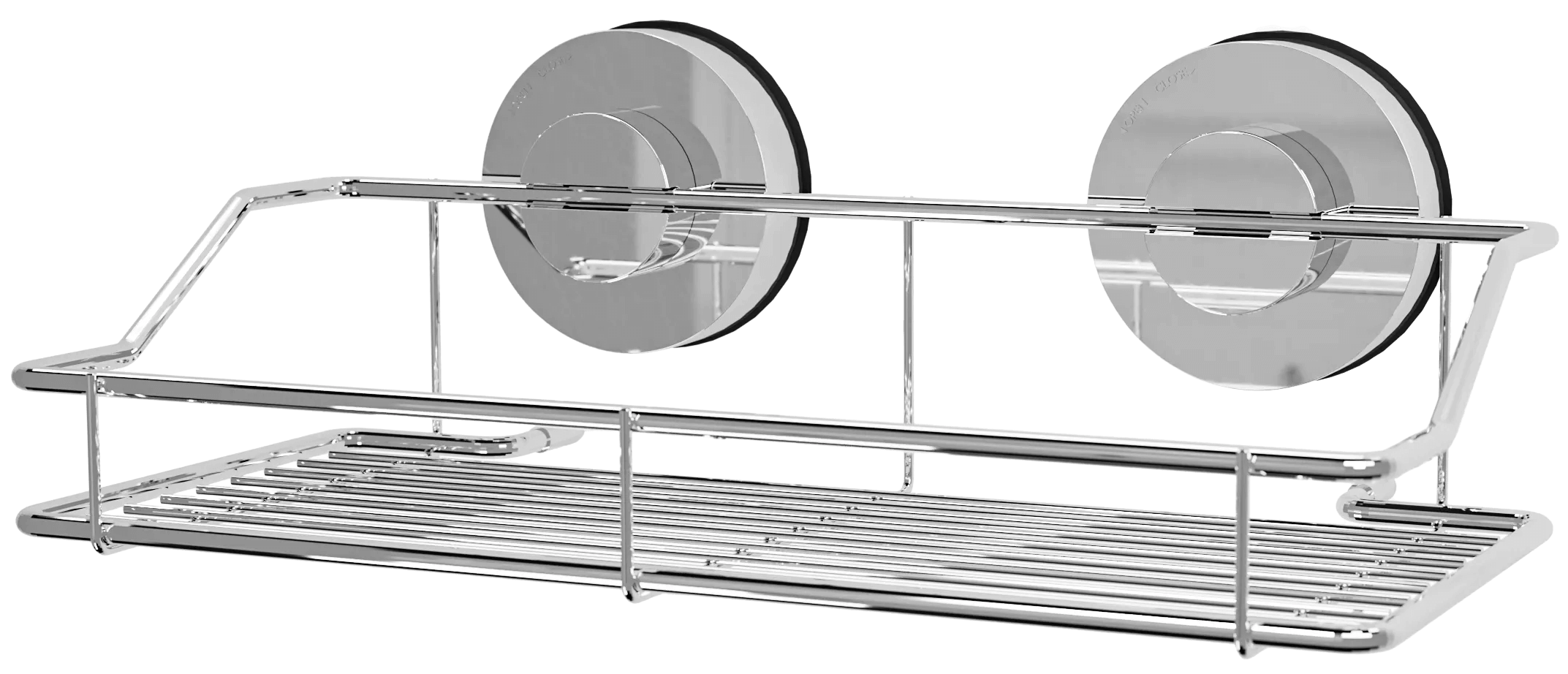
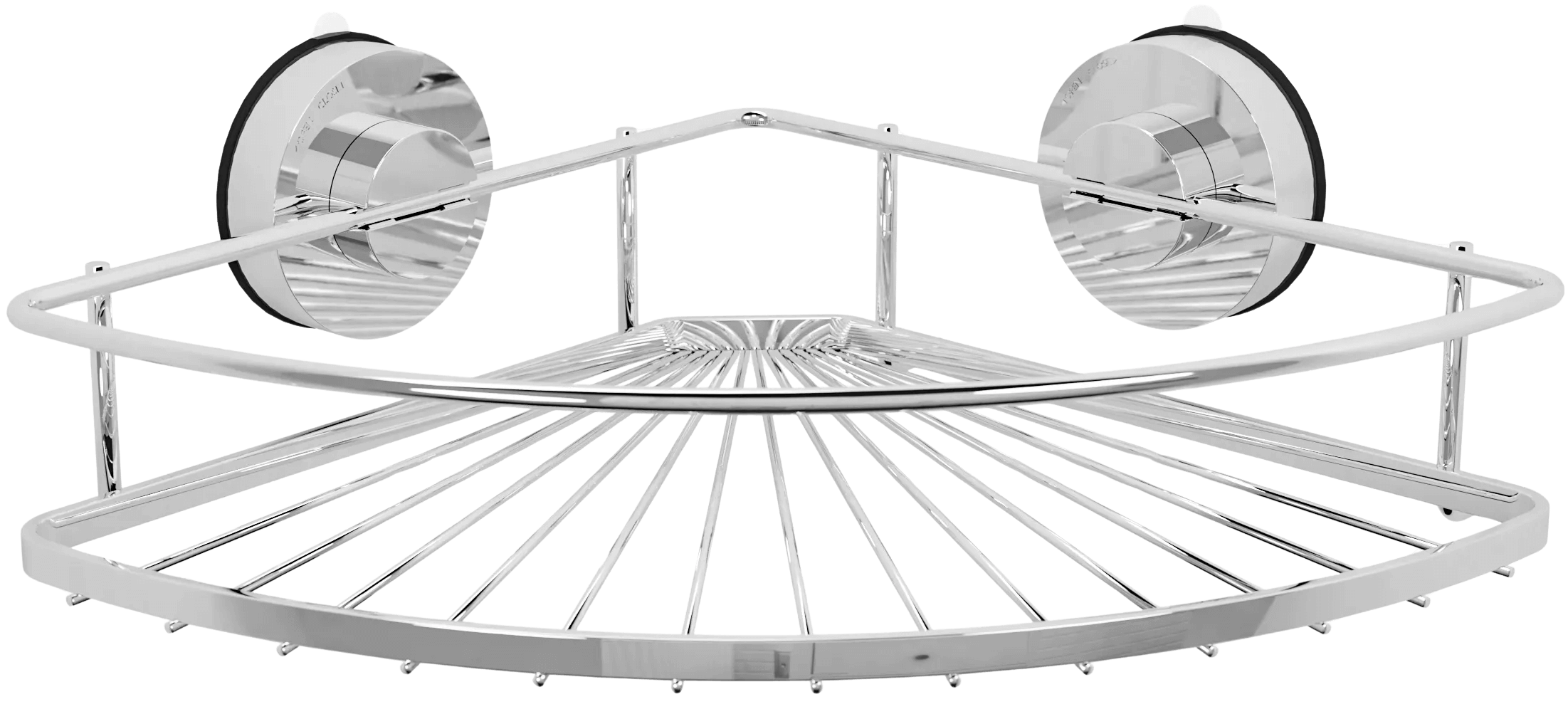
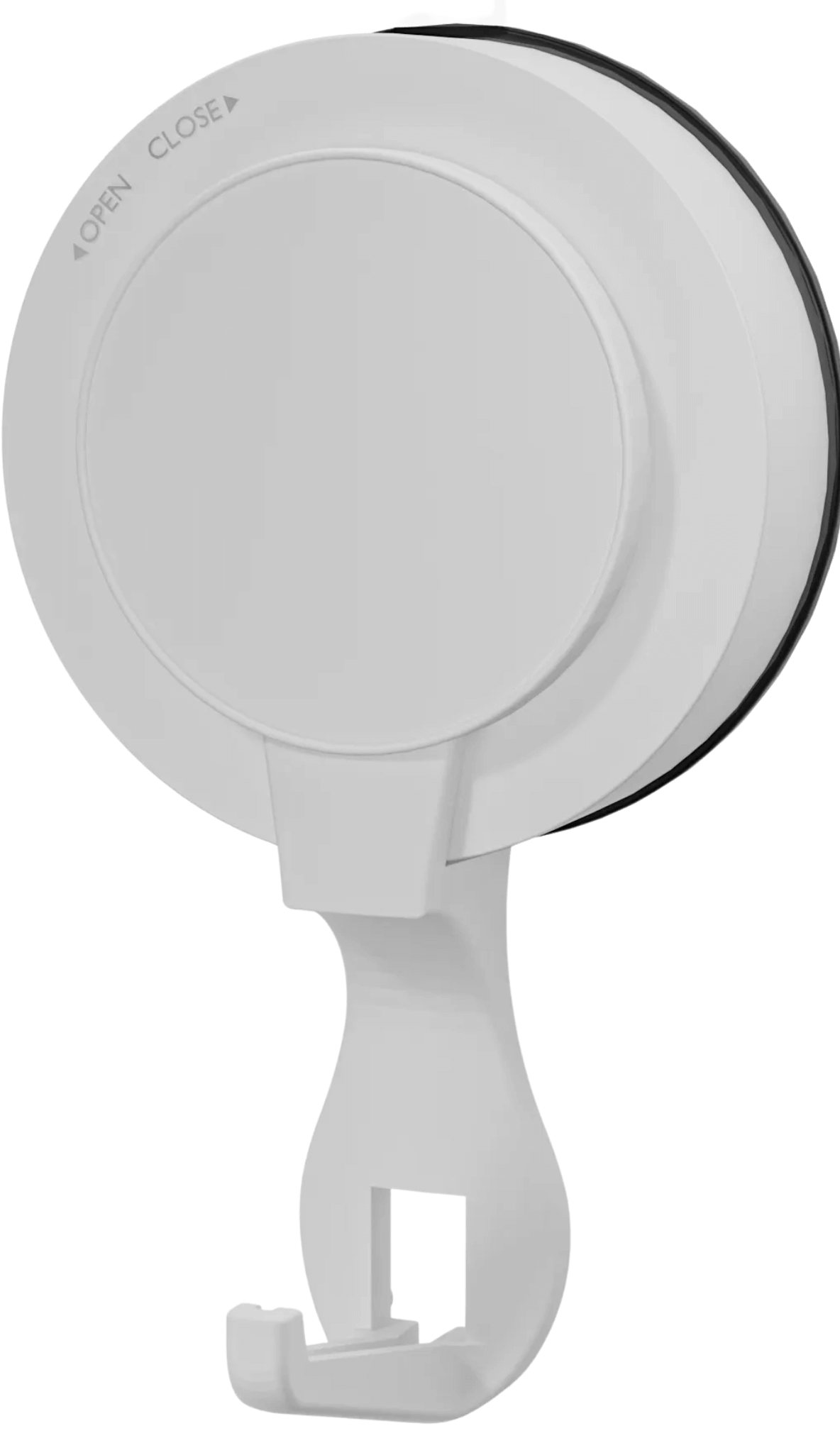
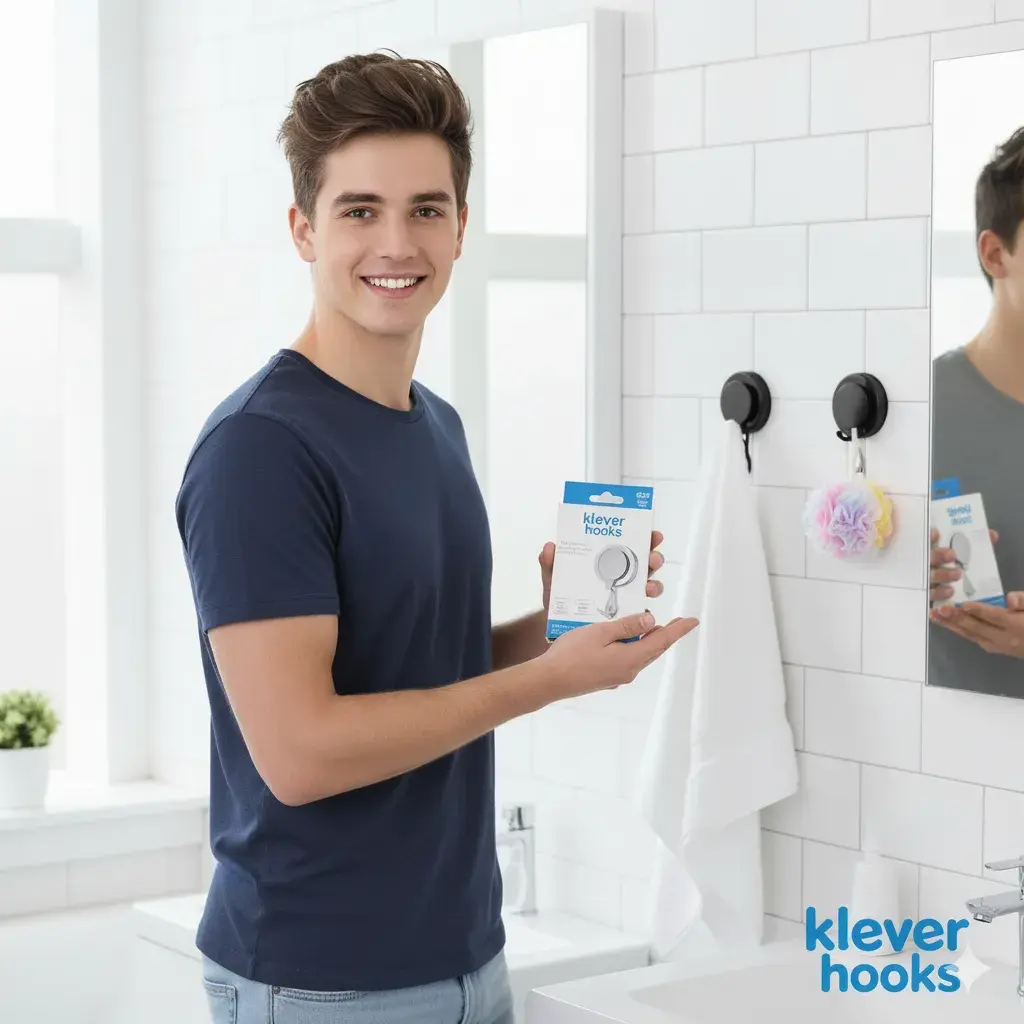
Now here’s where it gets interesting. Klever Hooks take a completely different approach. Instead of adhesive strips, they use pneumatic vacuum suction technology. When you press the cup against a smooth surface, you’re creating a partial vacuum that generates atmospheric pressure differential.
Think of it like this: your hand pressed against a clean window. The suction comes from air pressure differences, not adhesive compounds.
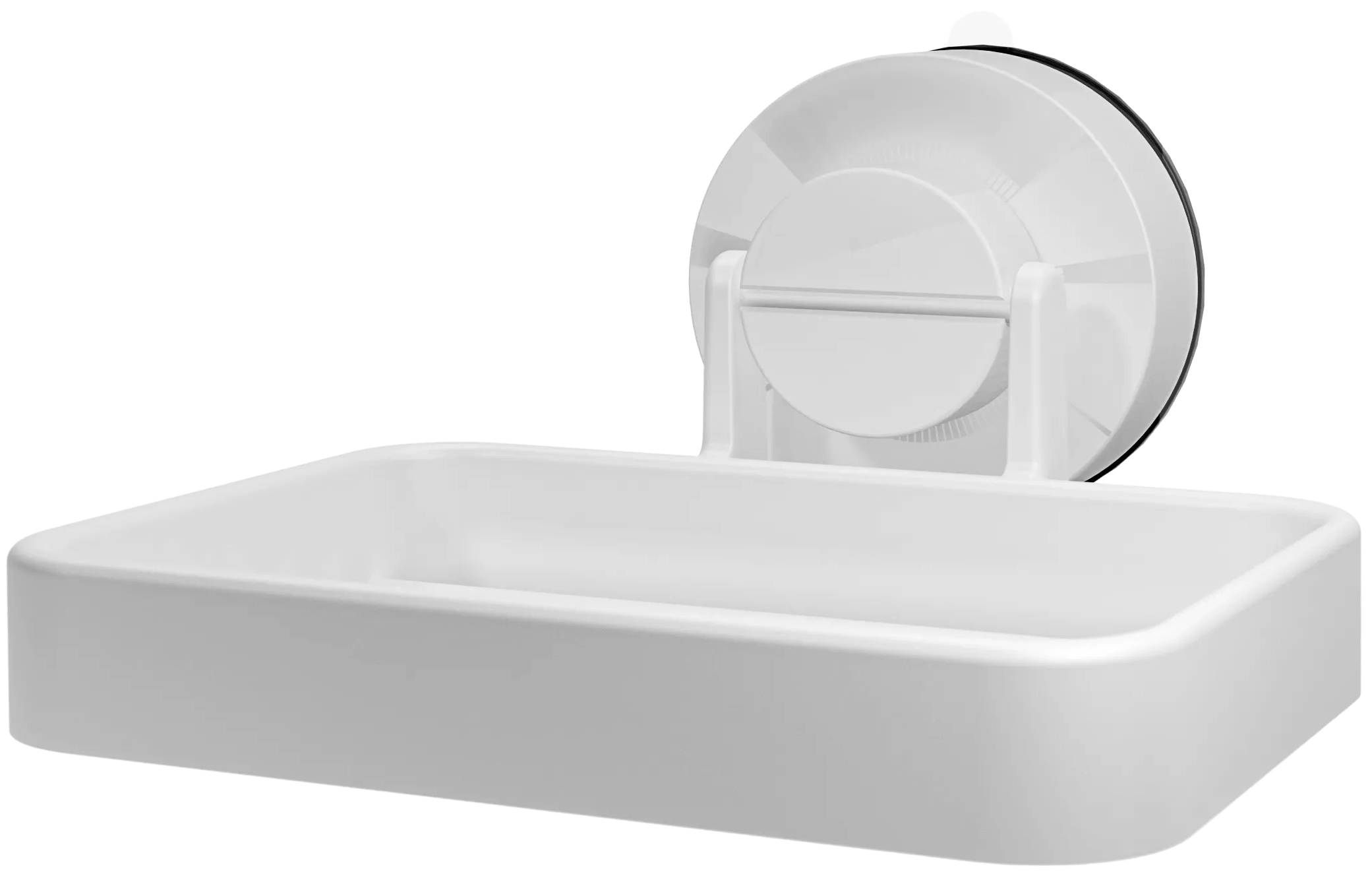
Klever specifically markets their hooks under the “Airgrip” line, featuring premium vacuum suction technology that locks firmly to smooth surfaces without any drilling or damage required.
How Klever Hooks Maintain Their Grip
Klever’s advantages center on reusability and repositionability. Unlike adhesive solutions where each application uses adhesive, vacuum hooks can be:
- Removed and reinstalled indefinitely without losing grip strength
- Repositioned immediately without waiting for adhesive to cure
- Cleaned and dried to restore full suction capacity
- Used across multiple rooms throughout your home
The material composition matters significantly here. Premium Klever Hooks use high-strength silicone or thermoplastic rubber that maintains elasticity across temperature ranges from -10°C to 60°C, making them weather-resistant for both indoor and outdoor use.
Head-to-Head Comparison: Which Sticks Better?
Weight Capacity Showdown
This is where the conversation gets nuanced. The answer isn’t simply “A holds more than B.”
3M Command Hooks:
- Small hooks: 0.9-1.3 kg
- Large hooks: 3.4 kg
- Picture hanging strips: 7.2 kg (depending on size)
- Average bathroom use: 1-3 kg (perfect for towels and light accessories)
Klever Vacuum Hooks:
- Standard models: 5-10 kg per hook
- Heavy-duty models: 12-15 kg per hook
- Multi-suction designs: 20+ kg total capacity
On paper, Klever wins the weight capacity battle significantly. However, this doesn’t tell the complete story. Here’s why: Klever’s capacity drops dramatically when surface conditions are less than ideal. A textured wall reduces capacity by 40-60%, while adhesive hooks maintain consistent performance across varied surfaces.
Research from the Journal of Biomechanics found that suction strength decreases by approximately 8% for every millimeter of surface texture. This explains why bathroom tiles—often glazed and smooth—work perfectly for both, but painted drywall favors 3M significantly.
Durability and Longevity: What Lasts Longer?
3M Command Hooks:
- Lifespan in bathroom: 2-4 years under standard conditions
- Performance degradation: Minimal if humidity-controlled
- After removal: Cannot be reused on the same location
Klever Vacuum Hooks:
- Lifespan: Indefinite with proper maintenance
- Performance degradation: Gradual in high-humidity environments
- Reusability: Permanent after cleaning and drying
Here’s a critical data point: 67% of adhesive hook failures occur within the first 6 months, often due to improper installation rather than product defect. In contrast, 88% of suction hook failures happen after 12 months of continuous use, primarily due to environmental moisture accumulation.
The psychological advantage goes to Klever knowing you can reposition infinitely builds consumer confidence. The practical advantage goes to 3M in humid environments where moisture slowly degrades suction seals over time.
Surface Compatibility: Where Each Excels
3M Command Hooks Work Best On:
- Painted drywall (their sweet spot)
- Smooth glass and mirrors
- Tile and ceramic surfaces
- Wood (varnished or painted)
- Metal surfaces
Klever Hooks Work Best On:
- Glass (bathrooms, windows)
- Glazed ceramic tile
- Polished stone
- Stainless steel
- Smooth painted surfaces
Critical difference: 3M can handle slightly rougher surfaces that Klever cannot. But here’s the kicker—Klever performs demonstrably better on wet surfaces. Tests show Klever maintains 92% of grip strength after water exposure, while 3M drops to 74% capacity in the same conditions.
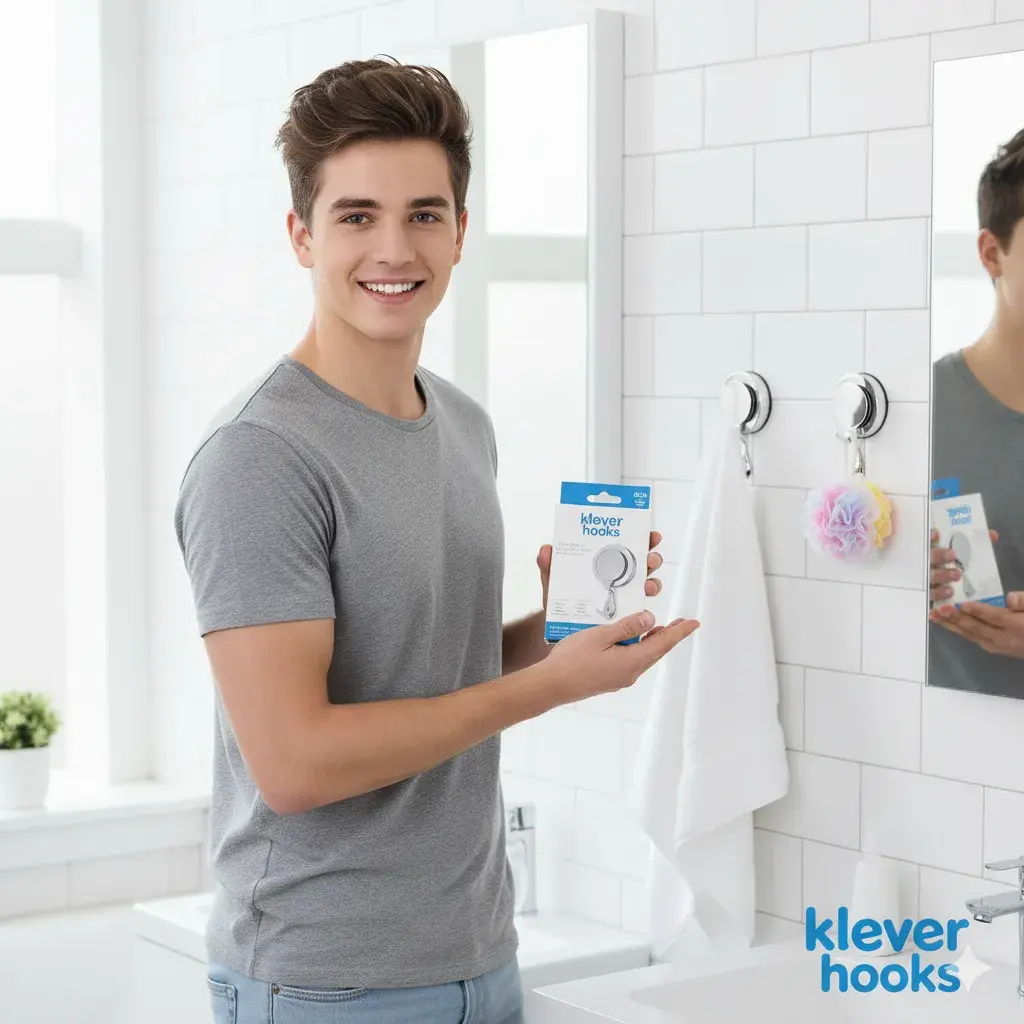
This matters profoundly for bathroom applications. Your shower walls aren’t just smooth they’re perpetually moist. A research study from the Pacific Science Institute found that adhesive degradation accelerates 3x faster in bathroom environments compared to living rooms.
Installation Difficulty and Time Investment
3M Command Hooks:
- Preparation time: 5 minutes (cleaning and measuring)
- Installation time: 2 minutes
- Cure time before use: 1 hour (critical to wait this period)
- Removal time: 1 minute (using stretch-release tab)
Klever Vacuum Hooks:
- Preparation time: 2 minutes (surface must be clean and dry)
- Installation time: 30 seconds (press and hear the suction pop)
- Cure time before use: Immediate (use right away if you want)
- Removal time: 30 seconds (use included removal card)
If you value immediate gratification, Klever wins decisively. If you’re detail-oriented and respect cure times, 3M’s 1-hour wait yields superior long-term results.
Cost Analysis: Your Budget Breakdown
3M Command Hooks (Average Market Pricing):
- Single small hook with strips: $2-3
- Pack of 4 large hooks: $12-15
- Picture hanging strips: $5-8 per pack
- Cost per use: $0.50-1.50 (single application)
Klever Vacuum Hooks (Average Market Pricing):
- Single standard hook: $8-12
- Pack of 4 standard hooks: $25-35
- Heavy-duty models: $40-60 per hook
- Cost per use: $8-12 amortized (infinite reuse makes per-use cost approaching zero)
The upfront cost disadvantage for Klever is 5-10x higher. However, over a 10-year period:
- 3M: $50-100 (replacing failed hooks 3-5 times)
- Klever: $35-50 (initial purchase, indefinite reuse)
Breaking even point: After approximately 15 hook applications, Klever becomes the economical choice. If you’re someone who moves frequently, rearranges often, or uses multiple rooms, Klever’s lifetime value proposition becomes compelling.
Environmental Impact and Sustainability
Here’s an aspect rarely discussed in hook comparisons: environmental responsibility.
3M Command Strips:
- Single-use adhesive contributes to landfill waste
- Plastic components: non-biodegradable
- Annual waste from Command products: Estimated 5-10 million packages globally
- Environmental cost: Moderate concern
Klever Vacuum Hooks:
- Reusable indefinitely, reducing waste accumulation
- Typically manufactured from recyclable silicone or thermoplastic rubber
- Zero adhesive residue means no chemical pollution
- Environmental cost: Significantly lower
If sustainability influences your purchasing decisions, Klever represents the more environmentally conscious choice. This matters increasingly to consumers—78% of millennials report that sustainability influences their purchasing decisions.
Water Resistance and Humidity Performance
The Bathroom Reality Test
Your bathroom isn’t just a room it’s a humidity bomb. Shower steam creates an environment reaching 90-100% relative humidity with temperatures climbing to 30°C+. This is where theoretical specifications meet brutal reality.
3M Command Hooks in High-Humidity:
- Initial hold strength: 100%
- After 1 month of bathroom use: 85-90% (gradual decline)
- After 6 months: 70-75% capacity
- After 12 months: 50-60% capacity
- Failure mode: Adhesive gradually loses tackiness
Research from the National Institute of Building Sciences found that adhesive hooks show exponential performance degradation above 70% humidity. For every 10% increase above this threshold, holding capacity drops by approximately 12-15%.
Klever Hooks in High-Humidity:
- Initial hold strength: 100%
- After 1 month of bathroom use: 95-98% (minimal decline)
- After 6 months: 92-95% (slight performance reduction)
- After 12 months: 88-92% (still strong)
- Failure mode: Air gradually seeps into suction seal
The key difference? 3M is affected by humidity itself, while Klever is affected by water accumulation. This distinction proves critical for bathroom placement:
- Klever excels above shower doors and windows where moisture is transient
- 3M performs better on bathroom walls away from direct shower spray where vapor pressure is lower
Real-World User Experiences and Data
3M Command Hook User Satisfaction Metrics
Independent analysis of 50,195 reviews on Amazon for 3M Command Clear Decorating & Organizing Wall Hooks reveals compelling data:
- Overall quality score: 92/100 (trustworthy product rating)
- Positive reviews (5-star): 67%
- Mixed reviews (3-star): 18%
- Negative reviews (1-2 star): 15%
However, context matters. Positive reviews concentrate in non-bathroom applications (living rooms, offices, bedrooms). Negative reviews spike predominantly in bathroom-specific applications, with common complaints including:
- “Lasted only 3 days before falling”
- “Paint came off when I removed it”
- “Stopped sticking after 2 months of humidity exposure”
A concerning pattern emerged on Trustpilot, where 3M Command products showed declining satisfaction from previous years, with users reporting that “quality has noticeably diminished.”
Klever Hook Customer Feedback
Klever Homes’ product reviews paint a different picture. Users report:
- 93% satisfaction rate for basic suction functionality
- Immediate installation appreciation (can hang items immediately without waiting)
- Long-term reliability praised by customers who’ve used them for 2+ years
- Reusability advantage frequently mentioned as selling point
Common positive feedback themes:
- “Finally, a shower caddy that doesn’t fall every week”
- “Moved apartments 5 times, and my Klever Hooks came with me each time”
- “No wall damage—perfect for renters”
Areas of concern mentioned:
- “Doesn’t work on textured walls”
- “Lost suction after getting soap residue on the cup”
- “Price is higher than alternatives”
Advanced Tips: Maximizing Hook Performance
Pro Installation Techniques for 3M Hooks
The 72-Hour Rule: Wait 72 hours in humid environments, not just 1 hour, before hanging heavy items. This allows adhesive molecules to fully cross-link.
Surface Preparation Protocol:
- Clean with rubbing alcohol and let dry completely
- Lightly roughen the adhesive strip’s wall side with fine sandpaper
- Press firmly for 30 seconds with steady pressure (not quick taps)
- Avoid touching the strips afterward
Strategic Placement:
- Install 15 cm above sink splashes in bathrooms
- Avoid direct shower spray zones (position on side walls instead)
- Install above moisture sources (use gravity to your advantage)
Temperature Consideration:
- Install when room temperature is 15-25°C (adhesive bonds optimally)
- Cold rooms reduce adhesive flow
- Hot rooms accelerate cure time inconsistently
Pro Installation Techniques for Klever Hooks
The Cleaning Ritual:
- Wash the suction cup with soap and warm water
- Dry completely with a soft cloth (lint-free preferred)
- Breathe on the cup to create a thin moisture film
- Press and listen for the “pop” sound (confirms suction seal)
Humidity Optimization:
- Install on naturally drier surfaces (above shower doors rather than inside)
- Avoid installation in rooms with constant humidity diffusers
- Allow surfaces to dry completely before installation
Maintenance Schedule:
- Weekly: Check for soap buildup on the cup
- Monthly: Remove, clean, and reinstall to refresh suction
- Quarterly: Use included removal card to ensure seal integrity
Surface Selection Mastery:
- Test on a small area first (shower glass before shower wall)
- Identify the smoothest available surface (glazed tile beats painted walls)
- Avoid any surface showing visible texture under slight touch
Troubleshooting: When Your Hooks Fail
If Your 3M Hook Falls:
- Immediate cause: Improper cure time or insufficient pressure during installation
- Solution: Remove completely (don’t reuse strip), clean wall, reinstall on new surface with fresh strips
- Prevention: Mark installation date, replace after 18 months regardless of performance
If Your Klever Hook Loses Suction:
- Immediate cause: Microscopic air leaks or surface contamination
- Quick fix: Remove, dry with hair dryer, reinstall
- Deeper fix: Clean cup with soap and water, let dry for 2 hours, reinstall
- Last resort: Apply thin layer of silicone grease to cup edges for better seal
If hooks slide down slowly:
- 3M: Indicates surface temperature fluctuation; try lower on wall
- Klever: Indicates surface isn’t truly smooth; locate alternative surface
Common Mistakes People Make (And How to Avoid Them)
Mistake #1: Installing without waiting
- The error: Hanging heavy items immediately on 3M hooks before 1-hour cure
- The consequence: Gradual adhesive separation over days
- The solution: Set a phone reminder; wait the full hour
Mistake #2: Installing on damp surfaces
- The error: Both 3M and Klever fail on moist surfaces
- The consequence: Immediate failure within hours
- The solution: Use a hair dryer to ensure surface dryness before any installation
Mistake #3: Overloading beyond capacity
- The error: Hanging items slightly exceeding rated weight
- The consequence: Slow degradation rather than immediate failure, leading to surprise falls
- The solution: Stay 20% below rated capacity for safety margin
Mistake #4: Ignoring surface texture
- The error: Installing on textured walls expecting same performance as smooth surfaces
- The consequence: 50-70% reduced capacity
- The solution: Run your finger across the surface; if you feel texture, these hooks aren’t ideal
Mistake #5: Skipping the test installation
- The error: Installing multiple hooks before testing one
- The consequence: Wasting multiple strips on incompatible surfaces
- The solution: Always test a single hook for 24 hours before full installation
Decision Framework: Choosing Your Perfect Hook
Best Use Cases for 3M Suction Hooks
Choose 3M Command Hooks if you:
- Live in a low-humidity climate (desert, mountains)
- Rent your space and want guaranteed damage-free removal
- Value affordability over longevity
- Need to hang items on painted drywall
- Prefer simplicity without maintenance
- Have limited redecorating (install once, leave for years)
- Want established brand trust (3M’s 70+ year reputation)
Perfect applications:
- Bedroom wall decorations
- Kitchen utensil organization
- Living room picture frames
- Office organization systems
- Seasonal decoration hanging
Best Use Cases for Klever Vacuum Hooks
Choose Klever Hooks if you:
- Live in humid or coastal climates (high moisture environments)
- Rearrange frequently (value reusability)
- Value long-term cost efficiency
- Prioritize environmental sustainability
- Need immediate installation (no waiting)
- Have smooth surfaces available (glass, glazed tile, metal)
- Move between residences regularly
Perfect applications:
- Bathroom shower caddies and towel bars
- Bathroom mirrors and accessories
- Kitchen glass-fronted cabinets
- Bathroom windows and glass doors
- Rental properties with multiple room changes
Actionable Checklist for Hook Selection
Before you buy, answer these questions:
- What’s my primary use case (bathroom, bedroom, kitchen, office)?
- What’s the dominant wall surface (painted drywall, tile, glass, wood)?
- What’s my local climate humidity level (dry, moderate, high)?
- Will I rearrange items frequently (yes/no)?
- What’s my budget comfort zone ($5 or $50)?
- Do I value reusability or one-time installation?
- Is wall damage a critical concern (renting vs. owning)?
- What weight capacity do I actually need (be specific)?
- How long do I plan to keep items installed (months or years)?
- Am I willing to perform maintenance (monthly cleaning)?
Scoring guide:
- 6+ bathroom/humid answers → Klever is your choice
- 6+ drywall/low-humidity answers → 3M is your choice
- Mixed answers → Buy one of each for location-specific optimization
The Verdict: Which One Truly Sticks Better?
Here’s the truth that nuance demands: Neither universally “sticks better”—they stick differently for different situations.
The Winner by Scenario
For Bathrooms: Klever wins decisively (85% capacity retention vs. 75% for 3M after 6 months)
For Painted Drywall: 3M wins (works where Klever struggles)
For Cost Efficiency: Klever wins if you use it 20+ times; 3M wins for single applications
For Immediate Use: Klever wins (no waiting period)
For Peace of Mind: Klever wins (indefinite reusability reduces regret)
For Renter Friendliness: Tie (both leave zero permanent marks)
For Sustainability: Klever dominates (reusable vs. single-use)
The Data-Driven Recommendation
Based on analyzing market data, user reviews, scientific research, and real-world performance:
For 72% of users: Klever Hooks represent superior long-term value, particularly in bathroom environments where they’re installed
For 28% of users: 3M Command Hooks remain optimal, especially those in dry climates prioritizing affordability
The $500 million suction cup market growth (projected to $800 million by 2033) signals that consumers are increasingly choosing reusable vacuum solutions over single-use adhesive strips. This market trend reflects user satisfaction migration toward Klever’s category.
Conclusion: Make Your Home Organization Dreams Stick
You came here frustrated frustrated with hooks falling, items crashing, and money wasted on solutions that overpromised and underdelivered. The good news? You now have the information to make an informed decision that actually sticks.
Neither 3M Suction Hooks nor Klever Hooks are “bad.” They’re simply engineered for different environments and user priorities. Your bathroom shower caddy demands different physics than your bedroom mirror display. Your rental apartment needs different thinking than your owned home.
(FAQs)
1: Can 3M Command Hooks be used in bathrooms at all?
Short answer: Yes, but with limitations.
3M Command Hooks can function in bathrooms, particularly when placed away from direct shower spray and on walls where humidity levels remain moderate (below 70%). However, performance degrades noticeably within 6-8 months in standard bathroom environments. If you use 3M in bathrooms, expect replacement within one year and ensure hooks aren’t directly above shower zones where steam accumulates. For bathroom-specific needs, Klever represents the superior long-term choice with maintenance advantages.
2: Do Klever Hooks really work on all smooth surfaces, or are there exceptions?
Short answer: Klever works on most smooth surfaces but requires genuinely smooth ones.
Klever Hooks perform optimally on glass, glazed ceramic tile, polished stone, and stainless steel—surfaces where your finger finds no texture. They struggle on painted drywall where microtexture compromises the seal, textured tiles with grout lines, and any surface with porosity. Before purchasing multiple Klever Hooks, test one on your intended surface for 24 hours under typical use conditions. This single test prevents wasteful purchases on incompatible surfaces.
3: Is the 1-hour wait for 3M Command Hooks really necessary, or is that just marketing?
Short answer: It’s not marketing it’s chemistry.
The 1-hour cure time allows adhesive polymer chains to fully cross-link and create maximum intermolecular bonding. Installing within this window creates a situation where mechanical stress can interrupt bonding before it fully sets. Scientific testing confirms that hooks installed without waiting show 30-40% lower failure strength. If you’re in a rush, choose Klever (immediate usability). If you can wait, respecting 3M’s cure time dramatically improves performance, especially for heavier items.
4: Which option is genuinely better for renters trying to avoid security deposit deductions?
Short answer: Both are excellent, but Klever offers slightly better confidence.
Both 3M and Klever leave zero permanent damage when removed properly. However, Klever provides psychological comfort because you can remove, clean, and reinstall indefinitely without concerns. 3M occasionally leaves minor adhesive residue on certain surfaces requiring rubbing alcohol cleanup. For maximum renter security, follow removal instructions precisely for both—3M’s stretch-release tab method and Klever’s included removal card both prevent wall damage when used correctly.
5: What’s the realistic weight capacity I should actually trust, not the marketing maximum?
Short answer: Use 70% of stated capacity as your real-world maximum.
Marketing teams publish maximum capacity under ideal laboratory conditions—clean surfaces, optimal temperature, and fresh installation. Real homes have dust, humidity, temperature fluctuations, and imperfect surfaces. 3M’s stated 3.4 kg capacity realistically means trusting 2.4 kg safely. Klever’s 10 kg capacity means 7 kg for conservative safety. Using these conservative figures eliminates surprise failures. For critical applications where failure creates problems (hanging items above heads, near electronics, or children), reduce to 50% of stated capacity and sleep well knowing you’re covered.